Math & Science in Spanish
Dive into the fascinating world of math and science in Spanish! This vocabulary set will equip you to discuss everything from quantum physics and cell biology to basic calculations and scientific principles. Understanding these terms is super useful, whether you're studying abroad, working in a STEM field, or just trying to follow a Spanish documentary on astronomy. Interestingly, many scientific terms are similar across languages due to their Latin and Greek roots, but watch out for gender agreement!
Quick Reference
| Spanish | English | Example | Level |
|---|---|---|---|
cálculo | calculation | Hice un cálculo rápido y creo que tenemos suficiente dinero. | A2 |
ciencia | science | La ciencia nos ayuda a entender el universo. | B1 |
científico | scientific | Necesitamos evidencia científica antes de publicar los resultados. | A2 |
conocimiento | knowledge | El conocimiento es poder. | B1 |
estadística | statistics | La estadística es una asignatura difícil en la universidad. | B1 |
físico | physical | El ejercicio físico es importante para la salud. | A1 |
fracción | fraction | Un cuarto es una fracción básica. | A2 |
gráfico | chart | Este gráfico muestra el crecimiento de la empresa. | A2 |
ingeniería | engineering | Estudió ingeniería civil para diseñar puentes. | B1 |
laboratorio | laboratory | El científico pasó horas en el laboratorio analizando las muestras. | A1 |
matemático | mathematical | Necesito resolver un problema matemático muy difícil. | A2 |
porcentaje | percentage | Un gran porcentaje de los estudiantes vive cerca de la escuela. | A2 |
A1 — Beginner (4 words)
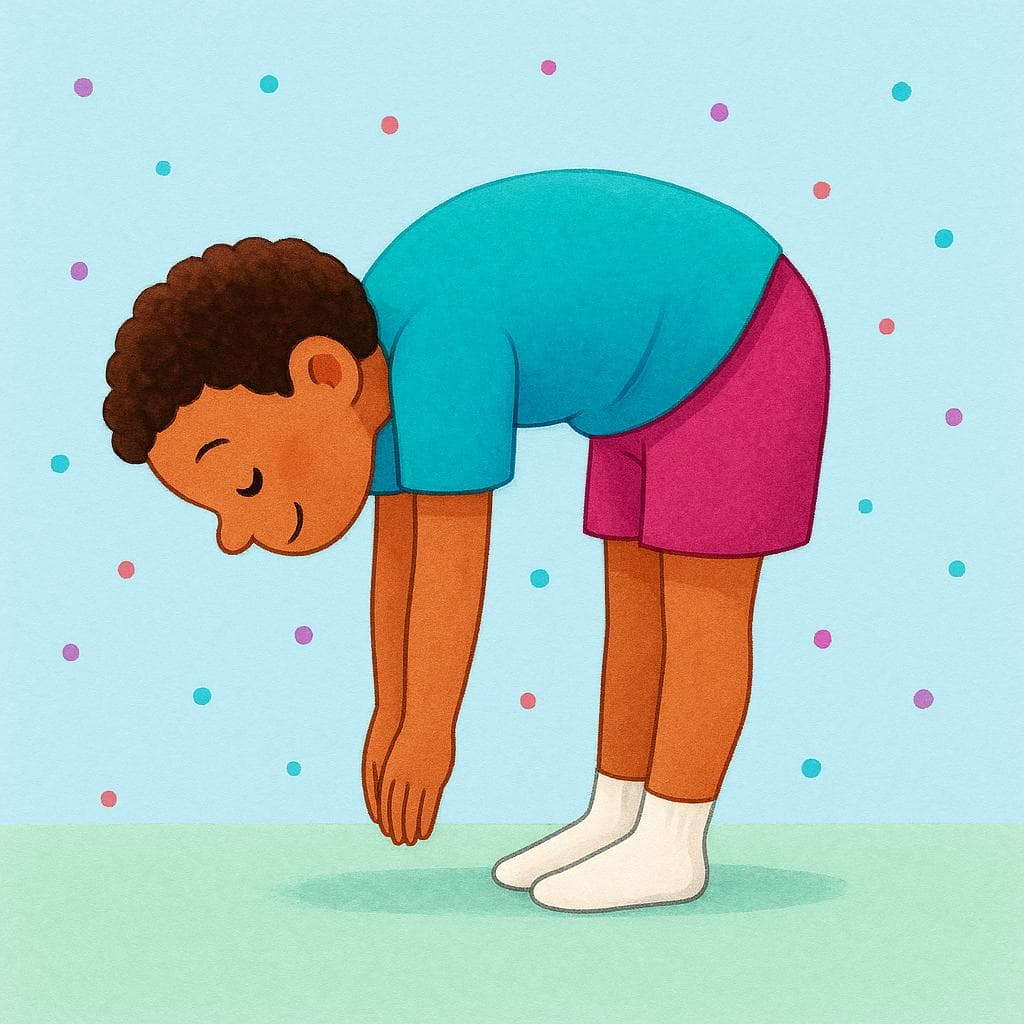
physical
“El ejercicio físico es importante para la salud.”
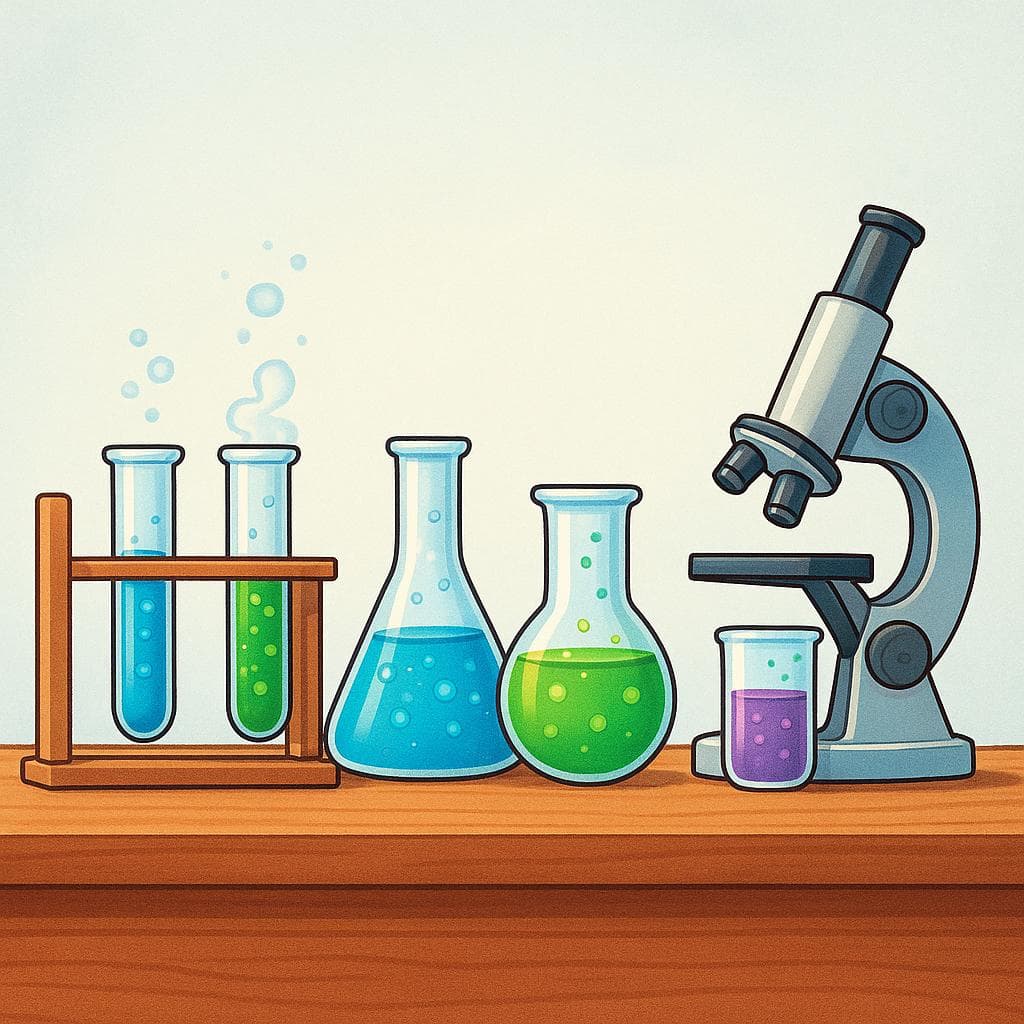
laboratory
“El científico pasó horas en el laboratorio analizando las muestras.”

sum
“Necesito calcular la suma de todos estos gastos.”

to add
“Los niños están aprendiendo a sumar en la escuela.”
A2 — Elementary (7 words)
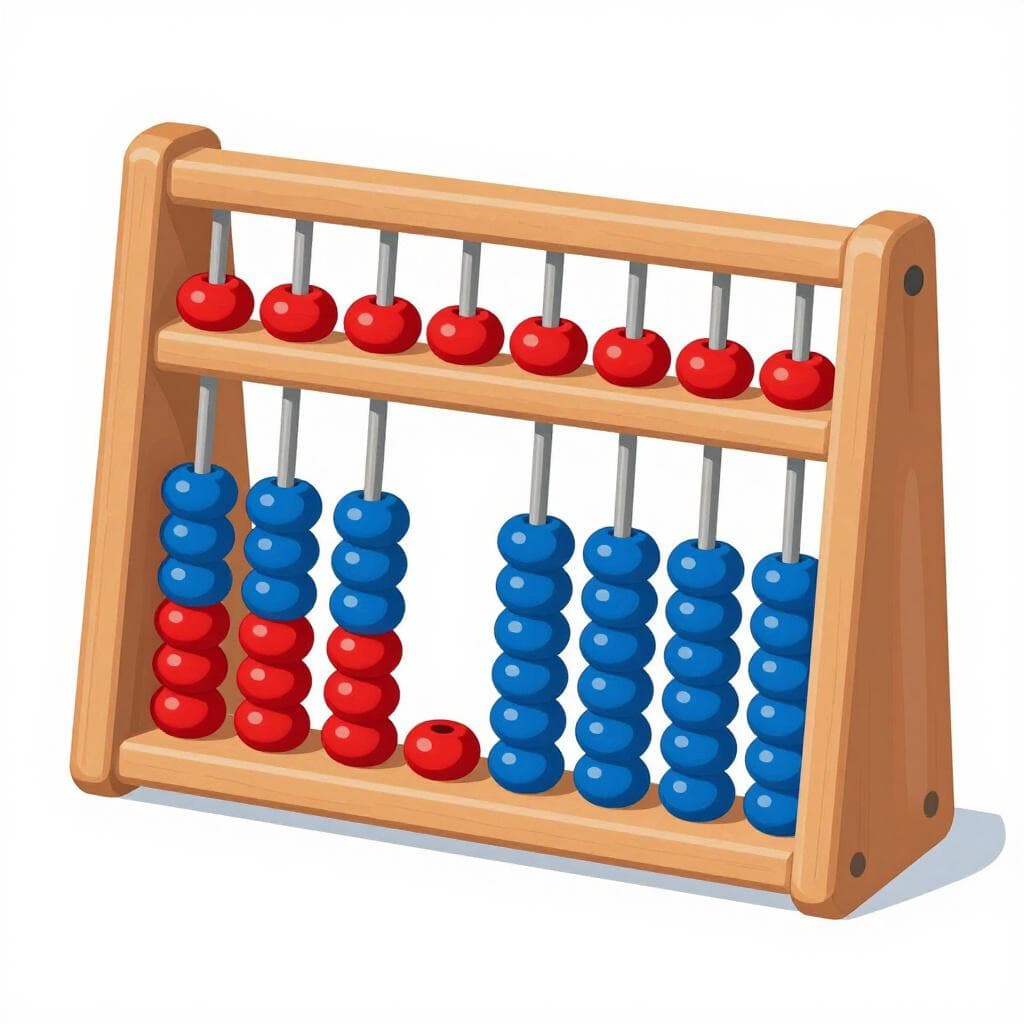
calculation
“Hice un cálculo rápido y creo que tenemos suficiente dinero.”
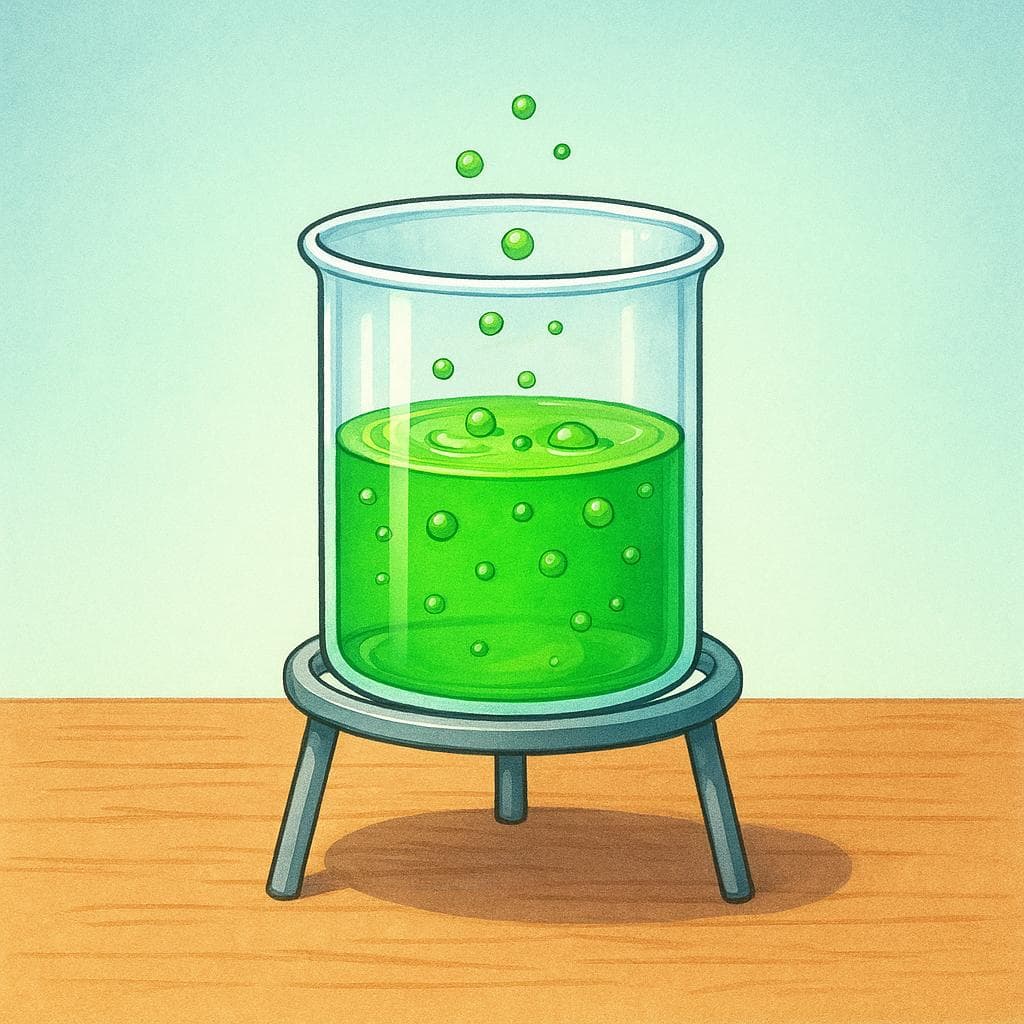
scientific
“Necesitamos evidencia científica antes de publicar los resultados.”

fraction
“Un cuarto es una fracción básica.”
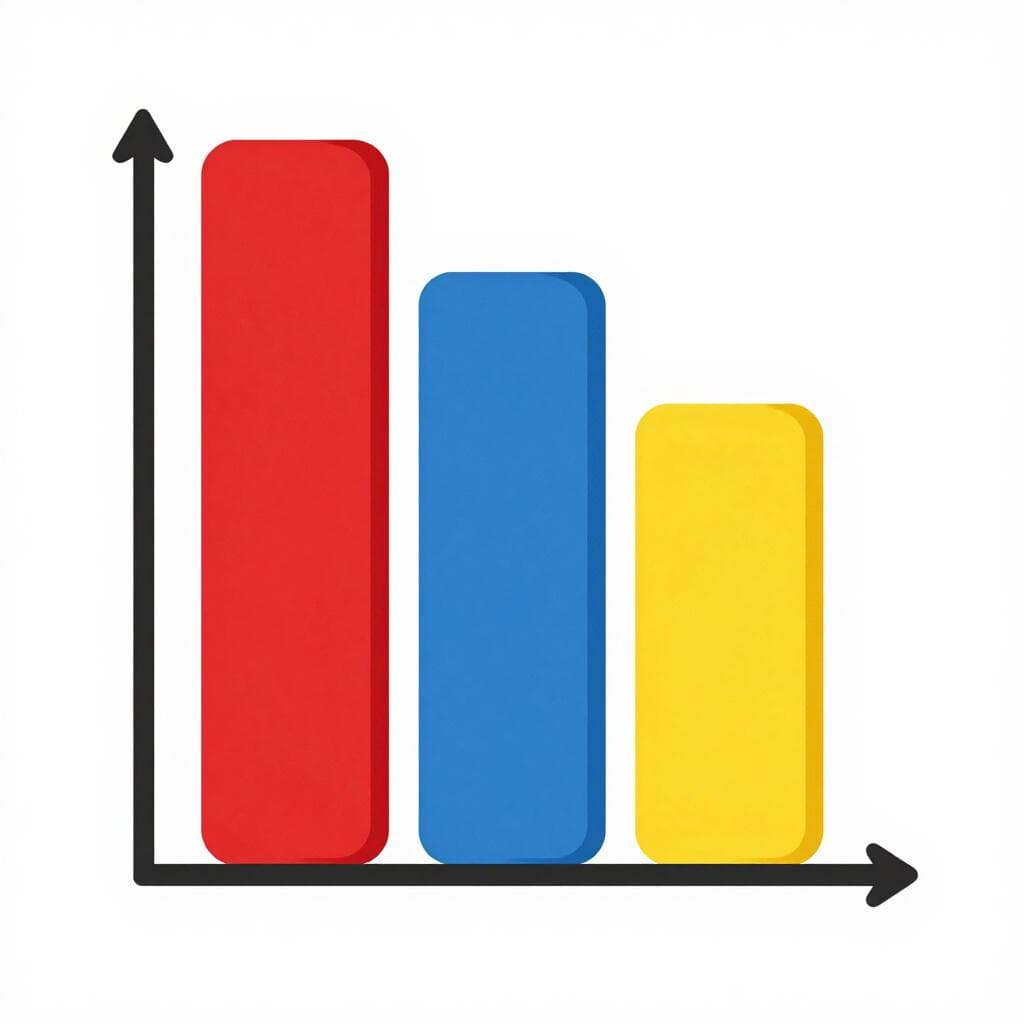
chart
“Este gráfico muestra el crecimiento de la empresa.”
mathematical
“Necesito resolver un problema matemático muy difícil.”

percentage
“Un gran porcentaje de los estudiantes vive cerca de la escuela.”

chemical
“Hubo una reacción química en el laboratorio.”
B1 — Intermediate (11 words)

science
“La ciencia nos ayuda a entender el universo.”

knowledge
“El conocimiento es poder.”

statistics
“La estadística es una asignatura difícil en la universidad.”

engineering
“Estudió ingeniería civil para diseñar puentes.”
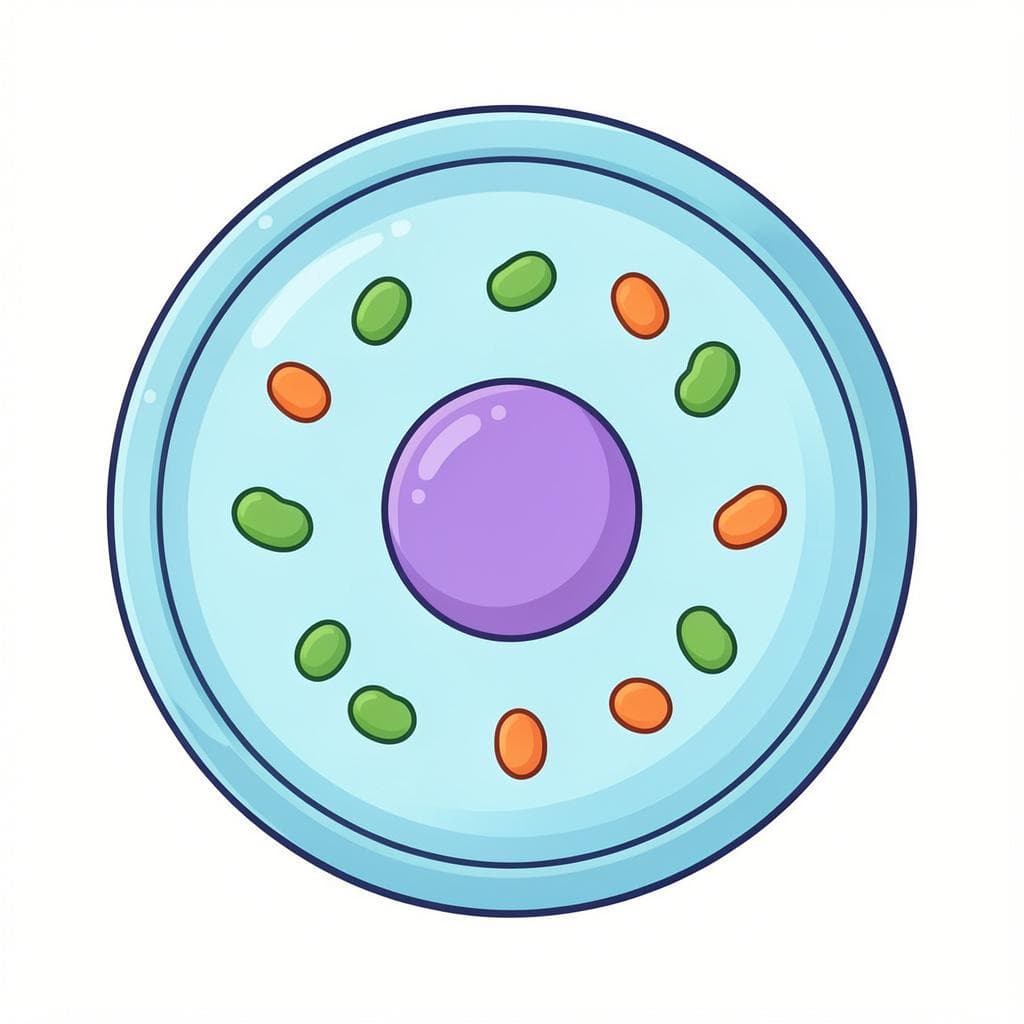
cell
“La célula es la unidad más pequeña de los seres vivos.”

coordinate
“Introduce las coordenadas en el GPS para encontrar la casa.”

equation
“Necesito resolver esta ecuación para la clase de matemáticas.”

probability
“Hay una alta probabilidad de lluvia esta tarde.”

atom
“El hidrógeno es el átomo más simple del universo.”
coefficient
“Para resolver la ecuación, primero identifica el coeficiente de la X.”

density
“La densidad del aceite es menor que la del agua.”
B2 — Upper Intermediate (4 words)

radiation
“La radiación solar calienta la Tierra.”
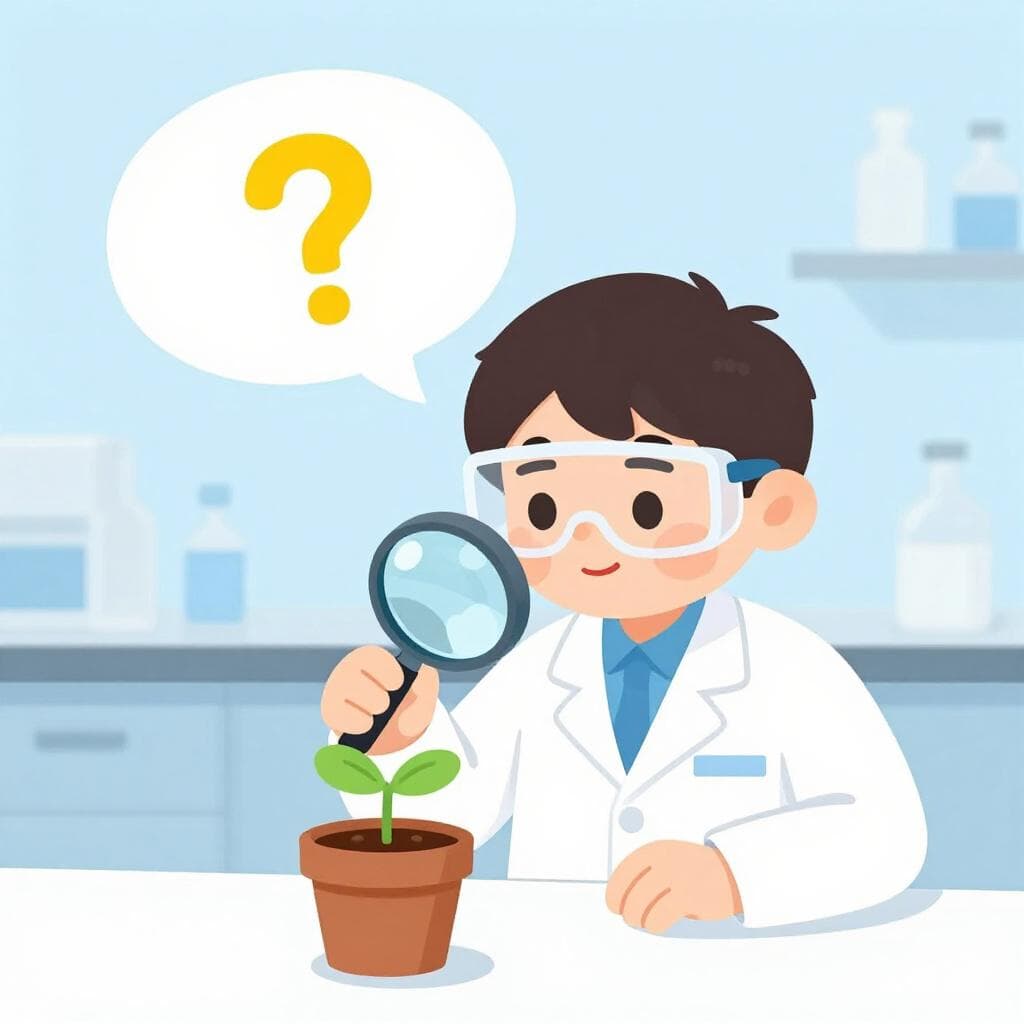
hypothesis
“Tengo una hipótesis sobre por qué se perdió el gato.”

quantum
“La física cuántica estudia las partículas más pequeñas del universo.”

radioactive
“El uranio es un elemento muy radiactivo.”
Grammar Tips
Gender Agreement for Scientific Terms
Many nouns related to math and science have clear gender. 'La ciencia' (science) is feminine, while 'el cálculo' (calculation) is masculine. Remember to match articles and adjectives accordingly, like 'la célula pequeña' (the small cell) or 'el coeficiente alto' (the high coefficient).
Plurals in Math and Science
Forming plurals often follows standard Spanish rules: add '-s' if the word ends in a vowel ('célula' -> 'células') and '-es' if it ends in a consonant ('científico' -> 'científicos'). This applies to concepts like 'conocimiento' (knowledge) becoming 'conocimientos'.
Adjectives: Position Matters
While adjectives usually follow nouns in Spanish, some descriptive adjectives in science can sometimes precede the noun for emphasis or specific meaning, though the post-noun position is generally safer for learners. For example, 'la física cuántica' (quantum physics) is standard.
Common Mistakes
Adjective Placement
Mistake: “La científica importante explica el teorema.”
Correction: La científica importante explica el teorema. — While 'importante' can sometimes precede a noun, it's more standard and less ambiguous for learners to place descriptive adjectives after the noun they modify.
Missing Plural Agreement
Mistake: “Tengo muchos conocimiento sobre el tema.”
Correction: Tengo muchos conocimientos sobre el tema. — 'Conocimiento' (knowledge) is often used in the plural form 'conocimientos' when referring to a body of knowledge or specific pieces of information.
Incorrect Gender
Mistake: “Necesito el cálculo de la área.”
Correction: Necesito el cálculo del área. — 'Área' (area) is a feminine noun, but it starts with a stressed 'a', so it takes the masculine article 'el' in the singular to avoid awkward pronunciation ('el área', not 'la área'). However, it remains feminine for adjectives: 'el área pequeña'.
Cultural Notes
Latin Roots Unite!
You'll notice many Spanish math and science words sound very similar to English counterparts. This is because both languages borrow heavily from Latin and Greek. Terms like 'átomo', 'molécula', 'ecuación', and 'teorema' are easily recognizable, making this vocabulary surprisingly accessible.
Precision in Language
In academic and scientific contexts in Spanish-speaking countries, precision is key. Using the exact term, like 'densidad' for density or 'velocidad' for velocity, is crucial for clear communication, mirroring the importance of accuracy in science itself.