Space & Astronomy in Spanish
Blast off into the cosmos with this Spanish vocabulary set! You'll learn words related to space exploration, celestial bodies, and the vast universe. Understanding these terms is great for anyone interested in science, sci-fi, or just appreciating the night sky. Spanish often uses gendered nouns for celestial objects, which is a fun point to note!
Quick Reference
| Spanish | English | Example | Level |
|---|---|---|---|
atmósfera | atmosphere | La capa de ozono protege la atmósfera de la Tierra. | A2 |
cielo | sky | El cielo está azul hoy. | A1 |
cohete | rocket | El cohete tardó tres días en llegar a la órbita de Marte. | B1 |
cometa | kite | Mi hermano pasó toda la tarde volando su cometa nueva. | A1 |
despegue | takeoff | El avión está listo para el despegue. | A2 |
espacio | space | No hay espacio en el coche para más maletas. | A1 |
estelar | starring | Ella consiguió el papel estelar en la nueva película. | B1 |
estrella | star | Por la noche, me gusta mirar las estrellas. | A1 |
galaxia | galaxy | Nuestra galaxia se llama la Vía Láctea. | B1 |
luna | moon | La luna está muy brillante esta noche. | A1 |
mundos | worlds | Hay millones de mundos en el espacio. | A1 |
órbita | orbit | El satélite artificial ha entrado en órbita y ahora da vueltas a la Tierra. | B1 |
A1 — Beginner (8 words)

sky
“El cielo está azul hoy.”
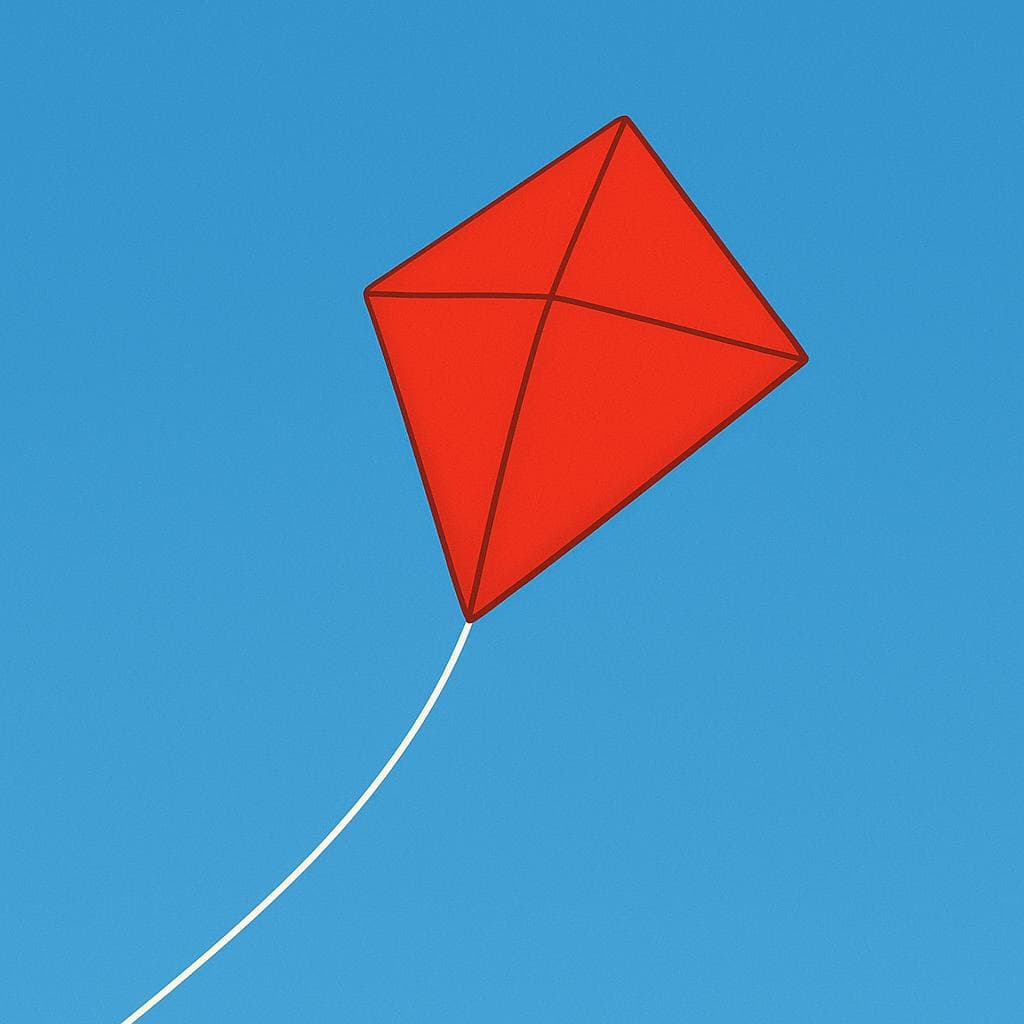
kite
“Mi hermano pasó toda la tarde volando su cometa nueva.”

space
“No hay espacio en el coche para más maletas.”

star
“Por la noche, me gusta mirar las estrellas.”
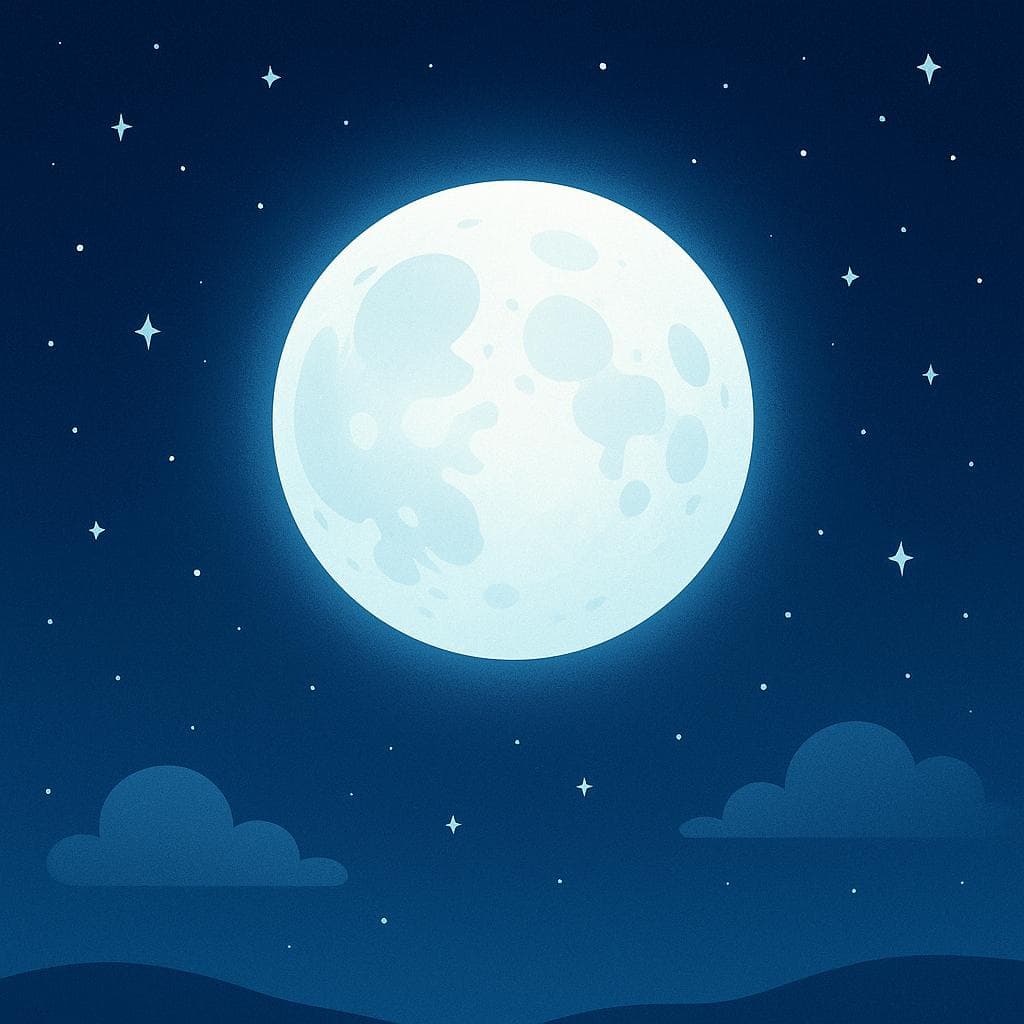
moon
“La luna está muy brillante esta noche.”
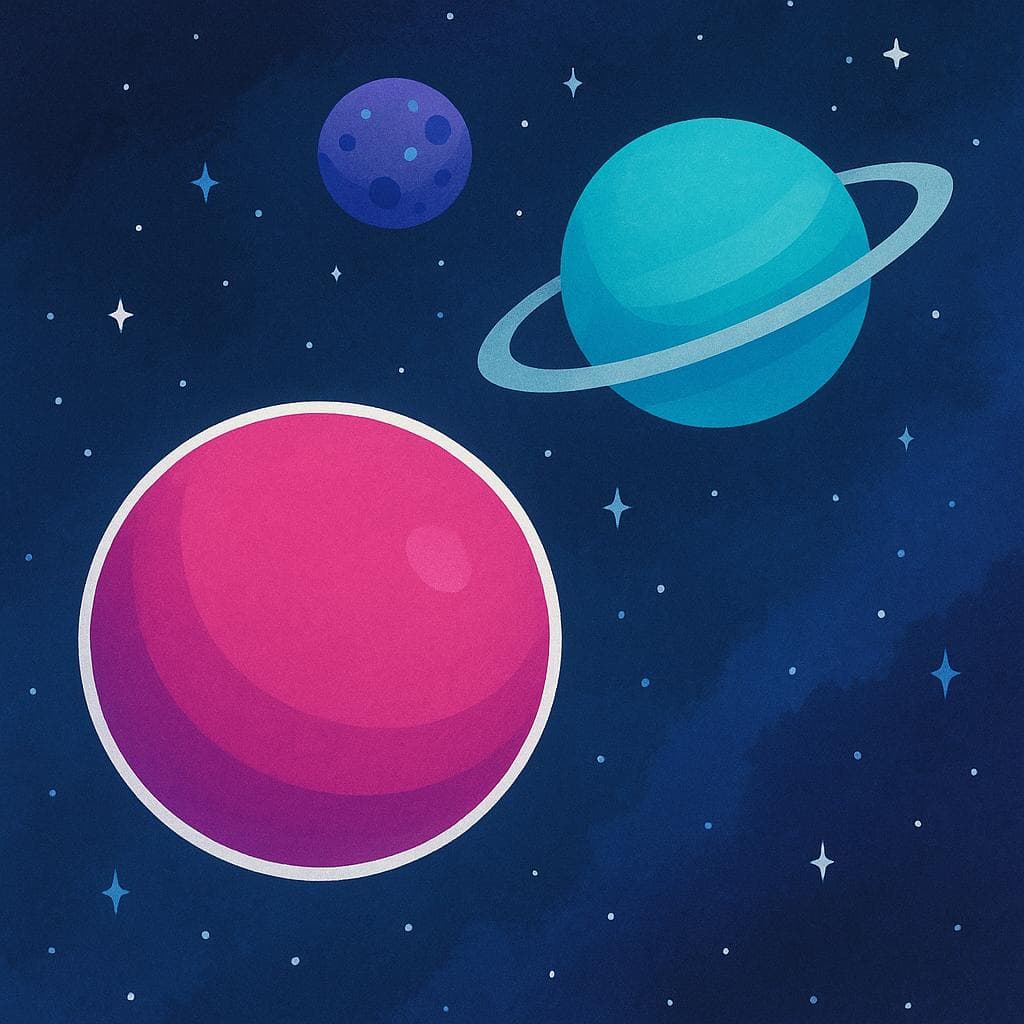
worlds
“Hay millones de mundos en el espacio.”

planet
“La Tierra es nuestro planeta.”

sun
“El sol brilla mucho hoy.”
A2 — Elementary (13 words)

atmosphere
“La capa de ozono protege la atmósfera de la Tierra.”
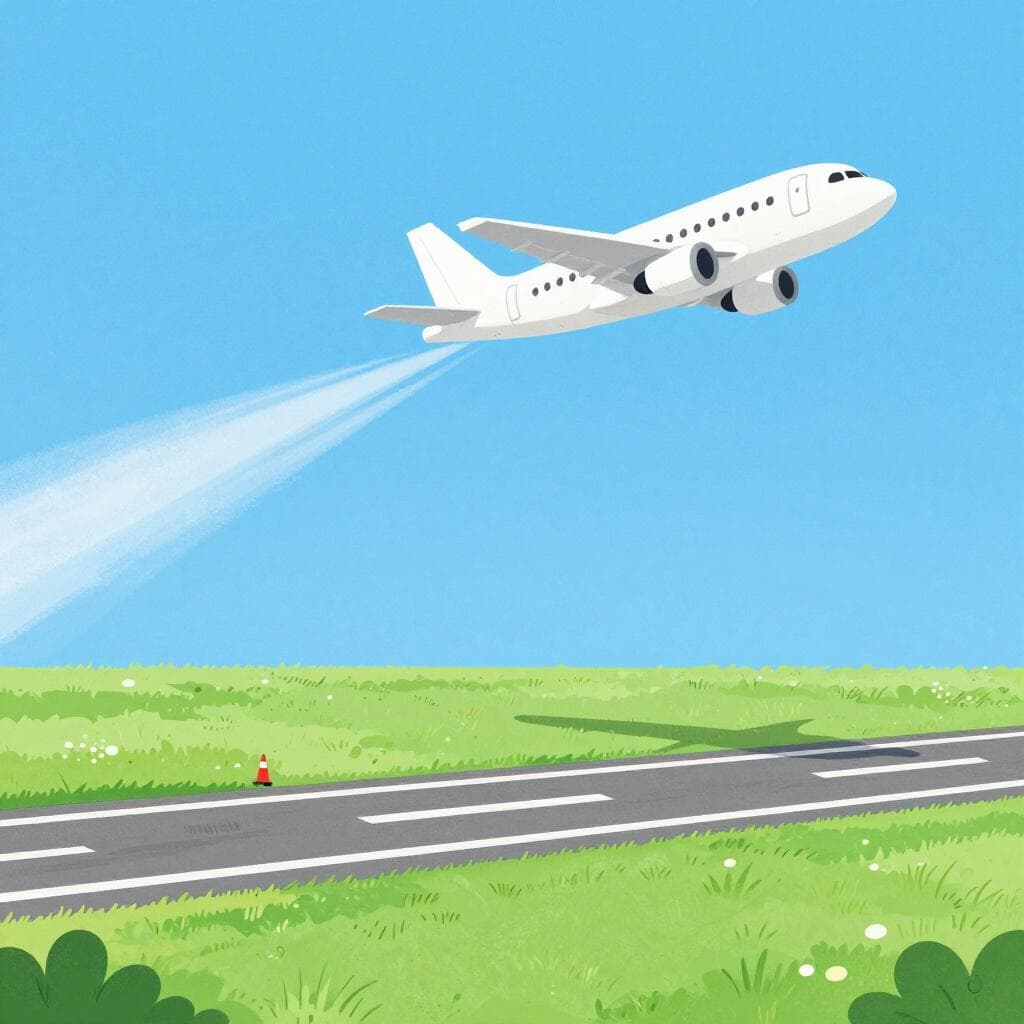
takeoff
“El avión está listo para el despegue.”

universe
“Dicen que el universo sigue expandiéndose cada día.”

alien
“El niño dijo que había visto un alienígena en el bosque.”

eclipse
“No debes mirar el eclipse solar directamente sin protección.”
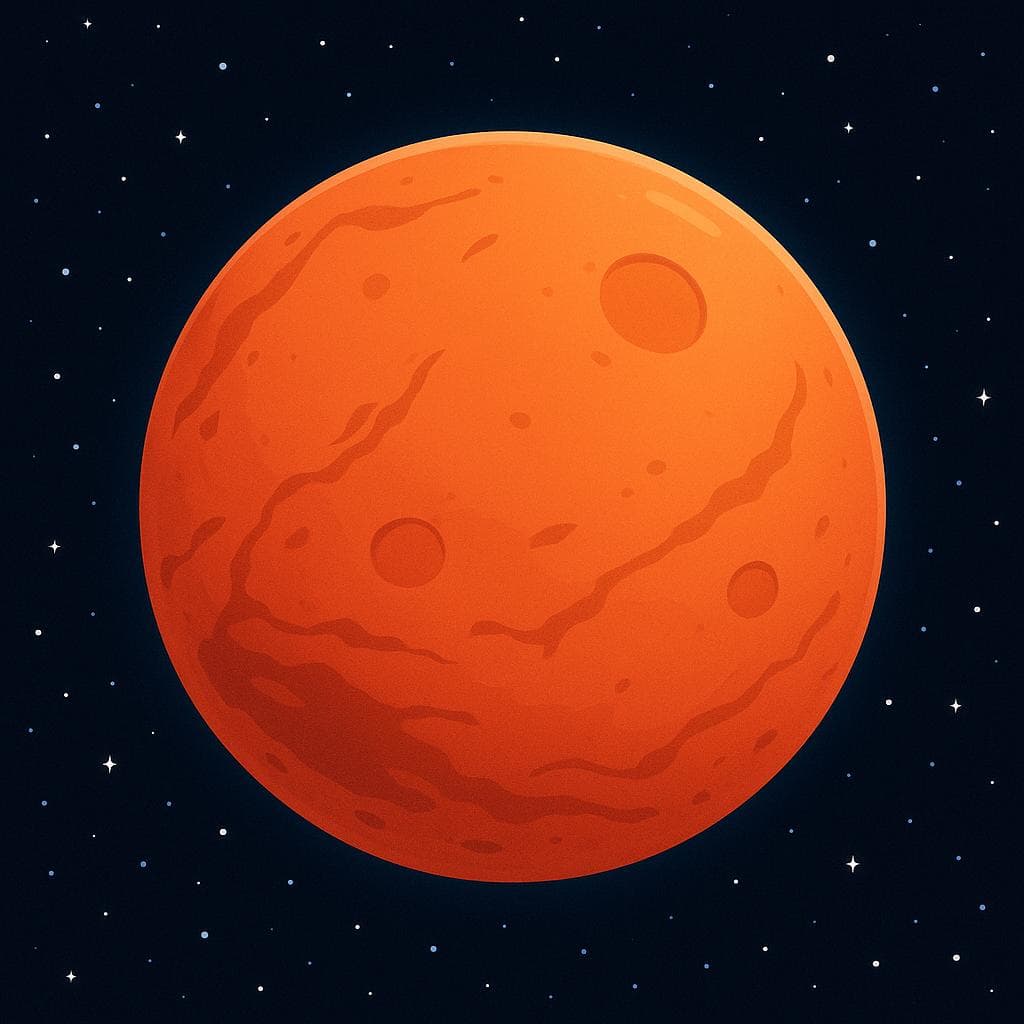
Mars
“Marte es el cuarto planeta del sistema solar.”
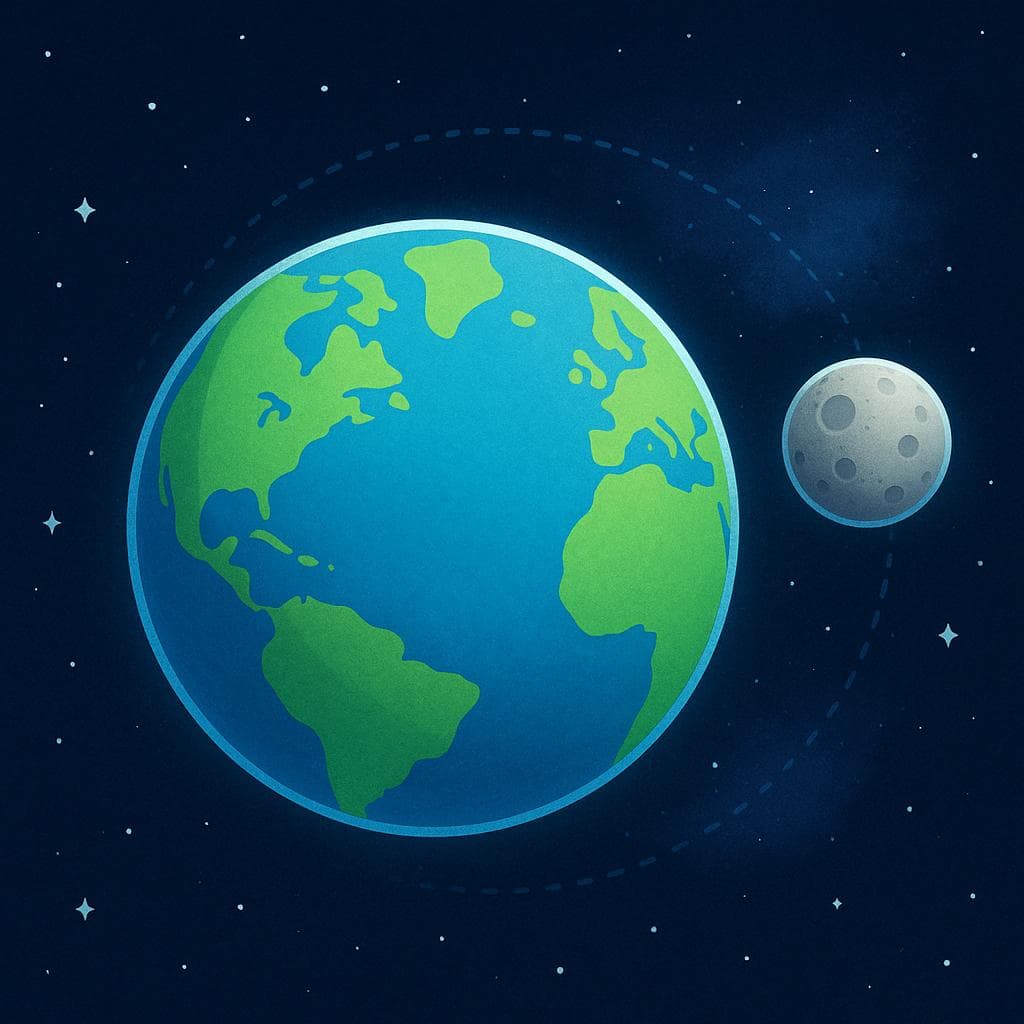
satellite
“La Luna es el satélite natural de la Tierra.”

alien
“Mi película favorita trata de un alien que se pierde en la Tierra.”
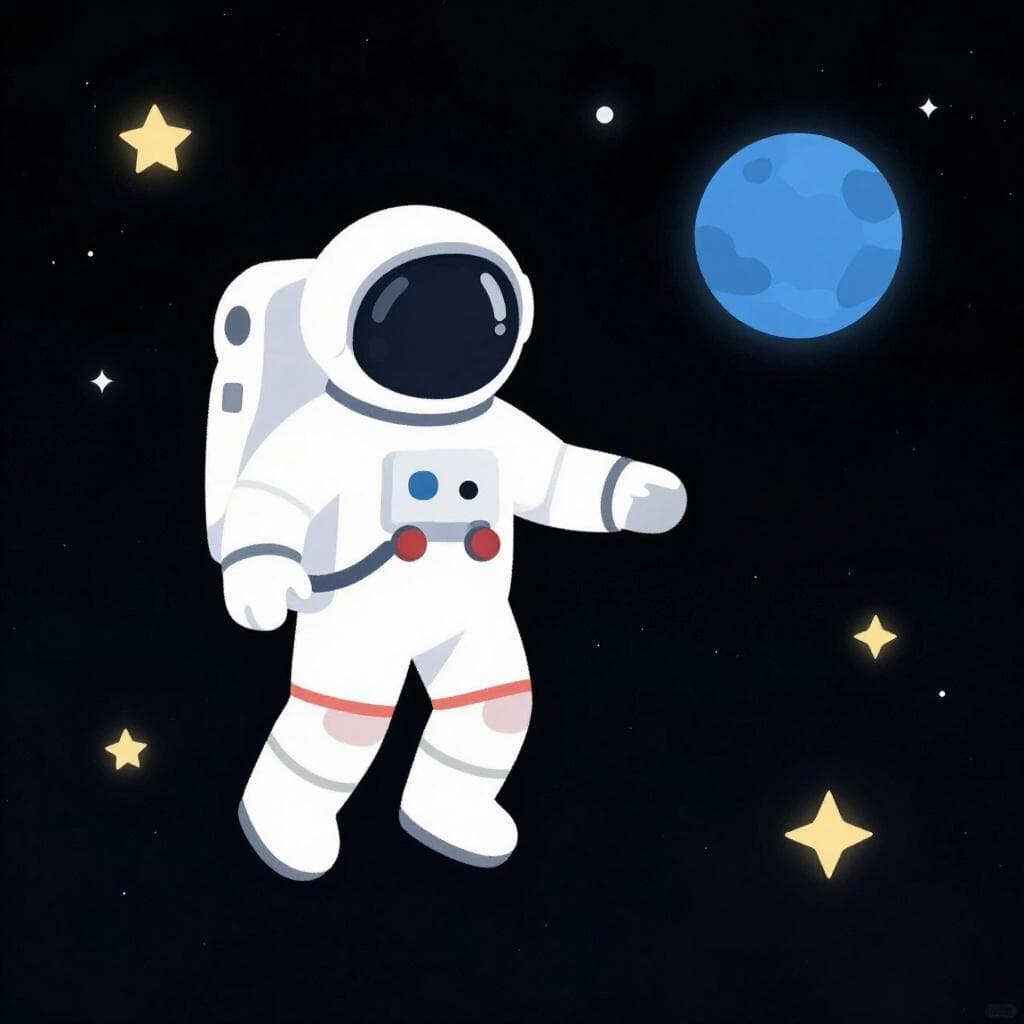
astronaut
“El astronauta salió de la nave espacial.”
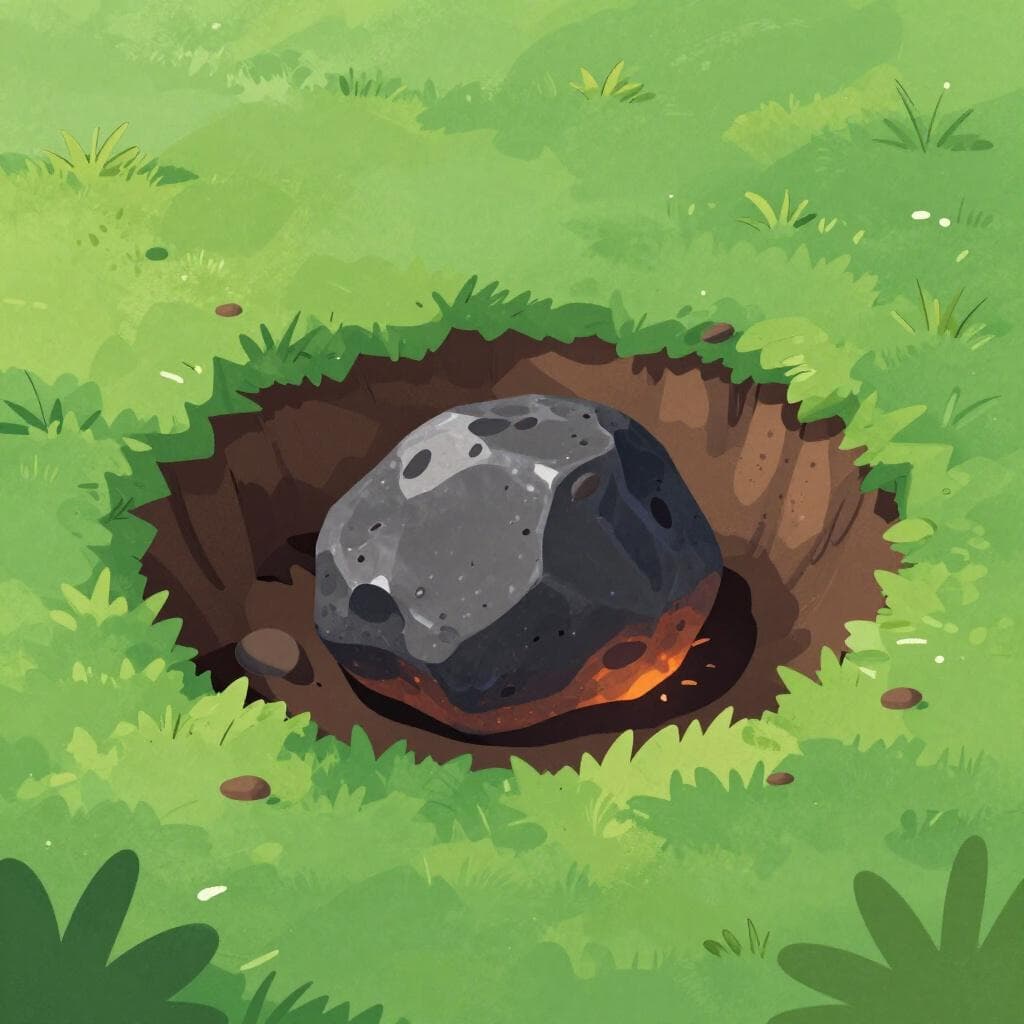
meteorite
“Vimos un meteorito en el museo de ciencias.”

planetarium
“Llevamos a los niños al planetario para ver las estrellas.”
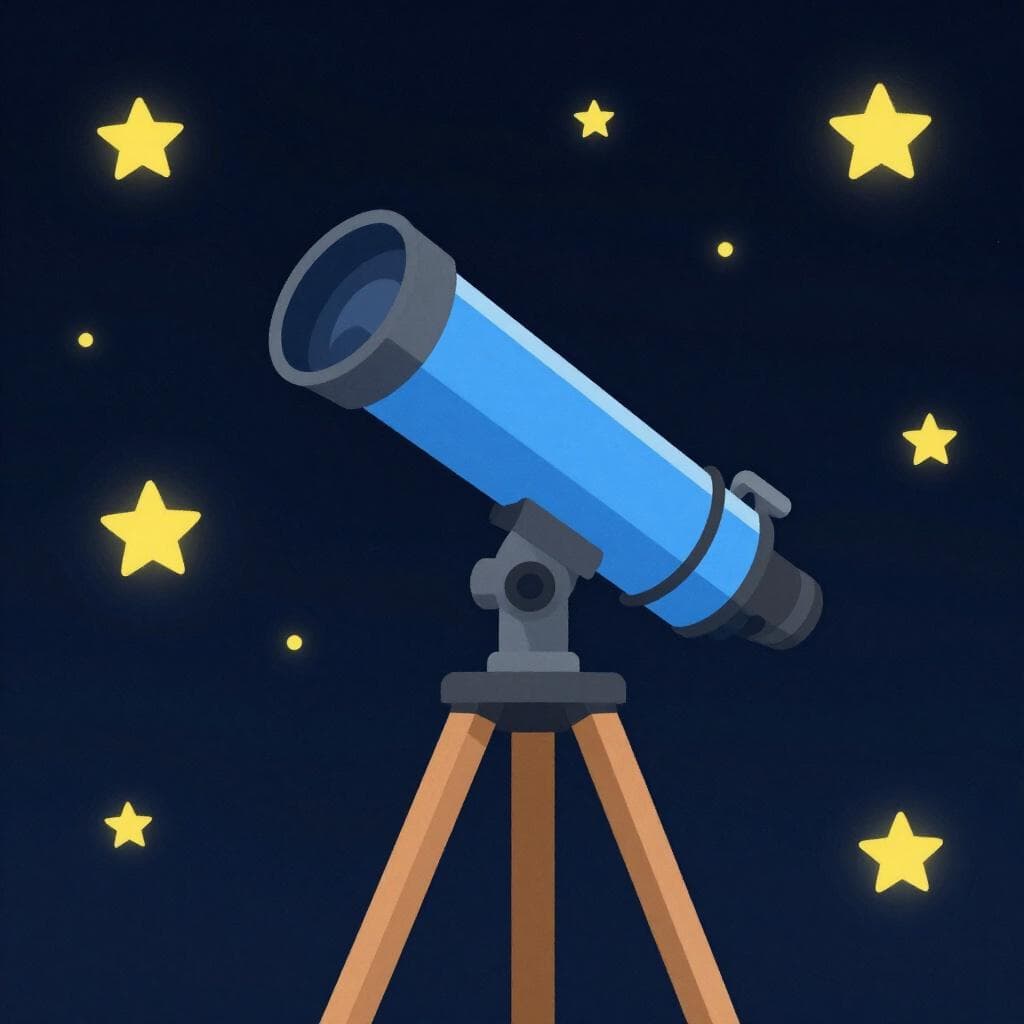
telescope
“Quiero comprar un telescopio para ver la Luna.”
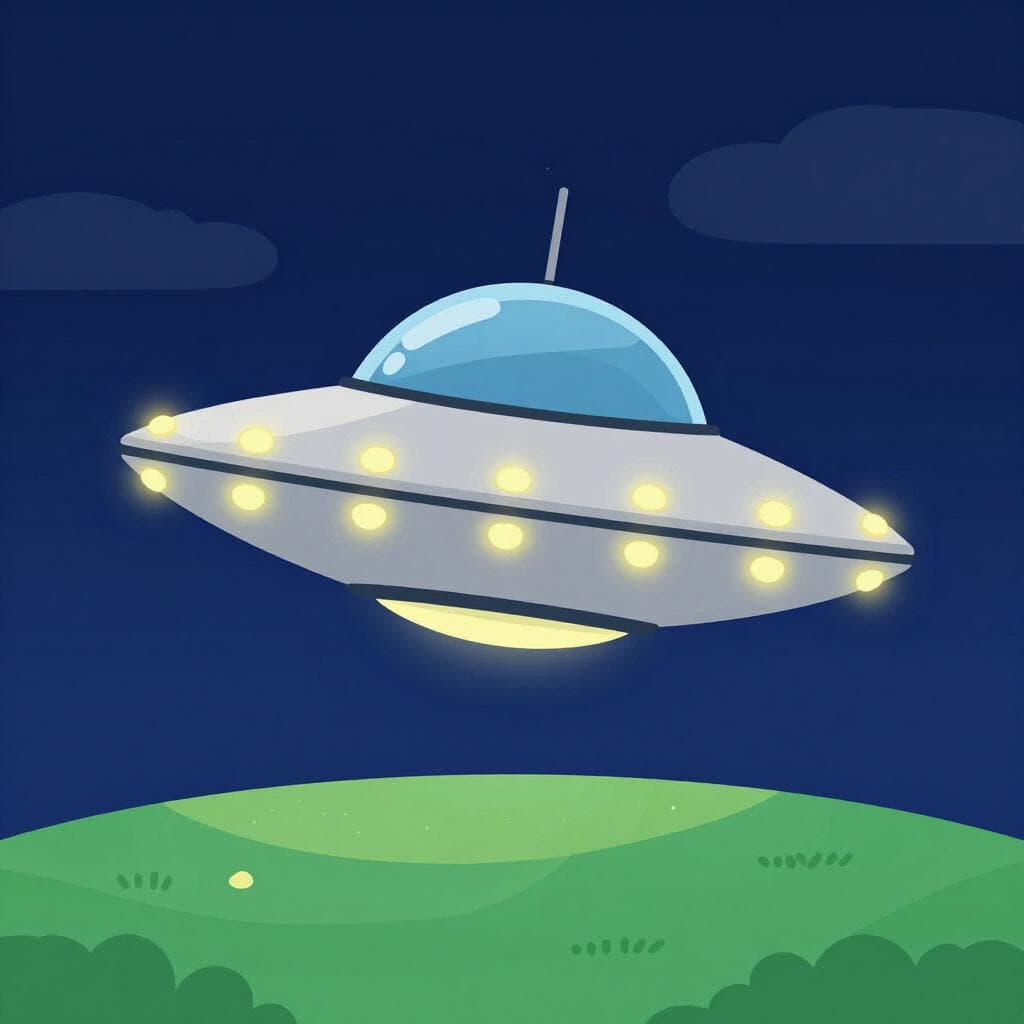
UFO
“Vi un ovni en el cielo anoche.”
B1 — Intermediate (16 words)

rocket
“El cohete tardó tres días en llegar a la órbita de Marte.”

starring
“Ella consiguió el papel estelar en la nueva película.”

galaxy
“Nuestra galaxia se llama la Vía Láctea.”

orbit
“El satélite artificial ha entrado en órbita y ahora da vueltas a la Tierra.”
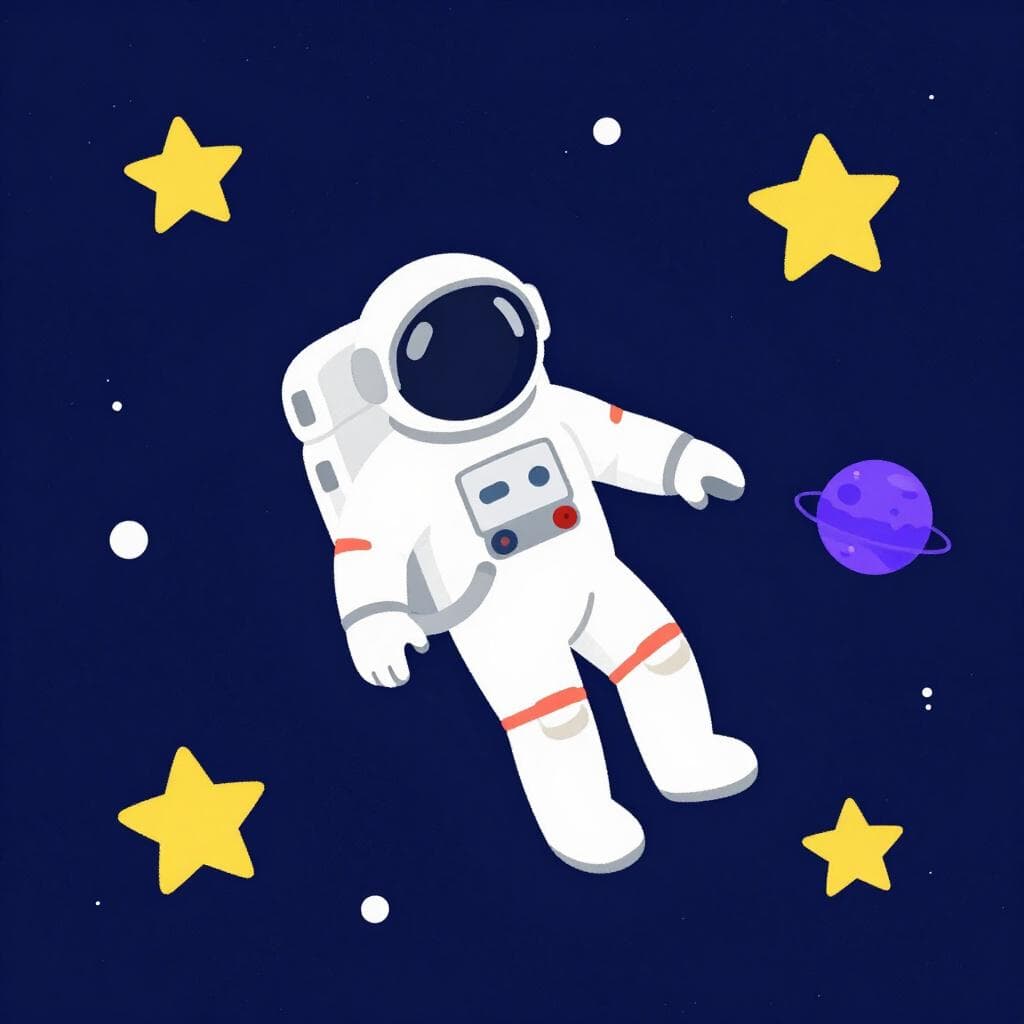
space-related
“La nave espacial despegó esta mañana.”

ship
“La nave espacial despegó hacia Marte.”
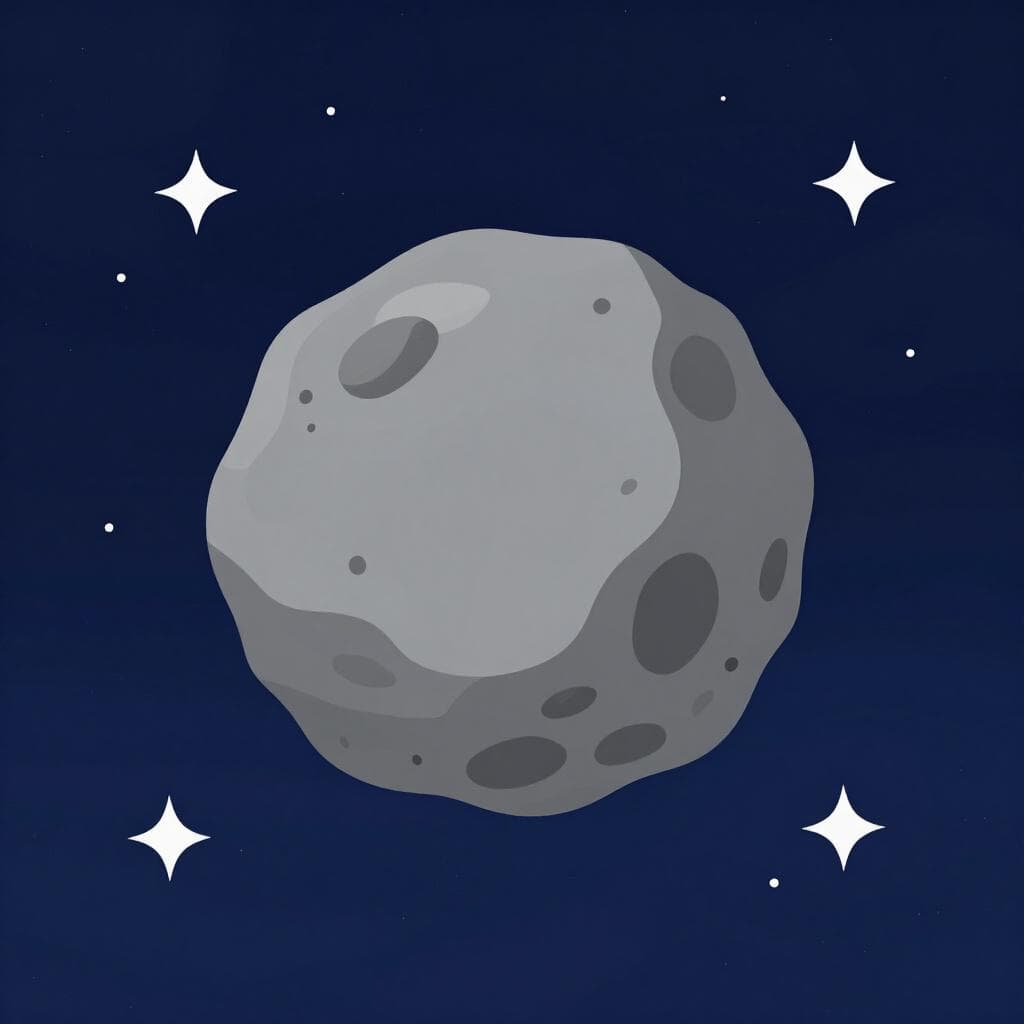
asteroid
“El asteroide pasó muy cerca de la Tierra.”
celestial body
“El Sol es el astro más importante para la vida en la Tierra.”
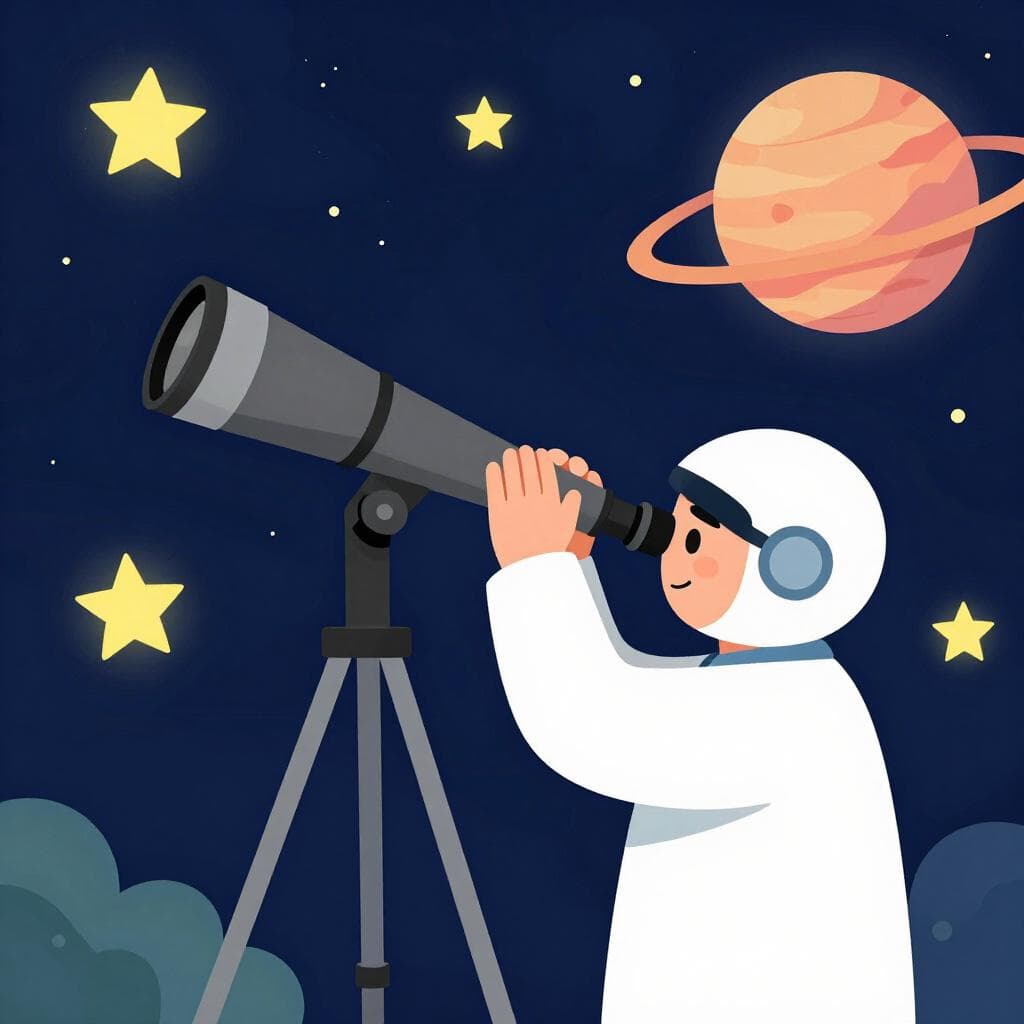
astronomer
“Mi hermano quiere ser astrónomo para descubrir nuevas galaxias.”

atmospheric
“La presión atmosférica está bajando rápidamente.”
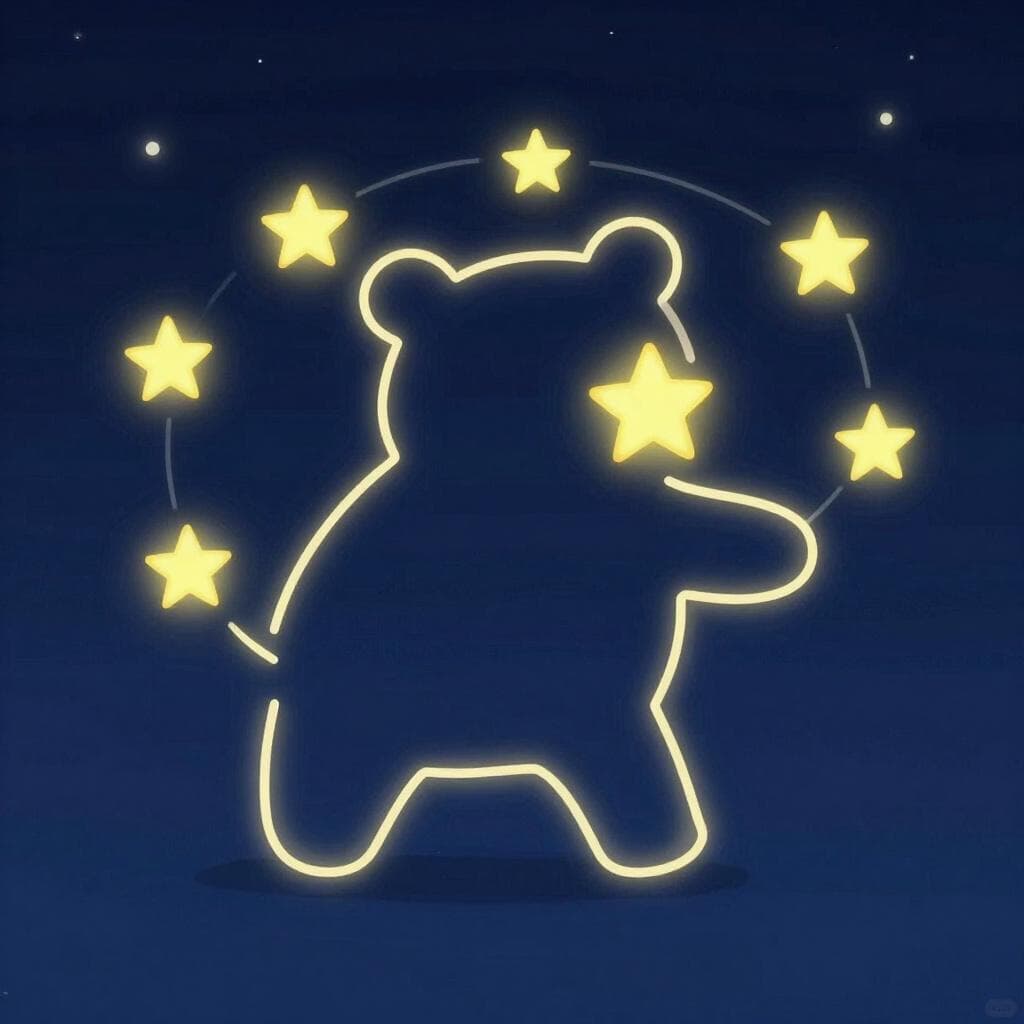
constellation
“La Osa Mayor es la constelación más conocida en el hemisferio norte.”
cosmic
“El telescopio captó una imagen de polvo cósmico.”
cosmos
“El cosmos es un lugar lleno de misterios por descubrir.”

crater
“El cráter del volcán está lleno de ceniza.”

alien
“Mi hermano dice que vio un extraterrestre cerca del bosque.”

ferry
“El transbordador cruza el río cada media hora.”
B2 — Upper Intermediate (1 words)

aliens
“Los niños creen que los extraterrestres vienen en platillos voladores.”
Grammar Tips
Gender of Celestial Nouns
Many nouns for celestial objects in Spanish have a specific gender. For example, 'el planeta' (planet) is masculine, while 'la estrella' (star) is feminine. Remember to match your articles ('el'/'la') and adjectives to the noun's gender.
Pluralizing Space Terms
Most plurals follow standard Spanish rules: add -s to words ending in a vowel and -es to words ending in a consonant. So, 'la estrella' becomes 'las estrellas', and 'el cometa' becomes 'los cometas'.
Adjectives Agree with Nouns
Just like with gender, adjectives describing space objects must agree in number and gender. For instance, 'una estrella lejana' (a distant star) uses the feminine form 'lejana', while 'un planeta lejano' (a distant planet) uses the masculine 'lejano'.
Common Mistakes
Incorrect Adjective Placement
Mistake: “El astronauta valiente viajó a la luna.”
Correction: El astronauta viajó a la luna valiente.
Wrong Article for Feminine Noun
Mistake: “Me gusta ver el estrellas por la noche.”
Correction: Me gusta ver las estrellas por la noche. ('Estrella' is feminine, so it requires 'las' in the plural.)
Misplaced Adjective for Planet
Mistake: “El rojo planeta es Marte.”
Correction: El planeta rojo es Marte. (In Spanish, descriptive adjectives like colors usually follow the noun.)
Cultural Notes
Moon's Gender
While 'moon' is 'la luna' (feminine) in Spanish, it's interesting that in English, we often refer to the Moon with a neutral or even masculine pronoun ('it', 'he' in poetic contexts). This highlights how different languages assign gender to natural phenomena.
Popular Astronomy in Spanish
Astronomy is a popular hobby in many Spanish-speaking countries. You'll find many amateur astronomy clubs and stargazing events, often referred to by terms like 'observación astronómica' or 'noche de estrellas'.