Spanish Numbers & Counting
Numbers are the backbone of communication, and knowing them in Spanish will unlock a world of practical applications. From stating your age and ordering food to discussing prices and dates, mastering Spanish numbers is essential for everyday life. Interestingly, Spanish uses both 'cien' and 'ciento' for one hundred, and its larger number system, while similar to English, has some unique naming conventions you'll want to get acquainted with.
Quick Reference
| Spanish | English | Example | Level |
|---|---|---|---|
catorce | fourteen | Hay catorce estudiantes en mi clase. | A1 |
cero | zero | El resultado de la resta es cero. | A1 |
cien | one hundred | Necesitamos cien sillas para el evento. | A1 |
ciento | one hundred | Tengo ciento cincuenta dólares en mi cuenta. | A1 |
cifra | digit | El código de seguridad tiene cuatro cifras. | A2 |
cinco | five | Tengo cinco hermanos. | A1 |
cincuenta | fifty | Necesito cincuenta minutos para terminar este trabajo. | A1 |
cuarenta | forty | Mi abuela tiene cuarenta y dos años de experiencia. | A1 |
cuarto | room | Mi cuarto está al final del pasillo. | A1 |
cuatro | four | Tengo cuatro hermanos. | A1 |
décimo | tenth | Vivo en el décimo piso de este edificio. | A1 |
dieciocho | eighteen | Tengo dieciocho años y mañana empiezo la universidad. | A1 |
A1 — Beginner (48 words)
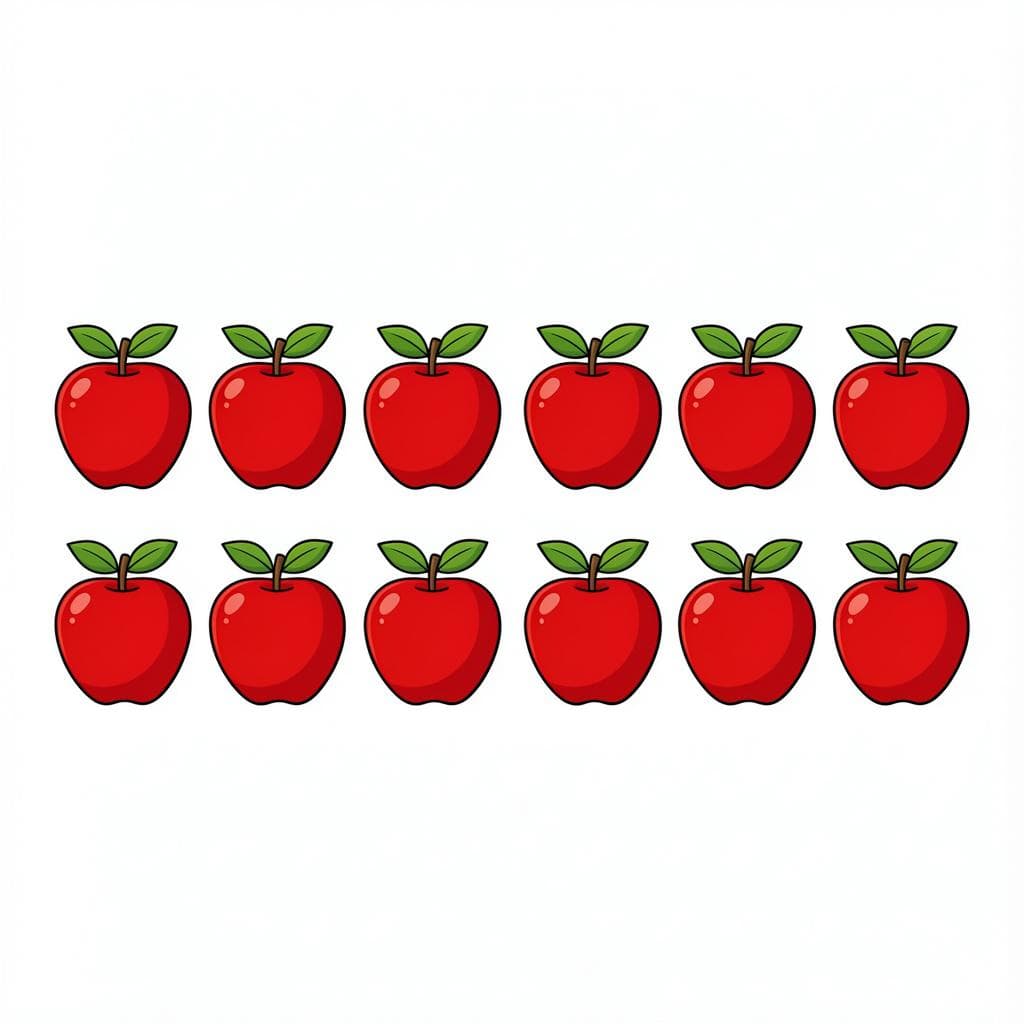
fourteen
“Hay catorce estudiantes en mi clase.”

zero
“El resultado de la resta es cero.”

one hundred
“Necesitamos cien sillas para el evento.”

one hundred
“Tengo ciento cincuenta dólares en mi cuenta.”
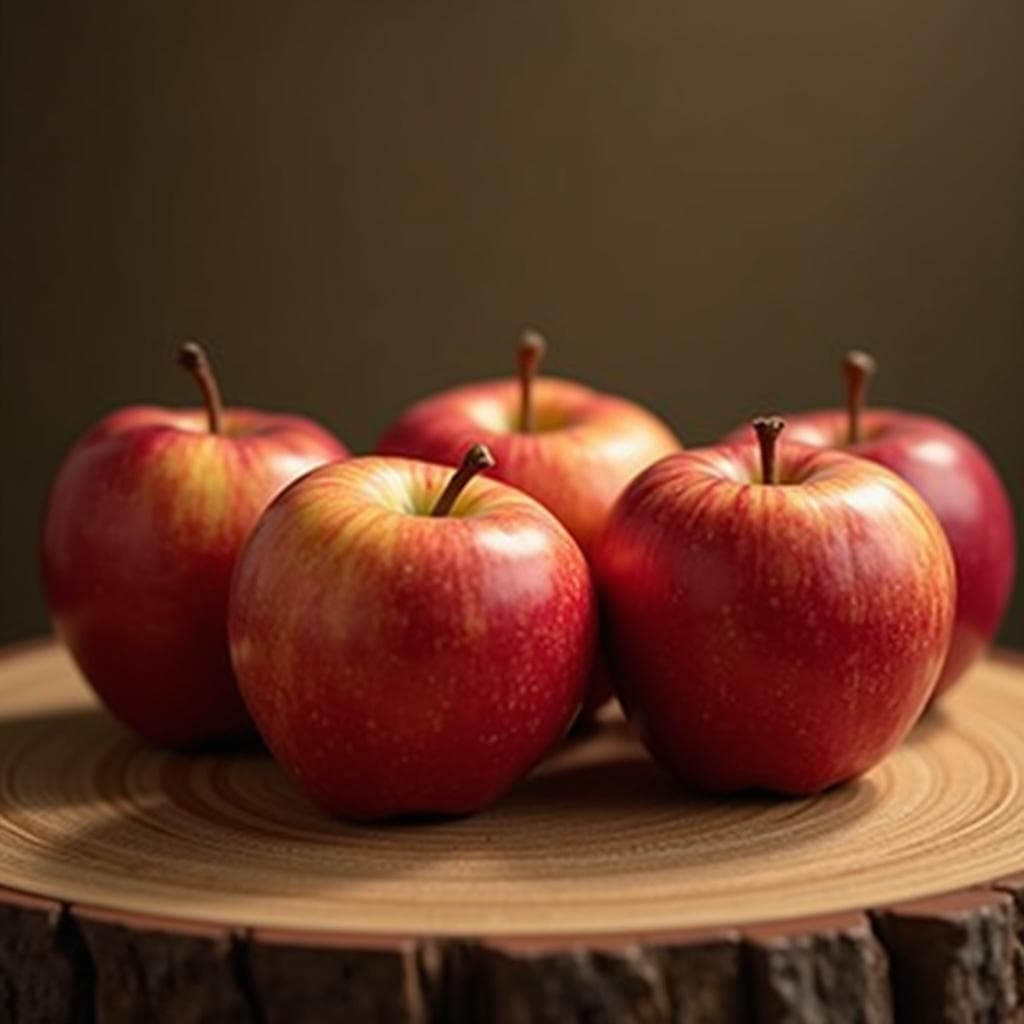
five
“Tengo cinco hermanos.”

fifty
“Necesito cincuenta minutos para terminar este trabajo.”

forty
“Mi abuela tiene cuarenta y dos años de experiencia.”

room
“Mi cuarto está al final del pasillo.”

four
“Tengo cuatro hermanos.”
tenth
“Vivo en el décimo piso de este edificio.”

eighteen
“Tengo dieciocho años y mañana empiezo la universidad.”
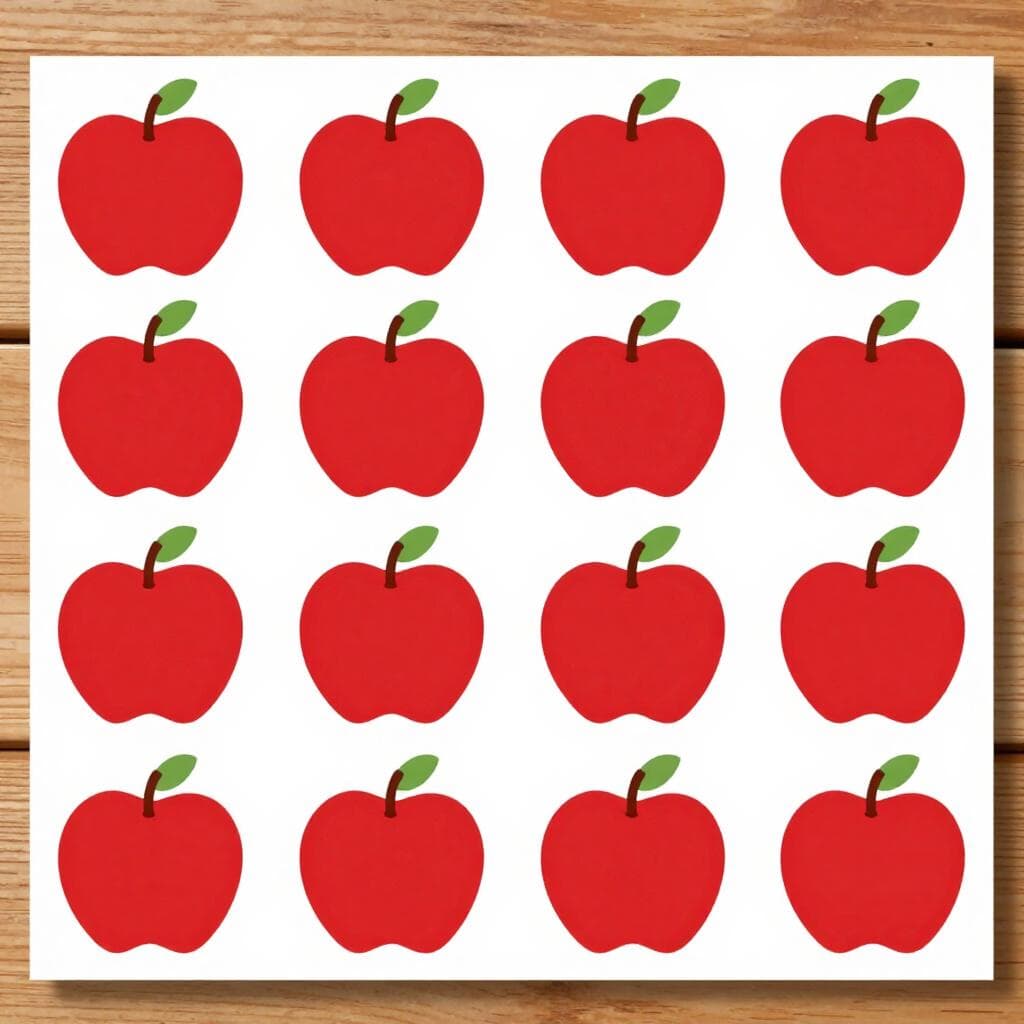
sixteen
“Tengo dieciséis años.”

seventeen
“Tengo diecisiete euros en mi cartera.”

ten
“Tengo diez años.”

twelve
“Necesito doce huevos para hacer la tortilla.”
two
“Tengo dos gatos.”

two hundred
“El libro tiene exactamente doscientos capítulos.”

thousand
“Este teléfono cuesta mil euros.”

ninety
“Mi abuela tiene noventa años y tiene mucha energía.”

nine
“Necesito nueve huevos para hacer el pastel.”
number
“Mi número de teléfono es fácil de recordar.”

eighty
“Mi abuelo tiene ochenta años.”
eight
“Tengo ocho años.”
eighth
“Esta es la octava maravilla del mundo.”

eleven
“Mi hermana cumple once años mañana.”

first
“Hoy es mi primer día de clases.”

first
“Es mi primer día en la oficina.”

fifteen
“Mi hermana tiene quince años y va al instituto.”

five hundred
“Este libro tiene quinientas páginas.”

fifth
“Mi cumpleaños es el quinto día del mes.”

second
“Vivo en el segundo piso.”

six
“Tengo seis años.”

sixty
“Hay sesenta minutos en una hora.”

seventy
“Mi abuelo tiene setenta años.”
sixth
“Esta es la sexta vez que visitamos este museo.”
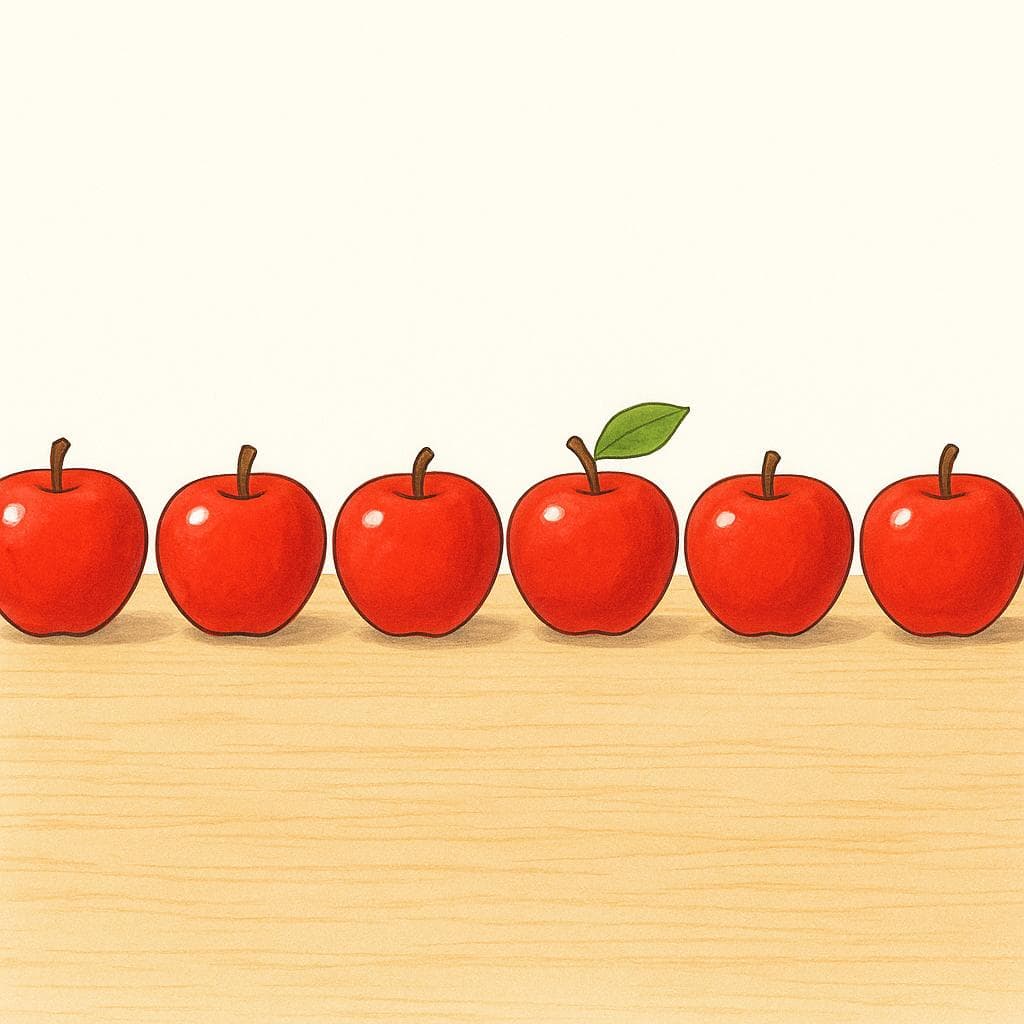
seven
“La semana tiene siete días.”
third
“Este es el tercer libro que leo este mes.”

third
“Este es el tercer libro que leo esta semana.”
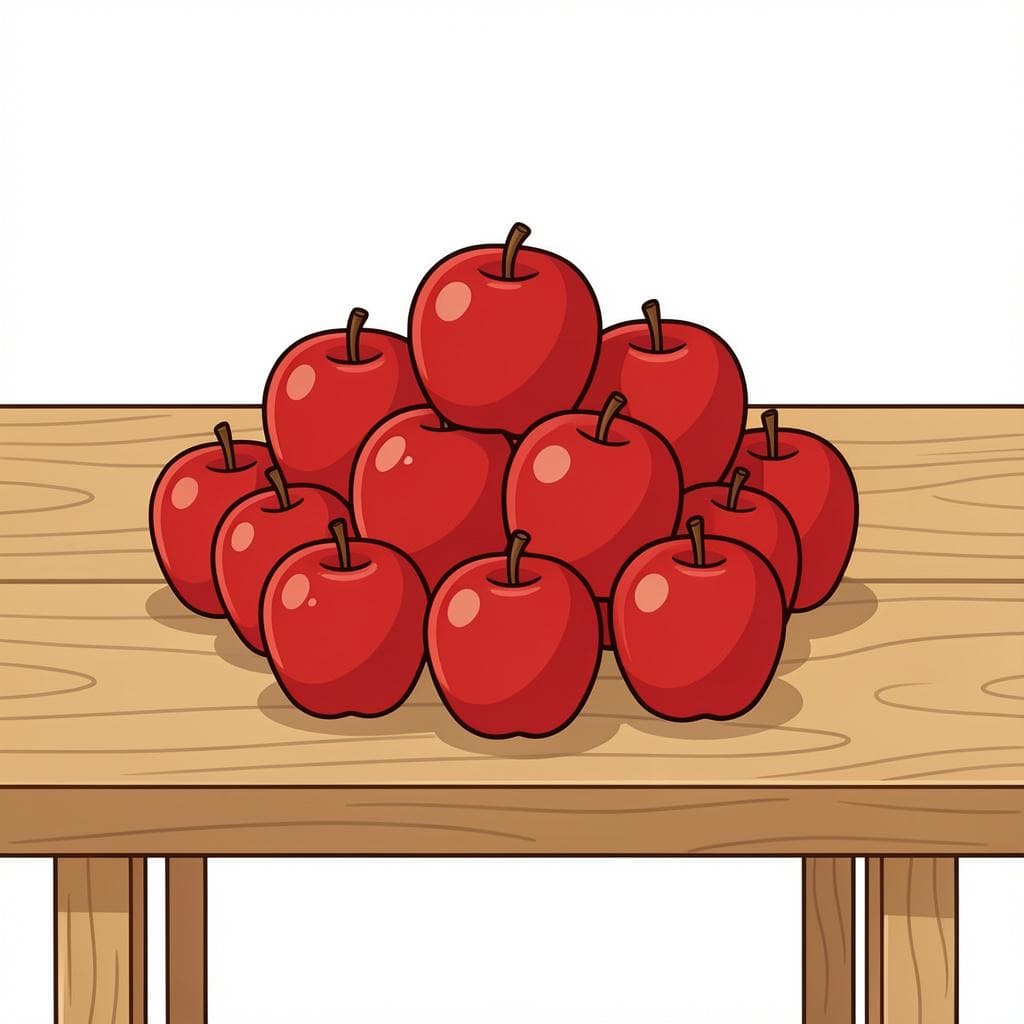
thirteen
“Tengo trece carpetas en mi mochila.”
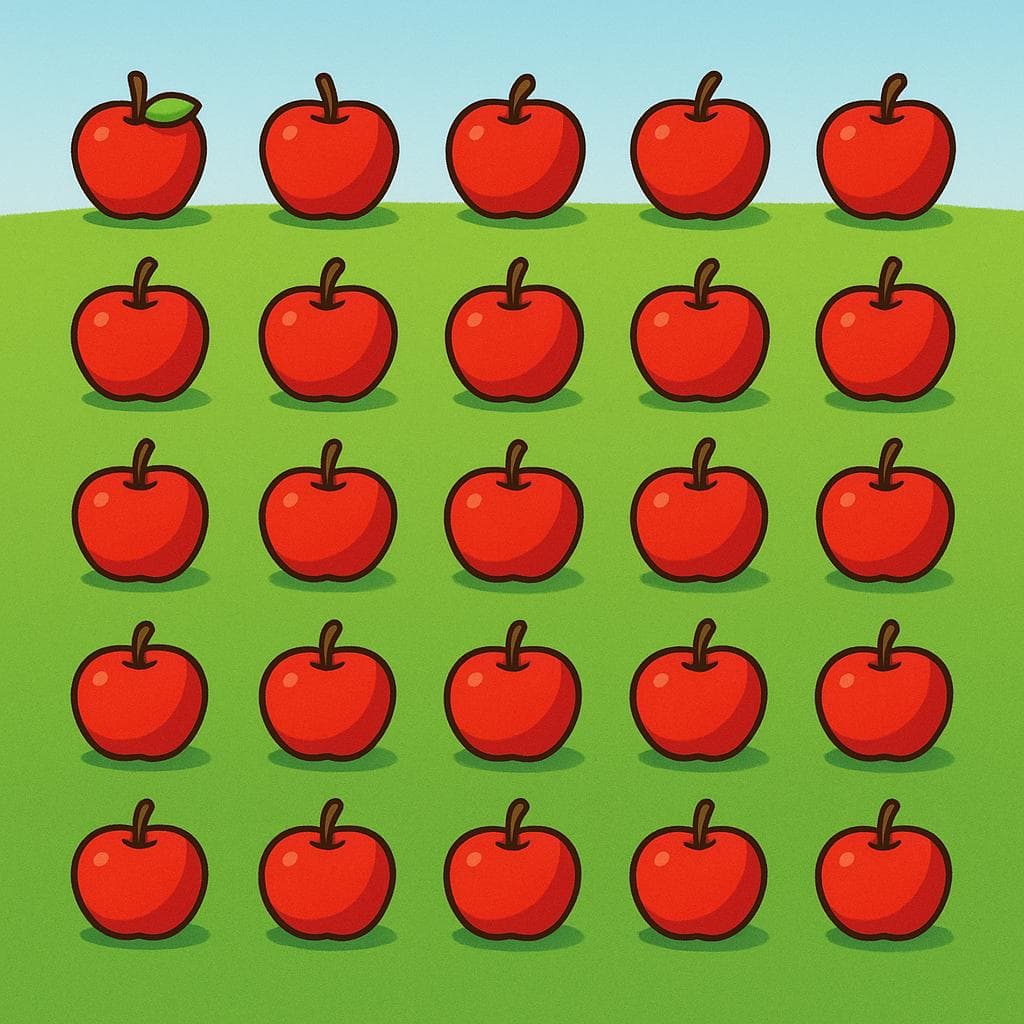
thirty
“Mi abuelo tiene treinta años.”
three
“Tengo tres hermanos.”

three hundred
“Hay trescientos estudiantes en mi escuela.”

a
“Tengo un perro.”

a
“Tengo una pregunta.”
one
“¿Cuántos años tienes? — Tengo uno.”
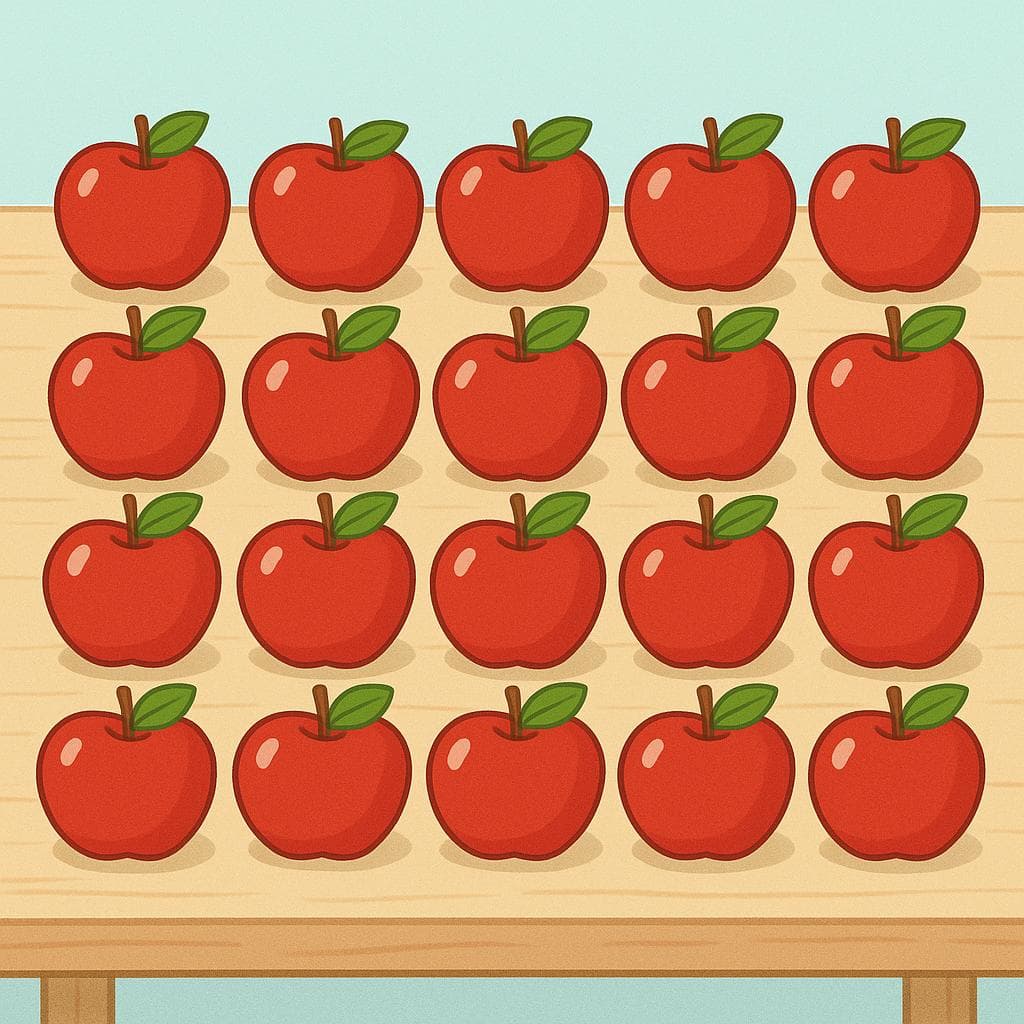
twenty
“Solo quedan veinte minutos para que empiece la película.”

twenty-five
“Mi hermano tiene veinticinco años.”

twenty-four
“Mi hermano tiene veinticuatro años.”
A2 — Elementary (6 words)
digit
“El código de seguridad tiene cuatro cifras.”

million (1,000,000)
“Barcelona tiene más de un millón de habitantes.”
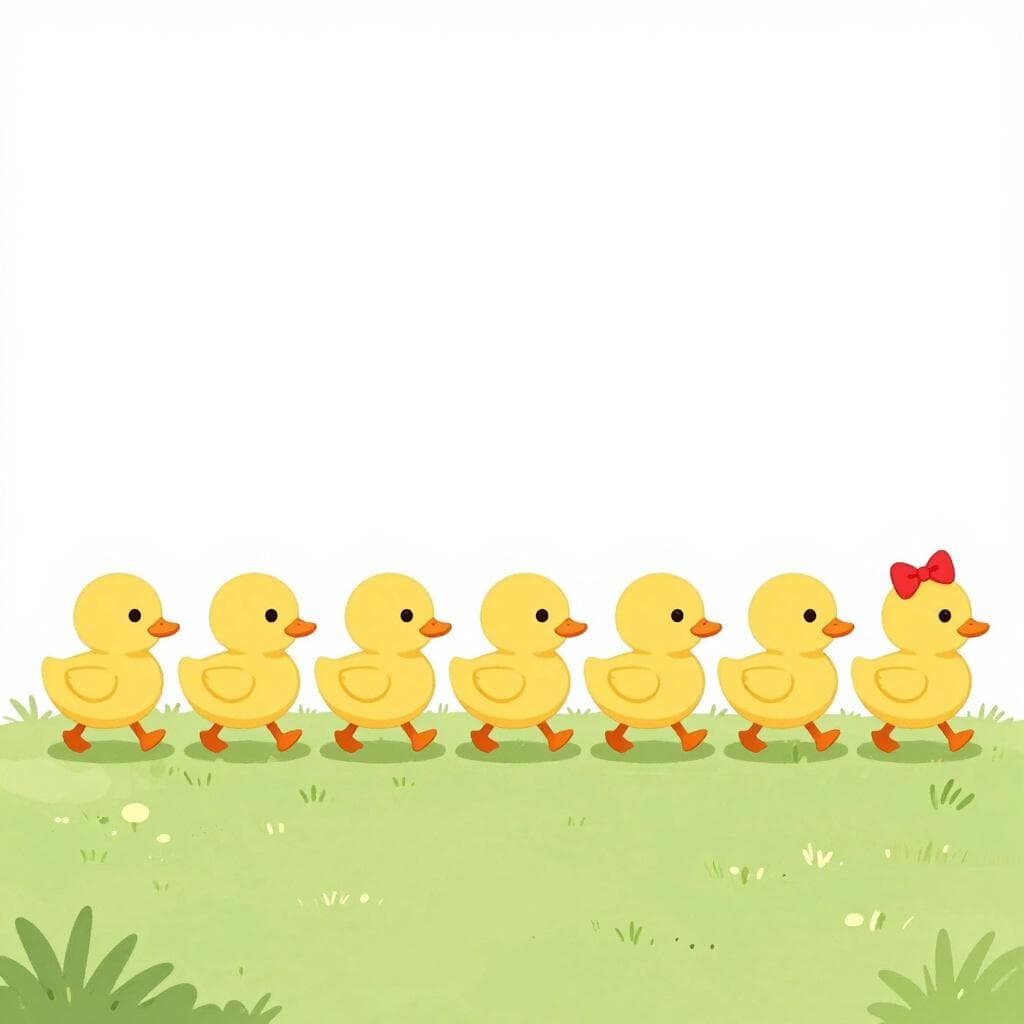
ninth
“Ella vive en la novena planta del edificio.”

triple
“Necesitamos el triple de ingredientes para hacer la tarta grande.”
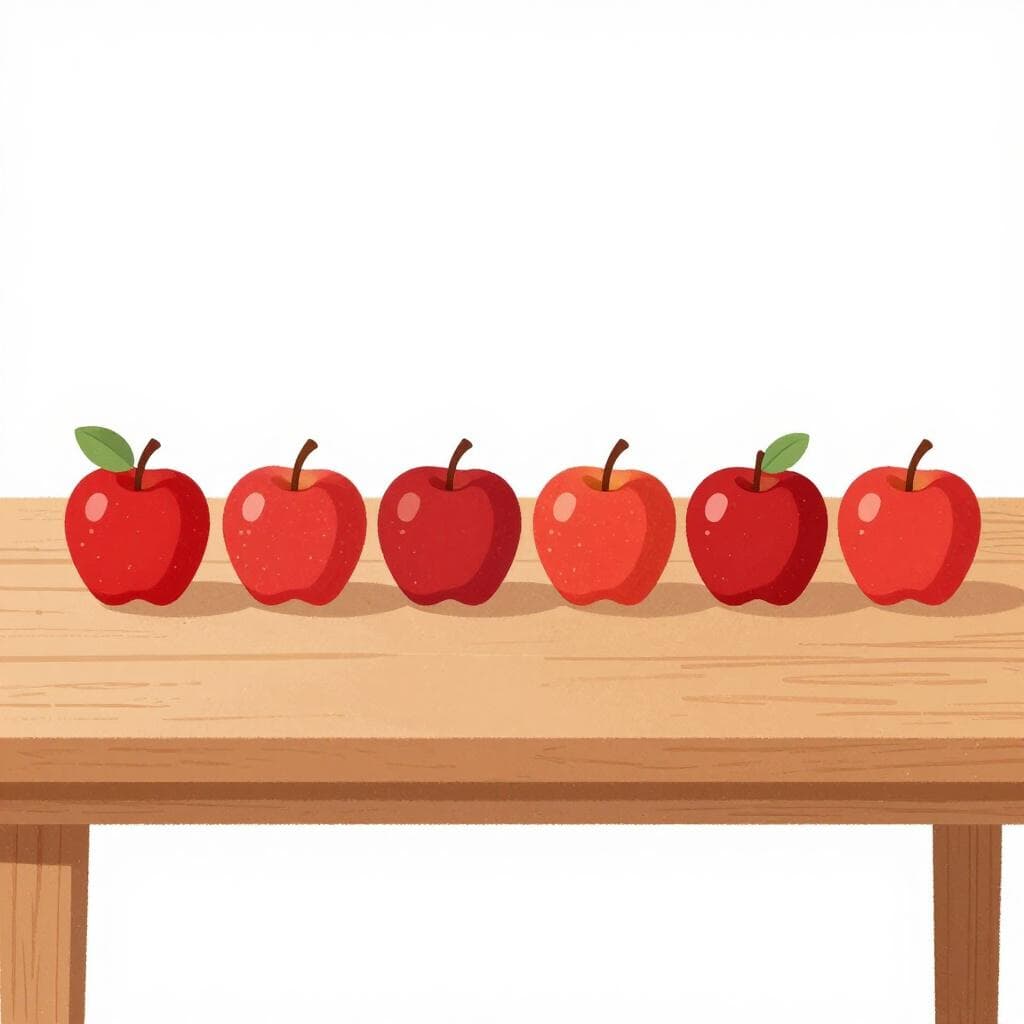
ten
“Compré una decena de huevos para el pastel.”
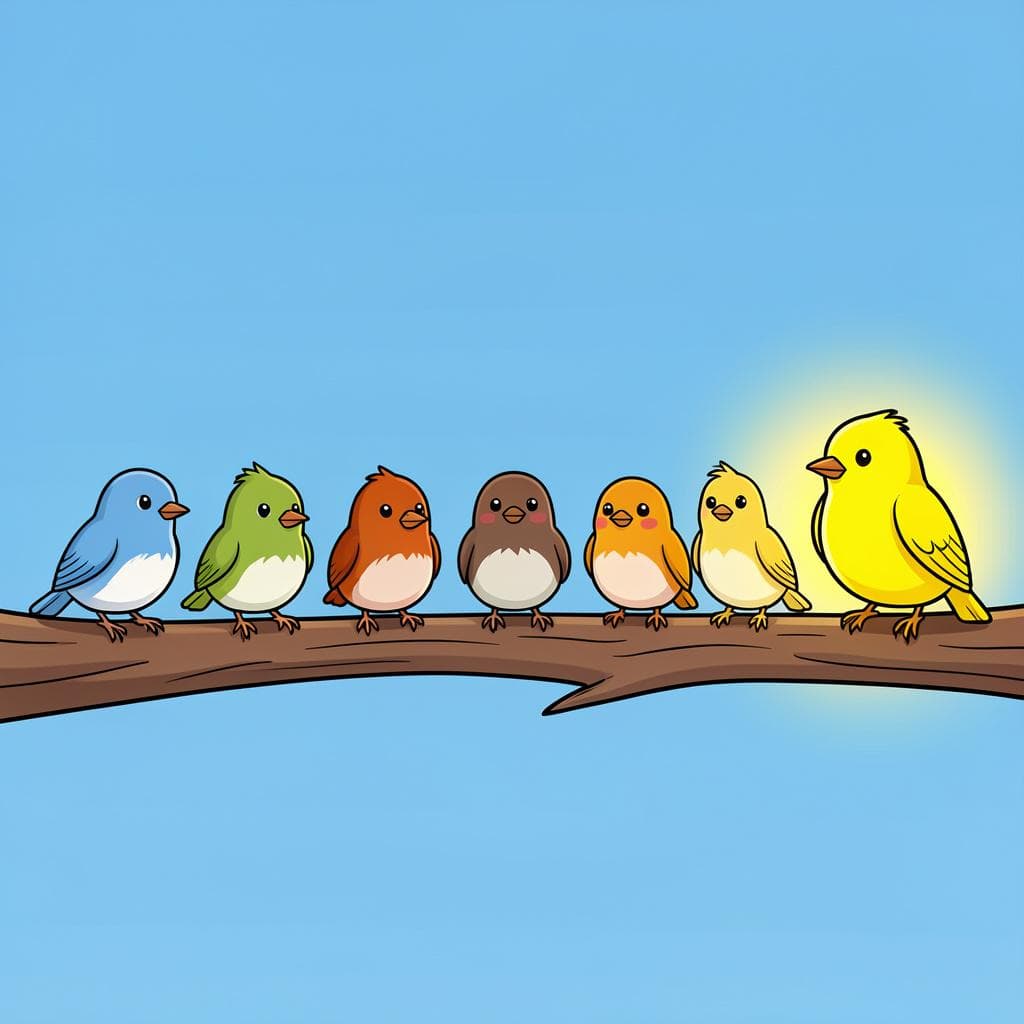
seventh
“Mi oficina está en el séptimo piso.”
B1 — Intermediate (2 words)

thousand
“Compramos un millar de hojas de papel para la oficina.”

odd
“El número cinco es un número non.”
B2 — Upper Intermediate (1 words)

trillion
“La deuda externa del país alcanzó un billón de dólares.”
Grammar Tips
Cardinal vs. Ordinal Numbers
Spanish distinguishes between cardinal numbers (counting: uno, dos, tres) and ordinal numbers (order: primero, segundo, tercero). Ordinal numbers often agree in gender and number with the noun they modify, like 'la primera vez' (the first time).
The 'Uno' Rule
The cardinal number 'uno' (one) shortens to 'un' when it comes *before* a masculine noun ('un libro') and 'una' when it comes before a feminine noun ('una mesa'). This is similar to 'a'/'an' in English.
Hundreds and Thousands
When forming numbers in the hundreds (e.g., 101-199), you use 'ciento uno', 'ciento dos', etc. However, when forming larger numbers, 'cien' is used for exactly 100 ('cien perros'), while 'ciento' is part of compound numbers like 'doscientos' (two hundred).
Common Mistakes
Incorrect Gender Agreement
Mistake: “Compré un libro y una pluma. El libro es bueno y la pluma es bueno.”
Correction: Compré un libro y una pluma. El libro es bueno y la pluma es buena. — The adjective 'bueno' must agree in gender with the noun it describes. 'Libro' is masculine, so 'bueno' is correct. 'Pluma' is feminine, so it should be 'buena'.
Misplaced Cardinal Number
Mistake: “Yo tengo uno perros.”
Correction: Yo tengo un perro. — The cardinal number 'uno' becomes 'un' before a masculine noun. Also, if you have more than one, it should be plural: 'Yo tengo dos perros'.
Confusing 'Cien' and 'Ciento'
Mistake: “Necesito cien cajas para el envío.”
Correction: Necesito ciento una cajas para el envío. — 'Cien' is used for exactly 100. For numbers above 100, you use 'ciento'. So, 101 is 'ciento uno'.
Cultural Notes
Decimal and Thousand Separators
Be aware that in many Spanish-speaking countries, a comma is used as the decimal separator and a period for thousands, the opposite of English usage. So, 1,23 is one point twenty-three, and 1.234.567 is one million, two hundred thirty-four thousand, five hundred sixty-seven.
Age and Milestones
In some Latin American countries, like Mexico, there's a tradition called 'Quinceañera' celebrating a girl's fifteenth birthday, a significant rite of passage often marked with a large party and religious ceremony.