Soccer/Football in Spanish
¡Hola! Get ready to talk about the beautiful game, 'fútbol', in Spanish. This collection covers essential terms like scoring a 'gol' or identifying the 'arquero'. Knowing this vocabulary will let you chat about matches with friends or understand passionate discussions, especially since 'fútbol' is incredibly popular across the Spanish-speaking world.
Quick Reference
| Spanish | English | Example | Level |
|---|---|---|---|
arquero | goalkeeper | El arquero hizo una atajada increíble en el último minuto. | A2 |
estadio | stadium | El estadio estaba lleno para la final de la Copa. | A1 |
fútbol | soccer | ¿Vamos a ver el partido de fútbol esta noche? | A1 |
futbolista | soccer player | Lionel Messi es un futbolista muy famoso. | A1 |
gol | goal | ¡Qué gran gol de Messi! | A1 |
patada | kick | El jugador le dio una patada al balón. | A2 |
patear | to kick | El niño pateó la pelota al jardín. | A2 |
portero | goalkeeper | El portero atajó el penalti en el último minuto. | A1 |
A1 — Beginner (5 words)

stadium
“El estadio estaba lleno para la final de la Copa.”

soccer
“¿Vamos a ver el partido de fútbol esta noche?”
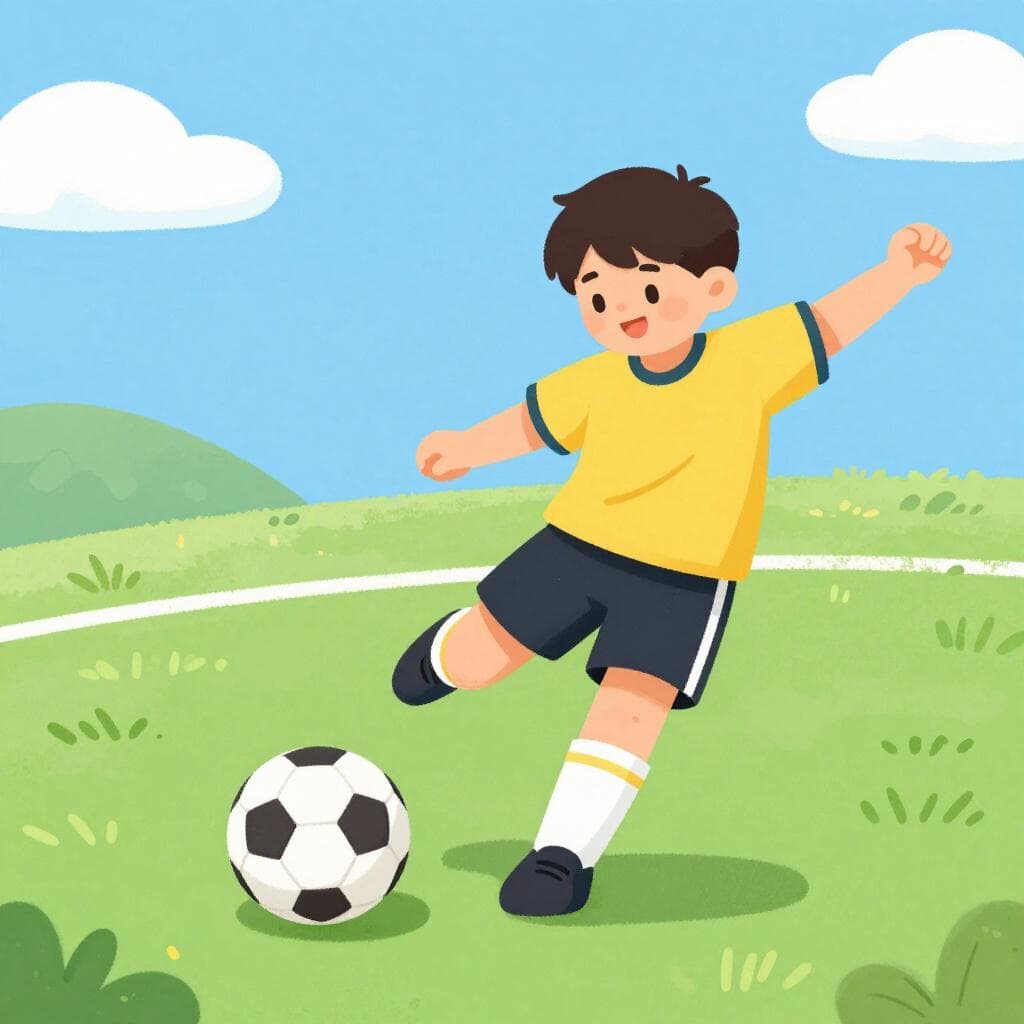
soccer player
“Lionel Messi es un futbolista muy famoso.”

goal
“¡Qué gran gol de Messi!”
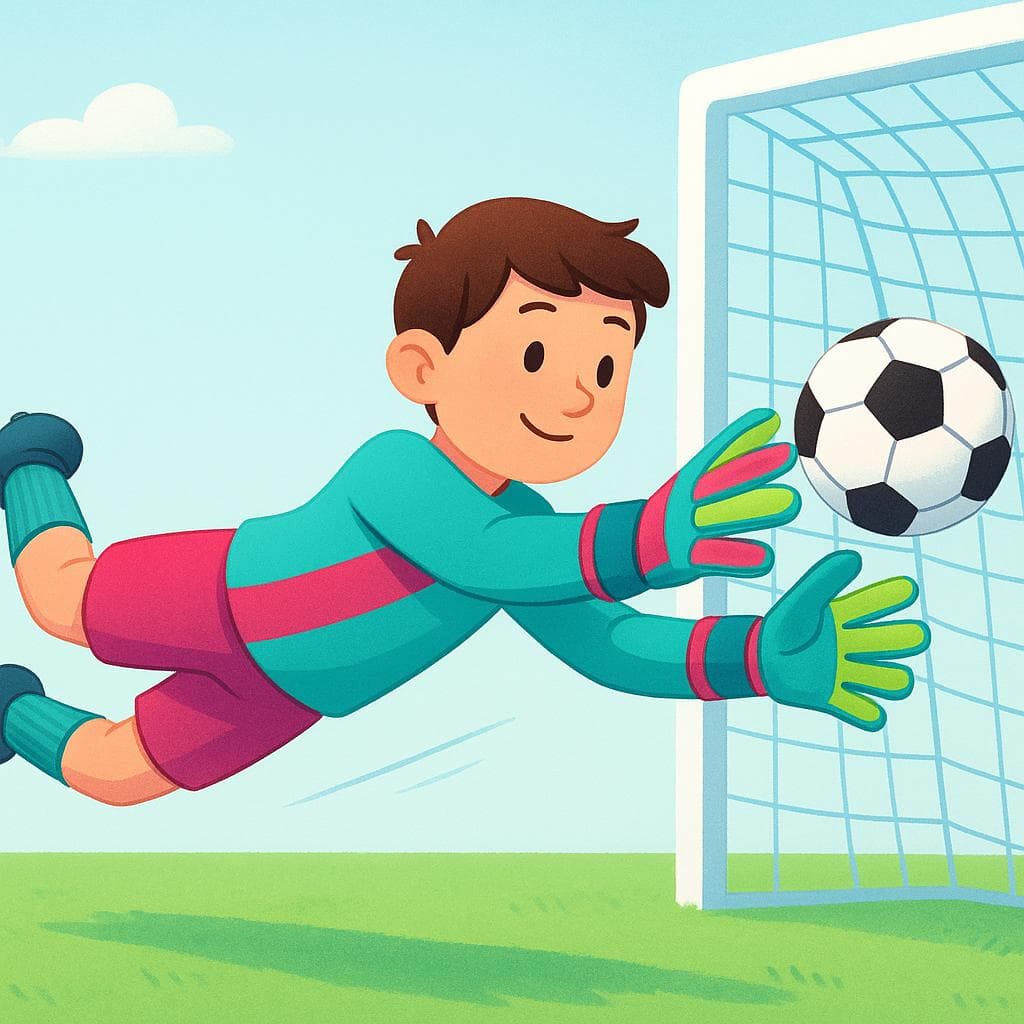
goalkeeper
“El portero atajó el penalti en el último minuto.”
A2 — Elementary (3 words)
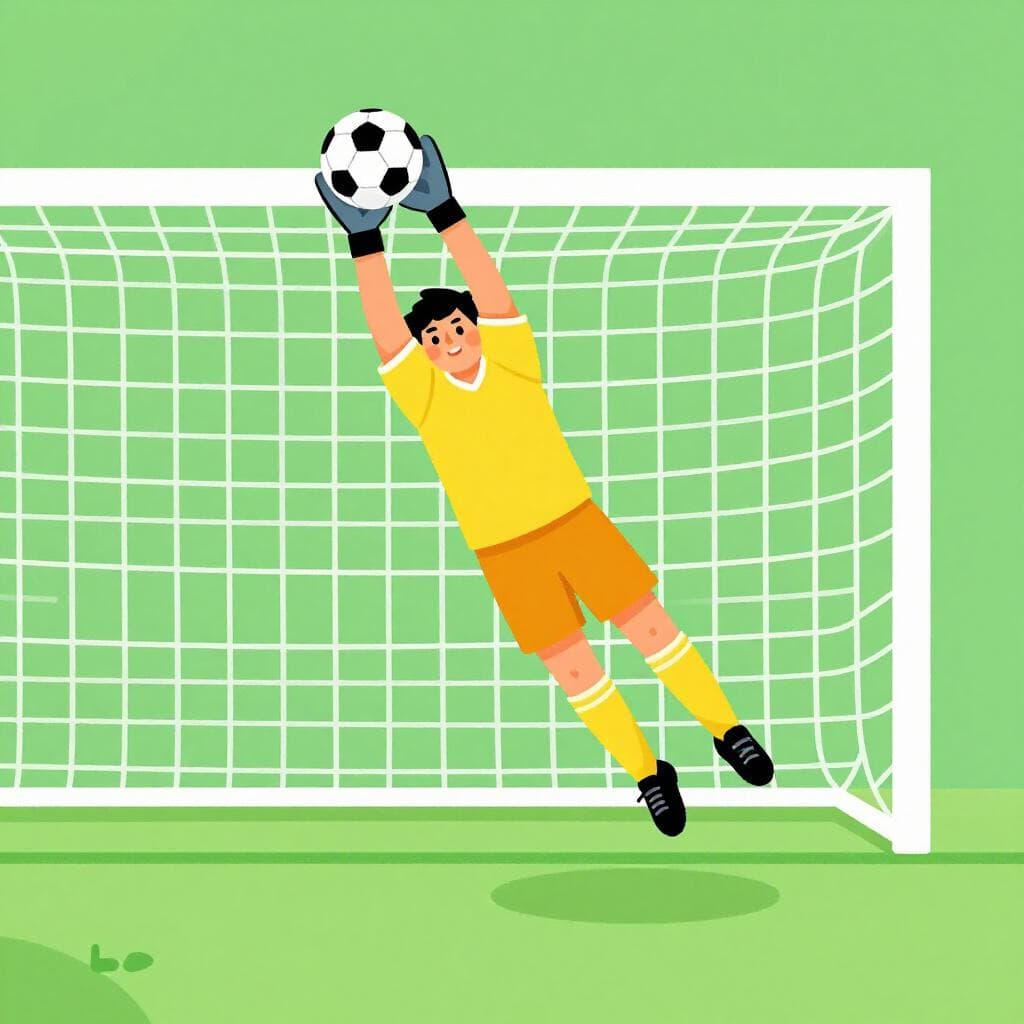
goalkeeper
“El arquero hizo una atajada increíble en el último minuto.”

kick
“El jugador le dio una patada al balón.”

to kick
“El niño pateó la pelota al jardín.”
Grammar Tips
Goalkeeper Nouns: Arquero vs. Portero
In Spanish, you have two common words for goalkeeper: 'el arquero' and 'el portero'. Both are masculine nouns. While they mean the same thing, 'portero' is generally more common in Spain, and 'arquero' is frequently used in Latin America. Stick with one to avoid confusion!
Pluralizing 'Gol'
The word for 'goal', 'gol', follows standard Spanish pluralization rules. To make it plural, simply add '-es' because it ends in a consonant. So, one goal is 'un gol', and multiple goals are 'dos goles'.
Verb Conjugation: 'Patear'
The verb 'patear' (to kick) conjugates like a regular '-ar' verb. For example, 'yo pateo' (I kick), 'tú pateas' (you kick), 'él patea' (he kicks). Remember to match the verb to the subject of your sentence!
Common Mistakes
Incorrect Adjective Placement
Mistake: “El buen futbolista pateó la pelota.”
Correction: El futbolista bueno pateó la pelota. — In Spanish, descriptive adjectives like 'bueno' (good) usually come *after* the noun they modify. While 'buen' is a valid shortened form that can precede a noun, it's less common in this context than placing 'bueno' after.
Confusing 'Gol' and 'Portería'
Mistake: “El futbolista metió un portería.”
Correction: El futbolista metió un gol. — 'Gol' refers to the act of scoring or the score itself, while 'portería' refers to the goal structure (the net and posts). You score a 'gol', not a 'portería'.
Pluralizing 'Arquero'
Mistake: “Los arqueros jugaron bien.”
Correction: Los arqueros jugaron bien. — This is actually correct! 'Arquero' is a masculine noun and follows the standard rule of adding '-s' or '-es' to form the plural. The mistake would be if you tried to make it feminine or used an incorrect ending.
Cultural Notes
'Fútbol' is Life
In many Spanish-speaking countries, 'fútbol' isn't just a sport; it's a way of life and a huge part of national identity. Discussions about teams, players, and matches can be incredibly passionate and often spill into everyday conversations.
Regional Preferences
While 'fútbol' is the universal term, you might hear 'balompié' in some more formal contexts or older texts. However, 'fútbol' is overwhelmingly the common word used by everyone.