Gym & Fitness in Spanish
Getting fit is a global goal, and knowing Spanish gym vocabulary will help you navigate fitness centers and understand workout instructions. Spanish often uses cognates, making many terms familiar, but pay attention to gender and number. This set will get you ready to sweat it out with confidence!
Quick Reference
| Spanish | English | Example | Level |
|---|---|---|---|
ejercicio | exercise | Hacer ejercicio por la mañana me da mucha energía. | A1 |
entrenador | coach | El entrenador les dijo a los jugadores que corrieran más rápido. | A1 |
entrenamiento | training | El equipo tiene un entrenamiento muy duro todos los lunes. | A2 |
entrenar | to train | El profesor entrena a los estudiantes para el debate. | A2 |
gimnasio | gym | Voy al gimnasio tres veces a la semana. | A1 |
pesa | dumbbell | Necesito comprar una pesa de dos kilos para el gimnasio. | A1 |
resistencia | stamina | El corredor tiene una gran resistencia física. | A2 |
abdominal | abdominal | Tengo un dolor abdominal muy fuerte. | A2 |
ejercitar | to exercise | Es importante ejercitar los músculos de la espalda. | A2 |
muscular | muscular | Tengo un dolor muscular después de correr. | A2 |
A1 — Beginner (4 words)
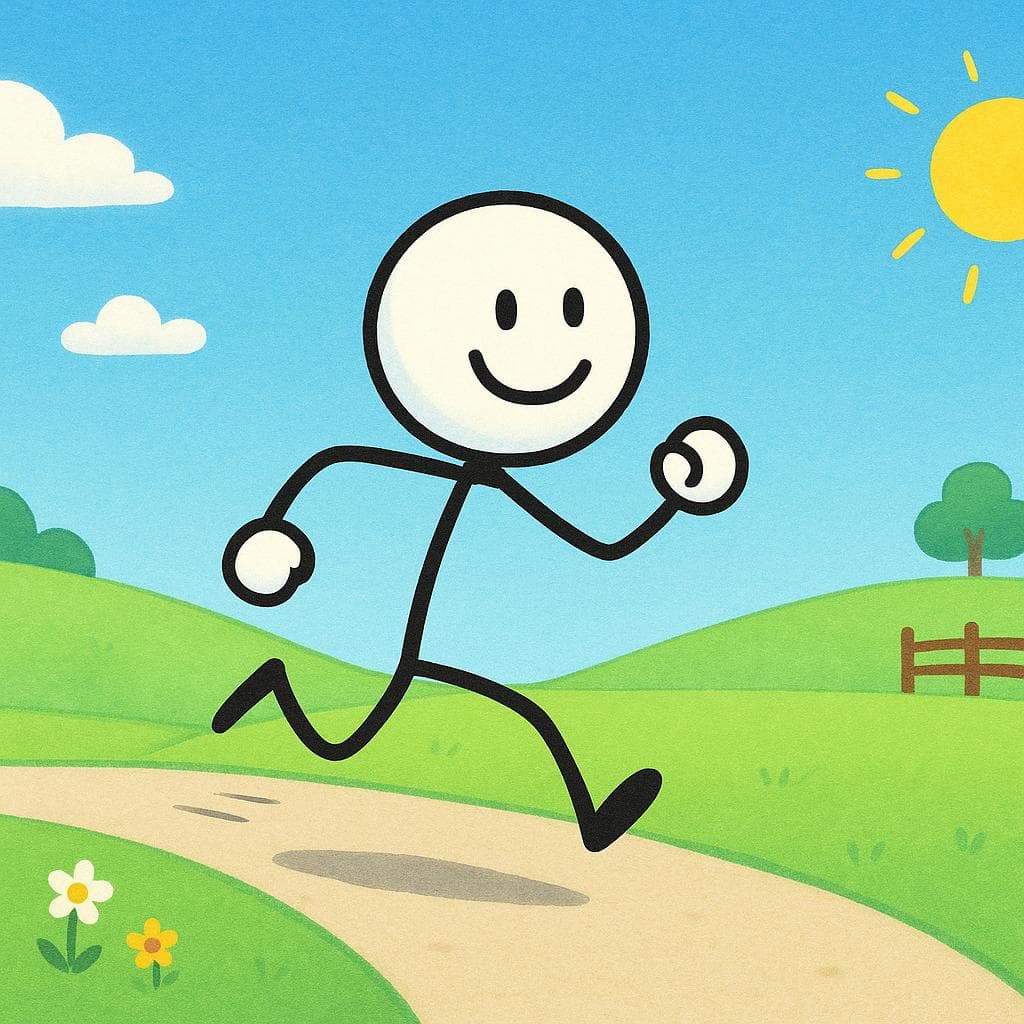
exercise
“Hacer ejercicio por la mañana me da mucha energía.”
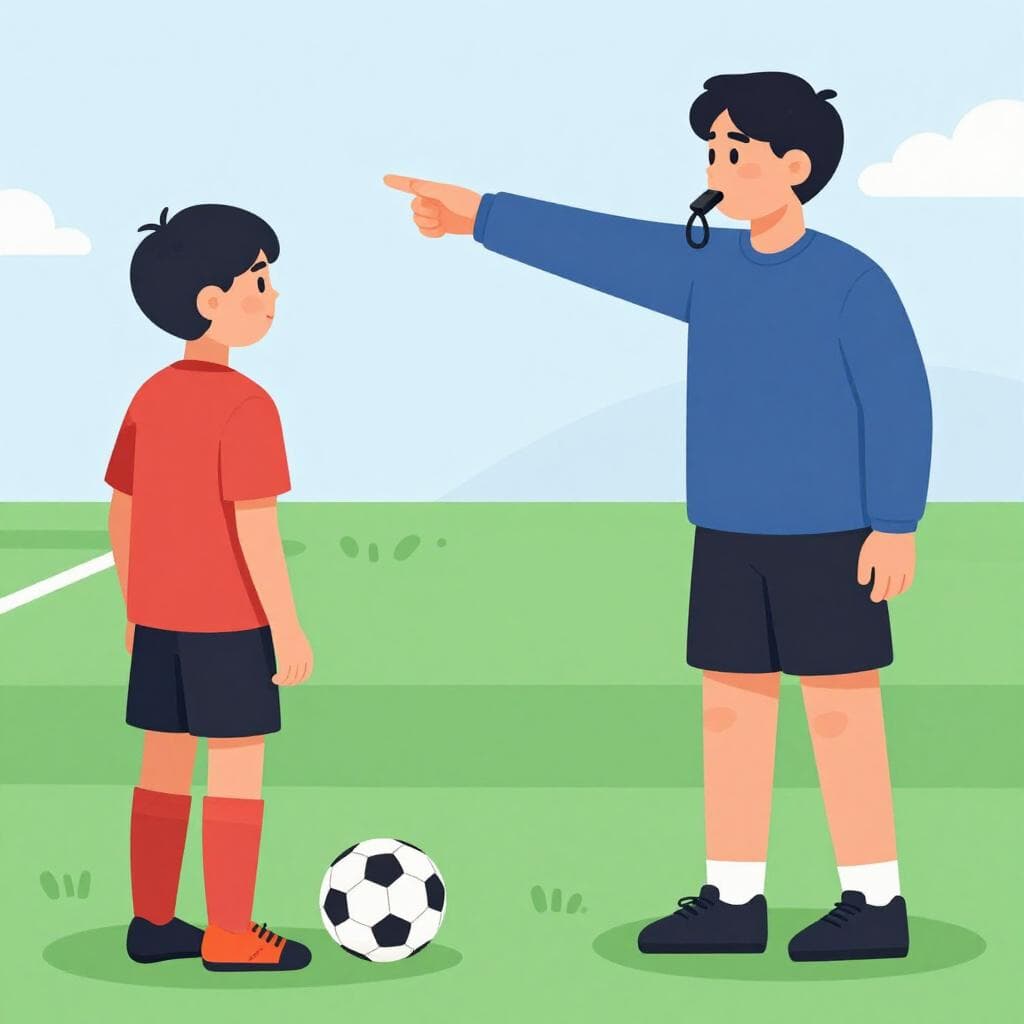
coach
“El entrenador les dijo a los jugadores que corrieran más rápido.”
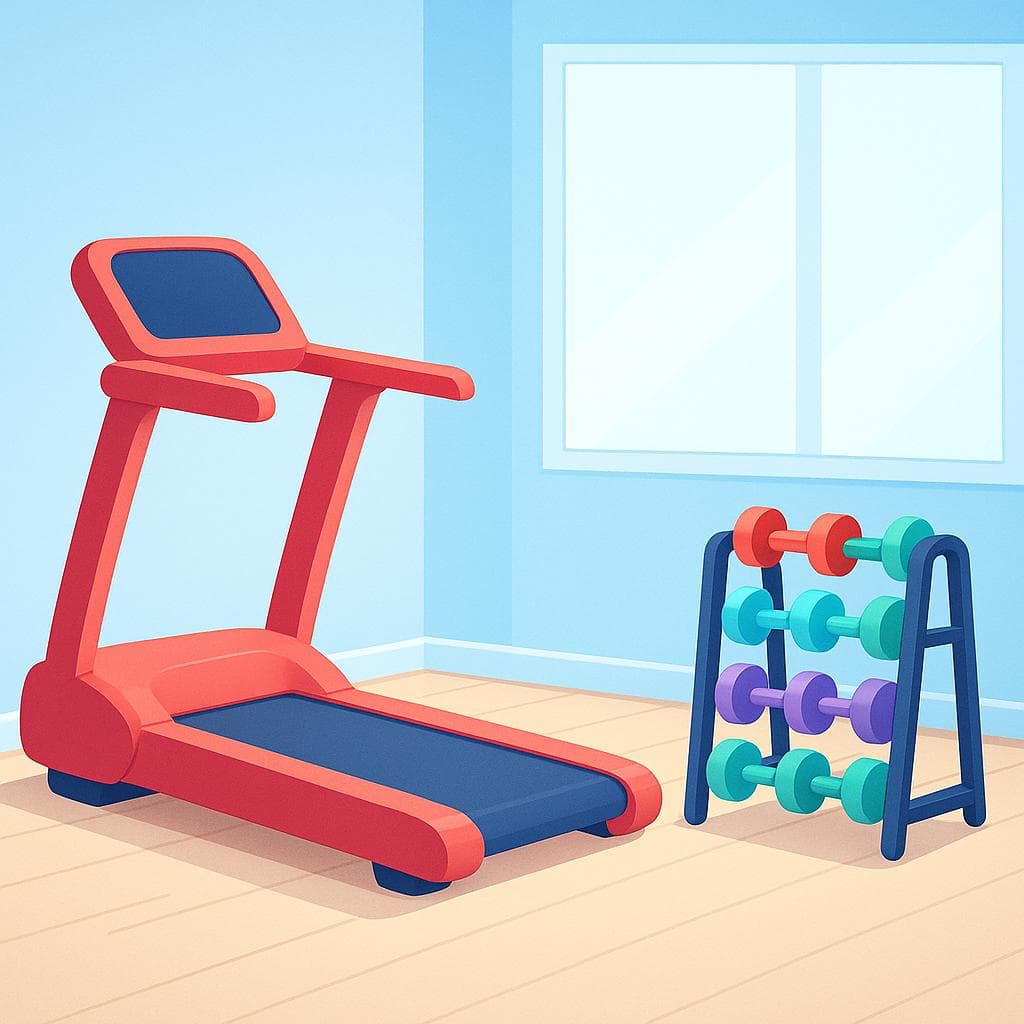
gym
“Voy al gimnasio tres veces a la semana.”

dumbbell
“Necesito comprar una pesa de dos kilos para el gimnasio.”
A2 — Elementary (6 words)
training
“El equipo tiene un entrenamiento muy duro todos los lunes.”

to train
“El profesor entrena a los estudiantes para el debate.”
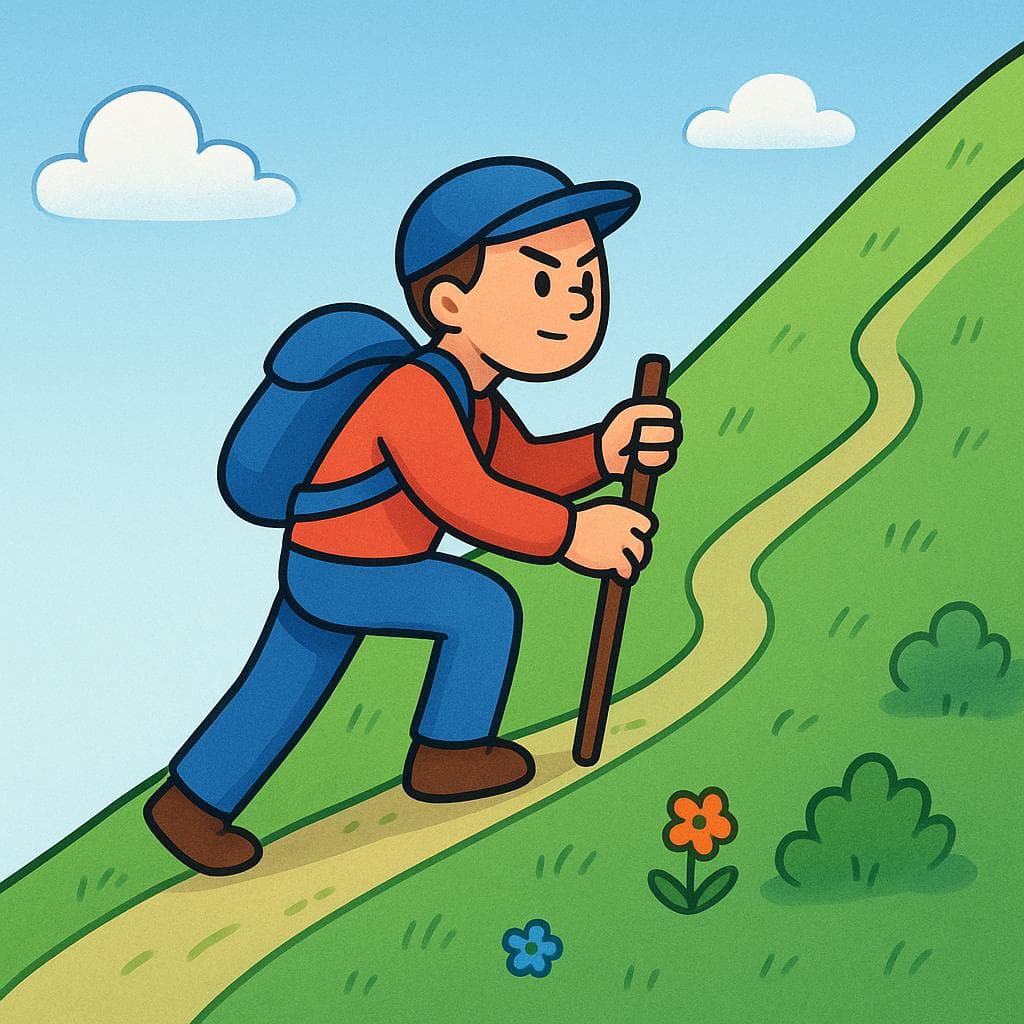
stamina
“El corredor tiene una gran resistencia física.”

abdominal
“Tengo un dolor abdominal muy fuerte.”

to exercise
“Es importante ejercitar los músculos de la espalda.”
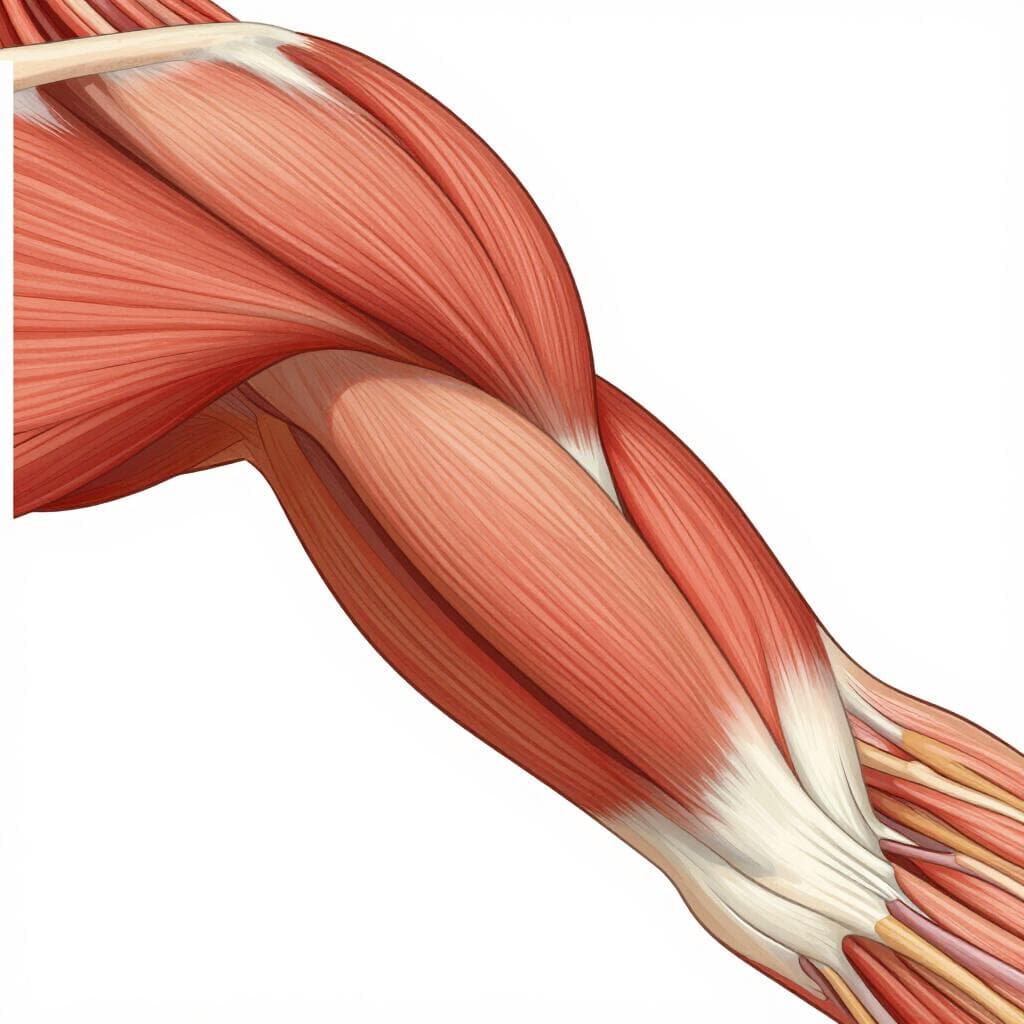
muscular
“Tengo un dolor muscular después de correr.”
Grammar Tips
Masculine & Feminine Nouns
Many fitness nouns have gender. 'El gimnasio' (gym) is masculine, while 'la pesa' (dumbbell) is feminine. Remember to match articles and adjectives: 'el entrenador personal' (the personal trainer), 'la rutina larga' (the long routine).
Singular vs. Plural
Be mindful of singular and plural forms. 'Ejercicio' (exercise) is singular, and 'ejercicios' (exercises) is plural. When talking about multiple movements or activities, use the plural form: 'Hago muchos ejercicios.' (I do many exercises.)
Verb Conjugation is Key
Verbs like 'entrenar' (to train) and 'ejercitar' (to exercise) change based on who is performing the action and when. For example, 'Yo entreno' (I train), 'Él entrena' (He trains), 'Nosotros entrenamos' (We train).
Common Mistakes
Adjective Agreement
Mistake: “La rutina muscular es bueno.”
Correction: La rutina muscular es buena. — Adjectives must agree in gender and number with the noun they describe. 'Rutina' is feminine, so the adjective 'buena' must also be feminine.
Verb Choice
Mistake: “Yo hago un entrenamiento.”
Correction: Yo hago un entrenamiento. / Yo entreno. — While 'hacer un entrenamiento' is understandable, 'entrenar' is the more direct verb for 'to train' or 'to work out'. Use 'entrenar' when the action is the focus.
Pluralization
Mistake: “Me gusta hacer ejercicio.”
Correction: Me gusta hacer ejercicio. / Me gustan los ejercicios. — 'Ejercicio' can be used as an uncountable noun (like 'exercise' in general) or a countable noun. If you're referring to specific activities, use the plural 'ejercicios'.
Cultural Notes
Active Lifestyle
In Spain and many Latin American countries, there's a strong emphasis on outdoor activities and sports. While gyms are popular, you'll see people jogging, playing soccer, and hiking frequently, integrating exercise into daily life.
Group Classes Galore
Gyms in Spanish-speaking countries often have a vibrant schedule of group fitness classes, from Zumba to spinning to yoga. These are great places to practice your listening skills and engage with locals.