Theater & Performance in Spanish: 32 Essential Words
Dive into the vibrant world of Spanish theater and performance with this vocabulary list! Understanding these terms will not only help you discuss plays, movies, and shows but also appreciate the rich cultural tapestry of Spanish-speaking performing arts. You'll find it's quite straightforward, with many cognates making it easier than you might think.
Quick Reference
| Spanish | English | Example | Level |
|---|---|---|---|
actor | actor | Mi actor favorito ganó un premio anoche. | A1 |
actos | deeds | Sus actos de bondad fueron admirados por todos. | A2 |
actriz | actress | Mi actriz favorita ganó un premio anoche. | A1 |
actúa | acts | El presidente actúa con mucha cautela en esta crisis. | A1 |
actuación | performance | La actuación de la bailarina fue la mejor parte del festival. | B1 |
actuando | acting | Ella está actuando en una comedia musical ahora mismo. | A2 |
actuar | to act | Mi hermana sueña con actuar en Broadway. | A2 |
circo | circus | Fuimos al circo y vimos un espectáculo increíble con acróbatas. | A1 |
comedia | comedy | Mi película favorita es una comedia romántica muy divertida. | A1 |
ensayar | to rehearse | La banda tiene que ensayar para el concierto de mañana. | A2 |
espectáculo | show | El espectáculo de circo fue increíble, especialmente los acróbatas. | A2 |
ópera | opera | Mi abuela siempre escucha ópera italiana en la radio. | A1 |
A1 — Beginner (9 words)
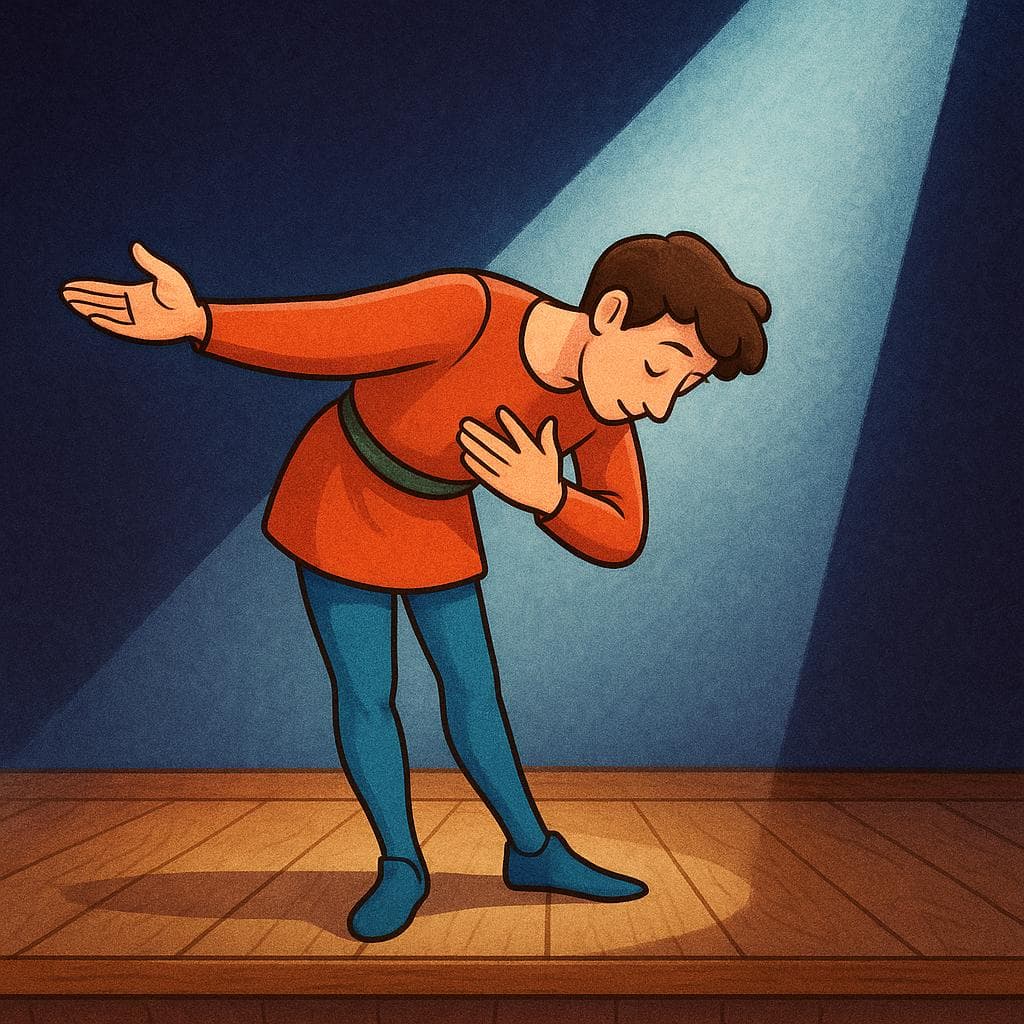
actor
“Mi actor favorito ganó un premio anoche.”

actress
“Mi actriz favorita ganó un premio anoche.”

acts
“El presidente actúa con mucha cautela en esta crisis.”

circus
“Fuimos al circo y vimos un espectáculo increíble con acróbatas.”

comedy
“Mi película favorita es una comedia romántica muy divertida.”

opera
“Mi abuela siempre escucha ópera italiana en la radio.”

ticket office
“Compré las entradas en la taquilla del cine.”

theater
“Esta noche vamos al teatro a ver una comedia.”

armchair
“Me gusta sentarme en la butaca para ver la televisión.”
A2 — Elementary (9 words)

deeds
“Sus actos de bondad fueron admirados por todos.”

acting
“Ella está actuando en una comedia musical ahora mismo.”
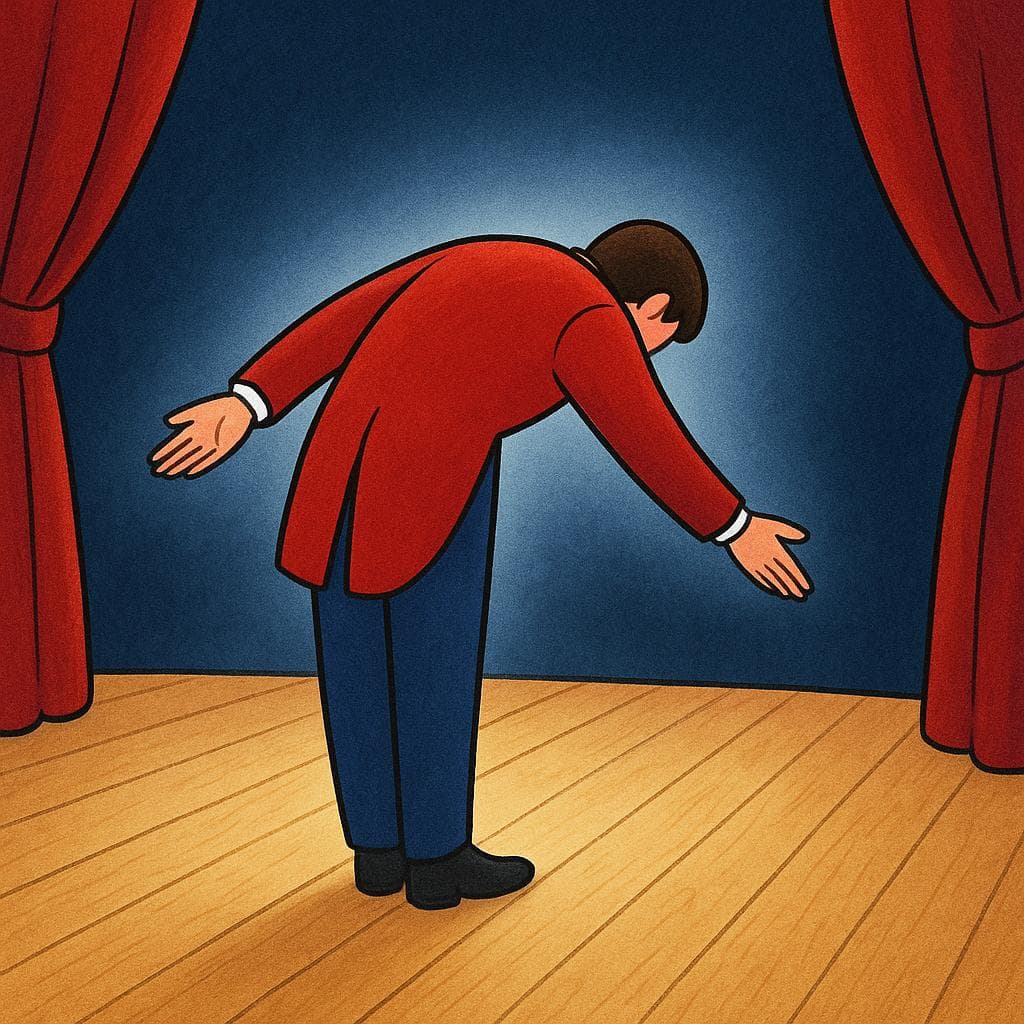
to act
“Mi hermana sueña con actuar en Broadway.”

to rehearse
“La banda tiene que ensayar para el concierto de mañana.”

show
“El espectáculo de circo fue increíble, especialmente los acróbatas.”

to represent
“Ella representa a su país en las Olimpiadas.”
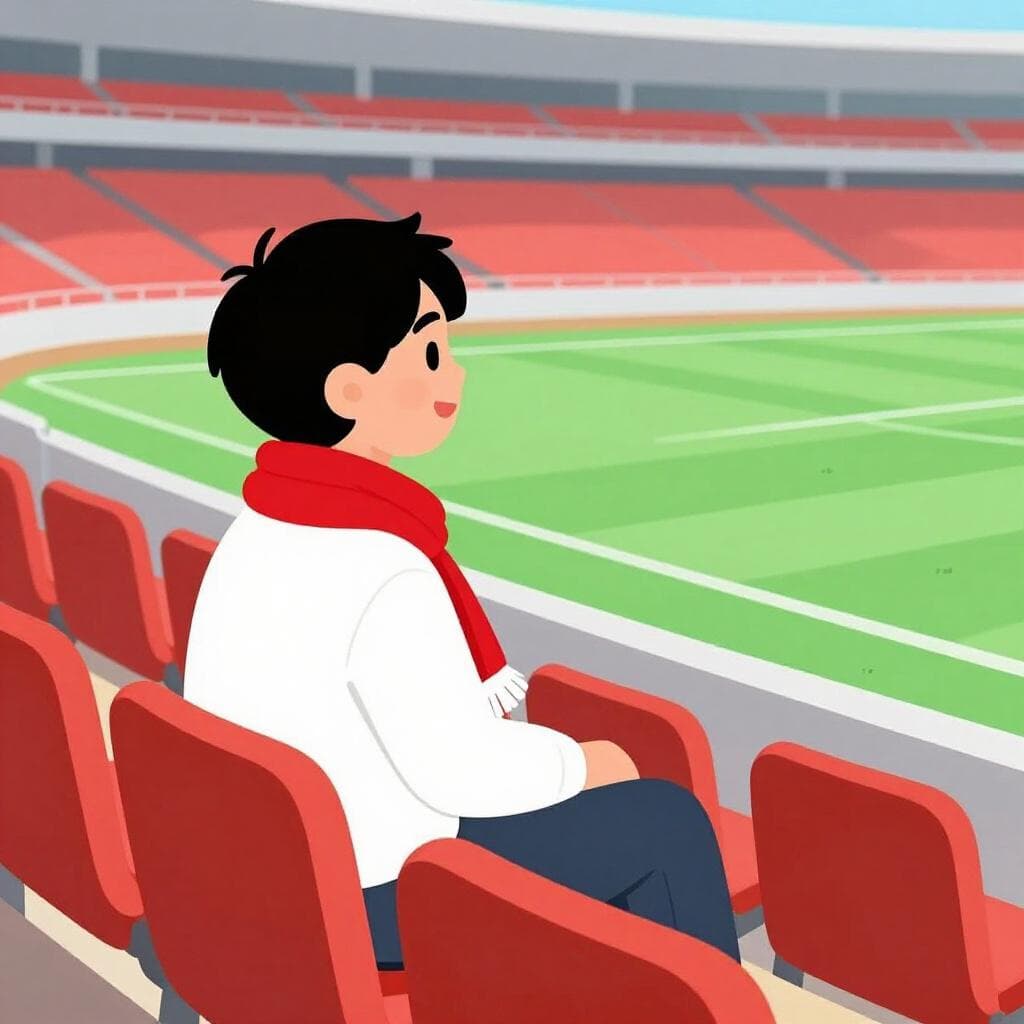
spectator
“El estadio estaba lleno de espectadores emocionados.”

theatrical
“Fuimos a ver una obra teatral en el centro.”
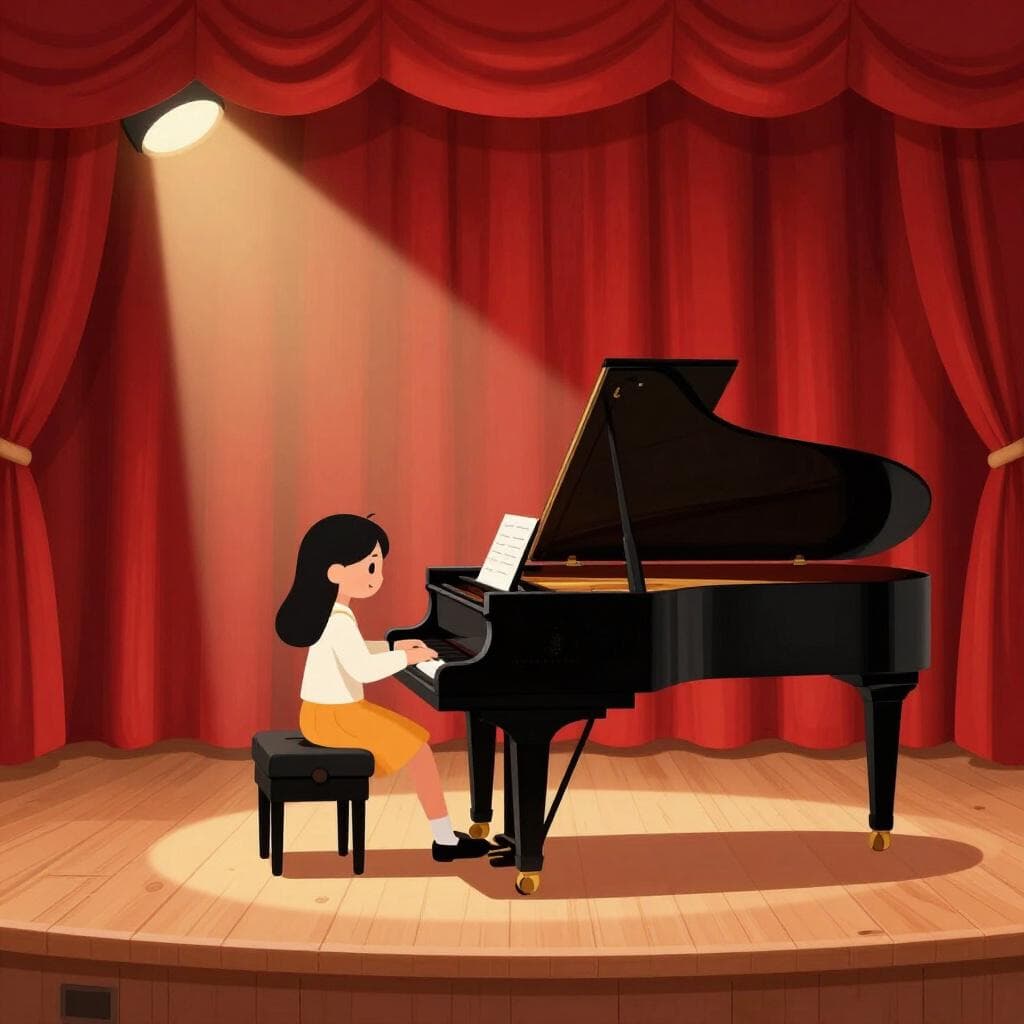
recital
“El pianista dará un recital en el teatro nacional.”
B1 — Intermediate (11 words)
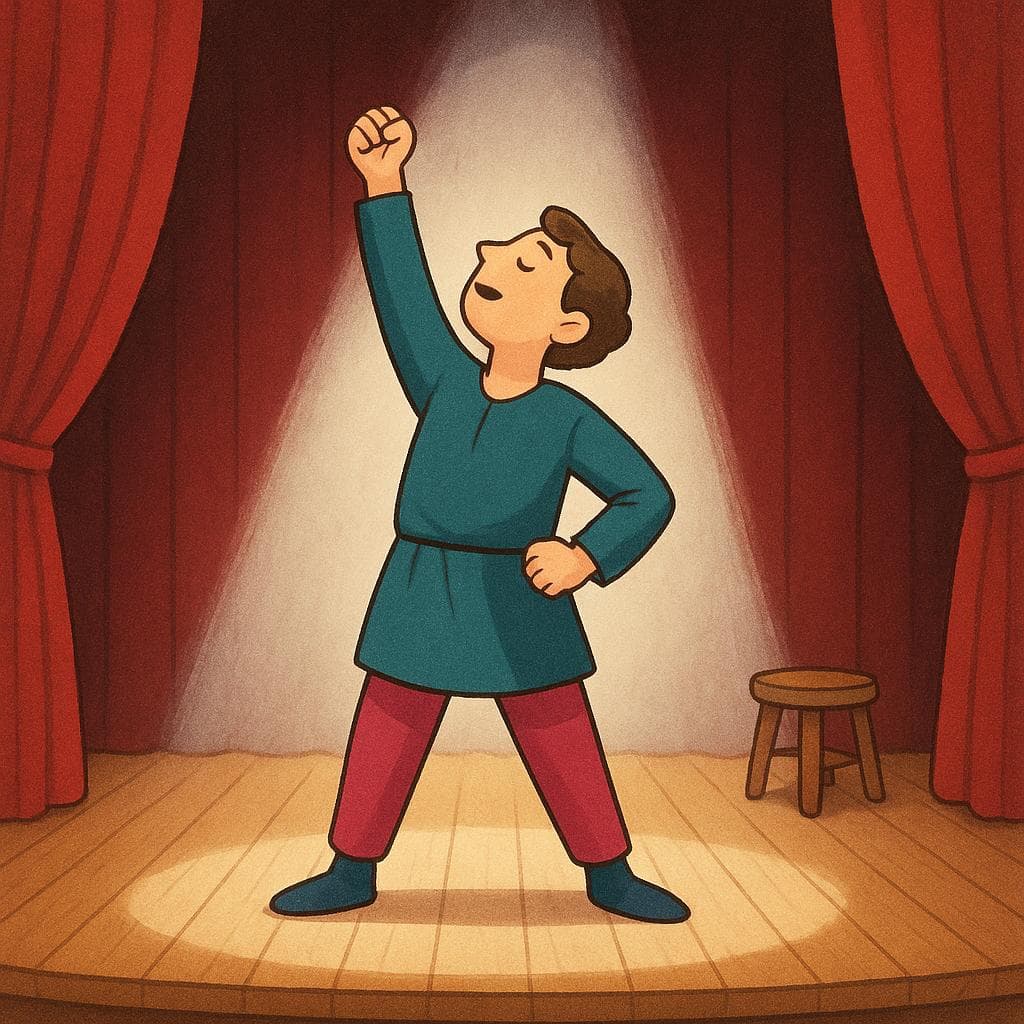
performance
“La actuación de la bailarina fue la mejor parte del festival.”
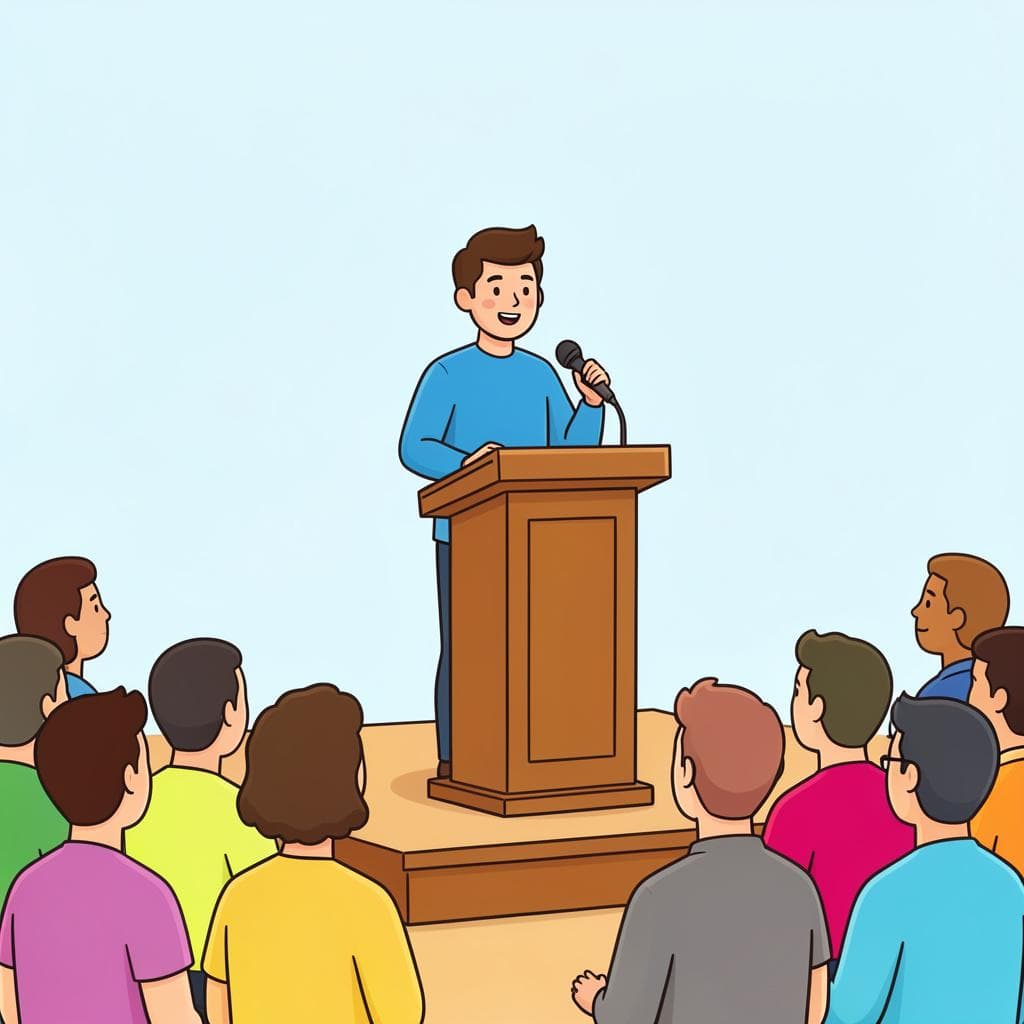
representation
“Queremos una mejor representación en el gobierno.”

debut
“El debut del cantante fue un éxito total.”
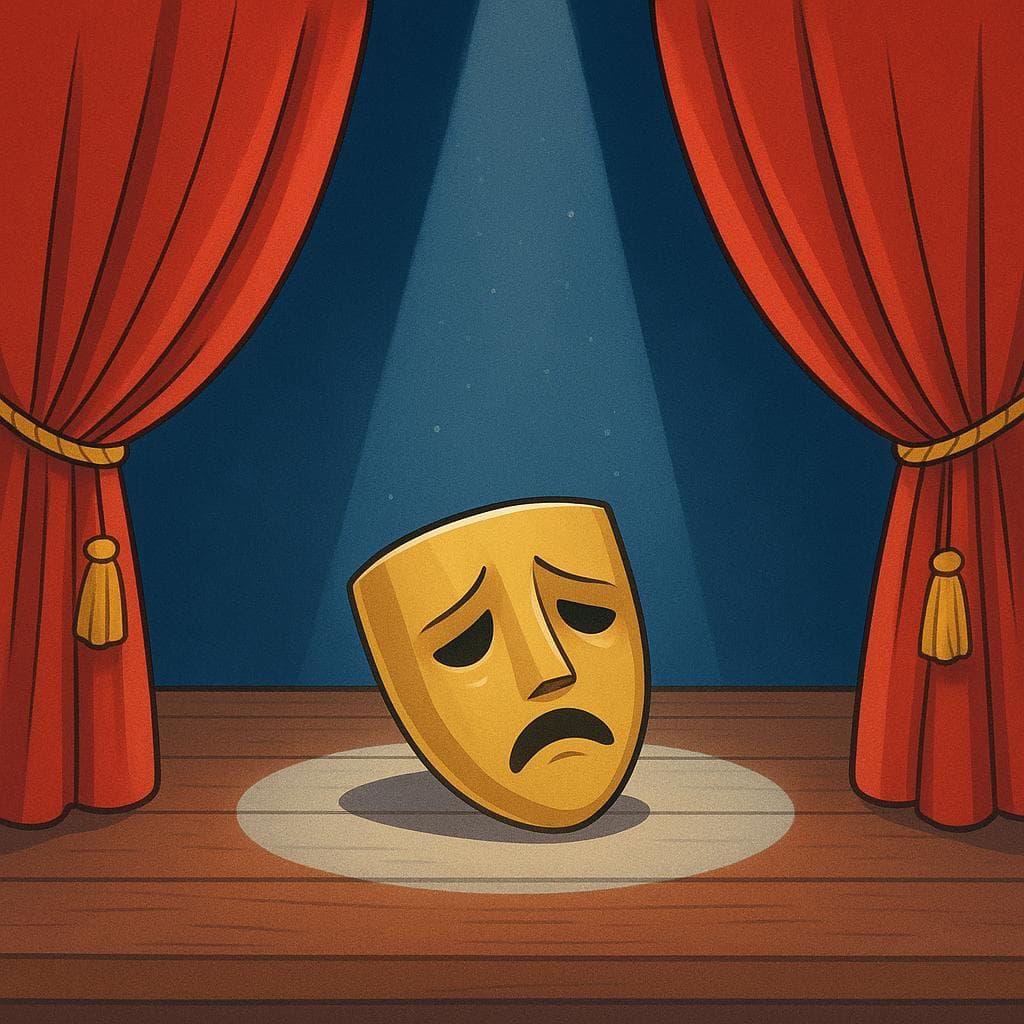
drama
“El drama de Shakespeare 'Hamlet' es estudiado en todo el mundo.”

curtain
“El telón se levantó y empezó la función.”
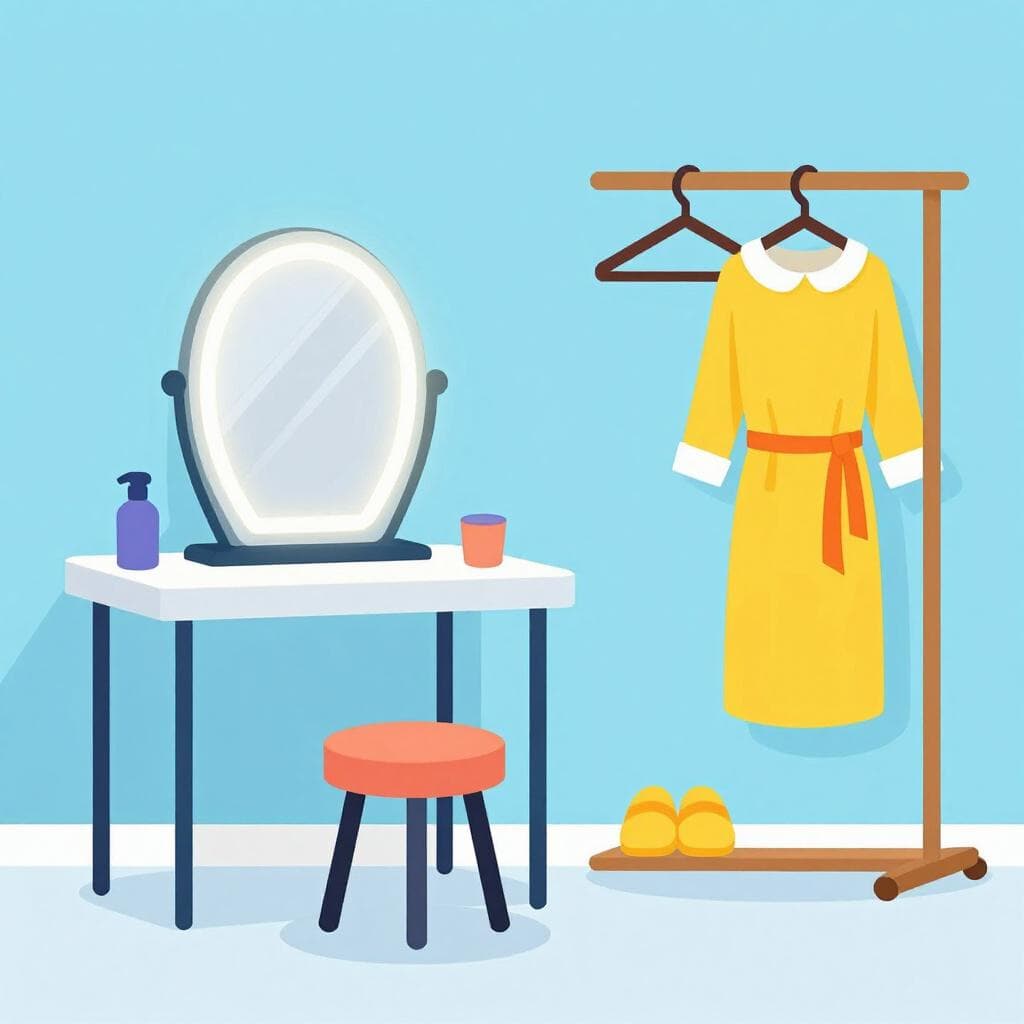
dressing room
“El actor está en su camerino preparándose para la función.”

comedian
“Mi hermano es el comediante de la familia.”
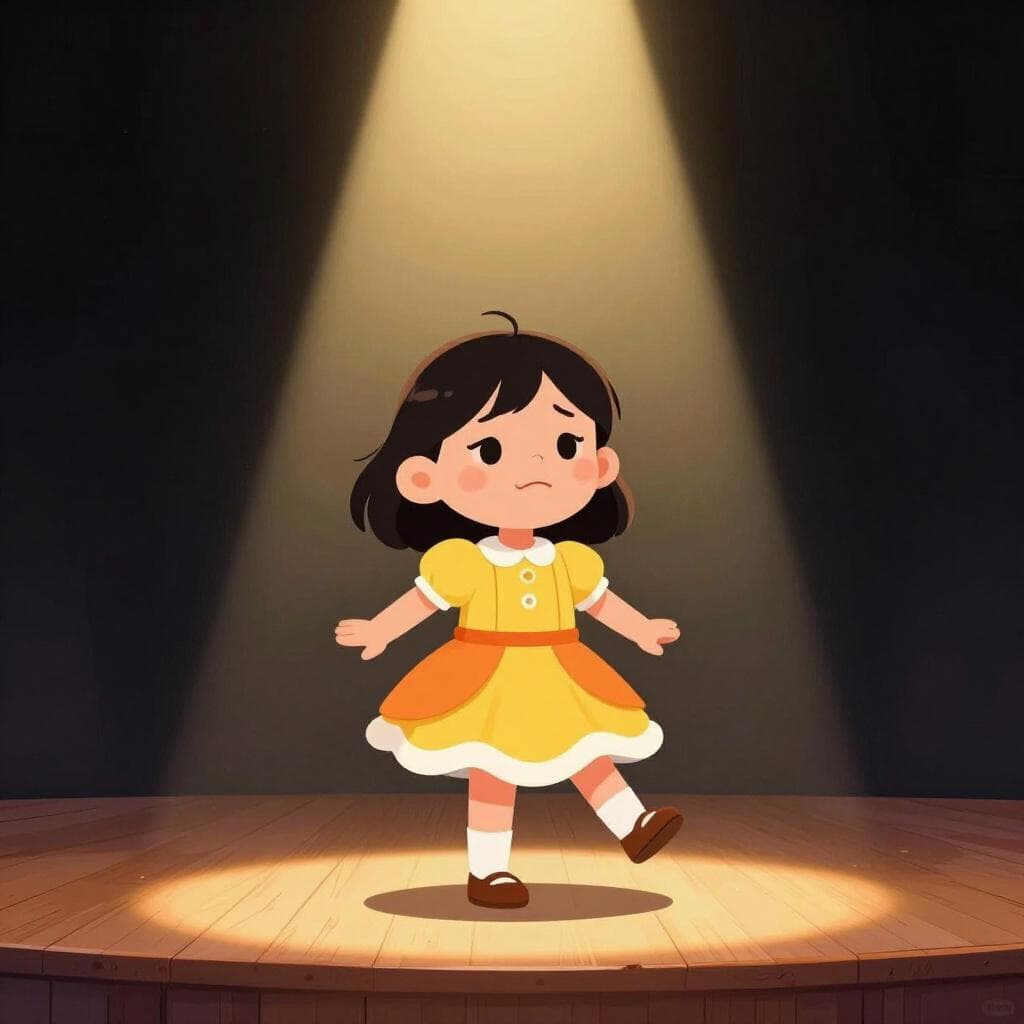
to debut
“El joven jugador va a debutar mañana con el equipo principal.”

stage
“Las artes escénicas son muy importantes en esta ciudad.”

box
“Teníamos asientos en un palco para ver la ópera.”

cabaret
“Fuimos a un cabaré en París para ver un espectáculo de baile.”
B2 — Upper Intermediate (1 words)
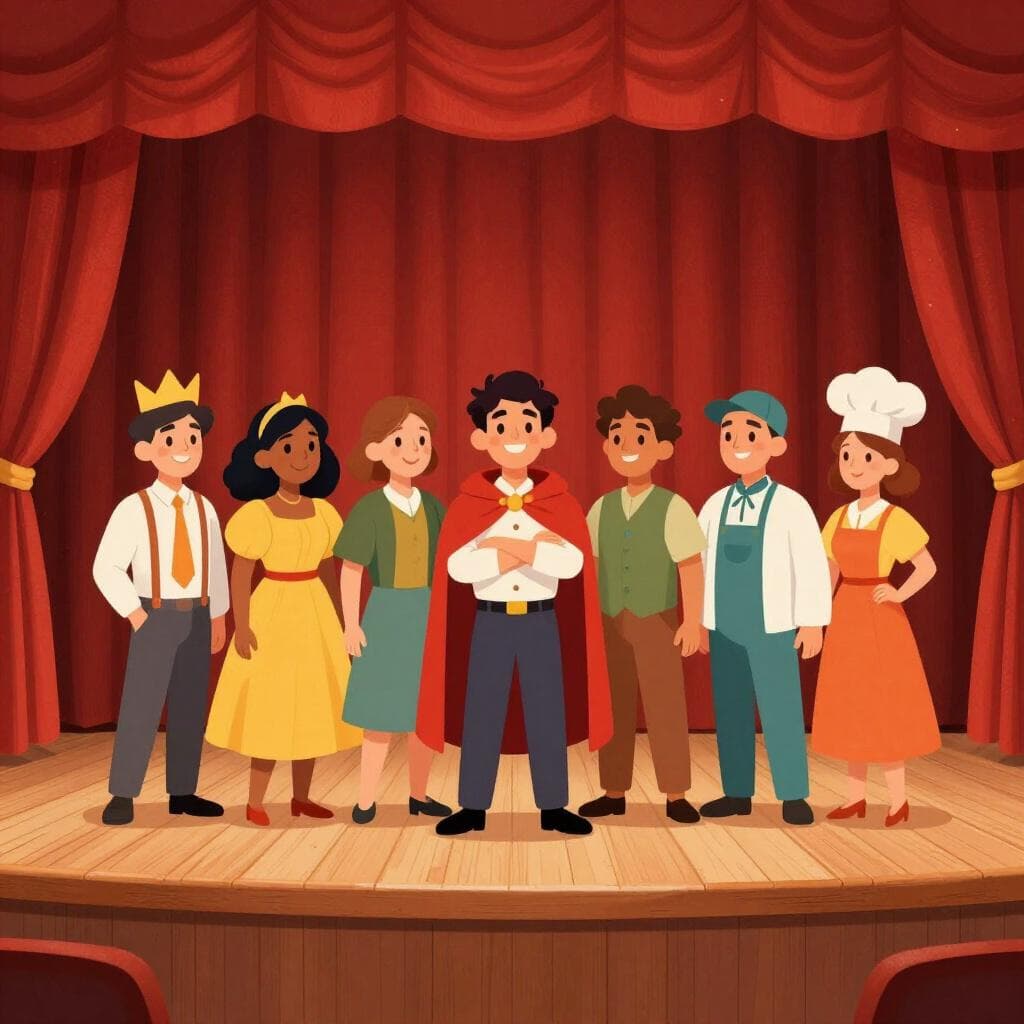
cast
“El elenco de la obra ensayó durante tres meses.”
Grammar Tips
Gender and Number Agreement
Remember that nouns referring to performers have gendered forms: 'el actor' (male actor) and 'la actriz' (female actress). Plural forms also follow standard rules: 'los actores' and 'las actrices'. Adjectives describing them must agree too, like 'un actor talentoso' or 'una actriz talentosa'.
Verb Conjugation: 'Actuar'
The verb 'actuar' (to act) is crucial here. Pay attention to its irregular stem change in the present tense: 'yo actúo', 'tú actúas', 'él/ella actúa'. The accent mark shifts, so practice conjugating it correctly for different subjects.
Common Nouns for Performance Spaces
Words like 'teatro' (theater), 'cine' (cinema), and 'escenario' (stage) are masculine and usually don't change for gender. Their plurals are regular: 'los teatros', 'los cines', 'los escenarios'. Note that 'butaca' (seat) is feminine.
Common Mistakes
Incorrect Verb Form
Mistake: “Yo actuo en el escenario.”
Correction: Yo actúo en el escenario. — The verb 'actuar' has a stem change in the first person singular present tense, requiring an accent on the 'u'.
Adjective Placement
Mistake: “La comedia buena fue divertida.”
Correction: La comedia buena fue divertida. — In Spanish, descriptive adjectives like 'buena' (good) typically follow the noun they modify.
Gender Agreement for Roles
Mistake: “Ella es un actor famoso.”
Correction: Ella es una actriz famosa. — Since 'ella' (she) refers to a female person, the noun must be feminine ('actriz') and the article must also be feminine ('una').
Cultural Notes
Lope de Vega and Golden Age
Spain's Golden Age of theater (Siglo de Oro) produced legendary playwrights like Lope de Vega and Calderón de la Barca. Their works are still performed today and are a cornerstone of Spanish literary and theatrical heritage.
Vibrant Street Performances
In many Latin American cities, especially during festivals, street performances ('artistas callejeros') are incredibly popular and diverse, ranging from music and dance to mime and juggling. It's a lively and accessible form of entertainment.