Movies & TV in Spanish
Dive into the exciting world of Spanish cinema and television with this vocabulary list! Learning these terms will help you discuss your favorite shows, understand movie reviews, and even chat about acting with native speakers. It's a fun way to connect with Spanish culture and practice your language skills, as many words are similar to English but have slight pronunciation or spelling differences.
Quick Reference
| Spanish | English | Example | Level |
|---|---|---|---|
actor | actor | Mi actor favorito ganó un premio anoche. | A1 |
actriz | actress | Mi actriz favorita ganó un premio anoche. | A1 |
actúa | acts | El presidente actúa con mucha cautela en esta crisis. | A1 |
actuación | performance | La actuación de la bailarina fue la mejor parte del festival. | B1 |
actuando | acting | Ella está actuando en una comedia musical ahora mismo. | A2 |
actuar | to act | Mi hermana sueña con actuar en Broadway. | A2 |
animación | animation | Me encanta la animación de esta película. | A2 |
cine | movie theater | Vamos al cine esta noche para ver la nueva película. | A1 |
comedia | comedy | Mi película favorita es una comedia romántica muy divertida. | A1 |
espectáculo | show | El espectáculo de circo fue increíble, especialmente los acróbatas. | A2 |
ficción | fiction | Me gusta leer libros de ciencia ficción antes de dormir. | A2 |
film | movie | ¿Qué film vamos a ver esta noche? | A2 |
A1 — Beginner (17 words)

actor
“Mi actor favorito ganó un premio anoche.”

actress
“Mi actriz favorita ganó un premio anoche.”

acts
“El presidente actúa con mucha cautela en esta crisis.”

movie theater
“Vamos al cine esta noche para ver la nueva película.”

comedy
“Mi película favorita es una comedia romántica muy divertida.”

novel
“Estoy leyendo una novela de ciencia ficción muy interesante.”

screen
“La pantalla de mi móvil se rompió cuando se me cayó.”
program / show
“¿Cuál es tu programa de televisión favorito?”
TV series
“¿Viste la nueva serie de ciencia ficción?”

ticket office
“Compré las entradas en la taquilla del cine.”

TV
“¿Qué hay en la tele esta noche?”

soap opera
“Mi abuela nunca se pierde su telenovela favorita.”

television set
“Compramos una televisión nueva para la sala.”

video
“¿Viste el video viral de los gatos bailando?”

cartoon
“Mi caricatura favorita cuando era niño era Mickey Mouse.”

television set
“El televisor de la sala es muy grande.”

DVD
“¿Me prestas el dvd de la película?”
A2 — Elementary (14 words)
acting
“Ella está actuando en una comedia musical ahora mismo.”
to act
“Mi hermana sueña con actuar en Broadway.”

animation
“Me encanta la animación de esta película.”

show
“El espectáculo de circo fue increíble, especialmente los acróbatas.”

fiction
“Me gusta leer libros de ciencia ficción antes de dormir.”

movie
“¿Qué film vamos a ver esta noche?”
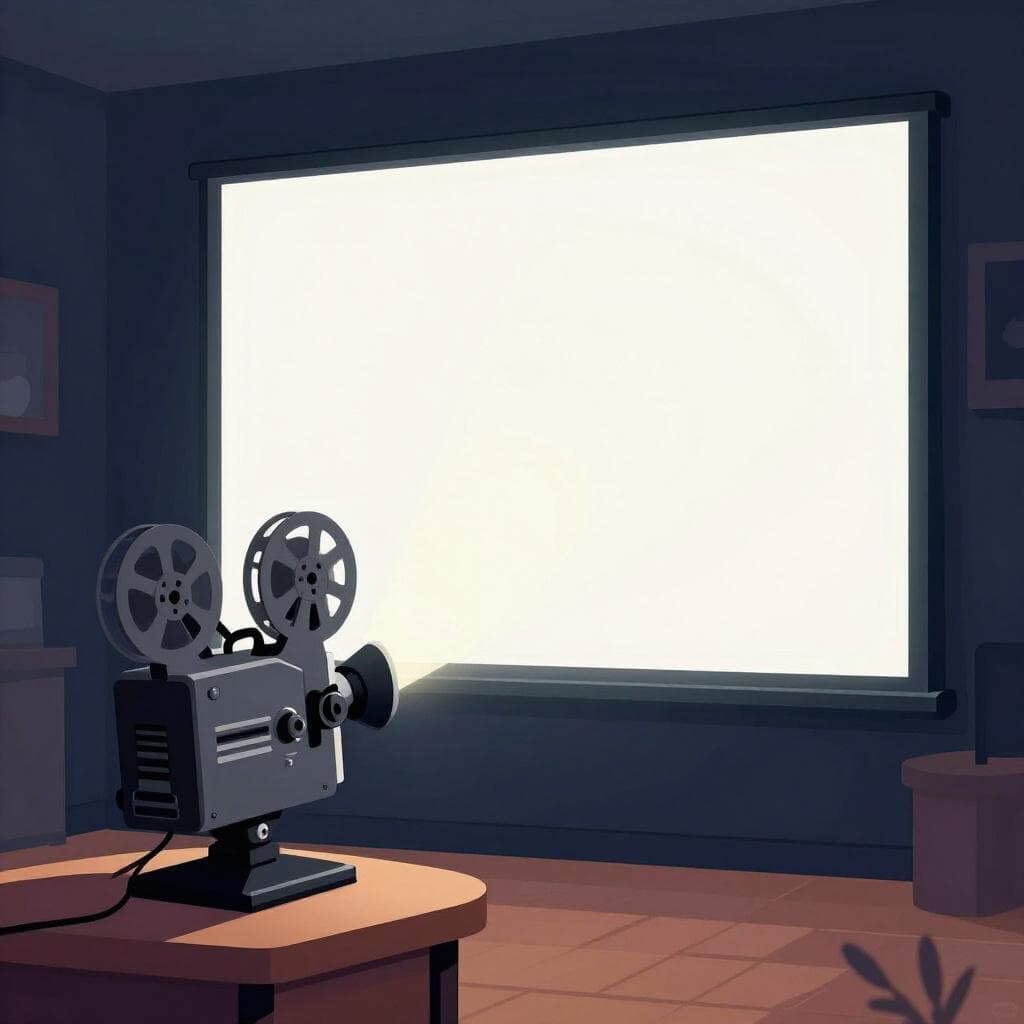
screening
“La proyección de la película empieza a las ocho.”

to roll
“La pelota rodó por la colina hasta el río.”

subtitled
“Prefiero ver las películas en versión original con el contenido subtitulado.”

subtitle
“Prefiero ver las películas extranjeras con subtítulos.”
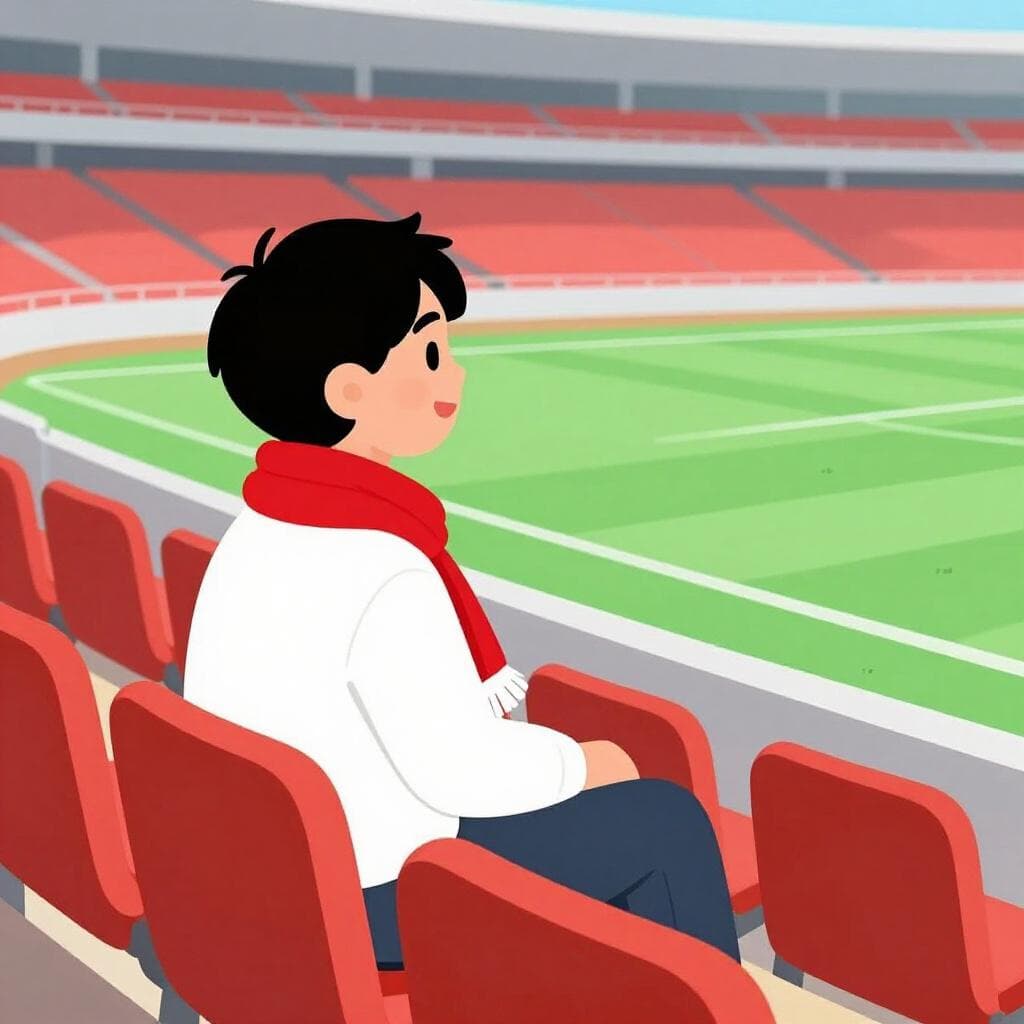
spectator
“El estadio estaba lleno de espectadores emocionados.”

to film
“Están filmando un documental sobre la vida marina en el Caribe.”

news program
“Miro el noticiero todas las mañanas antes de ir al trabajo.”

film
“Este filme ganó el premio a la mejor fotografía.”
B1 — Intermediate (12 words)
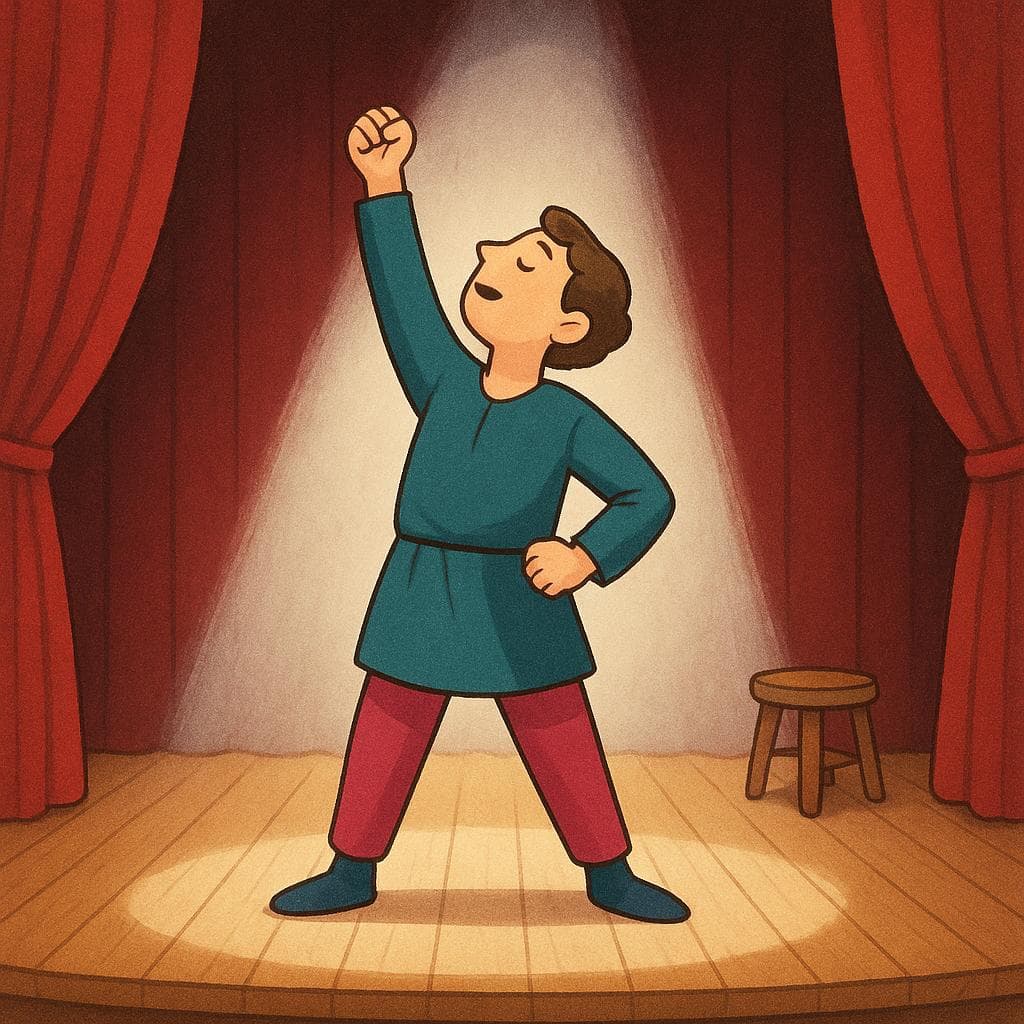
performance
“La actuación de la bailarina fue la mejor parte del festival.”

programming
“Estoy tomando un curso de programación en Python.”

filming
“El rodaje de la película duró seis meses.”

debut
“El debut del cantante fue un éxito total.”

drama
“El drama de Shakespeare 'Hamlet' es estudiado en todo el mundo.”

script
“El guión de la película ganó un premio importante.”

filmmaker
“Esa cineasta ganó un premio en el festival de cine.”

cinematic
“Fuimos a un festival cinematográfico muy importante.”

to debut
“El joven jugador va a debutar mañana con el equipo principal.”

filming
“La filmación de la nueva película comenzará en el centro de la ciudad.”
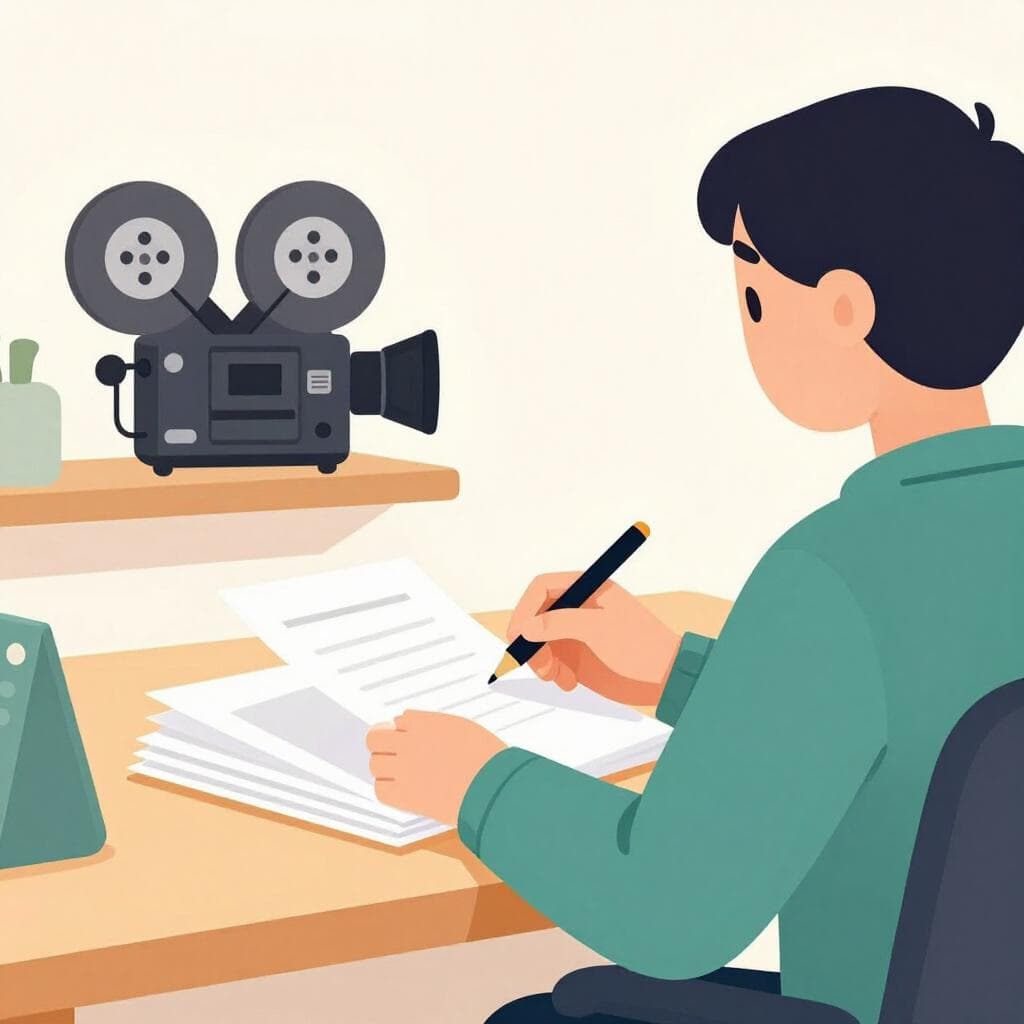
screenwriter
“Ella es una guionista famosa de series de televisión.”

television
“Este es el mejor programa televisivo del año.”
B2 — Upper Intermediate (1 words)
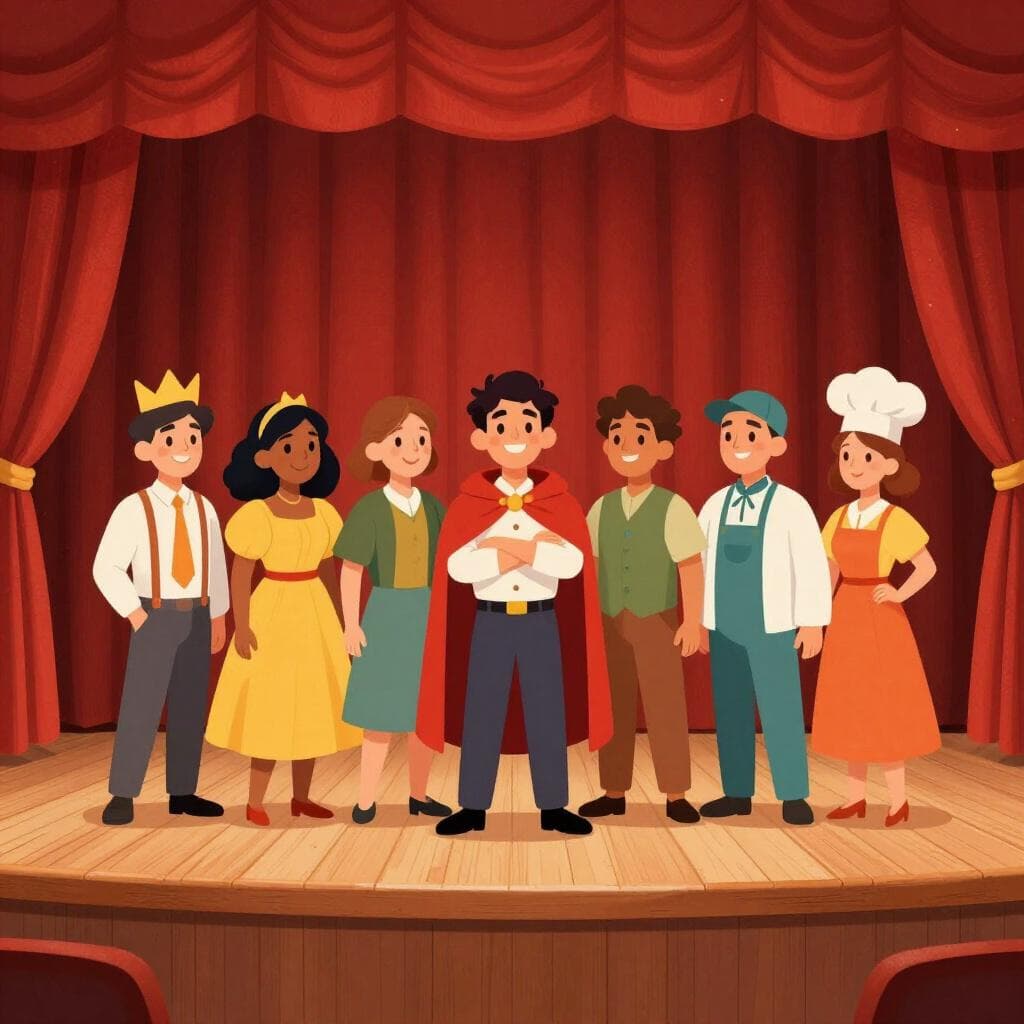
cast
“El elenco de la obra ensayó durante tres meses.”
Grammar Tips
Gender and Number Agreement
Remember that nouns related to people and roles often have masculine and feminine forms (actor/actriz) and must agree in number (el actor/los actores). Adjectives describing movies or performances also need to match the noun's gender and number (una película cómica, unas películas cómicas).
Verb Conjugations for Action
Verbs like 'actuar' (to act) change endings based on who is performing the action and when. For example, 'él actúa' (he acts) uses the third-person singular present tense, while 'tú actúas' (you act) uses the second-person singular.
Pluralizing Nouns
Most movie and TV terms follow standard Spanish pluralization rules: add '-s' to words ending in a vowel (comedia -> comedias) and '-es' to words ending in a consonant (actor -> actores). This applies to both singular and plural forms you'll encounter.
Common Mistakes
Incorrect Adjective Placement
Mistake: “Vi una comedia muy divertida película.”
Correction: Vi una película de comedia muy divertida. OR Vi una película cómica muy divertida. — Descriptive adjectives like 'cómica' usually follow the noun, and 'de comedia' specifies the genre more directly here.
Confusing Similar Words
Mistake: “Me gusta mirar la actuación en el cine.”
Correction: Me gusta ver las actuaciones en el cine. OR Me gusta ver las películas en el cine. — 'Actuación' refers to the performance itself, not usually the main subject of watching in a theater. 'Ver' is more common than 'mirar' for watching movies, and 'actuaciones' is plural.
Gender Agreement Error
Mistake: “La actriz es muy buen.”
Correction: La actriz es muy buena. — The adjective 'bueno' must agree in gender with the feminine noun 'actriz', becoming 'buena'.
Cultural Notes
Dominance of Telenovelas
While Hollywood movies are popular, 'telenovelas' (soap operas) hold a massive cultural significance across Latin America and even in Spain. They often have highly dramatic storylines and are a staple of daily viewing for many families.
Dubbing vs. Subtitles
In many Spanish-speaking countries, particularly Spain, films are predominantly dubbed into Spanish, and subtitles are less common for mainstream releases. In contrast, some Latin American countries show more original-language films with subtitles, especially in art-house cinemas.