comida
“comida” betyder “food” på spanska. Det har 2 olika betydelser beroende på sammanhang:
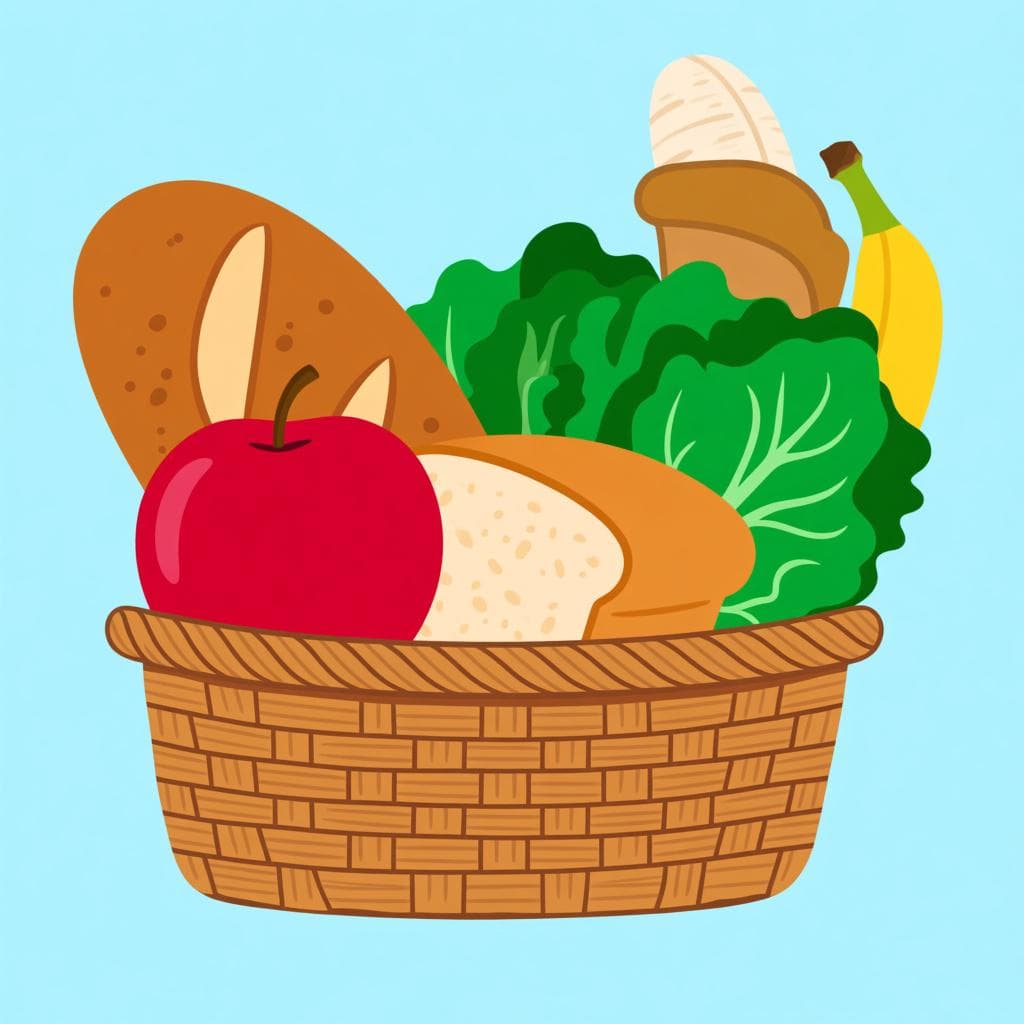
food
Även: meal, dish
📝 I praktiken
Necesito comprar comida para el fin de semana.
A1I need to buy food for the weekend.
Mi comida favorita es la pasta.
A1My favorite food is pasta.
Esta es una comida típica de mi país.
A2This is a typical dish from my country.
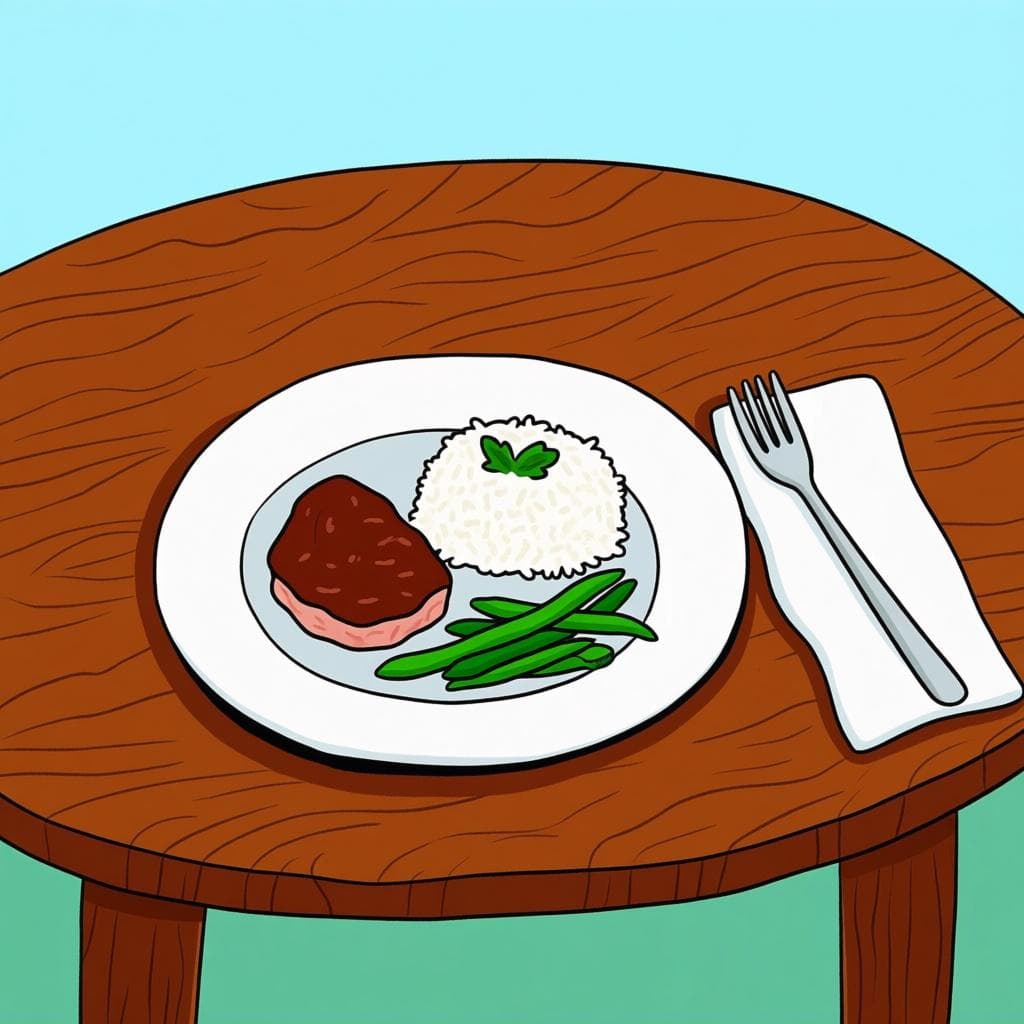
lunch
Även: dinner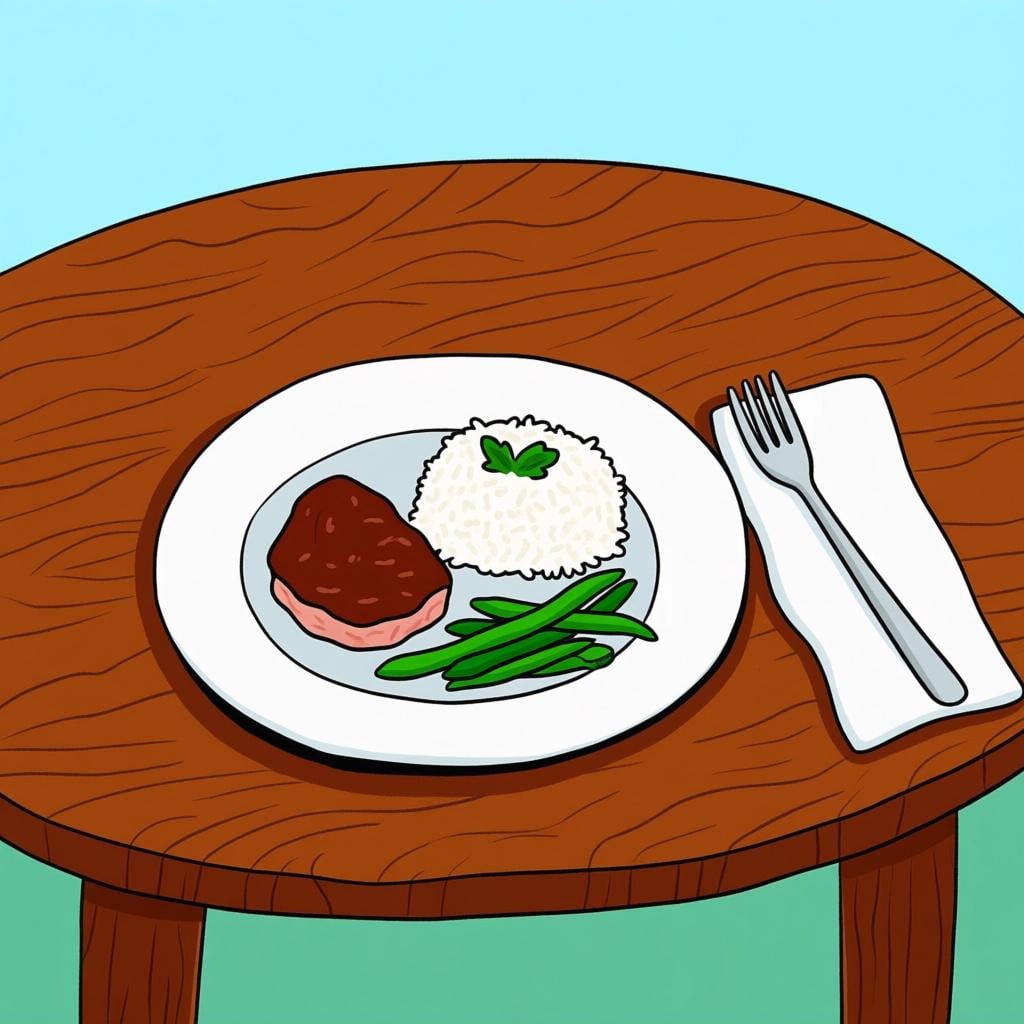
📝 I praktiken
¿A qué hora es la comida?
A2What time is lunch?
Vamos a casa de mi abuela para la comida del domingo.
B1We're going to my grandmother's house for Sunday lunch.
Hoy no tengo tiempo para una comida larga.
B1Today I don't have time for a long lunch.
🔀 Ofta förväxlad med
✏️ Snabbövning
Snabbt quiz: comida
Fråga 1 av 2
If a friend in Madrid says, 'Nos vemos para la comida a las tres', what are they inviting you to?
📚 Fler resurser
👥 Ordfamilj▼
📚 Etymologi▼
Comes from the verb 'comer' (to eat). 'Comer' itself is from the Latin word 'comedere', which means 'to eat up completely'. 'Comida' is what is known as a past participle, so it literally means 'the eaten thing' or simply, 'food'.
Först dokumenterat: Around the 12th century.
Besläktade ord
💡 Bemästra spanska
Ta din spanska till nästa nivå. Läs över 200 illustrerade och berättade spanska berättelser anpassade efter din nivå med Inklingo-appen!
Vanliga frågor
What's the difference between 'comida' and 'almuerzo'?
'Comida' is a broad term for 'food' or 'meal'. It can also specifically mean 'lunch', especially in Spain. 'Almuerzo' specifically means 'lunch'. So, while you can often use both for 'lunch', only 'comida' can mean 'food' in general.
Is 'comida' always a feminine word?
Yes, as a noun, 'comida' is always feminine. You will always hear 'la comida' (the food) or 'una comida' (a meal). Never 'el comida'.
How do I say 'dinner' in Spanish?
The most common word for the evening meal or 'dinner' is 'la cena'. While 'comida' can sometimes refer to the main meal of the day even if it's in the evening, 'cena' is specifically for dinner.