alargar
“alargar” means “to lengthen” in Spanish. It has 3 different meanings depending on context:
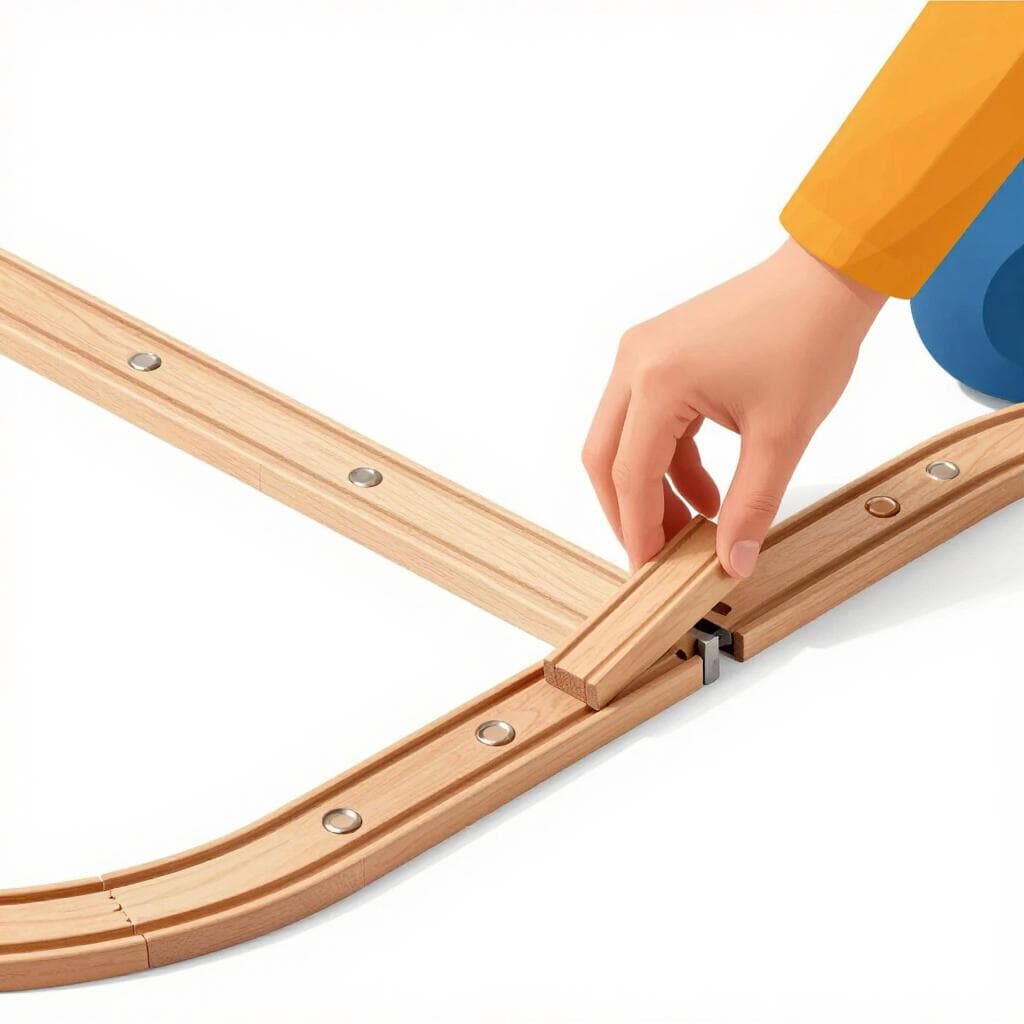


to lengthen, to make longer
Also: to let out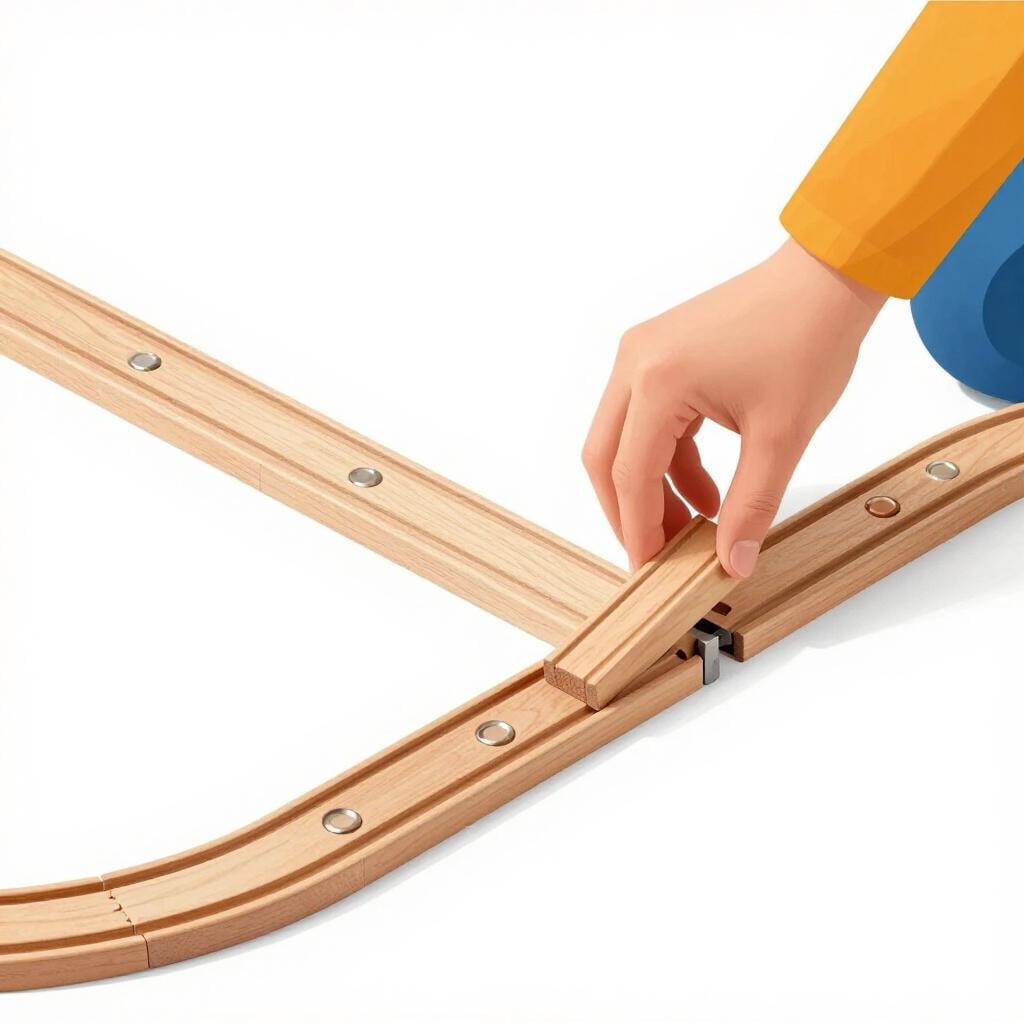
📝 In Action
Tengo que alargar estos pantalones porque me quedan cortos.
A2I have to lengthen these pants because they are too short for me.
Vamos a alargar la cuerda para que llegue al suelo.
B1We are going to make the rope longer so it reaches the ground.
Si quieres alargar el paso, llegaremos más rápido.
B2If you want to lengthen your stride (walk faster), we will arrive sooner.
to extend, to prolong
Also: to drag out
📝 In Action
Hemos decidido alargar nuestras vacaciones una semana más.
A2We have decided to extend our vacation for one more week.
No quiero alargar la reunión innecesariamente.
B1I don't want to prolong the meeting unnecessarily.
Ella siempre alarga sus historias con muchos detalles.
B2She always drags out her stories with many details.
to reach out, to hand over
Also: to stretch out
📝 In Action
Alargó la mano para coger el libro de la estantería.
B1He reached out his hand to grab the book from the shelf.
¿Me puedes alargar ese bolígrafo, por favor?
B2Can you hand me that pen, please?
El niño alargaba el brazo para tocar el agua.
B1The boy was stretching out his arm to touch the water.
Subjunctive
Imperfect Subjunctive
Present Subjunctive
Indicative
Preterite
Imperfect
Present
Translate to Spanish
✏️ Quick Practice
Quick Quiz: alargar
Question 1 of 3
Which of these is the correct 'I' form of the past tense?
📚 More Resources
👥 Word Family▼
📚 Etymology▼
Derived from the Spanish adjective 'largo' (long), which comes from the Latin 'largus' (meaning abundant or spacious). The prefix 'a-' is added to indicate a transition or action.
First recorded: 13th century
Cognates (Related words)
💡 Master Spanish
Take your Spanish to the next level. Read 200+ illustrated and narrated Spanish stories tailored to your level with the Inklingo app!
Frequently Asked Questions
What's the difference between 'alargar' and 'prolongar'?
They are often interchangeable. However, 'alargar' is more common for physical objects (like pants), while 'prolongar' sounds slightly more formal and is mostly used for time (like a meeting).
Does 'alargar' change its stem like 'entender'?
No, it is a regular -ar verb in terms of the stem, but it has a minor spelling change (g to gu) in the past 'yo' form and all 'subjunctive' forms.
Can I use 'alargar' to mean 'to hand something'?
Yes! In informal settings, asking someone to 'alargar' you an object means you want them to reach out and pass it to you.