asusté
“asusté” means “I scared” in Spanish (to cause someone to feel fear or surprise).
I scared
Also: I frightened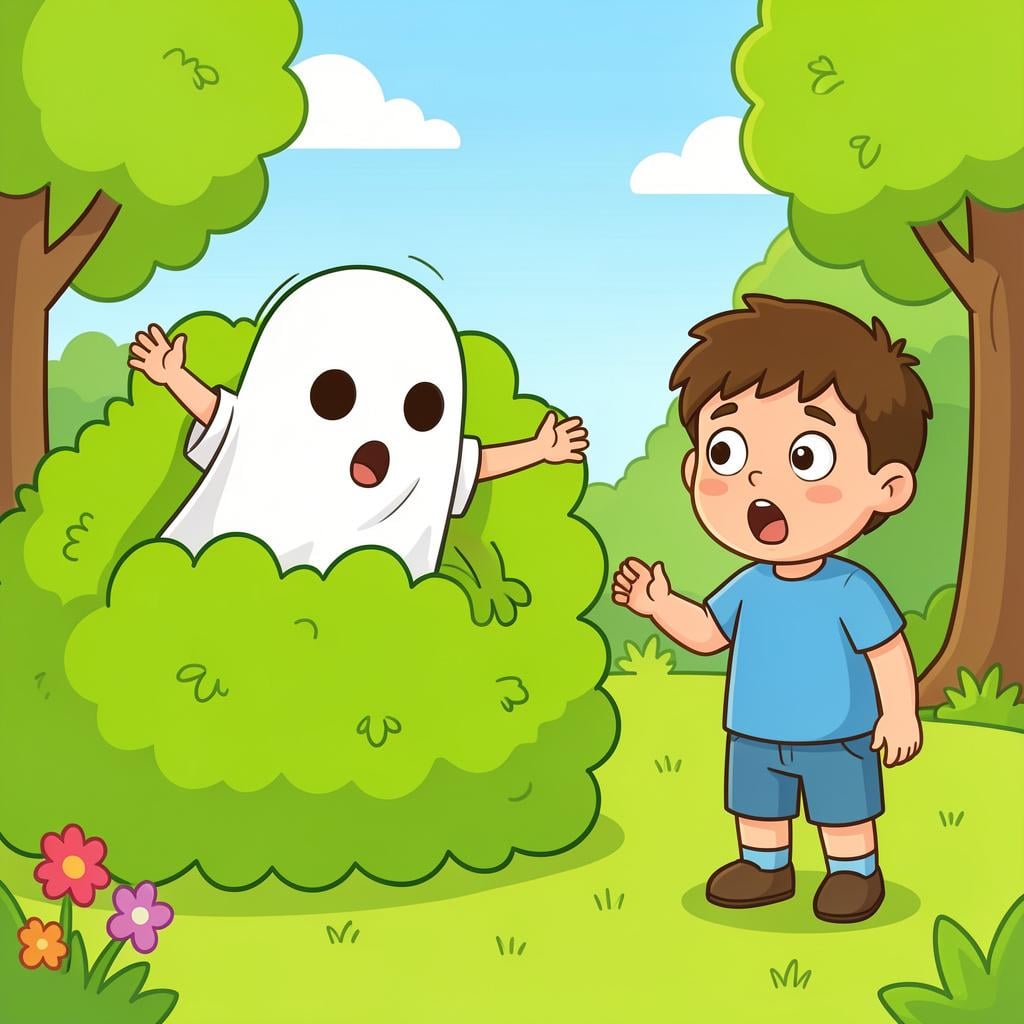
📝 In Action
Asusté a mi gato cuando entré a la habitación.
A2I scared my cat when I entered the room.
Perdón, no quería hacerlo, te asusté.
B1Sorry, I didn't want to do that, I scared you.
🔄 Conjugations
subjunctive
imperfect
present
indicative
preterite
imperfect
present
Translate to Spanish
✏️ Quick Practice
Quick Quiz: asusté
Question 1 of 1
If you want to say 'I scared my friend' in the past, which word should you use?
📚 More Resources
📚 Etymology▼
Comes from the Spanish noun 'susto' (fright), which traces back to Latin roots related to 'shaking' or 'sudden movement'.
First recorded: 15th century
💡 Master Spanish
Take your Spanish to the next level. Read 200+ illustrated and narrated Spanish stories tailored to your level with the Inklingo app!
Frequently Asked Questions
What is the difference between 'asusté' and 'asustaba'?
'Asusté' is for a specific, finished moment (I scared him once). 'Asustaba' is for something that happened repeatedly or was ongoing (I used to scare him).