dejaré
“dejaré” means “I will leave” in Spanish. It has 2 different meanings depending on context:
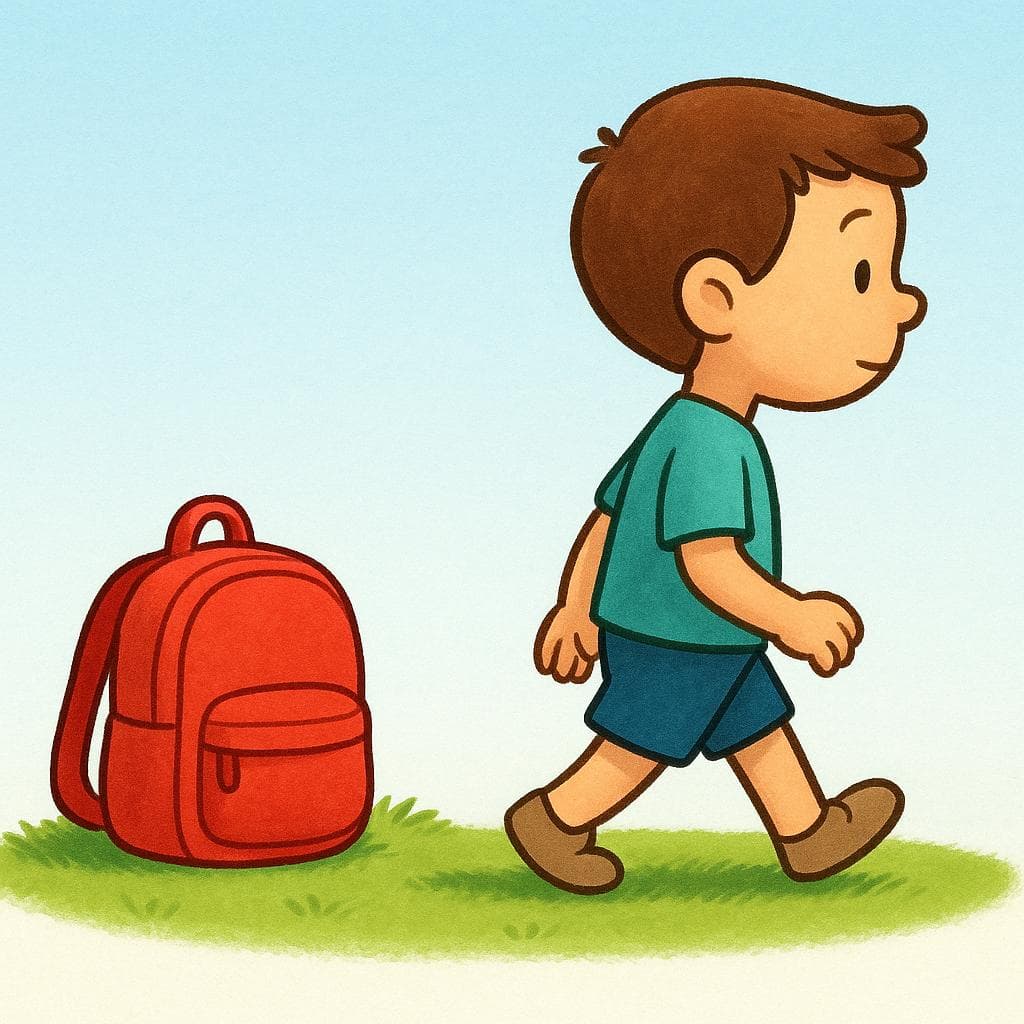

I will leave, I will abandon
Also: I will forget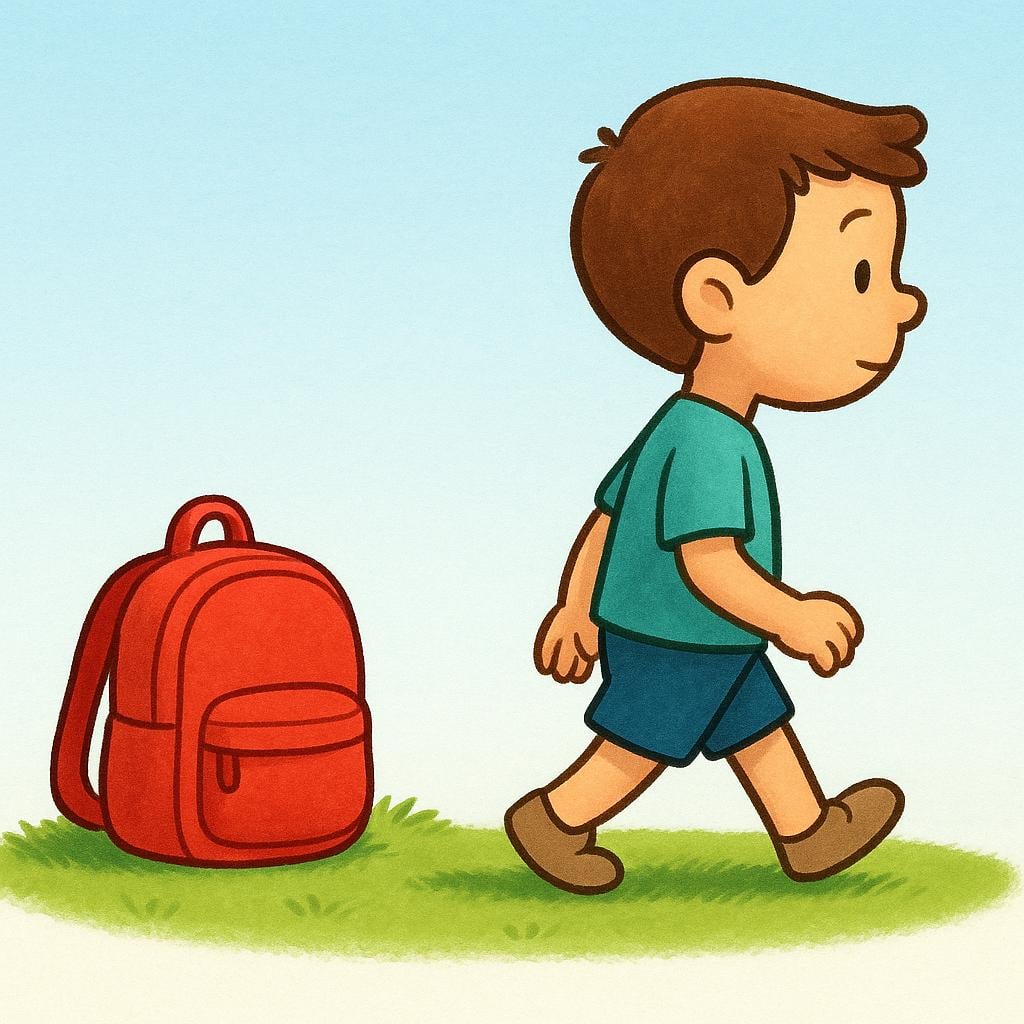
📝 In Action
Dejaré las llaves en la mesa antes de irme.
A1I will leave the keys on the table before leaving.
No te dejaré, siempre estaré contigo.
A2I will not abandon you; I will always be with you.
I will let, I will permit
Also: I will stop
📝 In Action
Mi madre dice que me dejaré jugar videojuegos después de la tarea.
A2My mother says she will let me play video games after the homework.
Dejaré de comer dulces la próxima semana.
B1I will stop eating candy next week.
🔄 Conjugations
indicative
present
imperfect
preterite
subjunctive
present
imperfect
✏️ Quick Practice
Quick Quiz: dejaré
Question 1 of 1
Which of these sentences correctly uses 'dejaré' in the sense of permission?
📚 More Resources
👥 Word Family▼
🎵 Rhymes▼
📚 Etymology▼
Comes from the Latin word *laxare*, which meant 'to loosen' or 'to relax.' This sense evolved in Spanish to mean 'to let go of' or 'to leave behind.'
First recorded: Around the 10th century
Cognates (Related words)
💡 Master Spanish
Take your Spanish to the next level. Read 200+ illustrated and narrated Spanish stories tailored to your level with the Inklingo app!
Frequently Asked Questions
How do I know if 'dejaré' means 'I will leave' or 'I will let'?
Look at the rest of the sentence. If 'dejaré' is followed by a person/thing and then another verb in its base form (like 'correr' or 'hablar'), it means 'I will let them do something' (e.g., 'Dejaré que corras'). If it's followed by a direct object or a location, it usually means 'I will leave it/them there' (e.g., 'Dejaré mi bolso').
Is 'dejaré' a difficult verb form?
No, it's one of the easiest! It is a regular verb, meaning the future form is built directly from the base form ('dejar') plus the standard future ending ('-é'). Once you know the pattern, it works for thousands of other Spanish verbs.