desaparezca
“desaparezca” means “disappear” in Spanish (when expressing a wish, doubt, or suggestion).
disappear
Also: vanish, go away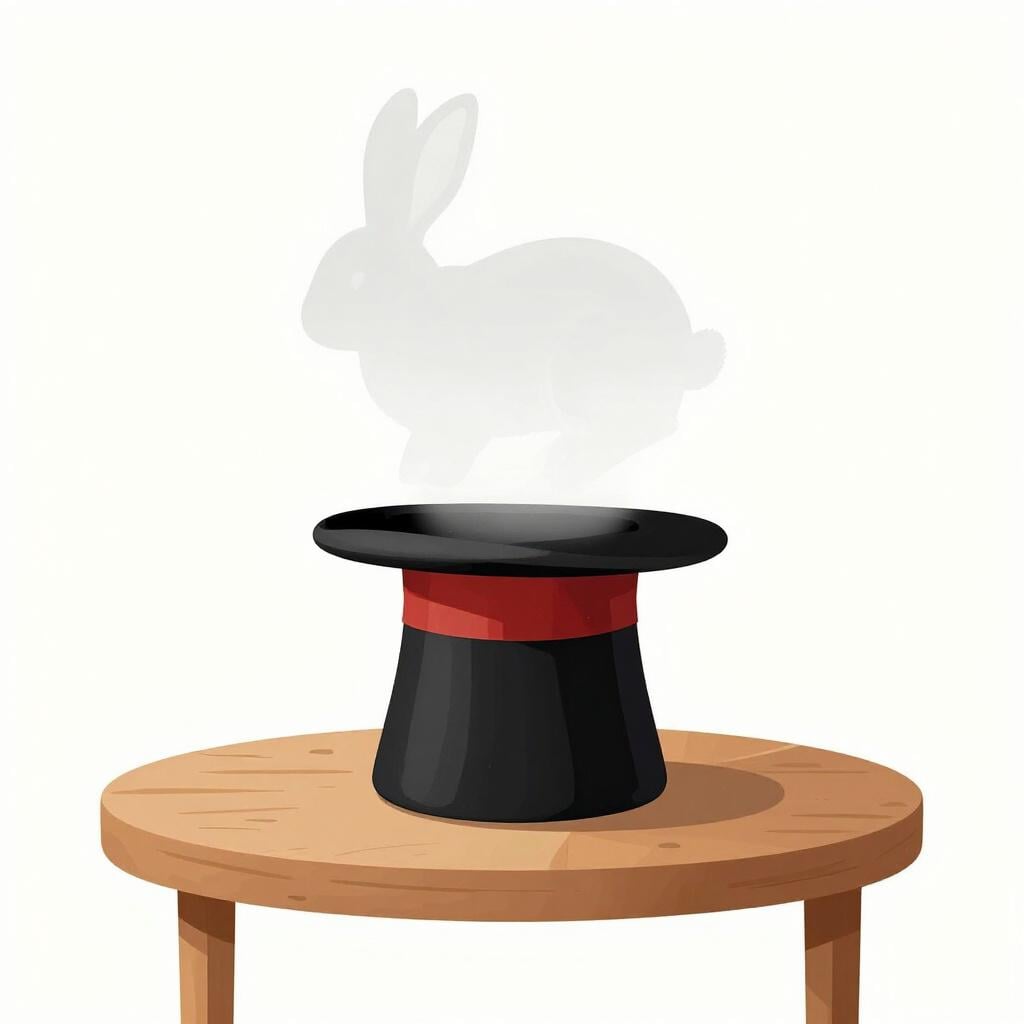
📝 In Action
Espero que la mancha desaparezca después de lavarla.
B1I hope the stain disappears after washing it.
Dudo que el problema desaparezca por sí solo.
B1I doubt the problem will disappear on its own.
¡Por favor, desaparezca de mi vista!
B2Please, get out of my sight!
No quiero que el sol desaparezca todavía.
B1I don't want the sun to go down yet.
Subjunctive
Imperfect Subjunctive
Present Subjunctive
Indicative
Preterite
Imperfect
Present
Translate to Spanish
✏️ Quick Practice
Quick Quiz: desaparezca
Question 1 of 1
Which sentence expresses a wish that something vanishes?
📚 More Resources
👥 Word Family▼
🎵 Rhymes▼
📚 Etymology▼
From the Spanish prefix 'des-' (meaning 'undo') and the verb 'aparecer' (to appear), which comes from Latin 'apparescere'.
First recorded: 13th century
Cognates (Related words)
💡 Master Spanish
Take your Spanish to the next level. Read 200+ illustrated and narrated Spanish stories tailored to your level with the Inklingo app!
Frequently Asked Questions
When do I use 'desaparece' vs. 'desaparezca'?
Use 'desaparece' for facts (The sun disappears). Use 'desaparezca' for things that aren't facts yet, like wishes (I hope it disappears), doubts (I don't think it disappears), or formal commands.
Does 'desaparezca' refer to 'me' or 'them'?
It can be both! It is used for 'yo' (I), 'él/ella' (he/she/it), and 'usted' (you, formal).