diferir
“diferir” means “to differ” in Spanish. It has 2 different meanings depending on context:
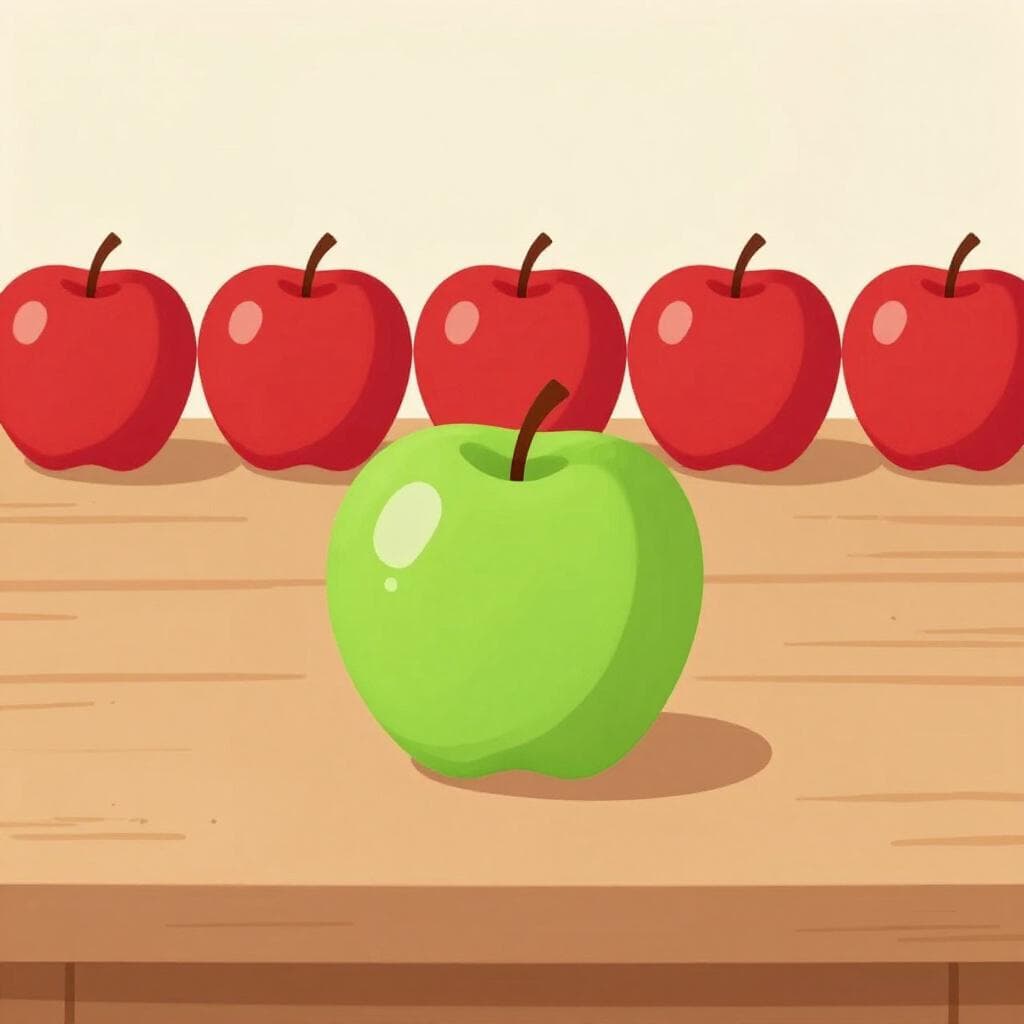

to differ
Also: to disagree
📝 In Action
Nuestras opiniones sobre la película difieren mucho.
B1Our opinions about the movie differ a lot.
Este modelo difiere del anterior en el tamaño de la pantalla.
B2This model differs from the previous one in screen size.
Lamento diferir con usted, pero creo que los datos son incorrectos.
C1I'm sorry to disagree with you, but I believe the data is incorrect.
to postpone
Also: to defer
📝 In Action
Han decidido diferir el pago hasta el próximo mes.
B2They have decided to defer the payment until next month.
El juez difirió la sentencia para estudiar mejor el caso.
C1The judge postponed the sentencing to study the case better.
No podemos diferir esta decisión por más tiempo.
C1We cannot put off this decision any longer.
Subjunctive
Imperfect Subjunctive
Present Subjunctive
Indicative
Preterite
Imperfect
Present
Translate to Spanish
✏️ Quick Practice
Quick Quiz: diferir
Question 1 of 3
Which sentence means 'The siblings are very different from each other'?
📚 More Resources
👥 Word Family▼
🎵 Rhymes▼
📚 Etymology▼
From Latin 'differre', which combines 'dis-' (apart) and 'ferre' (to carry). Literally, it means to carry things in different directions.
First recorded: 13th century
Cognates (Related words)
💡 Master Spanish
Take your Spanish to the next level. Read 200+ illustrated and narrated Spanish stories tailored to your level with the Inklingo app!
Frequently Asked Questions
Is 'diferir' the same as 'ser diferente'?
Mostly, yes. 'Diferir' is a verb ('to differ'), while 'ser diferente' uses an adjective ('to be different'). 'Diferir' sounds more formal.
When should I use 'diferir' instead of 'aplazar'?
Use 'aplazar' for daily things like a meeting or a doctor's visit. Use 'diferir' for formal things like taxes, legal sentences, or financial payments.
How do I conjugate the 'they' form in the past?
It's 'difirieron'. The 'e' changes to 'i' in the third-person plural of the preterite past tense.