Inklingo

echarte

/eh-CHAR-teh/

to miss you

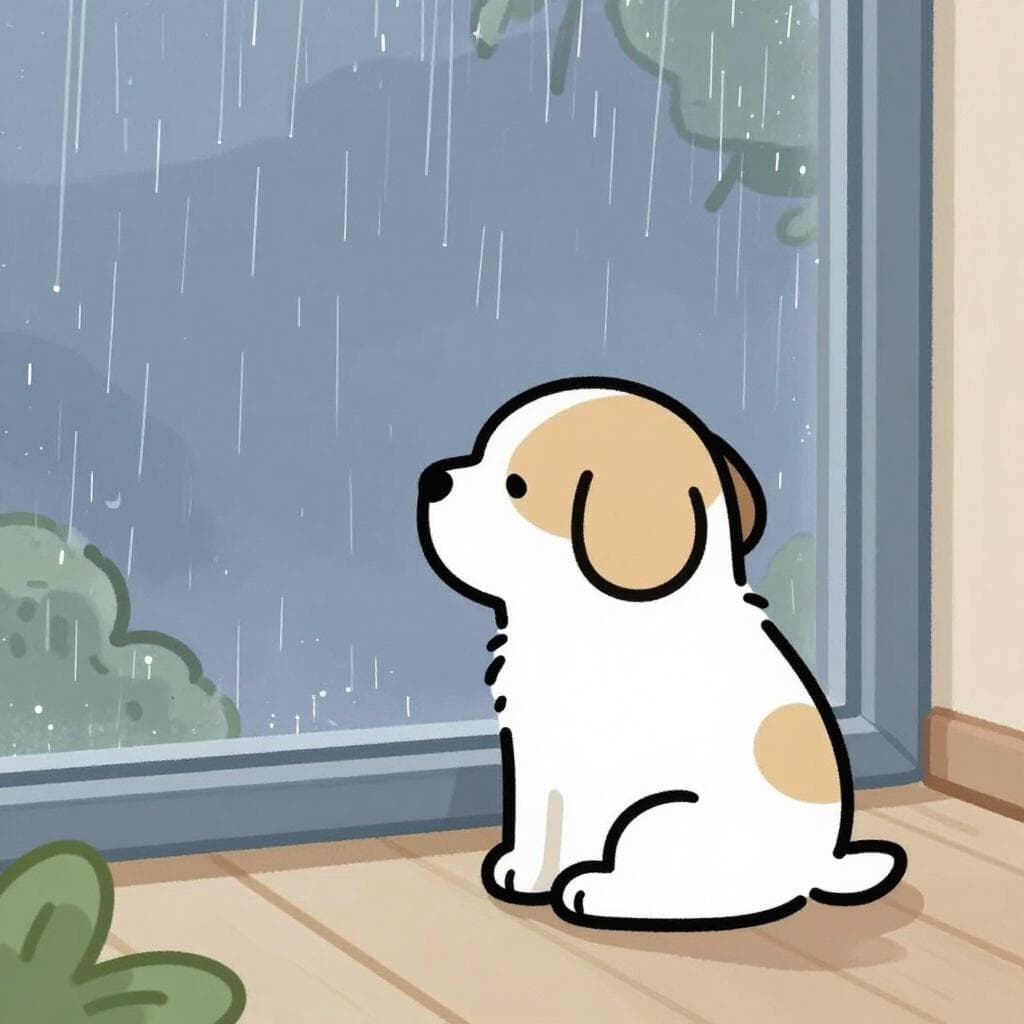
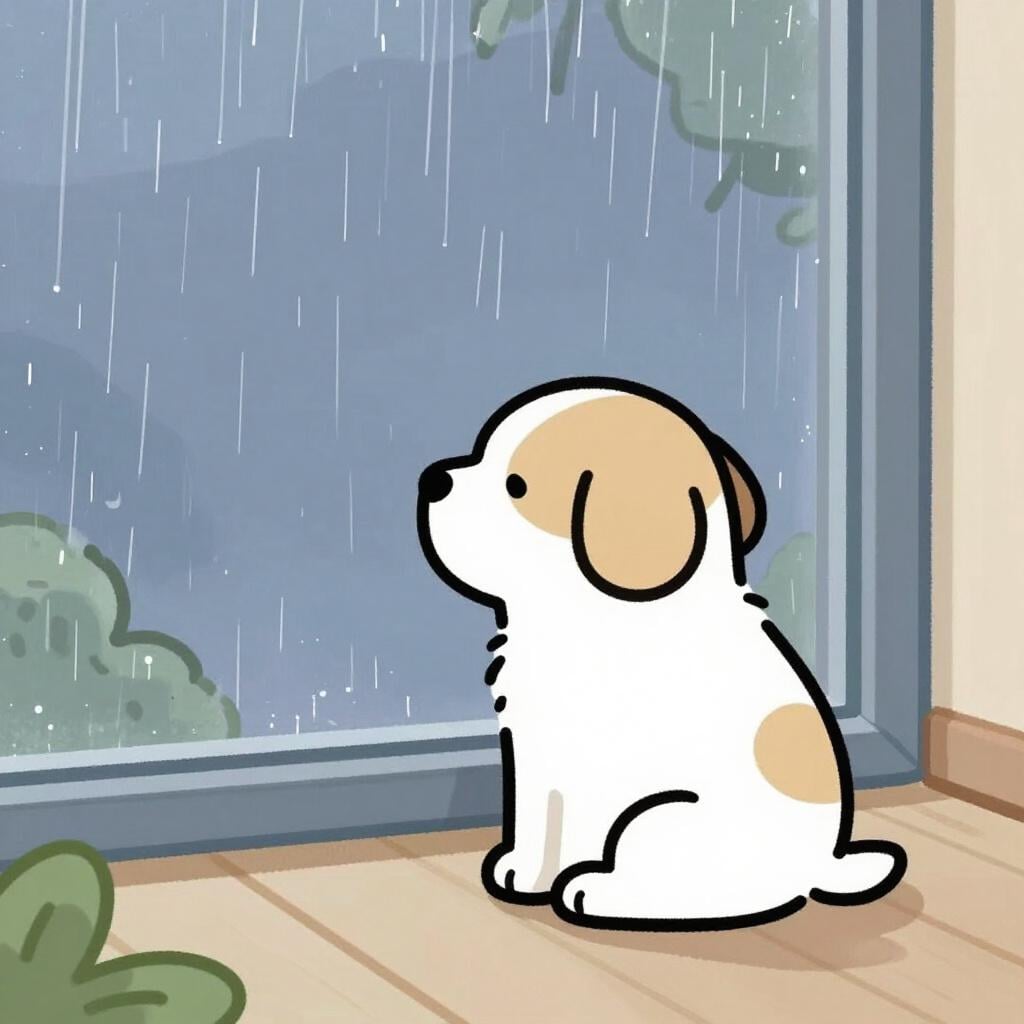
A sad dog sitting by a window looking outside.

A scene illustrating the feeling of missing someone.

echarte(verb)

A2regular ar

to miss you

?

used with 'de menos'

Also:

to think about you

?

specifically longing for someone

📝 In Action

Voy a echarte de menos cuando te vayas.

A2

I am going to miss you when you leave.

Es imposible no echarte de menos.

A2

It is impossible not to miss you.

Word Connections

Synonyms

  • extrañarte (to miss you (Latin America))

Antonyms

  • olvidarte (to forget you)

Common Collocations

  • echarte de menosto miss you

💡 Grammar Points

The 'Te' Suffix

The 'te' at the end of the word means 'you'. In Spanish, when you use a 'to' verb (like 'to miss'), the person receiving the action can stick right to the end of it.

❌ Common Pitfalls

The 'de menos' trap

Mistake: "Saying 'echarte' by itself to mean 'miss you'."

Correction: You must say 'echarte DE MENOS'. Without 'de menos', it just means 'to throw you'.

⭐ Usage Tips

Regional Preference

In Spain, 'echarte de menos' is the king of expressions for missing someone, while in Mexico or Colombia, you might hear 'extrañarte' more often.

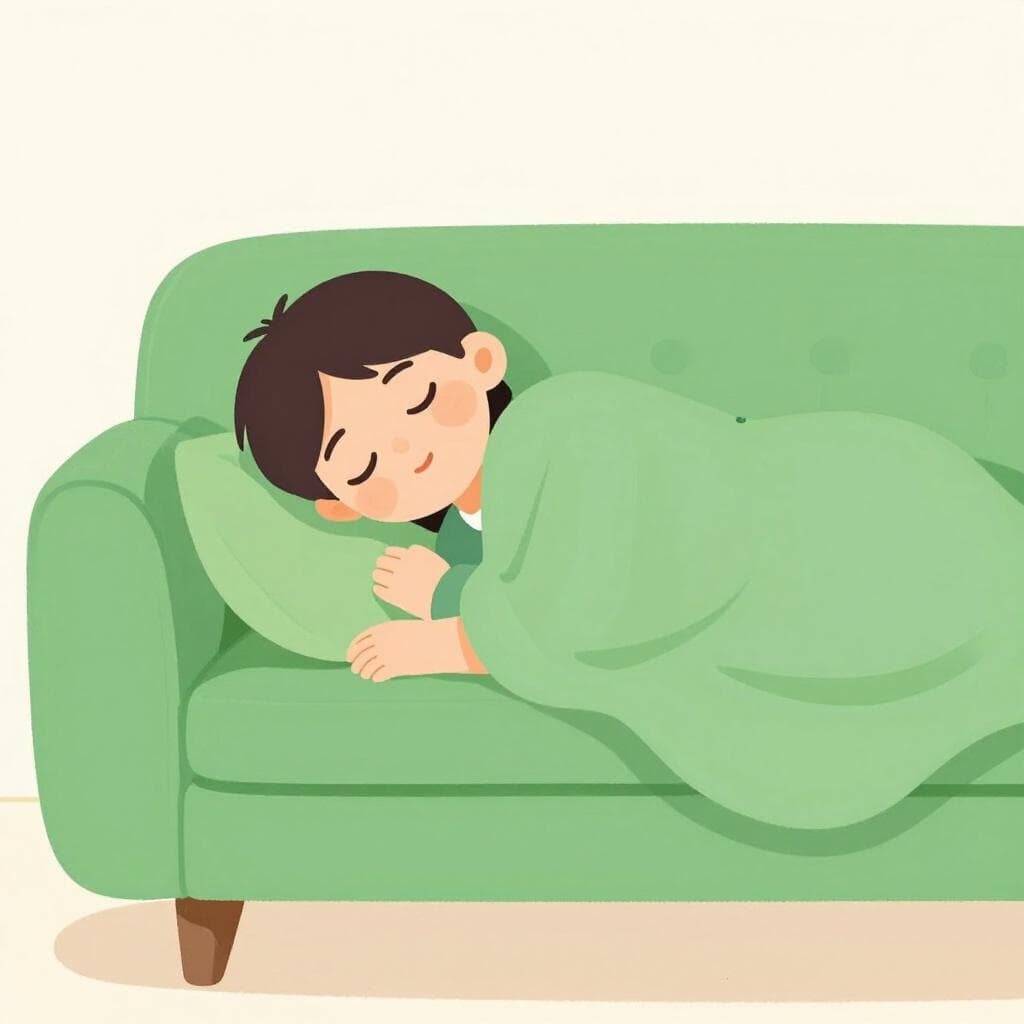
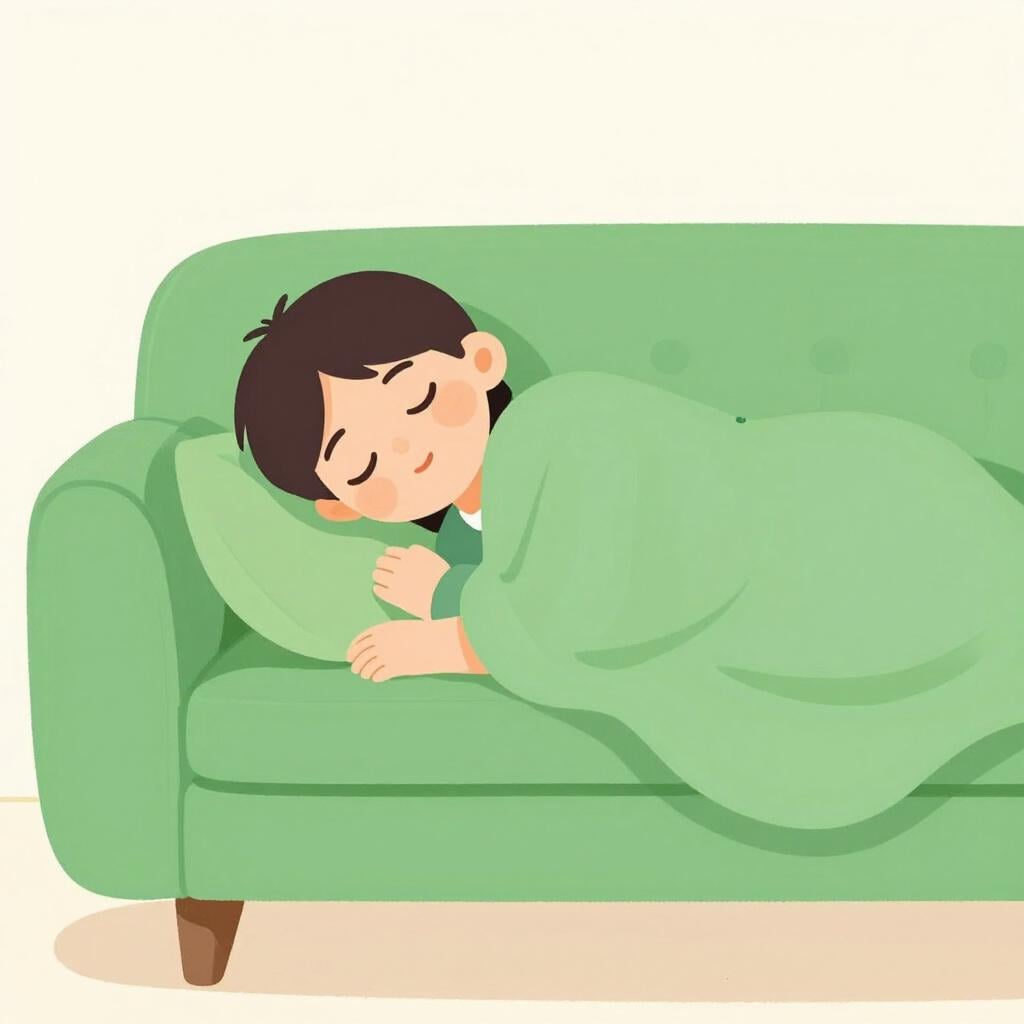
A person resting comfortably on a soft green sofa.

A person lying down to rest.

echarte(verb)

A2regular ar

to lie down

?

physical posture

Also:

to throw yourself

?

moving onto a surface

,

to take a nap

?

used with 'una siesta'

📝 In Action

Deberías echarte un rato en el sofá.

A2

You should lie down for a while on the sofa.

¿Vas a echarte una siesta?

A1

Are you going to take a nap?

Word Connections

Synonyms

  • acostarte (to go to bed / lie down)
  • tumbarte (to lie down)

Antonyms

Common Collocations

  • echarte una siestato take a nap
  • echarte a reírto burst out laughing

Idioms & Expressions

  • echarte un cableTo help you out when you are in trouble.

💡 Grammar Points

Reflexive Action

In this meaning, the 'te' shows that you are doing the action to yourself. You aren't throwing something else; you are throwing YOURSELF down to rest.

⭐ Usage Tips

Nap time

To sound like a native, use 'echarte una siesta' instead of 'dormir una siesta'—it sounds more natural!

🔄 Conjugations

subjunctive

imperfect

ellos/ellas/ustedeste echaran
yote echara
te echaras
vosotrosos echarais
nosotrosnos echáramos
él/ella/ustedte echara

present

ellos/ellas/ustedeste echen
yote eche
te eches
vosotrosos echéis
nosotrosnos echemos
él/ella/ustedte eche

indicative

preterite

ellos/ellas/ustedeste echaron
yote eché
te echaste
vosotrosos echasteis
nosotrosnos echamos
él/ella/ustedte echó

imperfect

ellos/ellas/ustedeste echaban
yote echaba
te echabas
vosotrosos echabais
nosotrosnos echábamos
él/ella/ustedte echaba

present

ellos/ellas/ustedeste echan
yote echo
te echas
vosotrosos echáis
nosotrosnos echamos
él/ella/ustedte echa

✏️ Quick Practice

💡 Quick Quiz: echarte

Question 1 of 2

What does 'echarte de menos' mean?

📚 More Resources

Frequently Asked Questions

Is 'echarte' one word or two?

It is written as one word, but it is actually two parts: 'echar' (the action) and 'te' (the person 'you').

Can I say 'te echar' instead?

No. If the verb is in its 'to [do]' form (the infinitive), the 'te' must go at the end: 'echarte'.