escupir
“escupir” means “to spit” in Spanish. It has 2 different meanings depending on context:

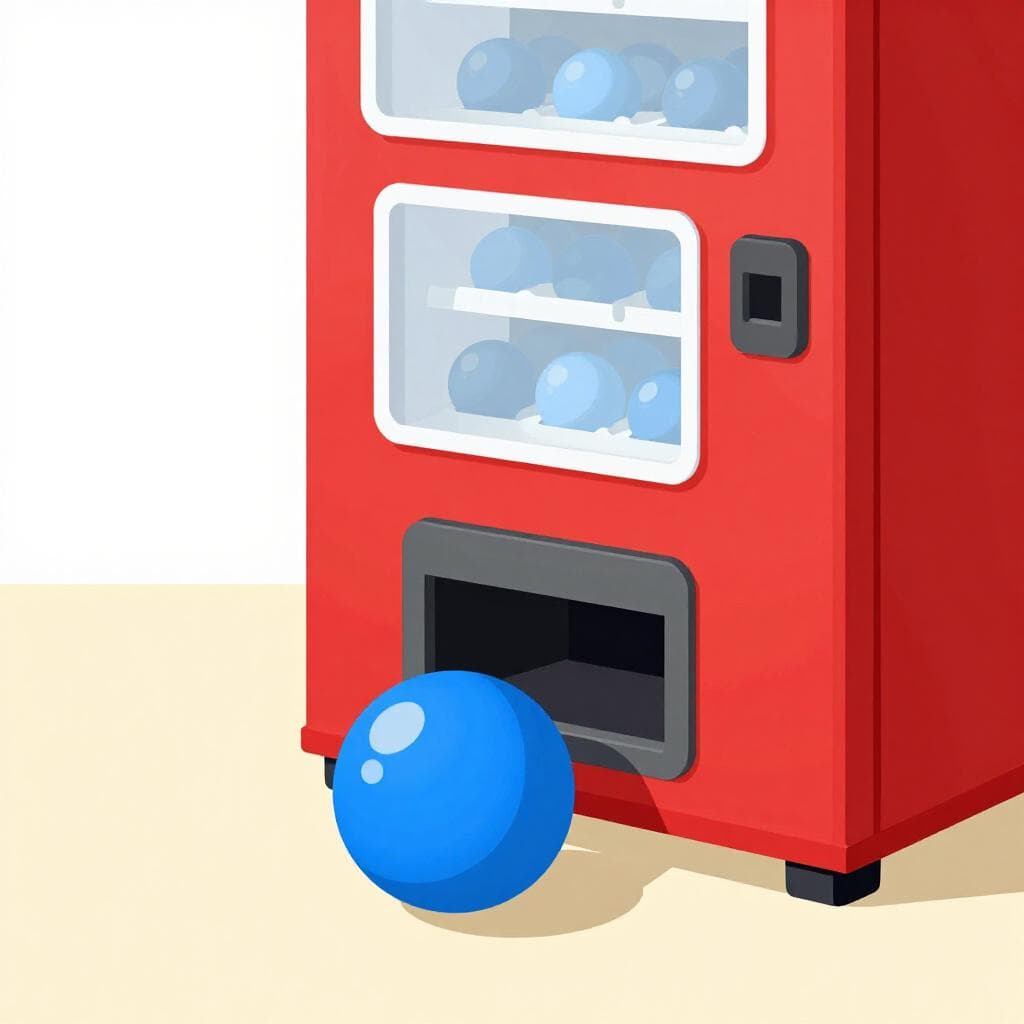
to spit
Also: to spit out
📝 In Action
No es buena educación escupir en el suelo.
A2It is not good manners to spit on the ground.
El niño escupió el jarabe porque sabía muy mal.
B1The boy spat out the syrup because it tasted very bad.
El boxeador escupió un poco de sangre después del golpe.
B2The boxer spat out some blood after the hit.
to eject, to spit out
Also: to hiss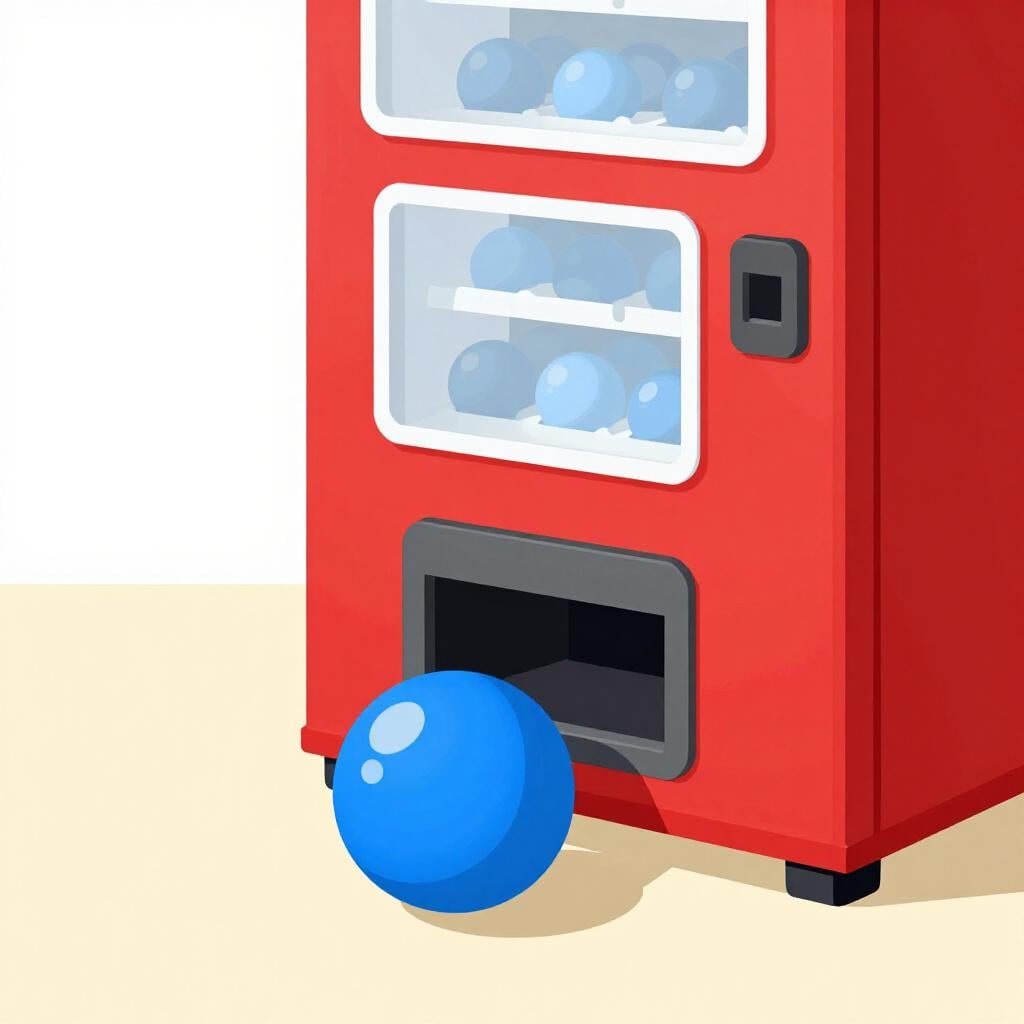
📝 In Action
El cajero automático me escupió la tarjeta de repente.
B1The ATM spat my card out suddenly.
El volcán empezó a escupir cenizas y lava.
B2The volcano began to spit out ashes and lava.
Me escupió las palabras con mucho odio.
C1He spat the words at me with a lot of hatred.
Subjunctive
Imperfect Subjunctive
Present Subjunctive
Indicative
Preterite
Imperfect
Present
✏️ Quick Practice
Quick Quiz: escupir
Question 1 of 3
Which of these means 'to backfire' or 'have your actions come back to hurt you'?
📚 More Resources
👥 Word Family▼
📚 Etymology▼
From the Latin word 'ex-conspuere', which means to spit out with force.
First recorded: 13th century
Cognates (Related words)
💡 Master Spanish
Take your Spanish to the next level. Read 200+ illustrated and narrated Spanish stories tailored to your level with the Inklingo app!
Frequently Asked Questions
Is 'escupir' a rude word?
The word itself is neutral, but the action is often seen as impolite or gross in many social settings.
Can I use 'escupir' for 'to spit out' a secret?
Yes, it can be used figuratively for someone 'spitting out' a truth or a harsh comment in anger.
Is 'escupir' irregular?
No, it is a perfectly regular -ir verb, following the same patterns as 'vivir' or 'escribir'.