espeluznante
“espeluznante” means “hair-raising” in Spanish (something that makes your hair stand on end).
hair-raising, creepy
Also: spine-chilling, horrifying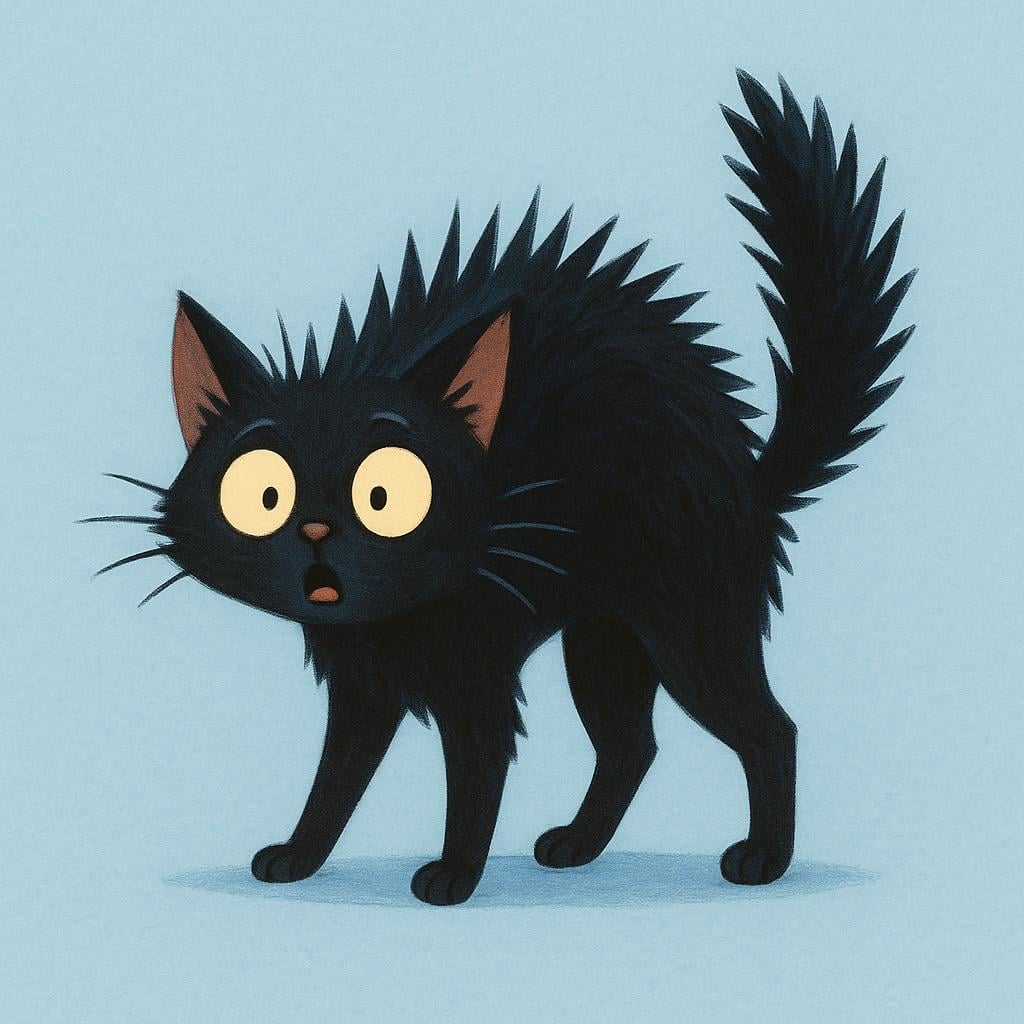
📝 In Action
La película de anoche tuvo un final espeluznante.
B1Last night's movie had a hair-raising ending.
Escuchamos un grito espeluznante que venía del sótano.
B2We heard a spine-chilling scream coming from the basement.
Los detalles del accidente son realmente espeluznantes.
C1The details of the accident are truly horrifying.
Translate to Spanish
✏️ Quick Practice
Quick Quiz: espeluznante
Question 1 of 1
Which of these would most likely be described as 'espeluznante'?
📚 More Resources
👥 Word Family▼
🎵 Rhymes▼
📚 Etymology▼
Derived from the verb 'espeluznar', which comes from 'peluznar' (to pull or ruffle hair). It combines 'e-' (out/up) and 'pelo' (hair).
First recorded: 16th century
💡 Master Spanish
Take your Spanish to the next level. Read 200+ illustrated and narrated Spanish stories tailored to your level with the Inklingo app!
Frequently Asked Questions
Is 'espeluznante' only for ghosts and monsters?
Not at all! While it's great for spooky stories, you can also use it to describe shocking news, a terrible accident, or a very unsettling sound.
How do I say 'espeluznante' for a group of things?
Just add an 's' at the end: 'espeluznantes'. It works for both masculine and feminine groups.