insignia
“insignia” means “badge” in Spanish. It has 2 different meanings depending on context:

badge, emblem
Also: logo, token
📝 In Action
El oficial lleva una insignia de plata en su uniforme.
A2The officer wears a silver badge on his uniform.
¡Felicidades! Has ganado una insignia por completar el curso de español.
A2Congratulations! You've earned a badge for completing the Spanish course.
Cada club tiene su propia insignia bordada en la chaqueta.
B1Every club has its own emblem embroidered on the jacket.
flagship
Also: hallmark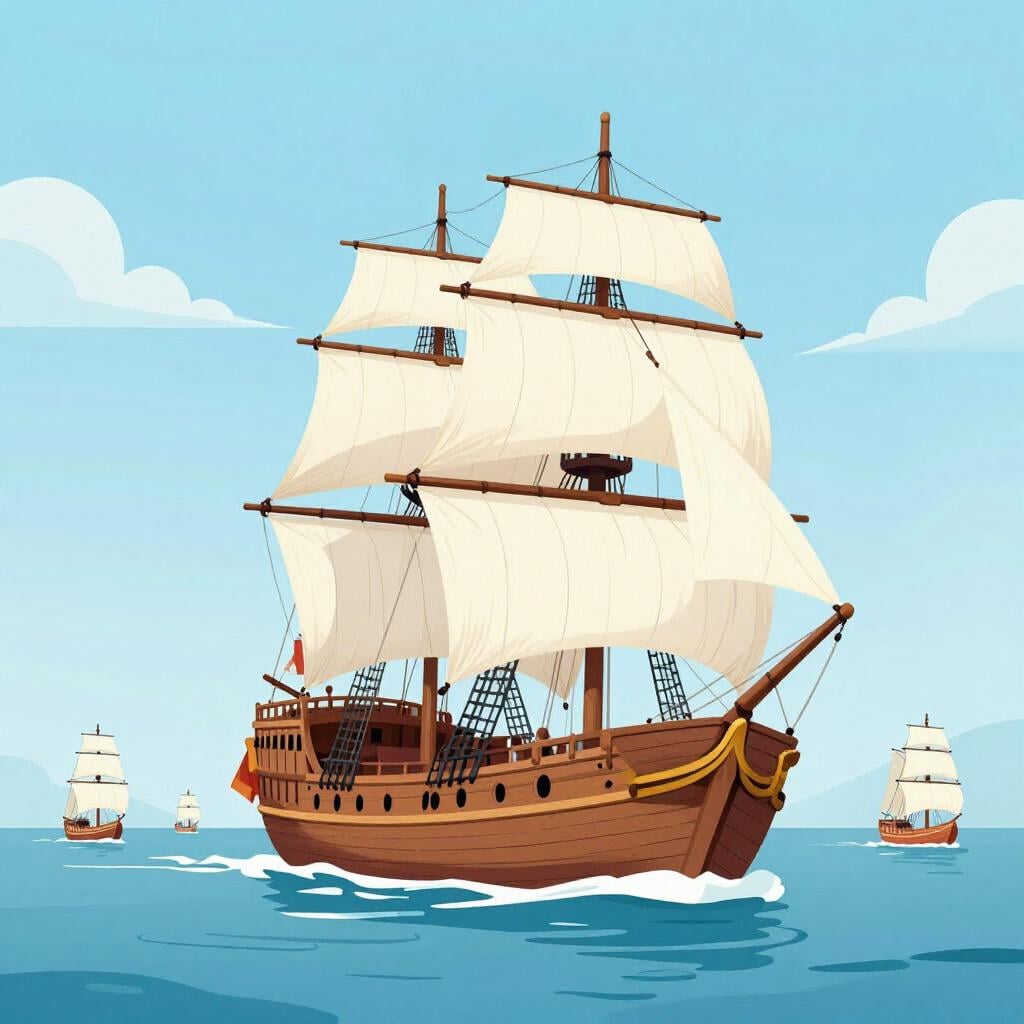
📝 In Action
Este modelo es el producto insignia de nuestra compañía.
B2This model is our company's flagship product.
El Titanic era el buque insignia de la White Star Line.
B2The Titanic was the flagship of the White Star Line.
La tienda de Madrid es la tienda insignia de la marca.
B2The Madrid store is the brand's flagship store.
Translate to Spanish
✏️ Quick Practice
Quick Quiz: insignia
Question 1 of 3
If a company has one main, famous store in New York, that store is called their...
📚 More Resources
👥 Word Family▼
🎵 Rhymes▼
📚 Etymology▼
From the Latin 'insignia,' which was the plural of 'insigne' (a distinctive mark). In Latin, it literally meant 'things that have a sign on them.'
First recorded: 13th century
Cognates (Related words)
💡 Master Spanish
Take your Spanish to the next level. Read 200+ illustrated and narrated Spanish stories tailored to your level with the Inklingo app!
Frequently Asked Questions
Is 'insignia' used for traffic signs?
No. For traffic signs or general street signs, you should use the word 'señal'.
Can 'insignia' be masculine?
No, it is always a feminine noun (la insignia), even if it describes something masculine like 'el buque' (the ship).
Does it mean the same thing as 'logotipo'?
They are related, but a 'logotipo' (logo) is usually for marketing, while an 'insignia' usually implies a badge of honor, rank, or membership.