How to Say "token" in Spanish
The most common Spanish word for “token” is “ficha” — use 'ficha' for a small, physical piece used in games, or to operate machines like laundry machines or arcade games.


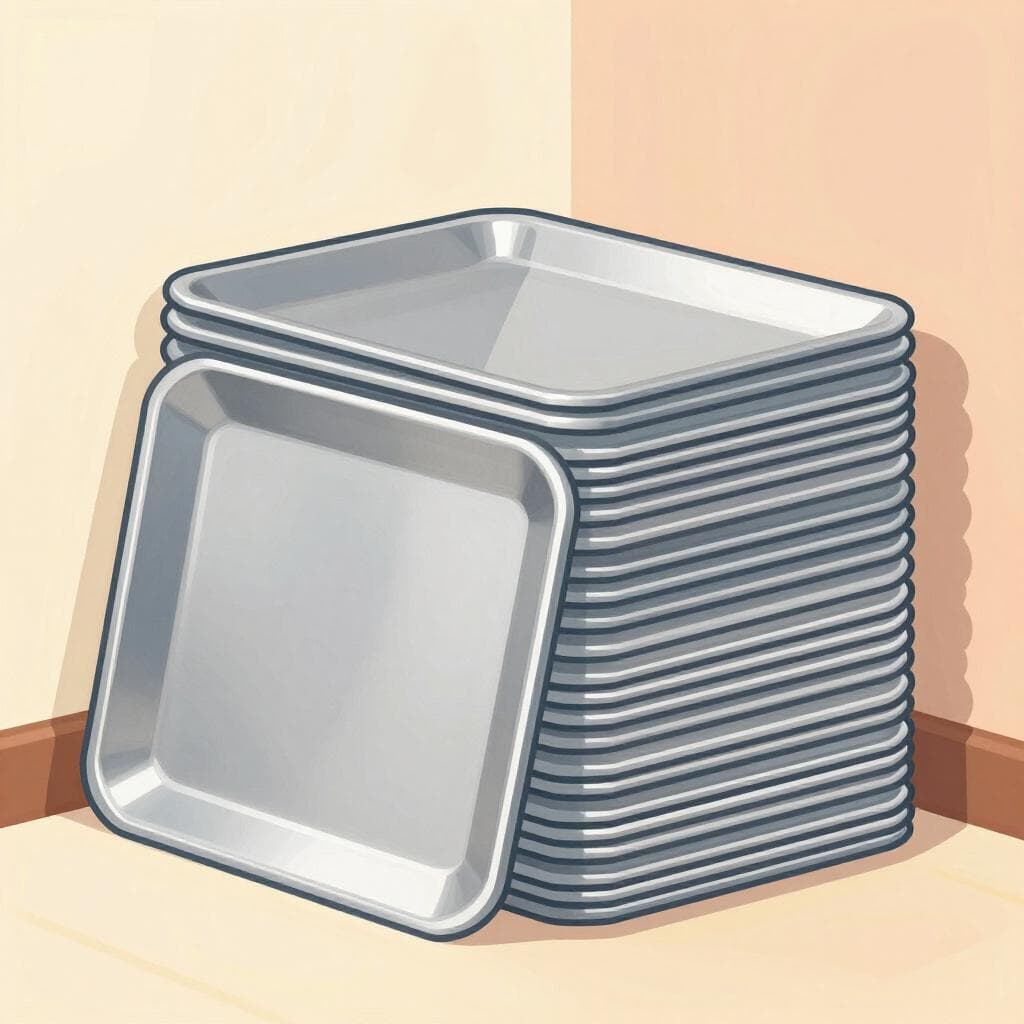



ficha
FEE-chahˈfitʃa

Examples
Necesito una ficha para la lavadora.
I need a token for the washing machine.
Es tu turno, mueve una ficha.
It's your turn, move a piece.
Perdí una ficha roja de mi juego de parchís.
I lost a red piece from my Parcheesi game.
Introduce la ficha en la máquina para empezar.
Insert the token into the machine to start.
Always Feminine
The word 'ficha' is always feminine. Even if the game piece represents a king or a male soldier, you still say 'la ficha'.
Ficha vs. Moneda
Use 'ficha' for plastic or metal discs used in machines (like at a laundry or arcade). Use 'moneda' for actual currency/money.
Confusing Ficha and Pieza
Mistake: “Using 'ficha' for complex 3D characters.”
Correction: Use 'ficha' for flat things (chips, checkers, dominoes). For 3D characters like in Monopoly or Dungeons & Dragons, use 'figura' or 'pieza'.
presente
preh-SEN-tehpɾeˈsente

Examples
Le di un pequeño presente por su ayuda.
I gave him a small token for his help.
Le trajimos un pequeño presente de agradecimiento.
We brought him a small token of gratitude.
El presente vino envuelto en un papel brillante.
The present came wrapped in shiny paper.
chapa
CHAH-pahˈtʃapa
Examples
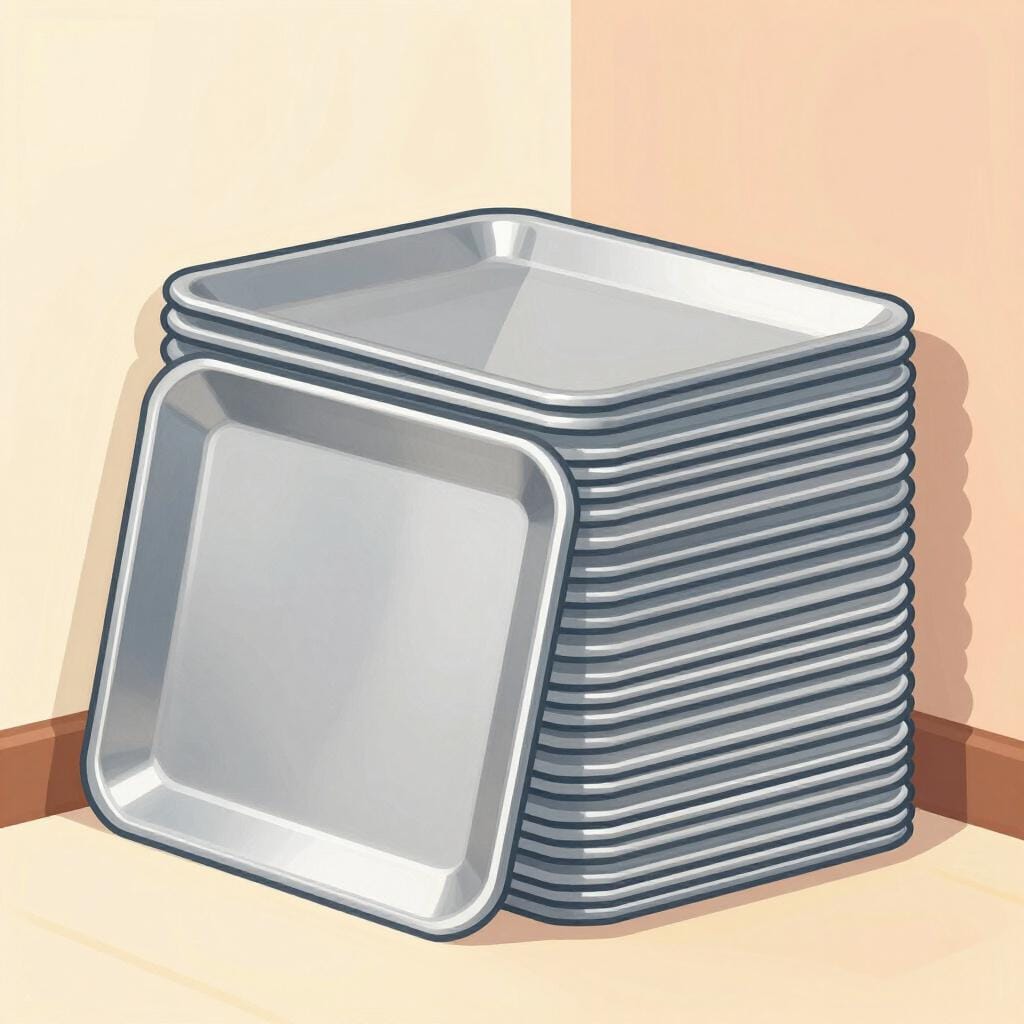
La máquina expendedora acepta solo chapas.
The vending machine only accepts tokens.
El coche tiene una abolladura en la chapa.
The car has a dent in the metal body.
¿Tienes un abridor? No puedo quitar la chapa.
Do you have an opener? I can't get the bottle cap off.
Los niños juegan con chapas en el recreo.
The children play with bottle caps during recess.
Describing Material
When saying something is made of sheet metal, always use 'de' followed by 'chapa', like 'una caja de chapa' (a metal box).
Always Feminine
Even if referring to a hard, masculine-looking car part, the word 'chapa' is always feminine: 'la chapa'.
Cap vs. Cork
Mistake: “Using 'tapón' for a metal beer cap.”
Correction: Use 'chapa' for metal crown caps and 'tapón' for plastic screw caps or corks.
gesto
HES-tohˈxes.to

Examples
Su ayuda fue un bonito gesto de amistad.
His help was a nice token of friendship.
Tener un gesto tan generoso con los vecinos fue admirable.
Having such a generous act toward the neighbors was admirable.
El jefe tuvo el gesto de darnos el viernes libre.
The boss had the kindness to give us Friday off.
Le encantó el gesto de su abuela de enviarle flores.
He loved his grandmother's thoughtful gesture of sending him flowers.
Using 'Tener'
When talking about performing a kind act, Spanish often uses the verb 'tener' (to have) instead of 'hacer' (to do): 'Tuvo un gesto amable' (He had a kind act).
Confusing meanings
Mistake: “Using 'gesto' to mean a large, physical feat or heroic action.”
Correction: This meaning of 'gesto' usually refers to small, personal, and thoughtful actions, not huge deeds. Use 'hazaña' or 'acción' for heroic acts.
insignia
een-SEEG-nyahinˈsiɣnja

Examples
El policía mostró su insignia.
The police officer showed his token (badge).
El oficial lleva una insignia de plata en su uniforme.
The officer wears a silver badge on his uniform.
¡Felicidades! Has ganado una insignia por completar el curso de español.
Congratulations! You've earned a badge for completing the Spanish course.
Cada club tiene su propia insignia bordada en la chaqueta.
Every club has its own emblem embroidered on the jacket.
Always Feminine
Even if a man is wearing it, the word remains 'la insignia.' It doesn't change to match the person.
Plural Form
To talk about more than one, simply add an 's' to get 'insignias.'
Confusing with 'Sign'
Mistake: “Using 'insignia' to mean a street sign.”
Correction: Use 'señal' for street or traffic signs. Use 'insignia' for badges or symbolic emblems.
prenda
PREN-dahˈpɾenda

Examples
Dejó su anillo como prenda de su compromiso.
He left his ring as a token of his commitment.
Dejó su reloj en prenda para pagar la deuda.
He left his watch as a pledge to pay the debt.
Te doy este anillo en prenda de mi amor.
I give you this ring as a token of my love.
En el juego, los que pierden tienen que entregar una prenda.
In the game, those who lose have to hand over a forfeit (an object).
Using 'en prenda'
Use the phrase 'en prenda' when you want to say something is being used as collateral or a guarantee.
simbólico
Examples
El precio de entrada era simbólico.
The entrance fee was token.
Token vs. Ficha vs. Gesto
Related Translations
Learn Spanish with Inklingo
Interactive stories, personalized learning, and more.