juega
“juega” means “plays” in Spanish. It has 3 different meanings depending on context:



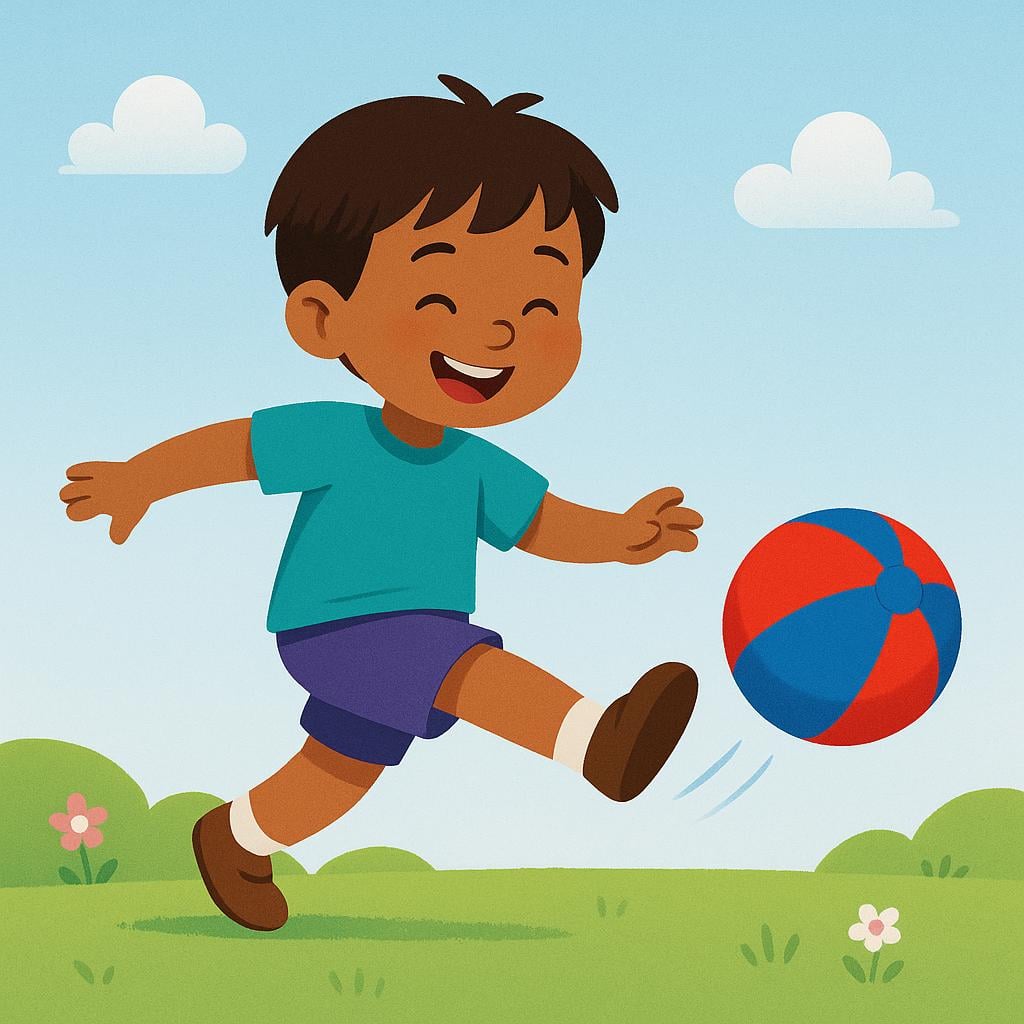
plays, playAlso: is playing
📝 In Action
Mi hija juega al fútbol en el parque.
A1My daughter plays soccer in the park.
Usted juega muy bien a las cartas.
A2You (formal) play cards very well.
¡Juega la pelota rápido!
A2Play the ball quickly! (Informal command to a friend)
Word Connections
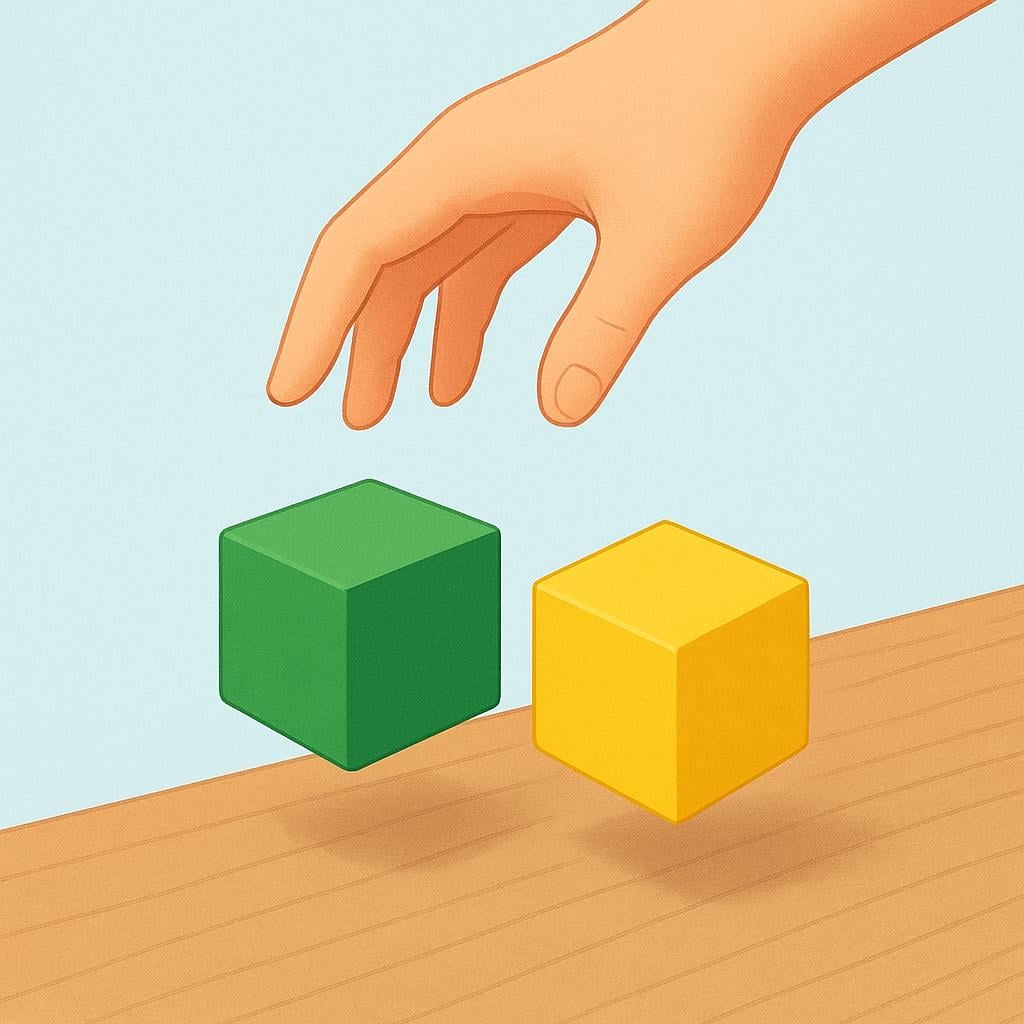
gambles, betsAlso: speculates
📝 In Action
Mi tío juega a la lotería cada semana.
B1My uncle bets on the lottery every week.
Ella juega con el dinero de la empresa.
B2She gambles/takes risks with the company's money.
Word Connections
plays a role, is a factor

📝 In Action
La experiencia juega un papel importante en su decisión.
B2Experience plays an important role in his decision.
El clima juega en contra de los agricultores.
C1The weather works against the farmers.
Word Connections
Indicative
Present
Imperfect
Preterite
Subjunctive
Present Subjunctive
Imperfect Subjunctive
Translate to Spanish
Words that translate to "juega" in Spanish:
✏️ Quick Practice
Quick Quiz: juega
Question 1 of 2
Which sentence uses 'juega' as an informal command?
📚 More Resources
📚 Etymology
Comes from the Latin verb *iocarī*, which meant 'to joke' or 'to jest.' Over time, its meaning shifted in Spanish to encompass the idea of physical play, games, and sports.
First recorded: 10th century
Cognates (Related words)
💡 Master Spanish
Take your Spanish to the next level. Read 200+ illustrated and narrated Spanish stories tailored to your level with the Inklingo app!
Frequently Asked Questions
Why does 'juega' have a 'ue' but 'jugamos' doesn't?
Jugar is a 'boot verb' or stem-changing verb. The vowel 'u' changes to 'ue' when the stress falls on it. In 'jugamos' and 'jugáis' (we/you plural), the stress is on the '-ga-' part, so the stem stays regular.
When do I say 'juega al' versus just 'juega'?
Use 'juega al' (a + el) when the object is a specific sport or game, like 'fútbol' or 'tenis'. Use just 'juega' when the object is a toy or person, like 'juega con el perro' (plays with the dog).