How to Say "plays" in Spanish
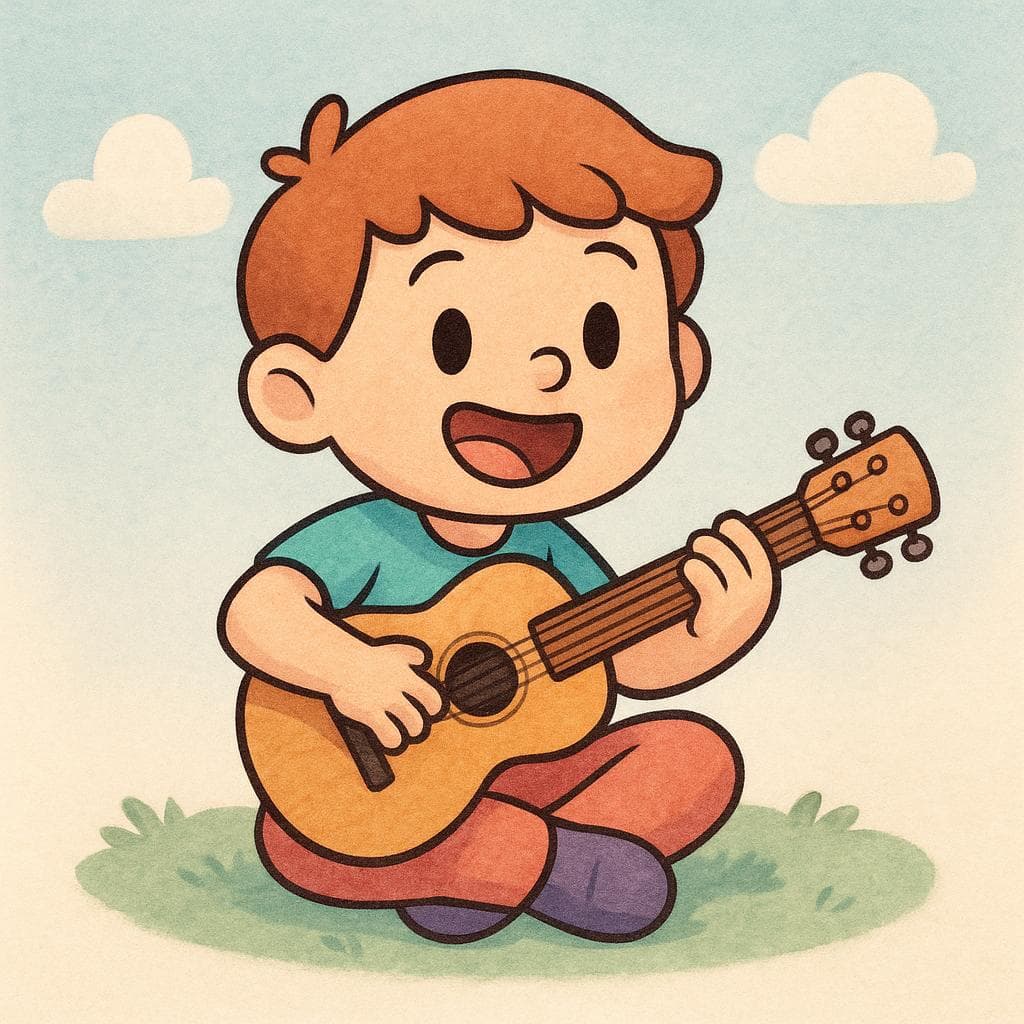
The most common Spanish word for “plays” is “juega” — use 'juega' when referring to someone playing a game, sport, or engaging in playful activity.

juega
HWEH-gahˈxwe.ɣa

Examples
Mi hija juega al fútbol en el parque.
My daughter plays soccer in the park.
Usted juega muy bien a las cartas.
You (formal) play cards very well.
¡Juega la pelota rápido!
Play the ball quickly! (Informal command to a friend)
Stem Change (u → ue)
Jugar is special! The 'u' in the middle changes to 'ue' in most present forms (juego, juegas, juega), but NOT for 'nosotros' or 'vosotros' (jugamos, jugáis).
Using 'Juega' for Commands
'¡Juega!' is the simple, informal way to tell one friend to play or take action (tú command). For formal commands, you must use '¡Juegue!'
Preposition for Sports
Mistake: “Él juega el fútbol.”
Correction: Él juega al fútbol. (Use 'a + el' contraction 'al' when talking about playing a specific sport or game.)
toca
TOH-kahˈtoka
Examples
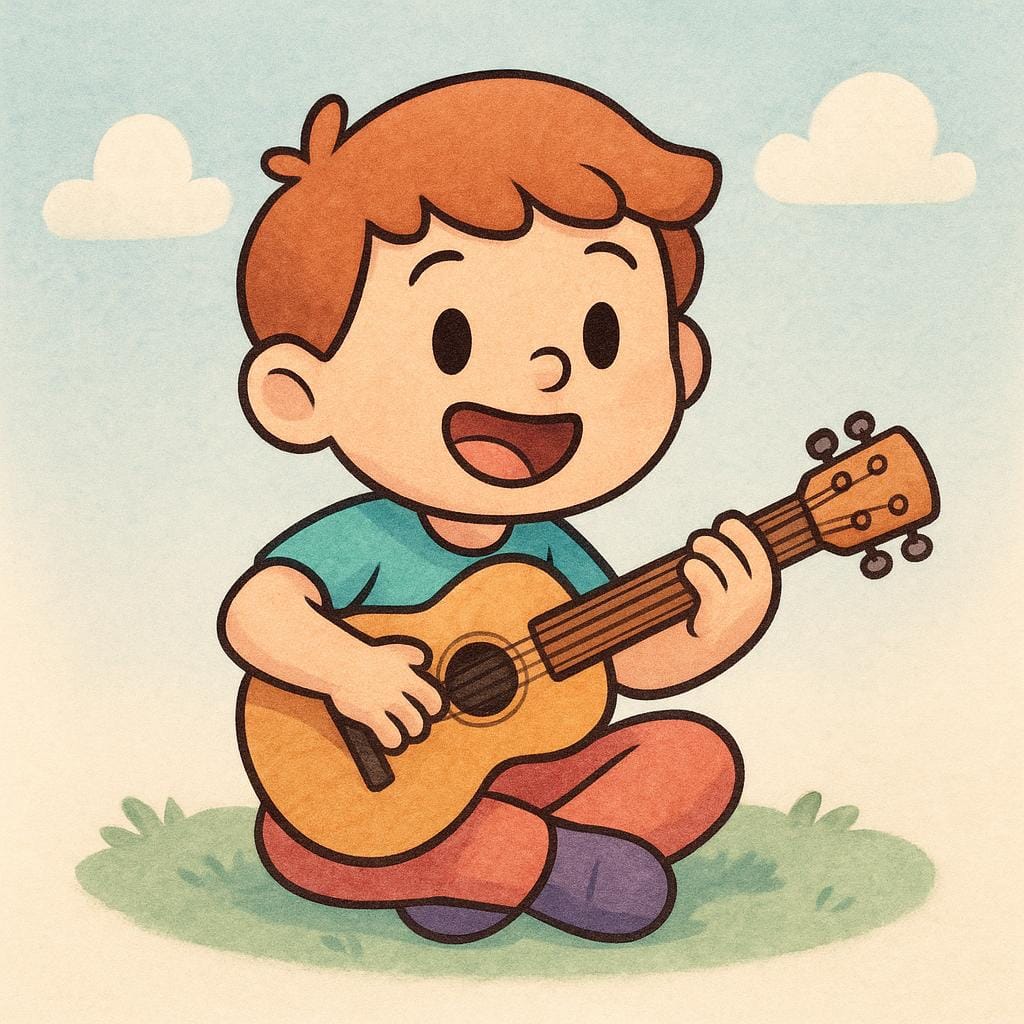
Mi hermano toca la guitarra muy bien.
My brother plays the guitar very well.
El DJ toca música en la fiesta.
The DJ plays music at the party.
Using the Article
In Spanish, when you say someone plays an instrument, you must use the definite article (el, la) before the instrument: 'toca la trompeta'.
obras
OH-brasˈoβɾas
Examples
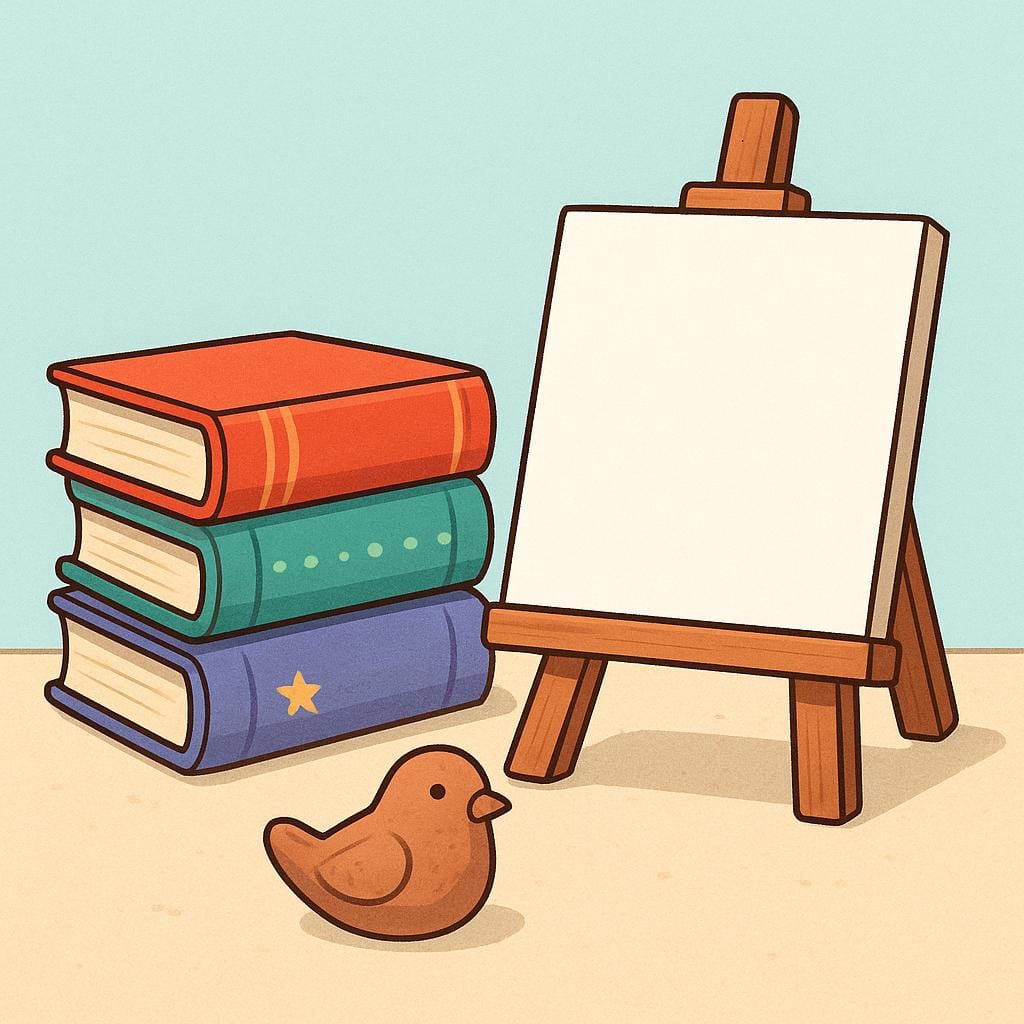
Las obras completas del poeta se publicaron el año pasado.
The complete works of the poet were published last year.
El museo exhibe obras de arte moderno.
The museum exhibits modern art pieces.
Artistic Plural
When talking about a collection of artistic creations (like books or paintings), 'obras' is the standard way to say 'works' or 'pieces.'
Confusing Games vs. Instruments
Learn Spanish with Inklingo
Interactive stories, personalized learning, and more.