palomo
“palomo” means “male pigeon” in Spanish. It has 2 different meanings depending on context:
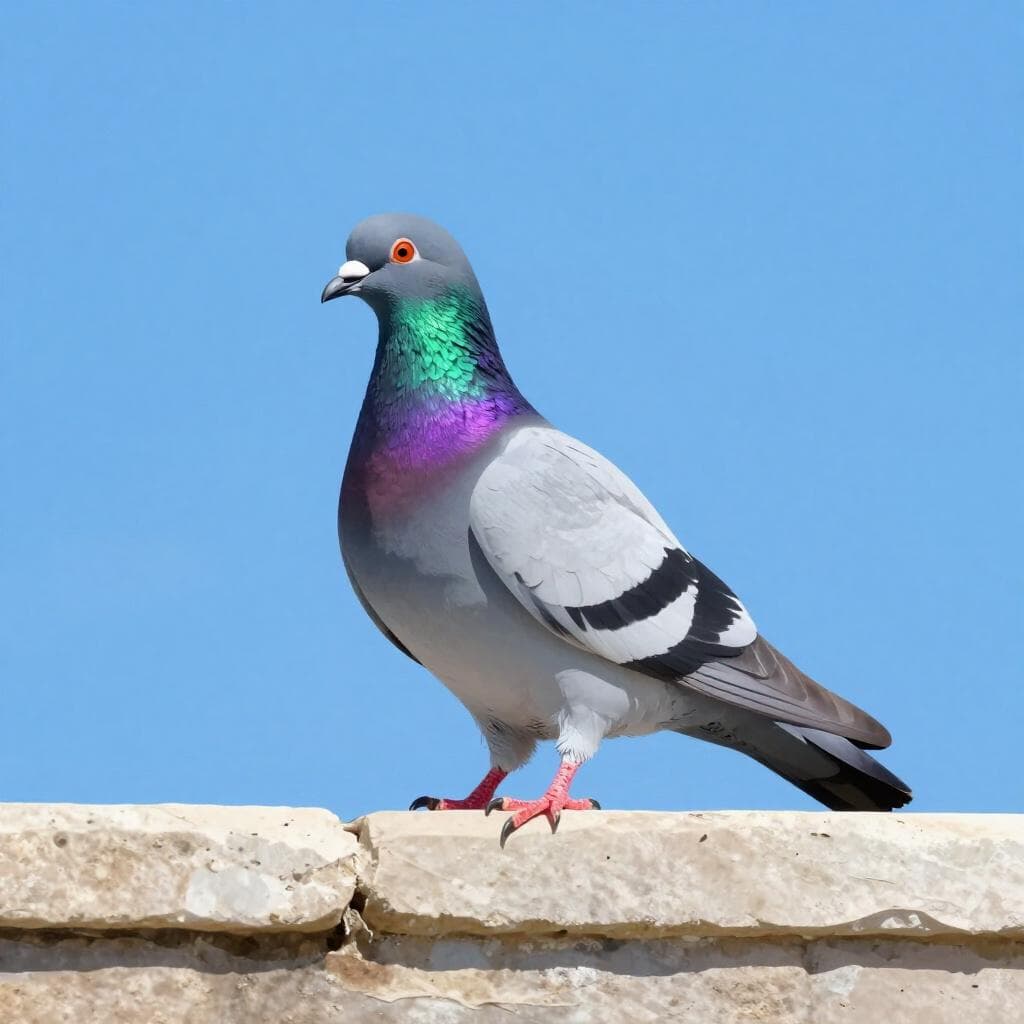

male pigeon, male dove
Also: pigeon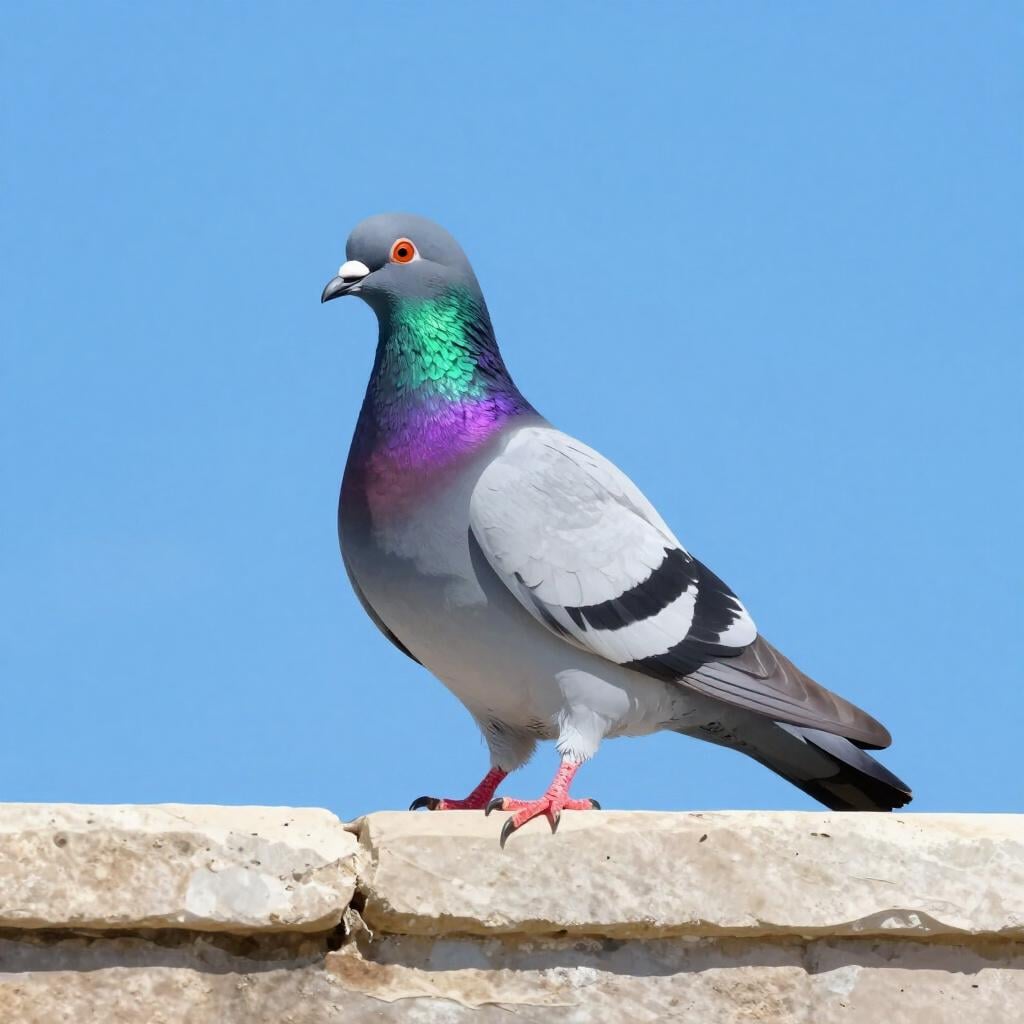
📝 In Action
El palomo está en el tejado buscando comida.
A2The male pigeon is on the roof looking for food.
Es un palomo muy grande con plumas grises.
A2It is a very large male pigeon with gray feathers.
El palomo corteja a la hembra inflando su pecho.
B1The male pigeon courts the female by puffing out his chest.
naive person
Also: sucker
📝 In Action
No seas tan palomo, ¡claro que es una broma!
B2Don't be so naive, of course it's a joke!
Ese pobre palomo se creyó toda la historia.
C1That poor sucker believed the whole story.
Vocabulary Collections
Translate to Spanish
✏️ Quick Practice
Quick Quiz: palomo
Question 1 of 3
What is the primary difference between 'paloma' and 'palomo'?
📚 More Resources
👥 Word Family▼
📚 Etymology▼
From the Latin 'palumbus', which referred to a wild wood pigeon.
First recorded: 13th century
Cognates (Related words)
💡 Master Spanish
Take your Spanish to the next level. Read 200+ illustrated and narrated Spanish stories tailored to your level with the Inklingo app!
Frequently Asked Questions
Is 'palomo' used for popcorn?
No, popcorn is 'palomitas' (plural feminine). Even if you only had one piece of popcorn, you wouldn't call it a 'palomo'.
Is it rude to call someone a 'palomo'?
It's informal and can be a lighthearted way to call someone 'innocent' or 'clueless,' but it can be offensive if said to a stranger in a serious situation.
Why is the homing pigeon called 'palomo mensajero'?
While 'paloma mensajera' is actually more common, 'palomo' is often used in the context of pigeon racing or breeding where the gender of the bird is a primary focus.