parir
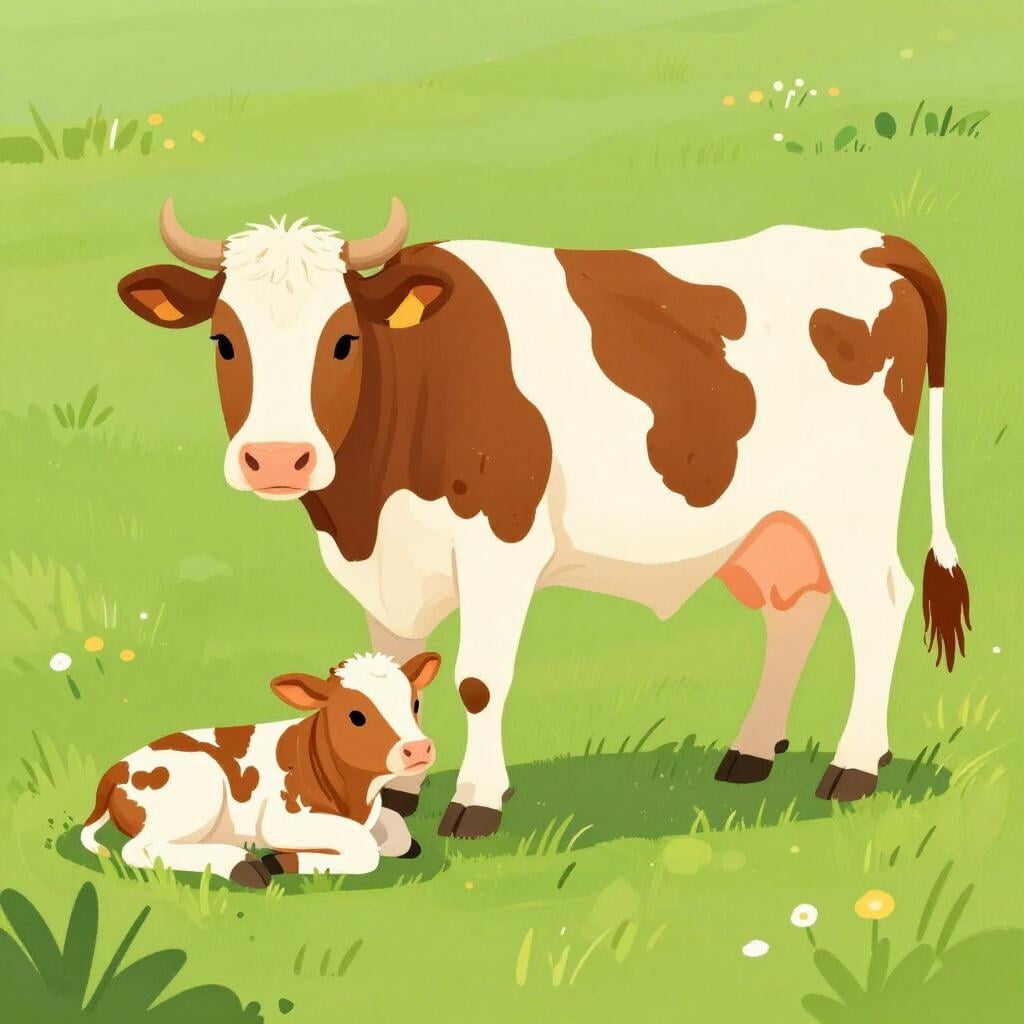
“parir” means “to give birth” in Spanish (biological process for animals and humans).
to give birthAlso: to bring forth, to produce
📝 In Action
La gata parió cinco gatitos esta madrugada.
A2The cat gave birth to five kittens early this morning.
Después de meses de trabajo, por fin parieron el proyecto.
B2After months of work, they finally brought the project to life.
Antiguamente, las mujeres parían en sus propias casas.
B1In the past, women used to give birth in their own homes.
Word Connections
Subjunctive
Imperfect Subjunctive
Present Subjunctive
Indicative
Preterite
Imperfect
Present
Translate to Spanish
Words that translate to "parir" in Spanish:
✏️ Quick Practice
Quick Quiz: parir
Question 1 of 3
Which phrase would you use to say you criticized someone very harshly?
📚 More Resources
👥 Word Family
📚 Etymology
From the Latin word 'parere', which means 'to bring forth' or 'to produce'. It is related to the English word 'parent'.
First recorded: 12th century
Cognates (Related words)
💡 Master Spanish
Take your Spanish to the next level. Read 200+ illustrated and narrated Spanish stories tailored to your level with the Inklingo app!
Frequently Asked Questions
Is 'parir' rude when talking about humans?
It's not necessarily rude, but it is very direct and biological. For a more 'gentle' or polite sound, most people use 'dar a luz' (to give to the light).
Does 'parir' change its spelling in the present tense?
No, it is a completely regular -ir verb. You just take off the -ir and add the standard endings (o, es, e, imos, ís, en).
What does 'Me costó parirlo' mean in an office?
It means the person found a specific task or project very difficult and exhausting to complete, comparing the work to the labor of childbirth.