quedé
“quedé” means “I stayed” in Spanish. It has 3 different meanings depending on context:
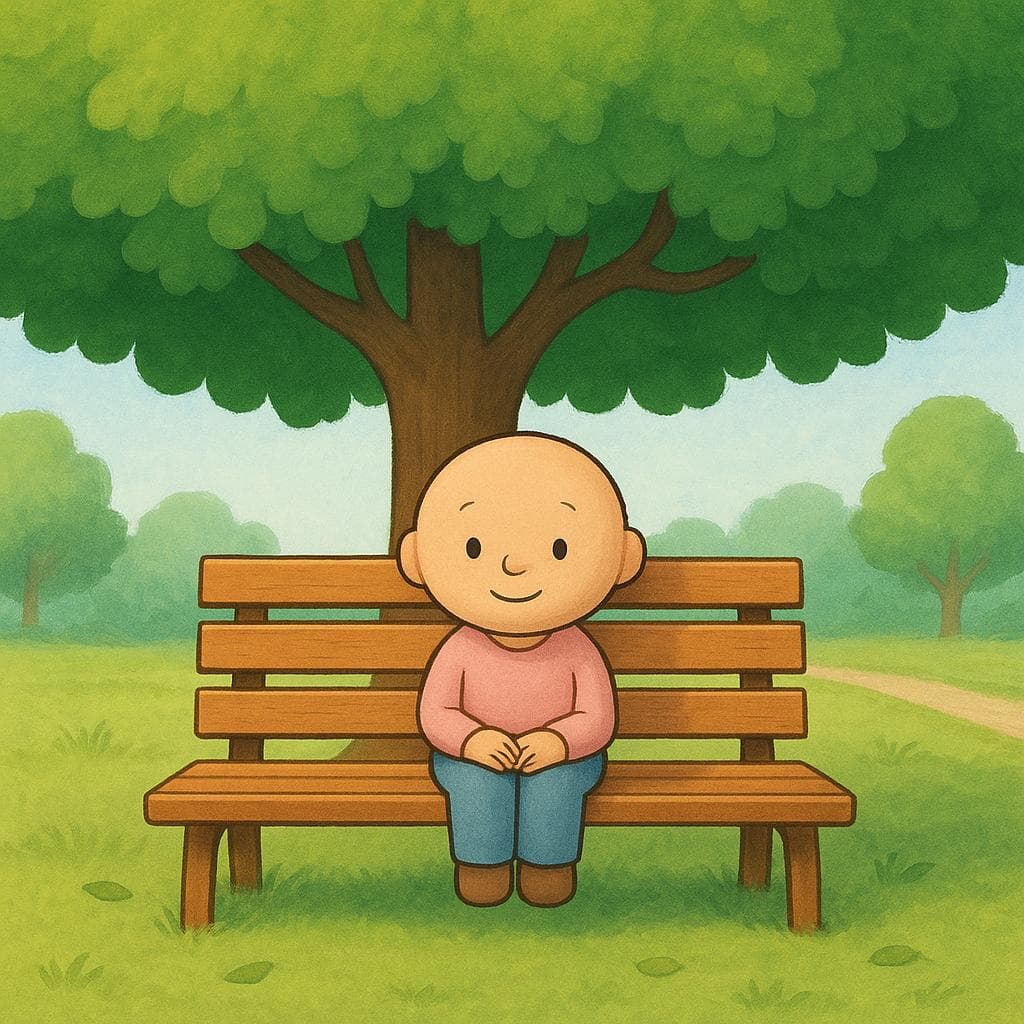

I stayed, I remained
Also: I was left
📝 In Action
Me gustó tanto el hotel que me quedé una noche más.
A2I liked the hotel so much that I stayed one more night.
Después de la fiesta, solo quedé yo para limpiar.
B1After the party, only I remained to clean up.
I ended up, I was left (feeling)
Also: I looked
📝 In Action
Después de la noticia, quedé en shock por un momento.
B1After the news, I ended up in shock for a moment.
Me probé el vestido y quedé muy bien, así que lo compré.
B2I tried on the dress and I looked very good, so I bought it.
Solo me quedé con 5 euros después de pagar la cuenta.
B1I was only left with 5 euros after paying the bill.
I agreed, I arranged
Also: I decided
📝 In Action
Quedé con mi jefe que terminaría el reporte el viernes.
B1I agreed with my boss that I would finish the report on Friday.
Quedé en encontrarme con mis amigos en el cine a las ocho.
B2I arranged to meet my friends at the cinema at eight.
🔄 Conjugations
indicative
present
imperfect
preterite
subjunctive
present
imperfect
Translate to Spanish
✏️ Quick Practice
Quick Quiz: quedé
Question 1 of 2
Which English translation best fits the sentence: 'Quedé con mi hermana de vernos mañana.'
📚 More Resources
👥 Word Family▼
📚 Etymology▼
Comes from the Latin word 'quietare,' meaning 'to quiet' or 'to settle down.' Over time, this evolved in Spanish to mean 'to settle in a place' or 'to remain.'
First recorded: 13th century
Cognates (Related words)
💡 Master Spanish
Take your Spanish to the next level. Read 200+ illustrated and narrated Spanish stories tailored to your level with the Inklingo app!
Frequently Asked Questions
Is 'quedé' the same as 'me quedé'?
They are very similar, but 'me quedé' (from the reflexive verb 'quedarse') emphasizes your personal decision to stay or remain. 'Quedé' can sometimes be used more generally, especially when talking about results ('quedé sin dinero'), but they often overlap when referring to location.
How do I know if 'quedé' means 'I stayed' or 'I agreed'?
Look at the words that follow it. If you see a location (like 'en casa' or 'aquí'), it means 'I stayed.' If you see 'con' followed by a person and then a plan ('quedé con Juan para estudiar'), it means 'I agreed' or 'I arranged.'