surgir
“surgir” means “to arise” in Spanish. It has 2 different meanings depending on context:

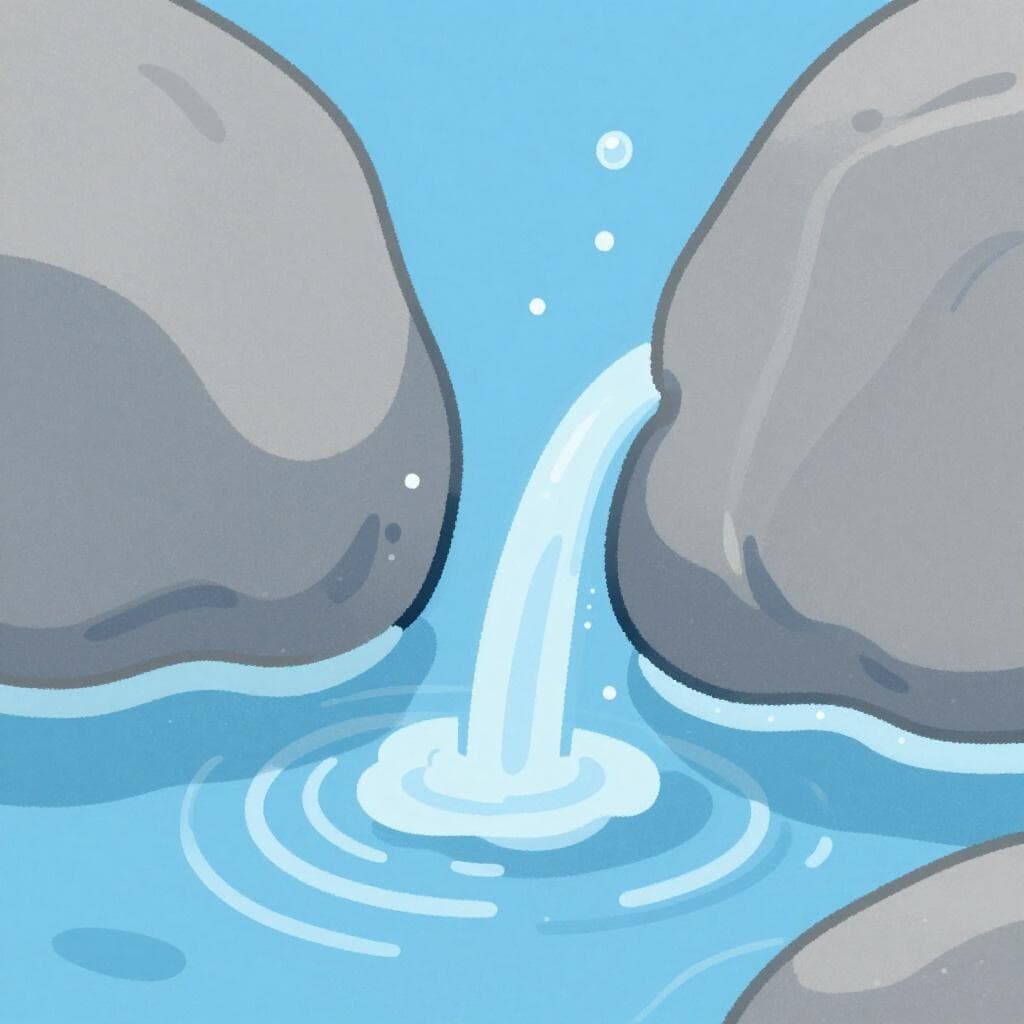
to arise
Also: to come up, to emerge
📝 In Action
Siempre surge algún problema de última hora.
A2Some last-minute problem always arises.
De la reunión surgió una idea excelente.
B1An excellent idea came up from the meeting.
Nuevas dudas surgieron después de la clase.
B1New doubts emerged after the class.
to spring forth
Also: to surface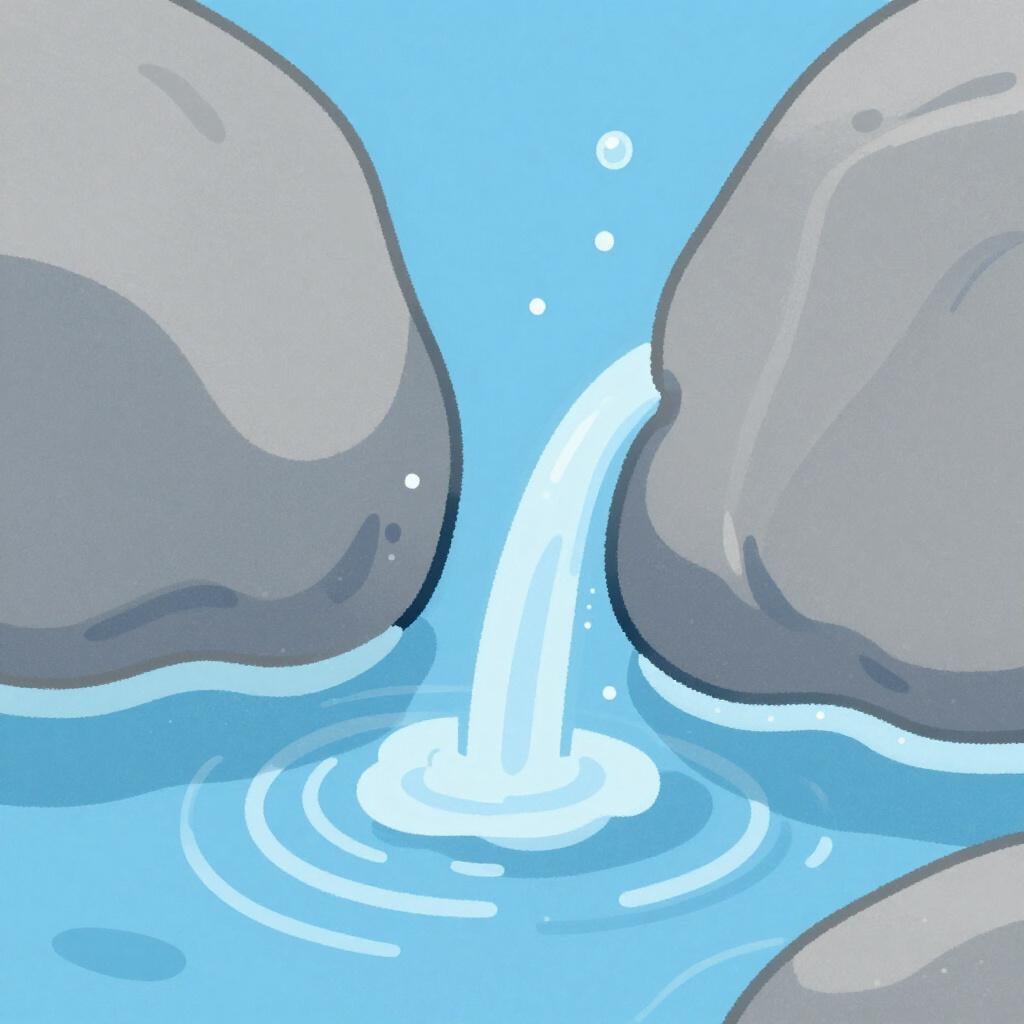
📝 In Action
El agua surge de la fuente con mucha presión.
B1The water springs forth from the fountain with a lot of pressure.
Vimos al delfín surgir del agua por un segundo.
B2We saw the dolphin surface from the water for a second.
Subjunctive
Present Subjunctive
Imperfect Subjunctive
Indicative
Present
Preterite
Imperfect
Translate to Spanish
✏️ Quick Practice
Quick Quiz: surgir
Question 1 of 3
How do you say 'I arise' in Spanish (Present Tense)?
📚 More Resources
👥 Word Family▼
📚 Etymology▼
From the Latin word 'surgere,' which means to rise or to stand up. It is the same root that gave English the words 'surge' and 'resurrection.'
First recorded: 13th century
Cognates (Related words)
💡 Master Spanish
Take your Spanish to the next level. Read 200+ illustrated and narrated Spanish stories tailored to your level with the Inklingo app!
Frequently Asked Questions
Is 'surgir' the same as 'aparecer'?
They are very close! 'Aparecer' is a general word for 'to appear.' 'Surgir' is specifically used when something develops, sprouts, or comes out of a specific situation or location.
Can people 'surgir'?
Yes, but usually in the sense of a new leader or artist emerging into fame. You wouldn't use it for someone just walking into a room; use 'entrar' or 'aparecer' for that.
Is it a regular verb?
Mostly! It follows all the regular '-ir' verb endings. The only 'irregular' part is the spelling change from 'g' to 'j' in the 'yo' form and the subjunctive to keep the sound right.