toqué
“toqué” means “touched” in Spanish. It has 3 different meanings depending on context:
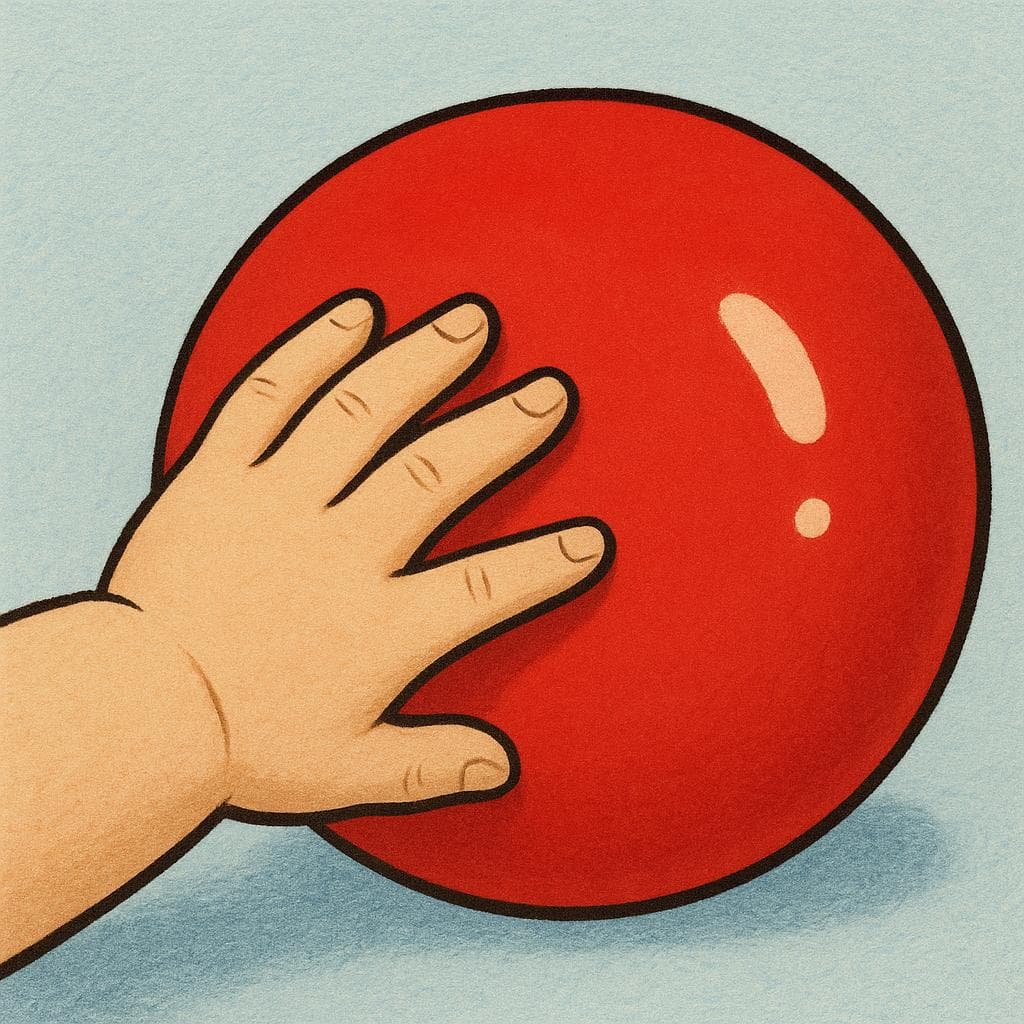

touched
Also: felt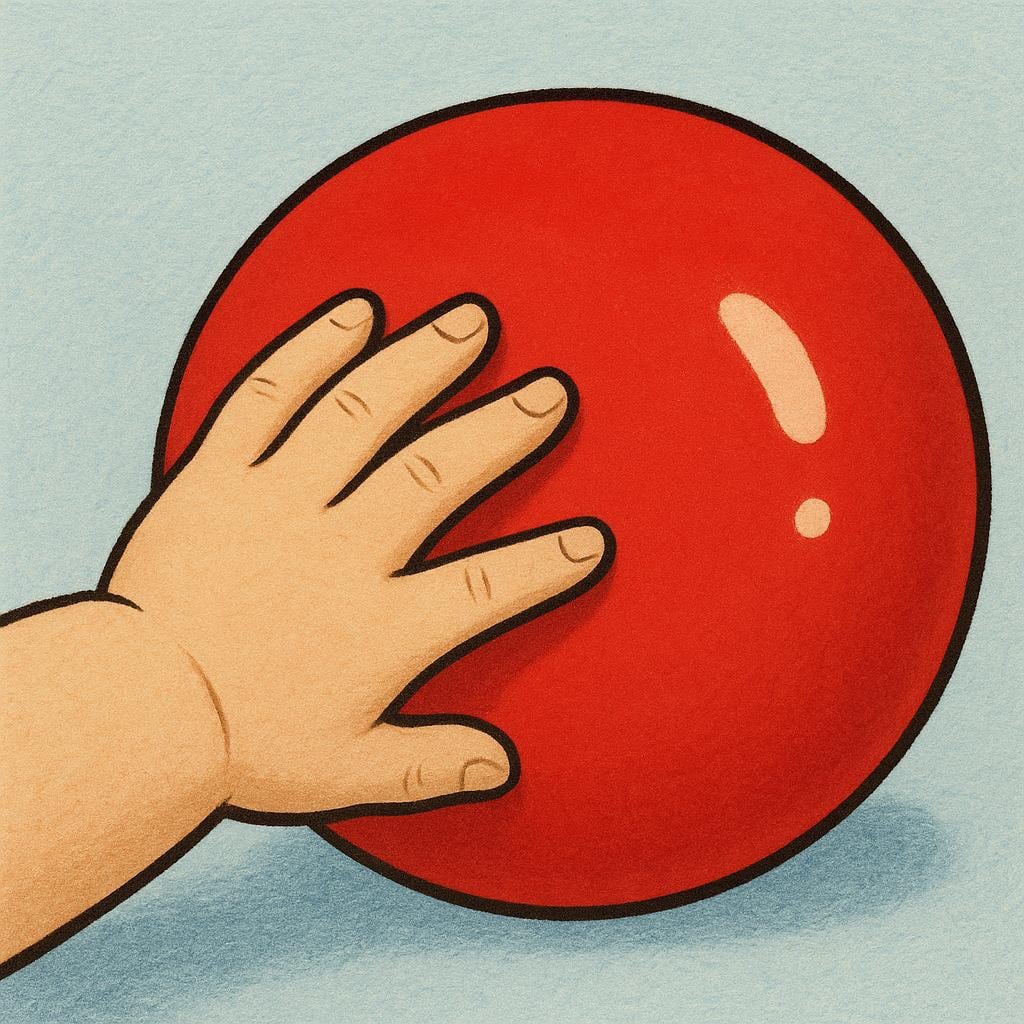
📝 In Action
Yo toqué el cuadro para ver si era real, pero me regañaron.
A1I touched the painting to see if it was real, but they scolded me.
¿Quién toqué? Lo siento, fue un accidente.
A2Who did I touch? I'm sorry, it was an accident.
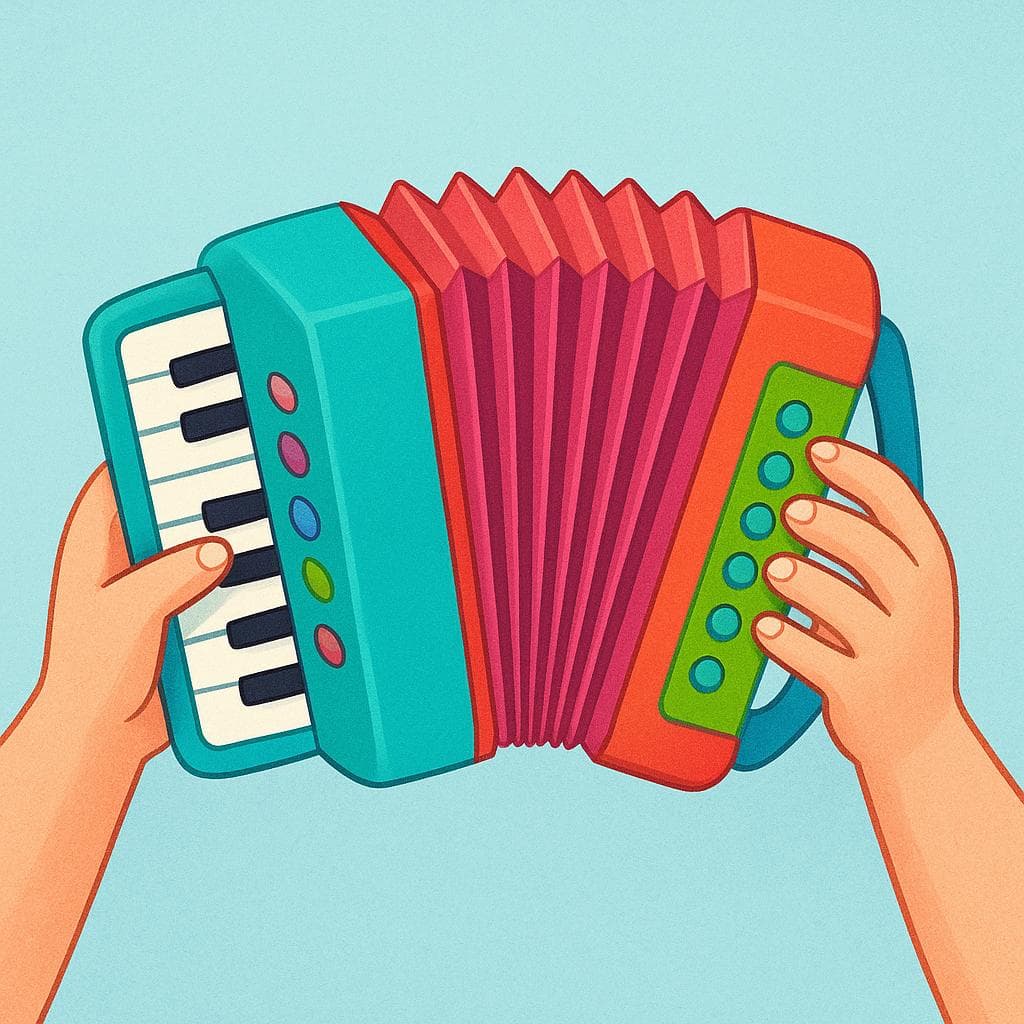
played
Also: performed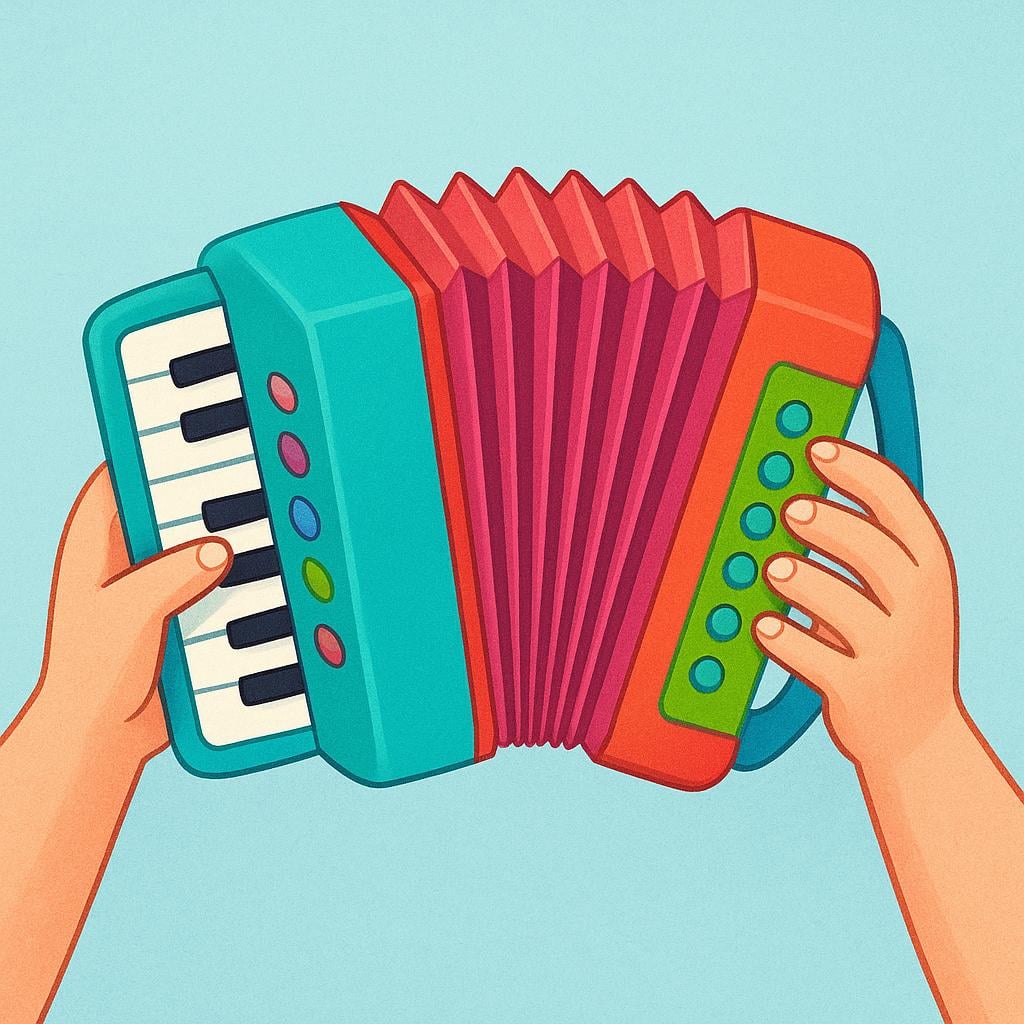
📝 In Action
Toqué la batería en una banda de rock hace diez años.
A1I played the drums in a rock band ten years ago.
Si yo toqué esa canción, la recordarás.
B1If I played that song, you will remember it.
knocked
Also: rang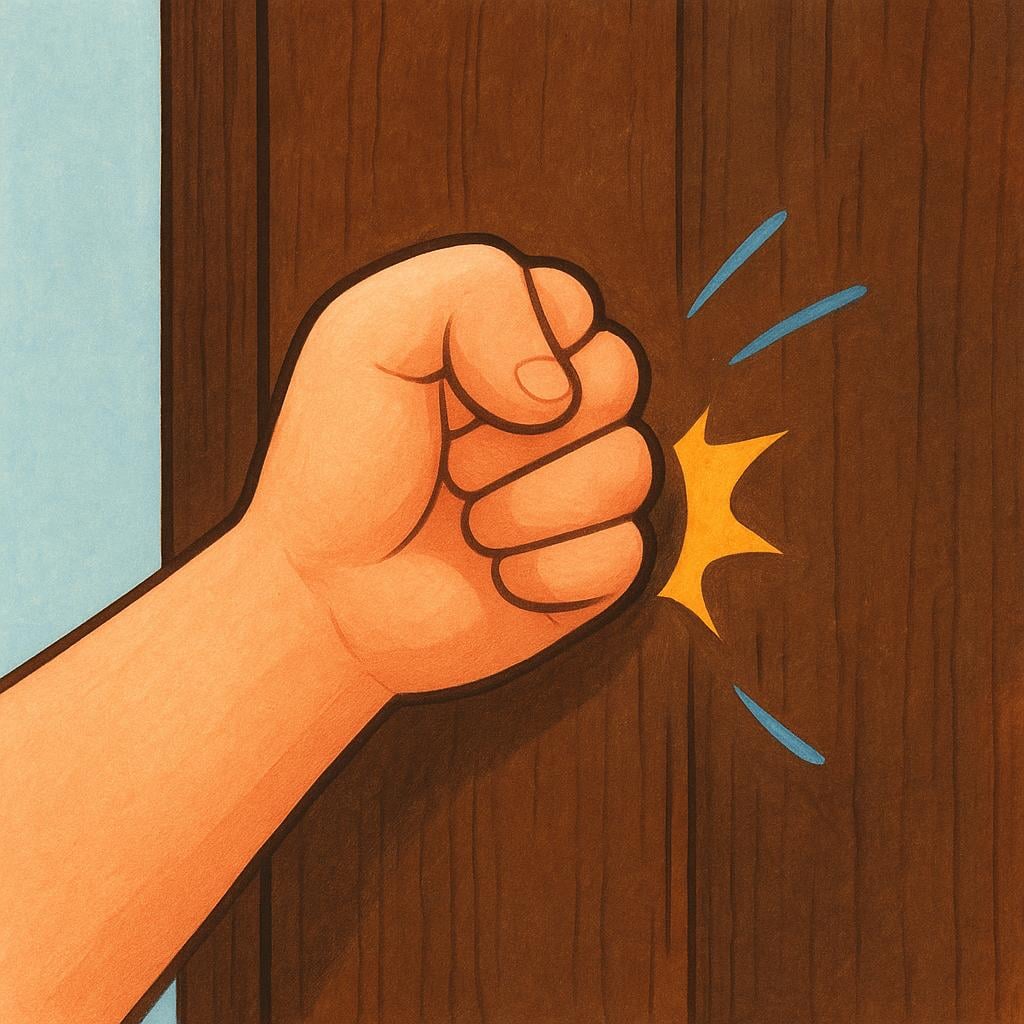
📝 In Action
Esperé un minuto y luego toqué el timbre otra vez.
A2I waited a minute and then I rang the doorbell again.
Toqué a la puerta, pero nadie abrió.
A2I knocked on the door, but nobody opened it.
Indicative
Preterite
Present
Imperfect
Subjunctive
Present Subjunctive
Imperfect Subjunctive
Translate to Spanish
Words that translate to "toqué" in Spanish:
rang→✏️ Quick Practice
Quick Quiz: toqué
Question 1 of 2
Which English translation is NOT correct for the sentence: 'Yo toqué la campana.'?
📚 More Resources
👥 Word Family▼
📚 Etymology▼
Comes from the Old Spanish verb 'tocar', which evolved from the Vulgar Latin verb *toccare*, meaning 'to strike' or 'to knock'. This origin explains why 'tocar' is used for knocking on doors and playing instruments (striking the keys/strings).
First recorded: 12th century
Cognates (Related words)
💡 Master Spanish
Take your Spanish to the next level. Read 200+ illustrated and narrated Spanish stories tailored to your level with the Inklingo app!
Frequently Asked Questions
Is 'toqué' the only way to say 'I touched'?
Yes, 'toqué' is the standard way to say 'I touched' (a finished action in the past). If you were talking about an action that happened over time or habitually in the past, you would use the imperfect: 'Yo tocaba' (I used to touch).
Can 'toqué' mean 'I was my turn'?
Not exactly. The verb 'tocar' can mean 'to be one's turn,' but it is usually used in the third person: 'Me tocó a mí' (It was my turn). You wouldn't typically say 'Yo toqué' to mean 'I was my turn.'