How to Say "anxious" in Spanish
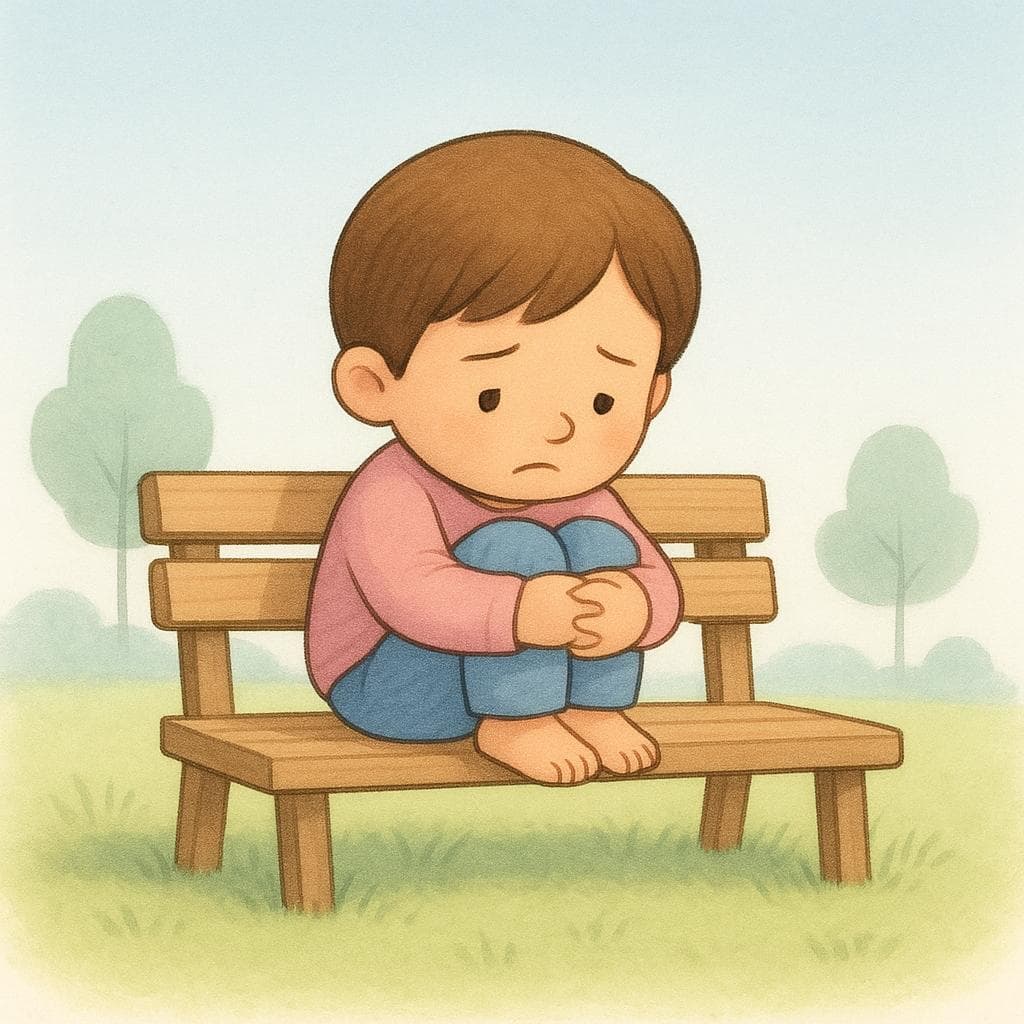
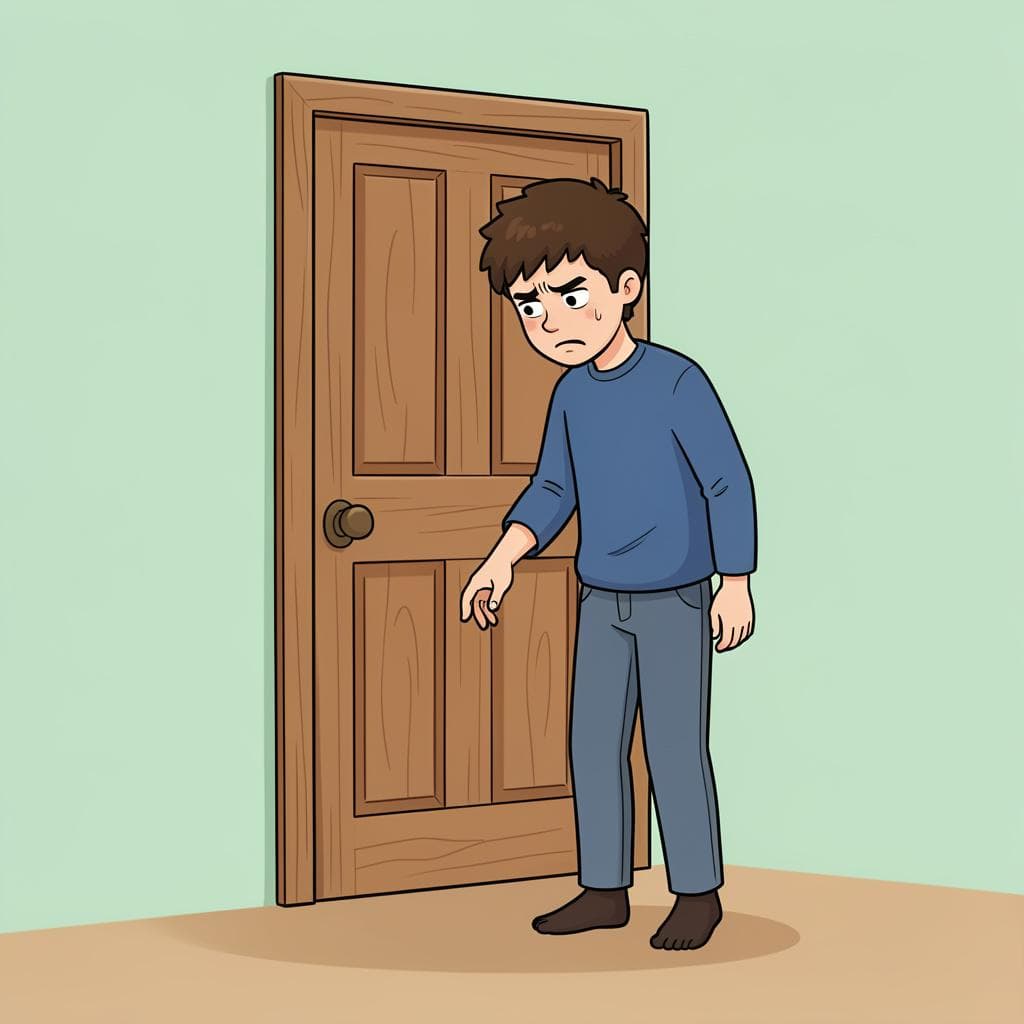
The most common Spanish word for “anxious” is “nervioso” — use 'nervioso' when you are worried about a specific future event, like an exam or a presentation.




nervioso
nair-vee-OH-sohneɾˈβjoso

Examples
Estoy nervioso por la entrevista de trabajo de mañana.
I am nervous about tomorrow's job interview.
Mi hermana está muy nerviosa antes de subir al escenario.
My sister is very anxious before going up on stage.
No te pongas nervioso; todo va a salir bien.
Don't get nervous; everything is going to turn out well.
Agreement is Key
Since 'nervioso' is an adjective, you must change the ending to match the person or thing you are describing. Use '-a' for feminine words (nerviosa), and '-os' or '-as' for plurals (nerviosos, nerviosas).
Use 'Estar' for Feelings
To express feeling nervous, always use the verb 'estar' (to be) because it describes a temporary emotional state, not a permanent characteristic.
Using 'Ser'
Mistake: “Soy nervioso.”
Correction: Estoy nervioso.
preocupado
preh-oh-koo-PAH-dohpɾe.o.kuˈpaðo
Examples
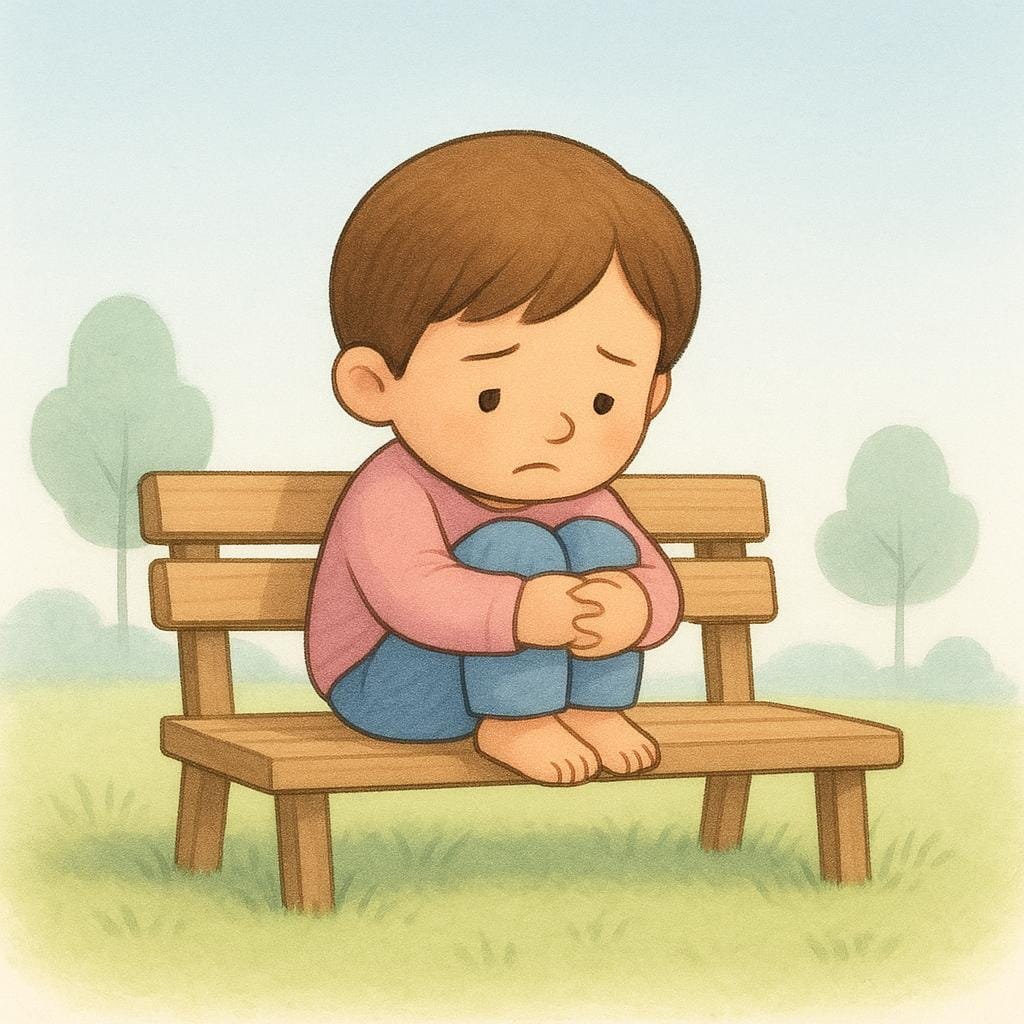
Mi hermano está muy preocupado por su entrevista de trabajo.
My brother is very worried about his job interview.
Si estás preocupada (femenino), deberías hablar con alguien.
If you are concerned, you should talk to someone.
Los padres estaban preocupados por la baja nota de su hijo.
The parents were worried about their son's low grade.
Agreement is Key
Since 'preocupado' is a descriptive word (an adjective), its ending must match the person or thing it describes in both gender and number: 'preocupado' (m.), 'preocupada' (f.), 'preocupados' (m. plural), 'preocupadas' (f. plural).
Use 'Estar' for States
When talking about how someone feels right now (a temporary state), you must use the verb 'estar' (to be) before 'preocupado,' not 'ser.' For example: 'Estoy preocupado' (I am worried).
Missing Agreement
Mistake: “Mi madre está preocupado.”
Correction: Mi madre está preocupada. (The ending must change to '-a' because 'madre' is feminine.)
Using the Wrong 'To Be'
Mistake: “Yo soy preocupado.”
Correction: Yo estoy preocupado. (Use 'estar' for temporary emotions, not 'ser,' which is for permanent traits.)
ansioso
ahn-SYOH-sohanˈsjo.so

Examples
Mi hermana está ansiosa por su entrevista de trabajo mañana.
My sister is anxious about her job interview tomorrow.
Estábamos ansiosos esperando la llamada del médico.
We were anxiously waiting for the doctor's call.
Adjective Agreement
Like all Spanish adjectives, 'ansioso' must change its ending to match the person or thing it describes: 'ansioso' (masculine singular), 'ansiosa' (feminine singular), 'ansiosos' (masculine plural), 'ansiosas' (feminine plural).
Confusing 'Anxious' Meanings
Mistake: “Using 'ansioso' when you simply mean 'eager' (Definition 2) but forgetting the preposition.”
Correction: When meaning 'worried,' you often use 'ansioso POR' + noun. When meaning 'eager,' it's common to use 'ansioso POR' or 'ansioso DE' + infinitive.
inquieto
een-KYEH-tohiŋˈkjeto

Examples
Mi hijo es muy inquieto y no para de correr.
My son is very restless and doesn't stop running.
Estoy un poco inquieto por los resultados del médico.
I'm a bit anxious about the doctor's results.
Tuvo un sueño inquieto después de ver esa película.
He had a restless sleep after watching that movie.
Personality vs. Feeling
Use 'ser' if someone is naturally a restless or hyperactive person. Use 'estar' if they are just feeling worried or fidgety right now.
Matching the Person
Since this is a describing word, change the ending to 'inquieta' for girls/women, 'inquietos' for a group of men/mixed, and 'inquietas' for a group of women.
Confusing 'Inquieto' with 'Annoyed'
Mistake: “Estoy inquieto con el ruido.”
Correction: Estoy molesto con el ruido.
impaciente
eem-pah-syen-tehim.paˈθjen.te
Examples
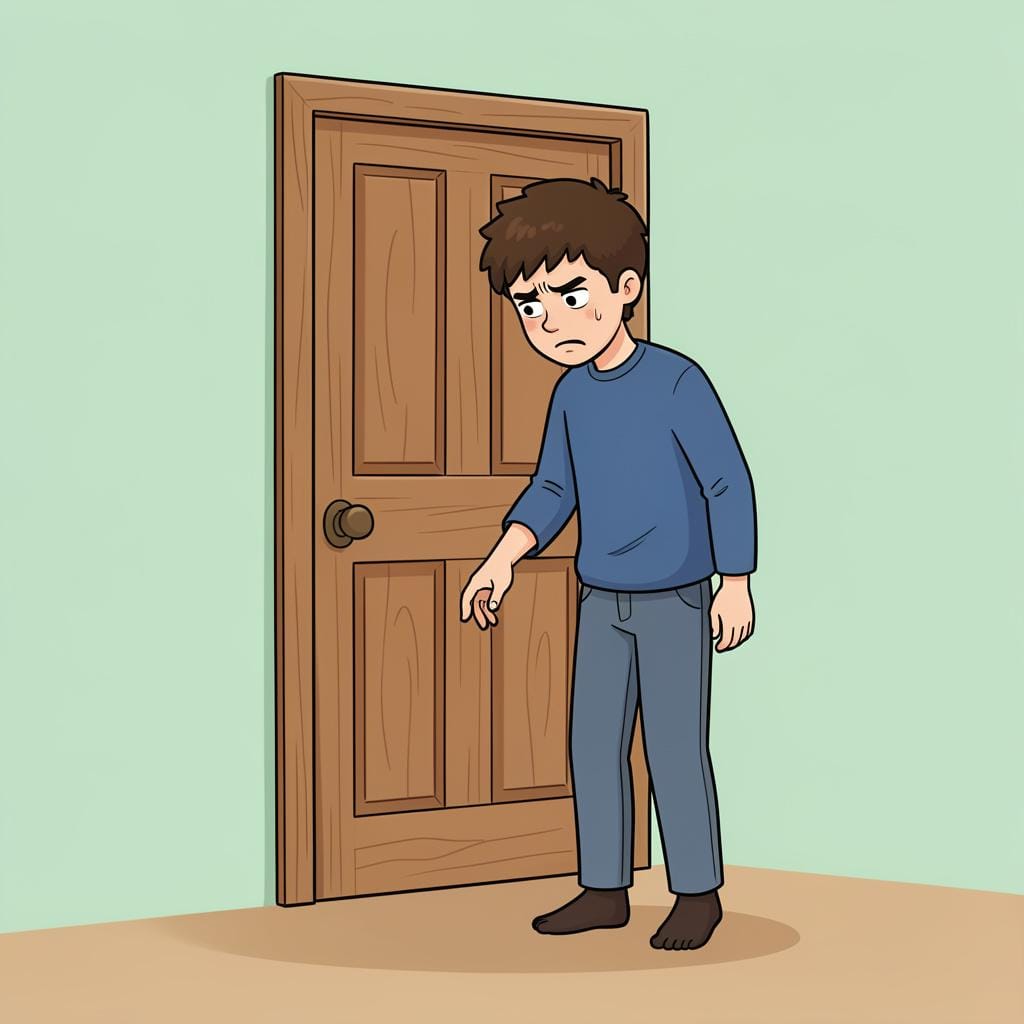
Mi hermano es muy impaciente; nunca puede esperar cinco minutos.
My brother is very impatient; he can never wait five minutes.
Estoy impaciente por empezar mis vacaciones.
I am eager to start my vacation.
La multitud se puso impaciente cuando el concierto se retrasó.
The crowd grew impatient when the concert was delayed.
One word for everyone
This word ends in -e, which means it doesn't change for gender. You can use it for 'él' (him), 'ella' (her), or 'usted' (you) without changing the ending.
Ser vs. Estar
Use 'ser' if someone is naturally an impatient person, and 'estar' if they are just feeling impatient right now.
Avoid 'impacienta'
Mistake: “Ella es impacienta.”
Correction: Say 'Ella es impaciente.' The word never ends in 'a' or 'o'.
angustiado
an-goos-tee-AH-dohaŋɡusˈtjado

Examples
Carlos está angustiado porque no encuentra sus llaves y llega tarde.
Carlos is distressed because he can't find his keys and he is late.
La madre se sentía angustiada mientras esperaba noticias de su hijo.
The mother felt anguished while she waited for news about her son.
Me dio una mirada angustiada cuando le pregunté qué había pasado.
He gave me a distressed look when I asked him what had happened.
Using with 'Estar'
In Spanish, we use the verb 'estar' with this word because it describes a temporary emotional state or feeling, rather than a permanent personality trait.
Matching the Gender
Since this word is an adjective, you must change the ending: use 'angustiado' for a man and 'angustiada' for a woman.
Ser vs. Estar
Mistake: “Soy angustiado.”
Correction: Estoy angustiado. Use 'estar' because you are describing how you feel right now, not who you are as a person.
Confusing with 'Angosto'
Mistake: “La calle es angustiada.”
Correction: La calle es angosta. 'Angustiado' is for feelings; 'angosto' is for narrow spaces.
Nervous vs. Worried vs. Anxious
Related Translations
Learn Spanish with Inklingo
Interactive stories, personalized learning, and more.