How to Say "bolt" in Spanish
The most common Spanish word for “bolt” is “tornillo” — use 'tornillo' when referring to a fastener with a threaded shaft, often used interchangeably with 'screw' in casual conversation, especially for furniture or general repairs.
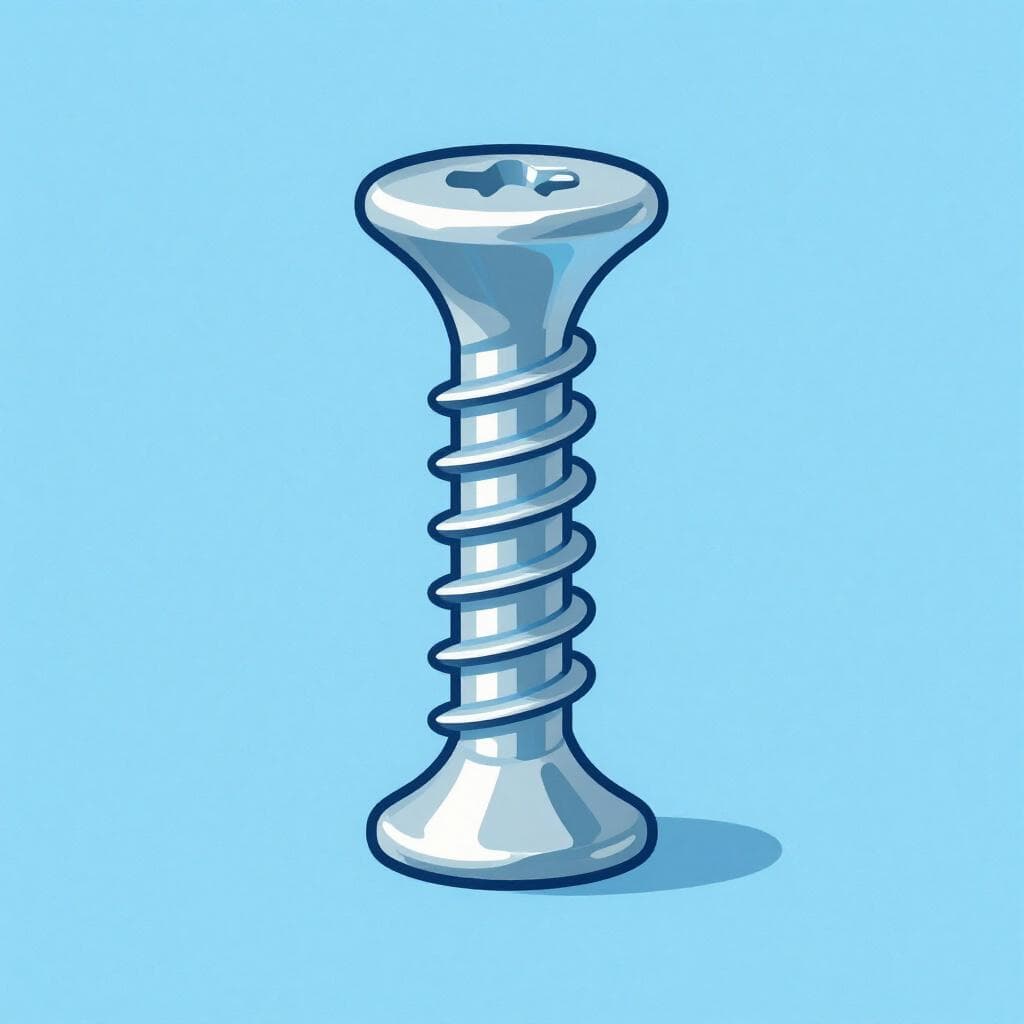
tornillo
tor-NEE-yohtoɾˈniʝo

Examples
Necesito un tornillo para arreglar la silla.
I need a screw to fix the chair.
Necesito un tornillo para este mueble.
I need a screw for this furniture.
El tornillo está flojo y la puerta hace ruido.
The screw is loose and the door is making noise.
Gira el tornillo hacia la derecha para apretarlo.
Turn the screw to the right to tighten it.
Gender Identification
Since it ends in -o, it is a masculine word. You must use 'el' or 'un' with it.
Making it Plural
To talk about more than one, simply add an -s: 'los tornillos'.
Tool vs. Fastener
Mistake: “Using 'tornillo' when you mean 'destornillador'.”
Correction: Use 'tornillo' for the metal piece and 'destornillador' for the tool (screwdriver) you use to turn it.
seguro
seh-GOO-rohseˈɣu.ɾo
Examples
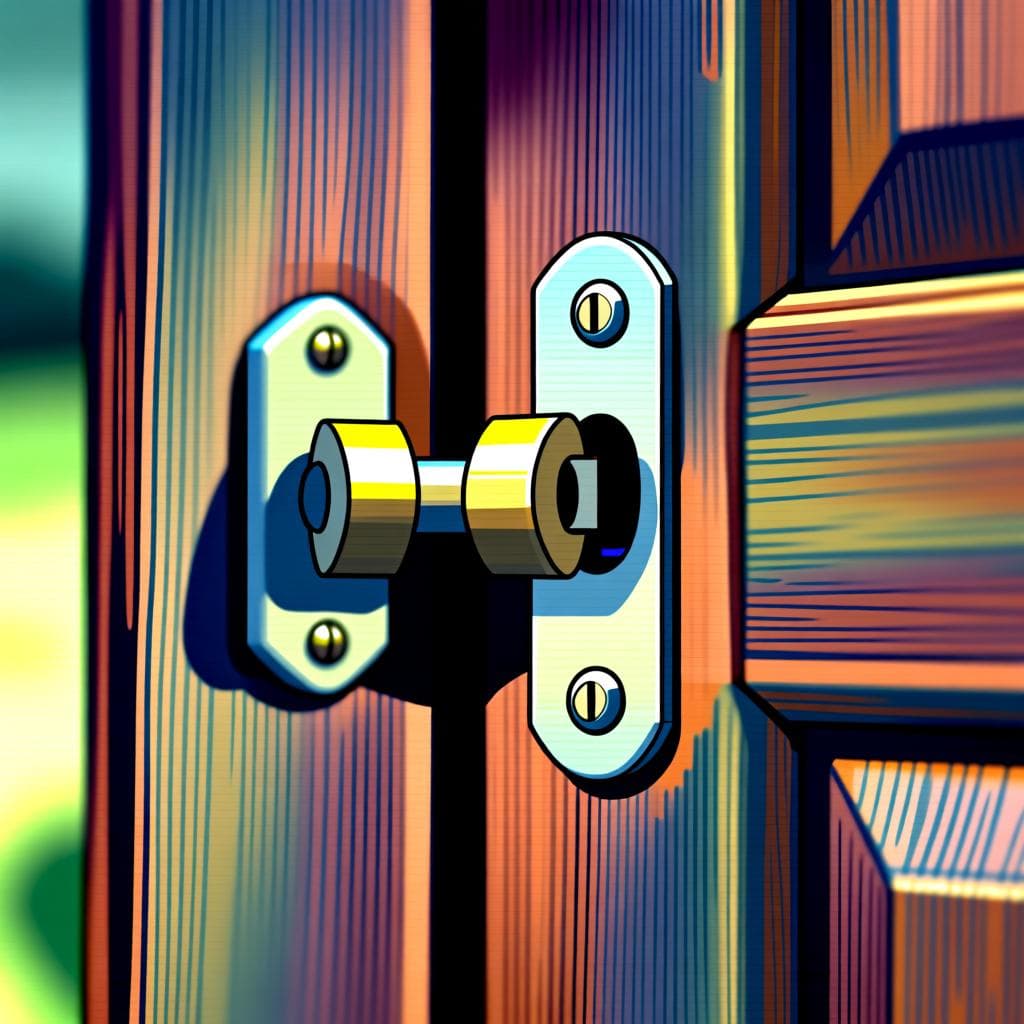
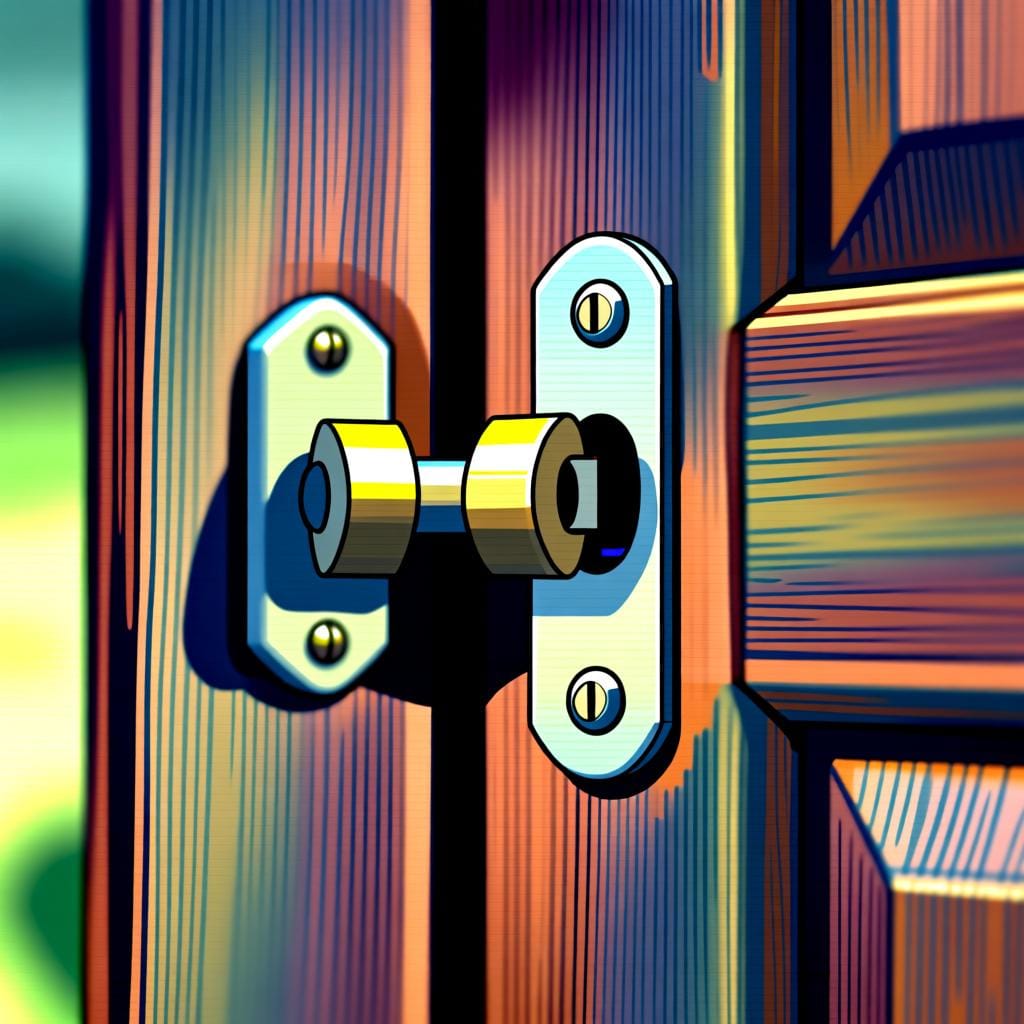
Asegúrate de echar el seguro a la puerta antes de salir.
Make sure to slide the bolt on the door before leaving.
No olvides poner el seguro en la puerta antes de dormir.
Don't forget to put the lock on the door before sleeping.
El rifle tiene un seguro para evitar disparos accidentales.
The rifle has a safety lock to prevent accidental shots.
misil
mee-SEELmiˈsil
Examples
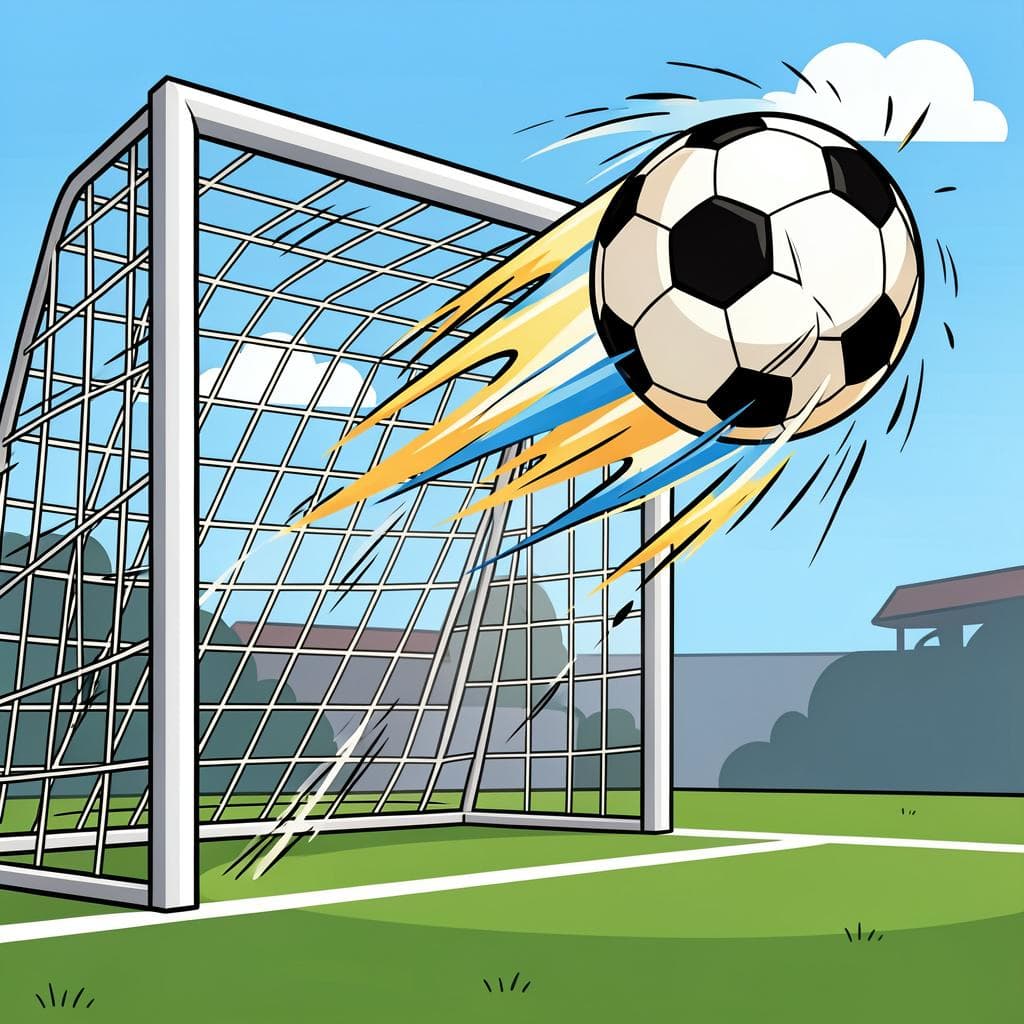
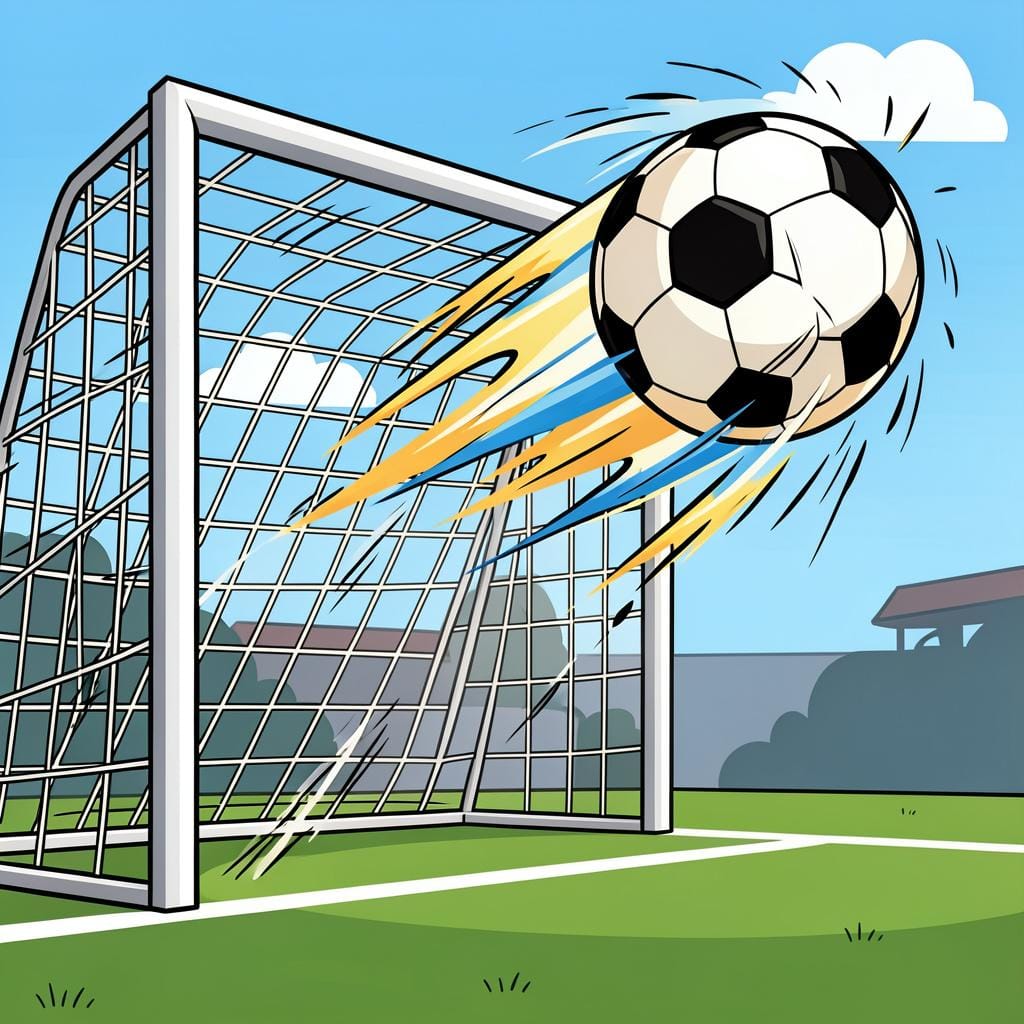
El jugador lanzó un misil a la portería.
The player launched a rocket towards the goal.
El delantero marcó un gol con un misil desde fuera del área.
The forward scored a goal with a rocket from outside the box.
Ese coche pasó por la calle como un misil.
That car flew down the street like a bolt of lightning.
Confusing Fasteners and Locks
Related Translations
Learn Spanish with Inklingo
Interactive stories, personalized learning, and more.