How to Say "far down" in Spanish
The most common Spanish word for “far down” is “profundamente” — use 'profundamente' when describing the depth of an action, like sleeping or digging, indicating that something is done to a great extent or intensity.

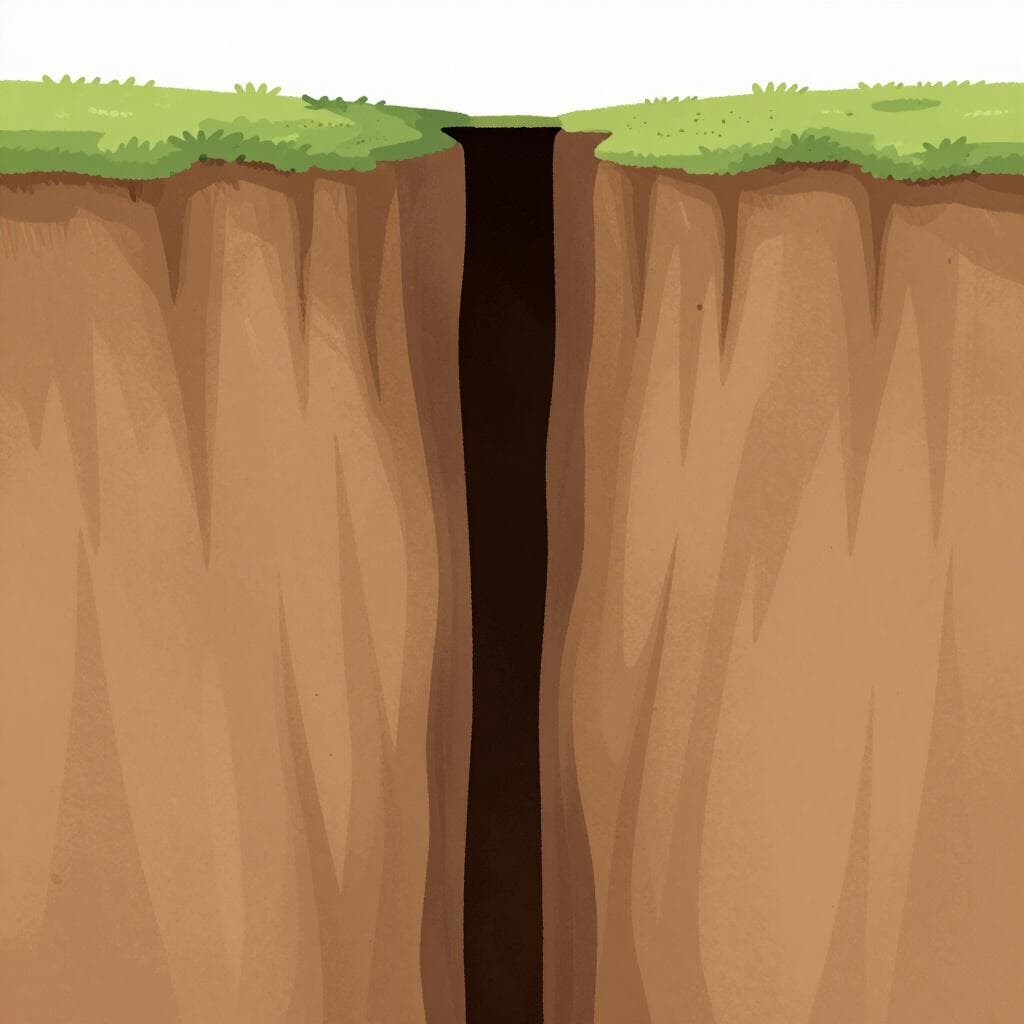
profundamente
pro-foon-dah-MEN-tehpɾofunðaˈmente

Examples
El arqueólogo cavó profundamente en busca de artefactos antiguos.
The archaeologist dug deeply in search of ancient artifacts.
El bebé durmió profundamente durante diez horas.
The baby slept deeply for ten hours.
Tuvimos que cavar profundamente en la tierra para instalar la base.
We had to dig deeply into the earth to install the foundation.
profundo
proh-FOON-dohpɾoˈfundo
Examples
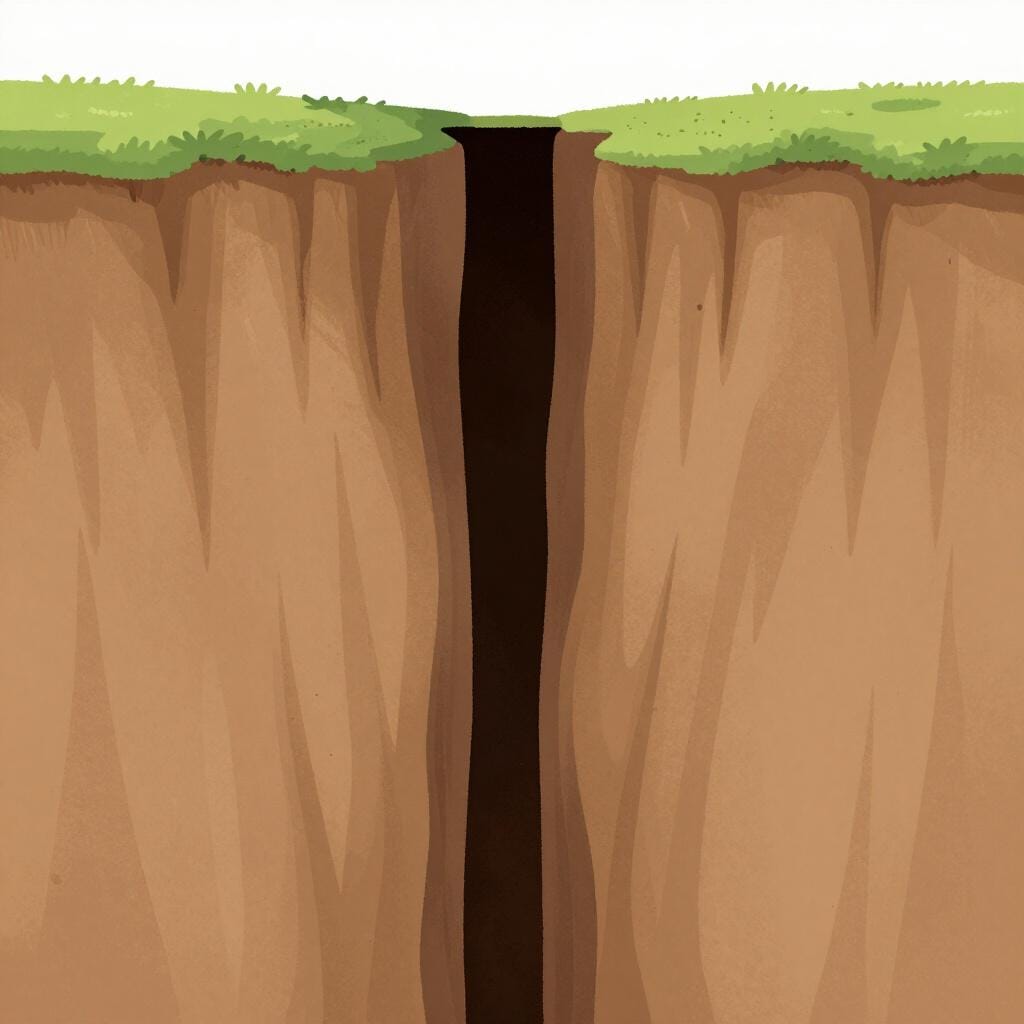
El pozo era tan profundo que no podíamos ver el fondo.
The well was so deep that we couldn't see the bottom.
La piscina olímpica es muy profunda en el centro.
The Olympic pool is very deep in the center.
Tuvimos que cavar un hoyo profundo para plantar el árbol.
We had to dig a deep hole to plant the tree.
Adjective Agreement
Like most Spanish adjectives, 'profundo' must match the thing it describes in both gender (masculine/feminine) and number (singular/plural): 'el mar profundo' (masculine singular), 'las aguas profundas' (feminine plural).
Confusing 'profundo' and 'fondo'
Mistake: “Using 'fondo' as an adjective (e.g., 'El río es fondo').”
Correction: 'Fondo' is usually a noun meaning 'bottom.' Use 'profundo' as the adjective: 'El río es profundo.'
Adverb vs. Adjective
Learn Spanish with Inklingo
Interactive stories, personalized learning, and more.