How to Say "fitting" in Spanish
The most common Spanish word for “fitting” is “apropiado” — use this word when 'fitting' means suitable, proper, or appropriate for a particular situation, time, or purpose.



apropiado
ah-proh-pee-AH-doha.pɾoˈpja.ðo

Examples
Necesitas encontrar un momento apropiado para hablar con tu jefe.
You need to find an appropriate moment to talk to your boss.
Llevar pantalones cortos no es apropiado en este restaurante elegante.
Wearing shorts is not appropriate in this elegant restaurant.
La respuesta que diste fue muy apropiada y diplomática.
The answer you gave was very suitable and diplomatic.
Making it Match
Since 'apropiado' is a describing word (adjective), you must change its ending to match the thing you are describing. Use '-a' for feminine things (la hora apropiada), '-os' for masculine plural things, and '-as' for feminine plural things.
Placement is Flexible
This word usually goes after the noun (el momento apropiado), but you can sometimes place it before the noun (un apropiado momento) for a slightly more formal or literary tone.
Forgetting Gender Agreement
Mistake: “La situación es apropiado.”
Correction: La situación es apropiada. (Since 'situación' is feminine, the describing word must also end in -a.)
quedando
keh-DAHN-dohkeˈðan̪do

Examples
La pared está quedando del color que queríamos.
The wall is turning out the color we wanted.
Este vestido te está quedando muy bien.
This dress is fitting you very well / is looking very good on you.
Focus on Change
When 'quedando' is used this way, it emphasizes the continuous process of change, not just the final result (which would use 'quedado').
Always Needs an Adjective
This meaning usually requires an adjective to describe the outcome: 'quedando bonito', 'quedando mal', etc.
montaje
mon-TAH-hehmonˈtaxe
Examples
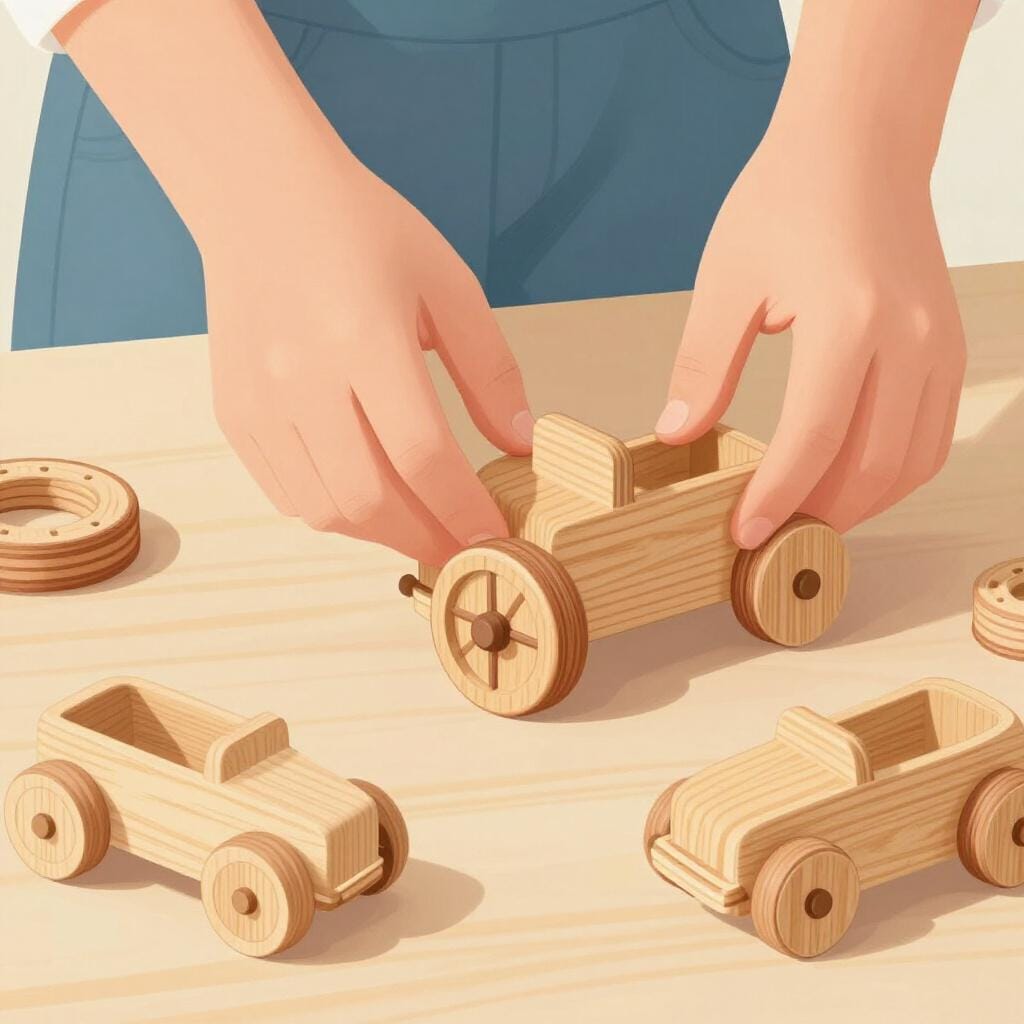
El montaje de los muebles de IKEA lleva mucho tiempo.
Assembling IKEA furniture takes a long time.
Trabaja en la cadena de montaje de una fábrica de coches.
He works on the assembly line of a car factory.
Gender Tip
Words ending in '-aje' in Spanish are almost always masculine, so you say 'el montaje'.
encaje
en-KAH-hehenˈkaxe

Examples
El encaje de las piezas del puzzle es perfecto.
The fit of the puzzle pieces is perfect.
Buscamos el encaje social de los nuevos residentes.
We are looking for the social integration of the new residents.
Esta pieza no tiene un buen encaje en el motor.
This part doesn't have a good fit in the engine.
Abstract Use
'Encaje' can describe physical fitting or abstract fitting, like how a person fits into a team.
prueba
prweh-bahˈpɾweβa
Examples
Voy a la tienda para una prueba de vestido.
I'm going to the store for a dress fitting.
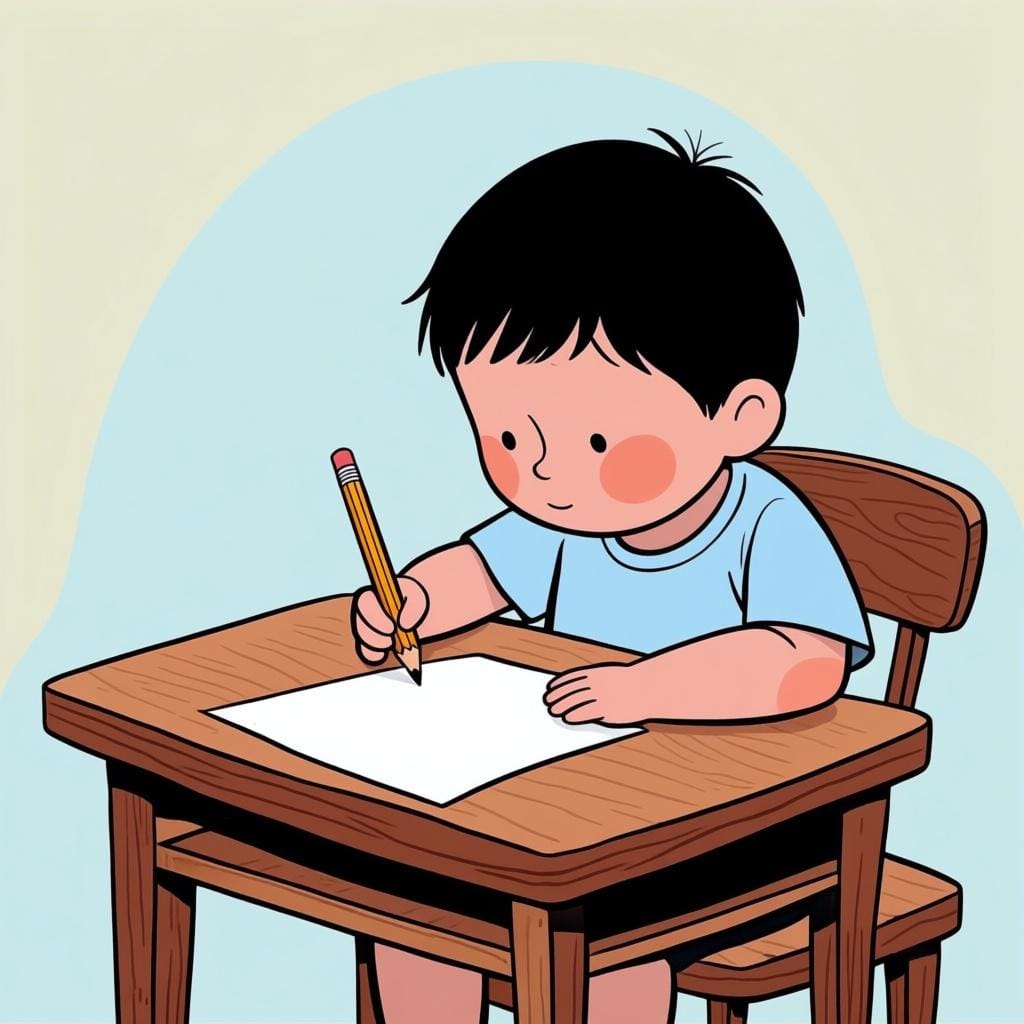
Tengo una prueba de español el viernes.
I have a Spanish test on Friday.
No hay prueba de que él estuviera allí.
There is no proof that he was there.
El detective busca pruebas para resolver el caso.
The detective is looking for evidence to solve the case.
Making Things 'Proof'
To say something is resistant to something else, like 'waterproof' or 'bulletproof', you can use the pattern 'a prueba de' + noun. For example, 'un reloj a prueba de agua' (a waterproof watch).
Prueba vs. Examen
Mistake: “Using 'prueba' and 'examen' as if they are exactly the same.”
Correction: They are very similar! Often, an 'examen' is a bigger, more formal test (like a final exam), while a 'prueba' can be a smaller test or quiz. But this can change depending on the country or school.
Appropriado vs. Prueba
Related Translations
Learn Spanish with Inklingo
Interactive stories, personalized learning, and more.