How to Say "foreclosure" in Spanish
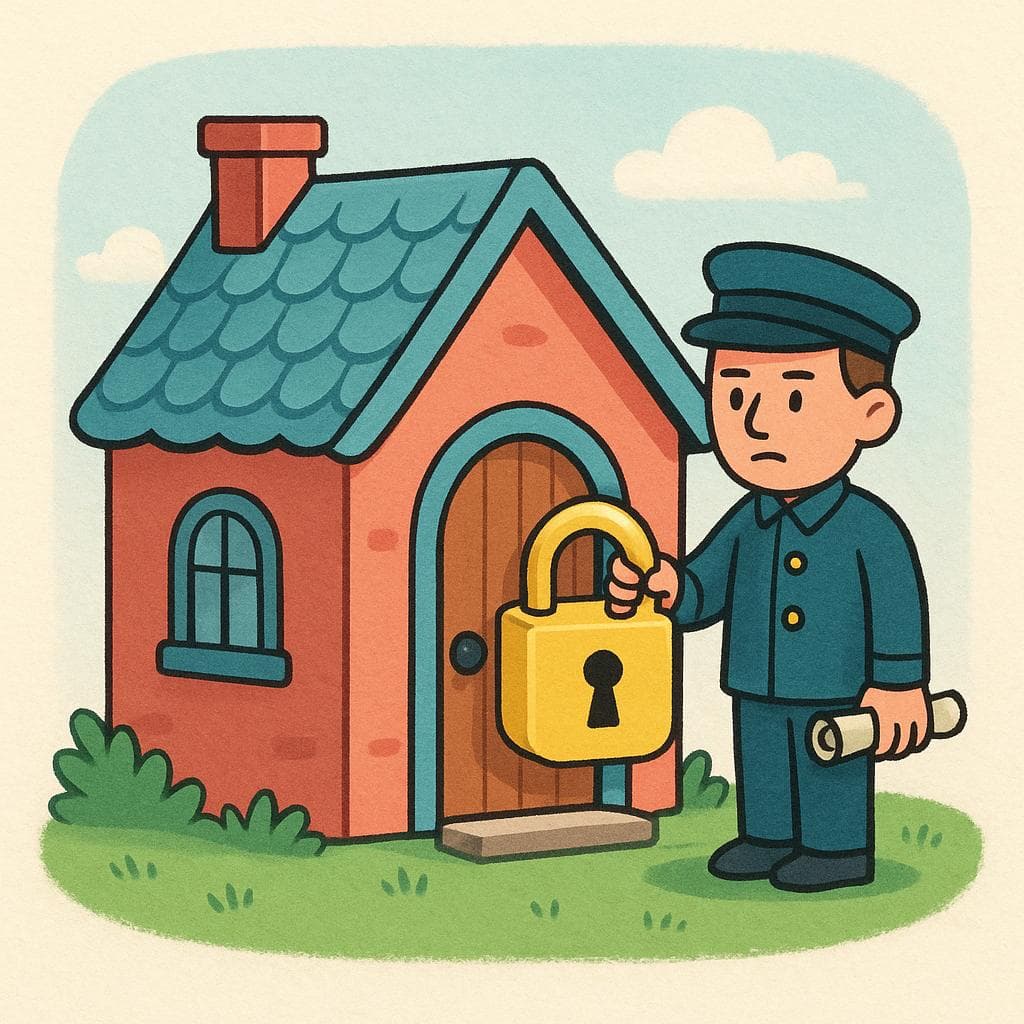
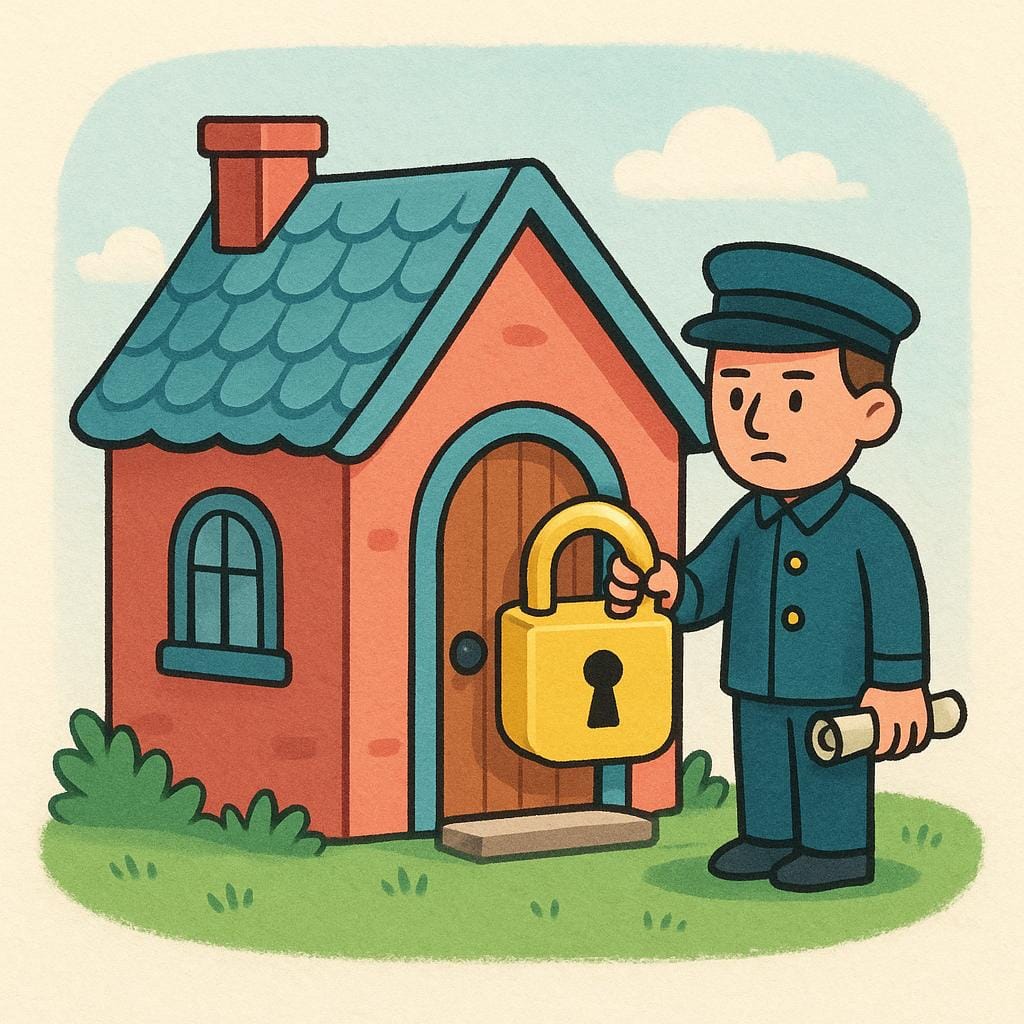
The most common Spanish word for “foreclosure” is “embargo” — use 'embargo' when referring specifically to the legal seizure of a property, especially a house, by a bank or lender due to missed payments.
English → Spanish
embargo
em-BAR-goemˈbaɾ.ɣo
nounB2legal, financial
Use 'embargo' when referring specifically to the legal seizure of a property, especially a house, by a bank or lender due to missed payments.
Examples
El banco inició el proceso de embargo de su casa por falta de pago.
The bank began the foreclosure process on his house for non-payment.
Recibió una orden de embargo sobre su salario para pagar la deuda.
He received a wage garnishment order to pay the debt.
ejecución
nounC1legal
Use 'ejecución' for the broader legal term of seizure or execution, which can include property seizure (ejecución hipotecaria) but also has other meanings like the death penalty.
Examples
La ejecución hipotecaria dejó a la familia sin hogar.
The foreclosure left the family homeless.
Ejecución vs. Embargo
Learners often confuse 'ejecución' and 'embargo'. While 'ejecución' is a general term for legal seizure, 'embargo' is more precise for the specific situation of a bank foreclosing on a property due to debt. Stick to 'embargo' for home foreclosures.
Related Translations
Learn Spanish with Inklingo
Interactive stories, personalized learning, and more.