How to Say "long ago" in Spanish
The most common Spanish word for “long ago” is “antaño” — use 'antaño' when referring to a general period in the past, often with a sense of 'in days gone by' or 'formerly'. It's best for historical or nostalgic references.
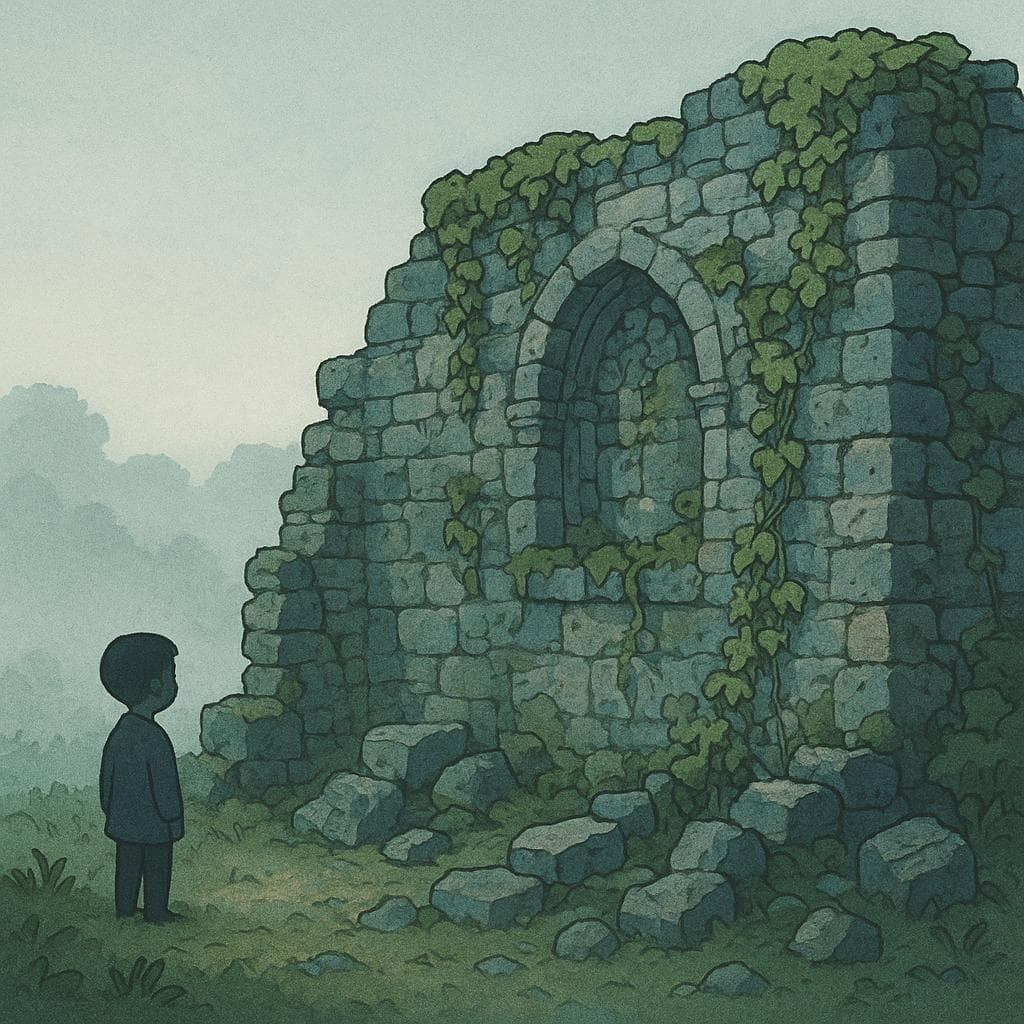
antaño
Examples
Antaño, las cartas eran el principal medio de comunicación.
Long ago, letters were the main means of communication.
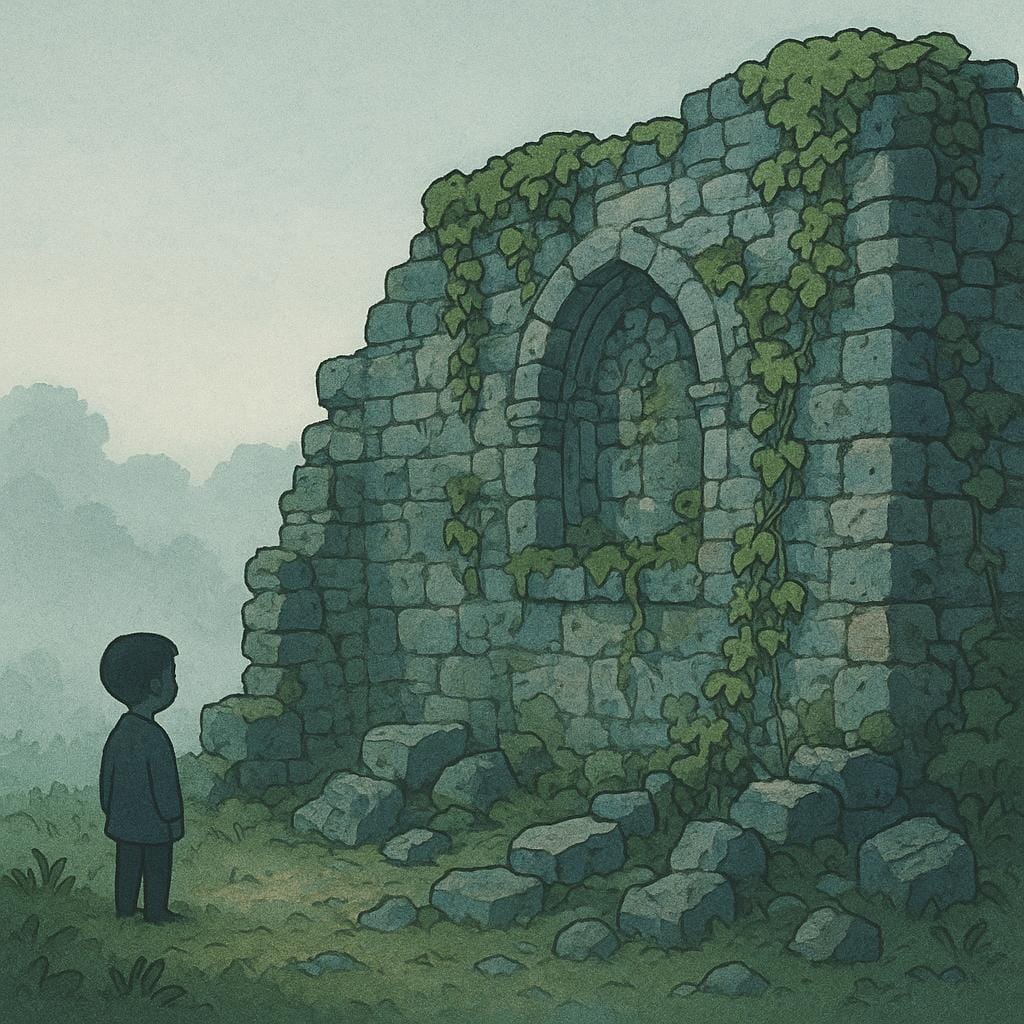
remoto
reh-MOH-tohreˈmoto
Examples
La posibilidad de que eso sucediera en un futuro remoto era mínima.
The possibility of that happening in the remote future was minimal.
Recordó ese evento con una memoria remota.
He recalled that event with a distant memory.
La historia se remonta a un pasado remoto.
The story dates back to a distant past.
Verb 'Remontarse'
The verb 'remontarse a' (to date back to) is often used with 'remoto': 'La tradición se remonta a siglos remotos' (The tradition dates back to remote centuries).
Antaño vs. Remoto: Adverb vs. Adjective
Learn Spanish with Inklingo
Interactive stories, personalized learning, and more.