How to Say "muffler" in Spanish
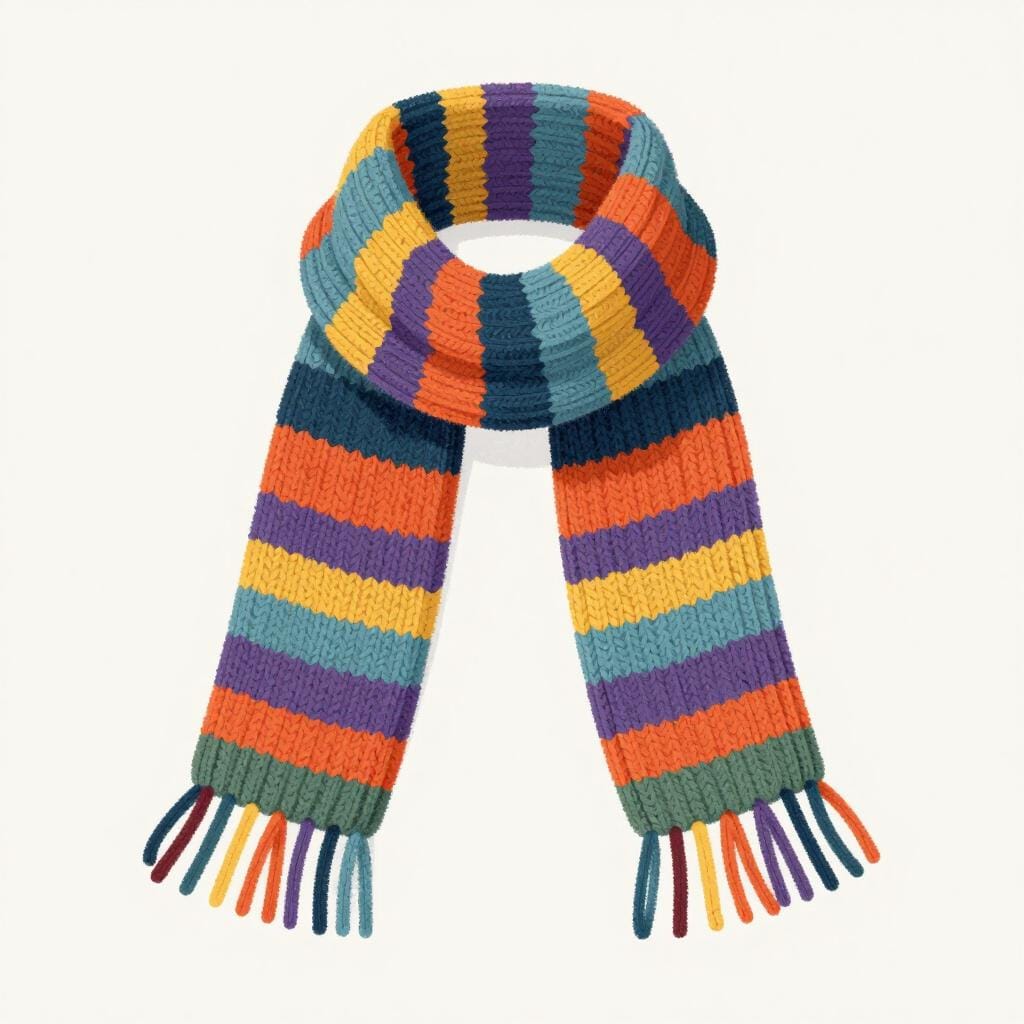
The most common Spanish word for “muffler” is “bufanda” — use 'bufanda' when referring to a winter scarf worn around the neck for warmth, not a car part.
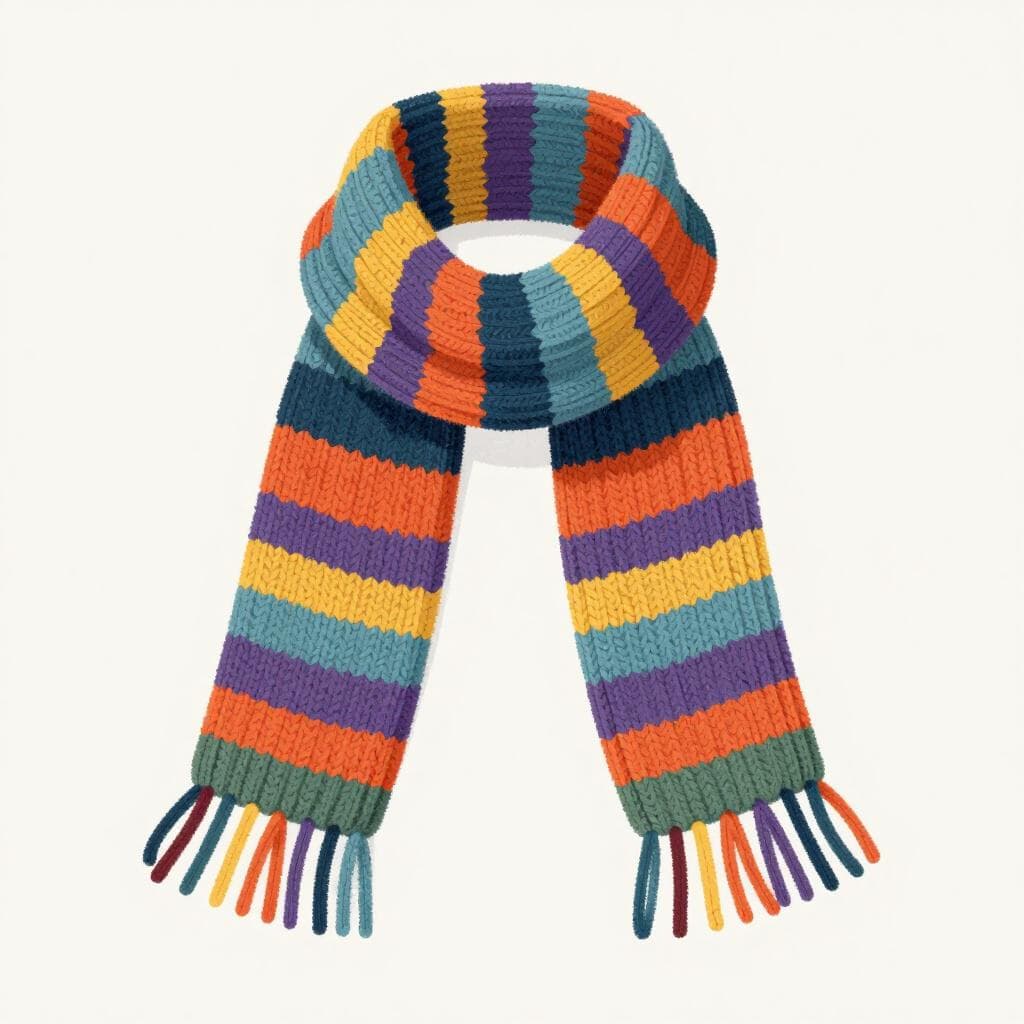

bufanda
boo-FAHN-dahbuˈfanda
Examples
Llevo una bufanda roja porque hace mucho frío hoy.
I'm wearing a red scarf because it's very cold today.
Esta bufanda de lana es un regalo de mi abuela.
This wool scarf is a gift from my grandmother.
Me gusta cómo te queda esa bufanda verde con tu abrigo.
I like how that green scarf looks with your coat.
Gender Matching
Since 'bufanda' is feminine, any words describing it must also end in 'a'. For example, 'una bufanda larga' (a long scarf).
Using Verbs for Clothing
In Spanish, we don't just 'wear' a scarf; we 'carry' it (llevar) or 'put it on ourselves' (ponerse). Use 'Llevo bufanda' to say you are currently wearing one.
The 'Scarf' vs. 'Handkerchief' mix-up
Mistake: “Using 'bufanda' for a light, decorative silk scarf or a tissue.”
Correction: Use 'bufanda' only for warm winter scarves. Use 'pañuelo' for decorative scarves or pocket squares.
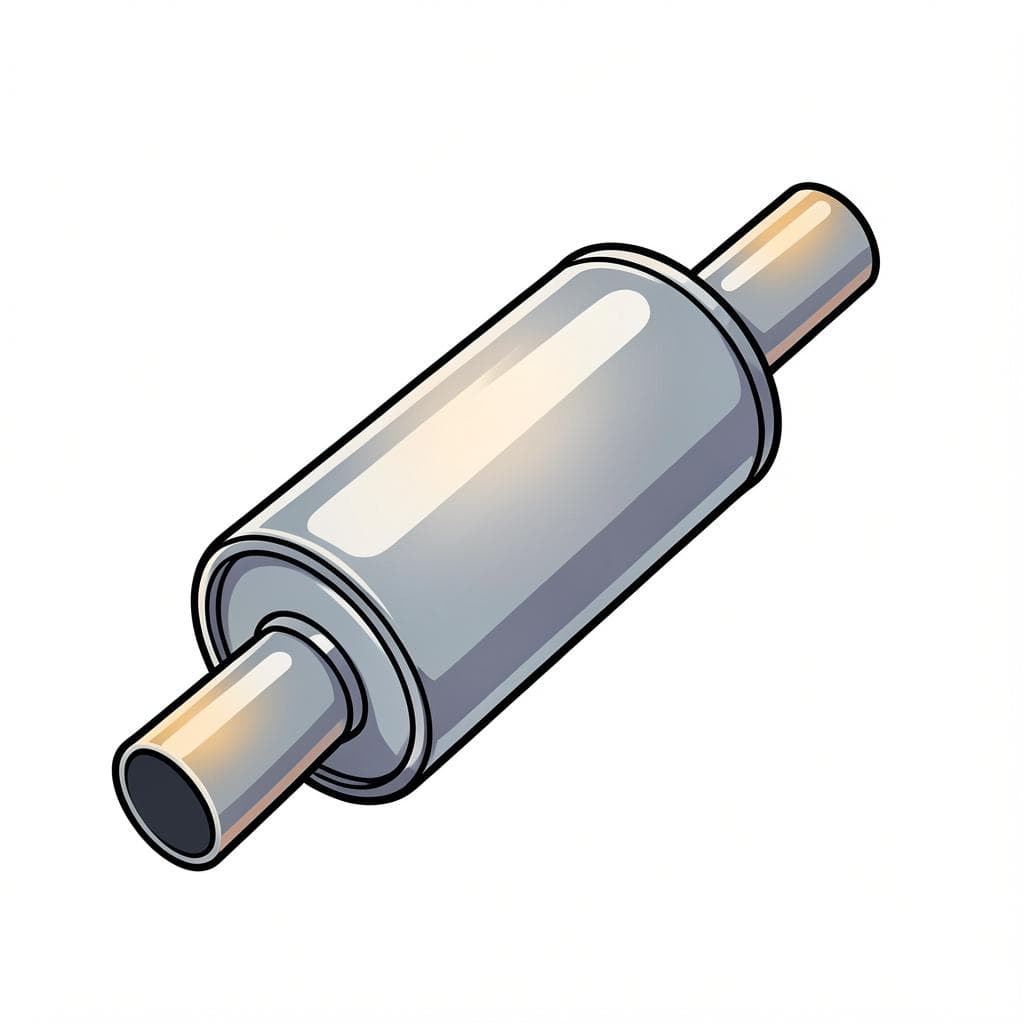
escape
es-KAH-pehesˈka.pe

Examples
El ruido era muy fuerte porque el coche tenía roto el escape.
The noise was very loud because the car had a broken exhaust pipe (muffler).
El mecánico tuvo que reemplazar todo el sistema de escape.
The mechanic had to replace the entire exhaust system.
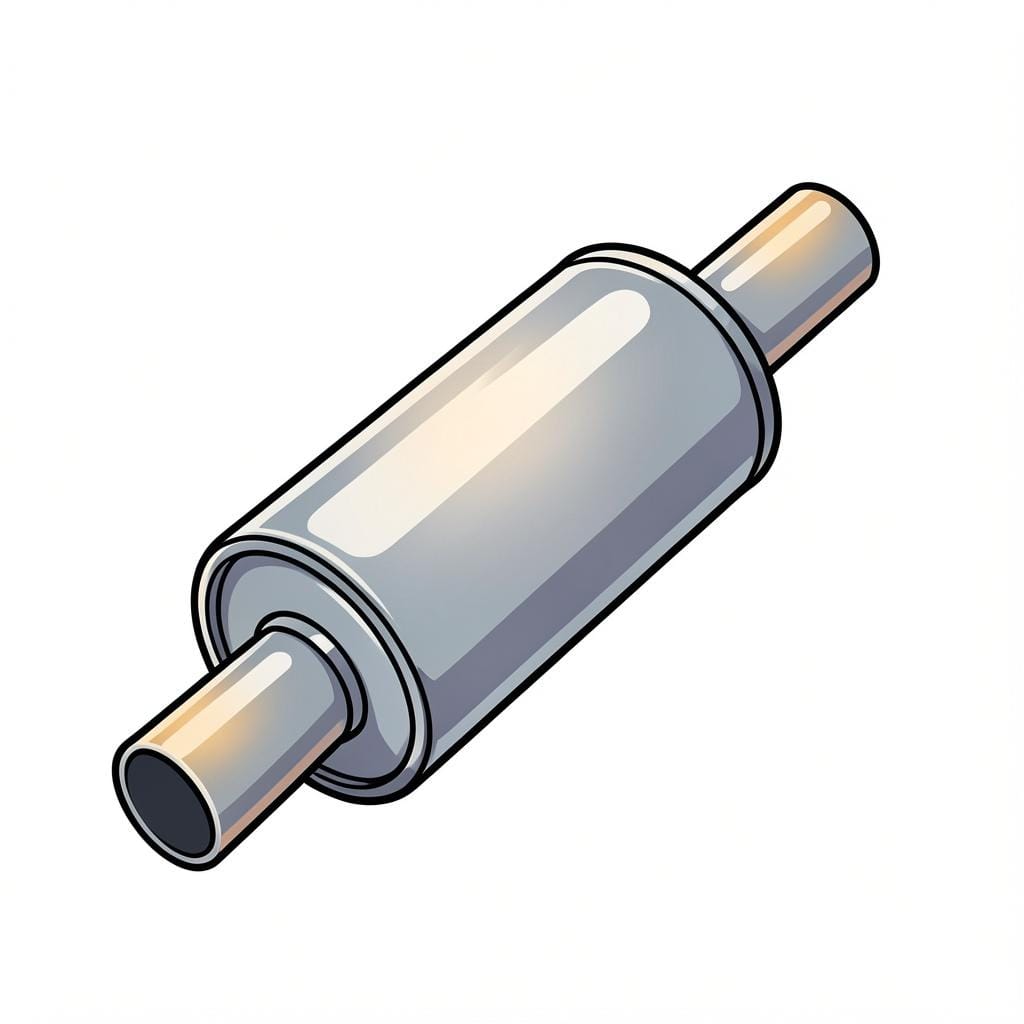
silencioso
see-len-SYOH-sohsilenˈθjoso
Examples
Tengo que llevar el coche al taller porque el silencioso está roto.
I have to take the car to the shop because the muffler is broken.
Confusing Car Parts
Related Translations
Learn Spanish with Inklingo
Interactive stories, personalized learning, and more.