How to Say "quiet" in Spanish
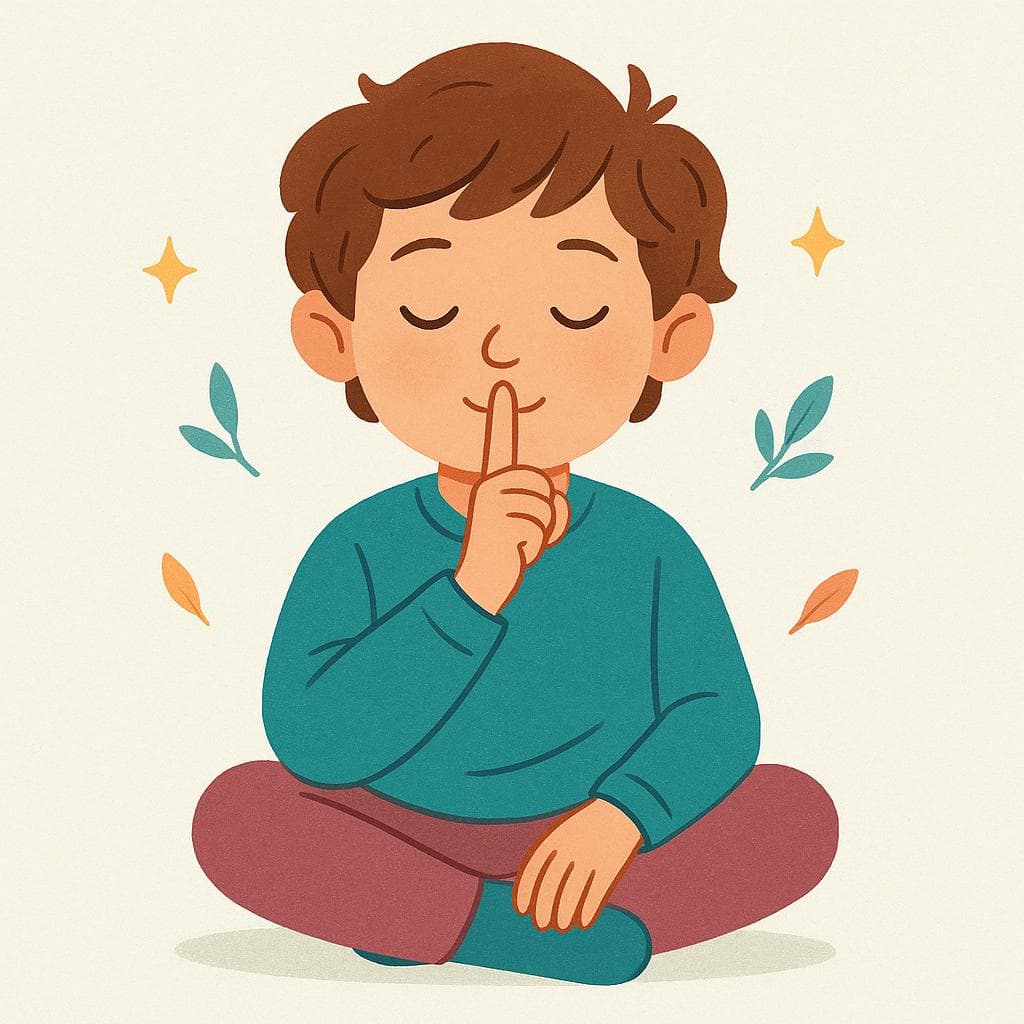
The most common Spanish word for “quiet” is “tranquilo” — use 'tranquilo' to describe a place like a street or town that is peaceful and not busy, or a person who is calm and easy-going.








tranquilo
tran-KEE-lohtɾaŋ'kilo

Examples
Me gusta vivir en un barrio tranquilo.
I like living in a quiet neighborhood.
Mi abuelo es un hombre muy tranquilo.
My grandfather is a very calm/easy-going man.
Este es un barrio tranquilo por la noche.
This is a quiet neighborhood at night.
Después del examen, me siento más tranquilo.
After the exam, I feel more calm.
Matching Endings: tranquilo vs. tranquila
This word changes to match the person or thing it describes. Use 'tranquilo' for masculine things (un día tranquilo) and 'tranquila' for feminine things (una persona tranquila).
Describing Personality vs. Feeling: 'Ser' vs. 'Estar'
Use 'ser tranquilo' to talk about someone's general personality (He is a calm person). Use 'estar tranquilo' to describe how someone feels right now (He is calm at the moment).
Forgetting to change the ending
Mistake: “La ciudad es muy tranquilo por la mañana.”
Correction: La ciudad es muy tranquila por la mañana. Because 'ciudad' (city) is a feminine word, the adjective describing it must also end in '-a'.
silencioso
see-len-SYOH-sohsilenˈθjoso

Examples
El nuevo coche es muy silencioso.
The new car is very quiet.
Mi gato es muy silencioso cuando camina.
My cat is very quiet when he walks.
Buscamos un hotel en una calle silenciosa.
We are looking for a hotel on a quiet street.
El nuevo motor es totalmente silencioso.
The new engine is completely noiseless.
Matching the Ending
Remember to change the ending to match what you are describing: 'un coche silencioso' (a quiet car) but 'una casa silenciosa' (a quiet house).
Personality vs. Current State
Use the verb 'ser' (to be) if someone is naturally a quiet person, and 'estar' (to be) if they are just being quiet at this moment.
Quiet vs. Calm
Mistake: “Using 'silencioso' for a person's mood.”
Correction: Use 'tranquilo' for 'calm.' Use 'silencioso' specifically for the lack of sound or talking.
calmado
kal-MAH-dohkalˈmaðo

Examples
El perro está muy calmado después del paseo.
The dog is very calm after the walk.
Hoy el mar está muy calmado.
The sea is very calm today.
Mi hermano es un chico muy calmado.
My brother is a very quiet/calm boy.
Mantente calmado, todo va a salir bien.
Stay calm, everything is going to be fine.
Changing the Ending
Since this word describes something, it needs to match the gender of the noun. Use 'calmado' for masculine things (el niño) and 'calmada' for feminine things (la niña).
Ser vs. Estar
Mistake: “Using 'soy calmado' when you mean you feel calm right now.”
Correction: Use 'estoy calmado' for how you feel in the moment, and 'soy calmado' to describe your permanent personality.
callado
ca-YA-dokaˈʎaðo
Examples
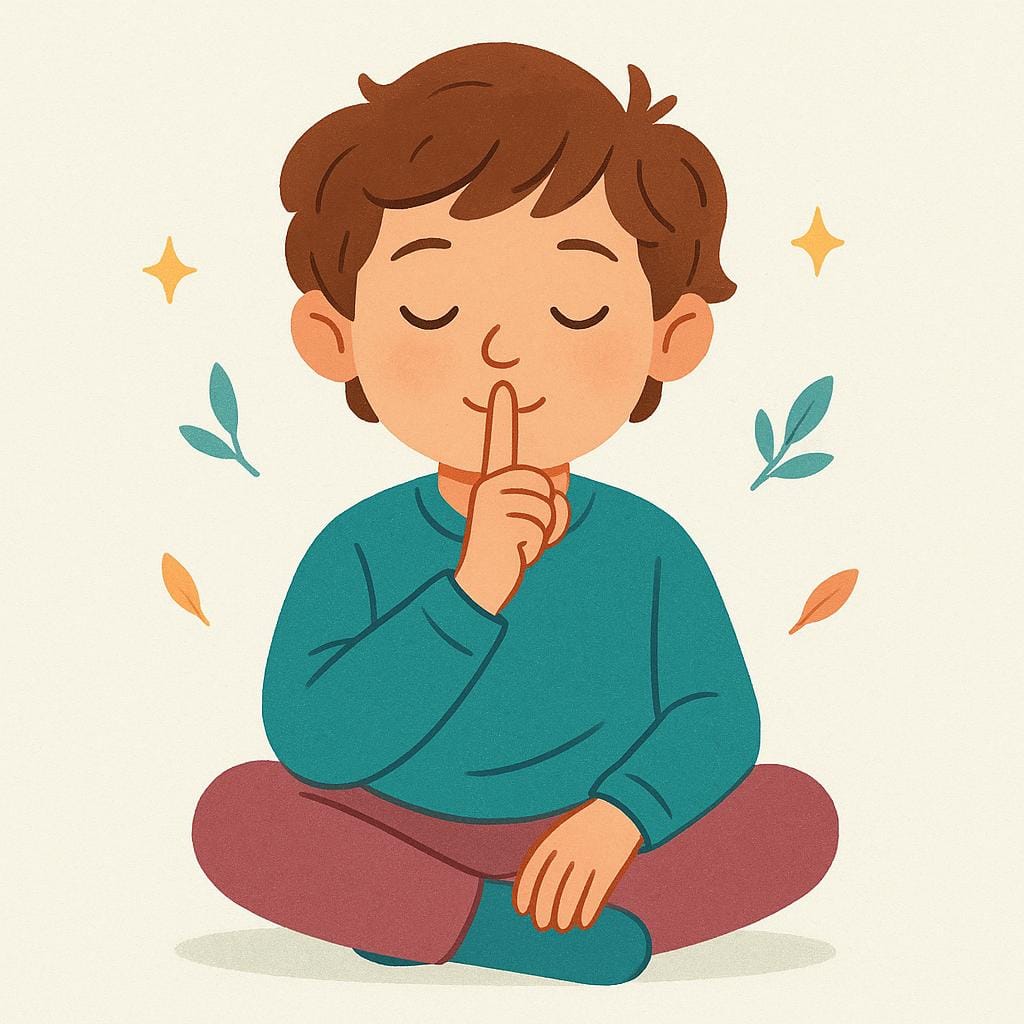
Mi vecino es un hombre muy callado.
My neighbor is a very quiet/reserved man.
Mi hermana es muy callada en clase, pero habla mucho en casa.
My sister is very quiet/reserved in class, but she talks a lot at home.
El bosque estaba callado, solo se escuchaban los pájaros.
The forest was silent; only the birds could be heard.
Se quedó callado cuando le preguntaron por el dinero.
He remained silent when they asked him about the money.
Agreement is Essential
As an adjective, 'callado' must change its ending to match the person or thing it describes: 'el niño callado' (m), 'la niña callada' (f), 'los niños callados' (plural m).
Callado vs. Silencioso
Mistake: “Using 'silencioso' to describe a person's reserved nature.”
Correction: Use 'callado' for a person who is quiet or reserved ('una persona callada'). Use 'silencioso' for a room or thing that makes no noise ('una habitación silenciosa').
silencio
see-LEN-syosiˈlen.sjo

Examples
Disfruto del silencio de la biblioteca.
I enjoy the silence of the library.
Me gusta el silencio de la mañana.
I like the silence of the morning.
Hubo un silencio incómodo después de su comentario.
There was an awkward silence after his comment.
El profesor pidió silencio a los estudiantes.
The teacher asked the students for silence.
It's a Masculine Word
Even though it doesn't describe a male person, 'silencio' is a masculine word in Spanish. Always pair it with 'el' or 'un', like 'el silencio'.
'Silencio' vs. 'Callado'
Mistake: “Trying to say 'The boy is silence.' ('El niño es silencio.')”
Correction: Use 'callado' for people: 'El niño está callado.' ('The boy is quiet'). 'Silencio' describes a place or situation, not a person's state of being.
calma
KAL-mahˈkalma

Examples
Después de la tormenta, llegó la calma.
After the storm, calm arrived.
Respira profundo y busca la calma.
Take a deep breath and find your calm.
Me encanta la calma del mar por la mañana.
I love the calm of the sea in the morning.
Después de la discusión, hubo una calma tensa en la habitación.
After the argument, there was a tense quiet in the room.
Always Feminine: 'la calma'
Even though it describes a general feeling, 'calma' is a feminine word in Spanish. Always use 'la' or 'una' with it, like 'la calma del océano' (the calm of the ocean).
reservado
re-ser-VA-doreseɾˈβaðo

Examples
Al principio, era reservado, pero luego se volvió más amigable.
At first, he was reserved, but then he became friendlier.
Al principio, el nuevo jefe parecía muy reservado, pero luego se abrió.
At first, the new boss seemed very reserved (private), but then he opened up.
Prefiero ser reservada con mis planes hasta que estén listos.
I prefer to be private about my plans until they are ready.
bajo
BA-hoˈbaxo

Examples
Por favor, habla más bajo.
Please, speak more quietly.
Mi hermano es más bajo que yo.
My brother is shorter than me.
El techo de la casa es muy bajo.
The ceiling of the house is very low.
Por favor, habla en voz baja, el bebé duerme.
Please, speak in a quiet voice, the baby is sleeping.
Making it Match
As an adjective, 'bajo' changes to match the person or thing it describes. Use 'baja' for feminine things, 'bajos' for plural masculine, and 'bajas' for plural feminine. (e.g., la mesa baja, los techos bajos, las sillas bajas)
Height vs. Length
Mistake: “El lápiz es bajo.”
Correction: El lápiz es corto. Use 'bajo' for height (like a person or a building) and 'corto' for length (like a pencil or a story).
quietos
kye-toskjetos
Examples
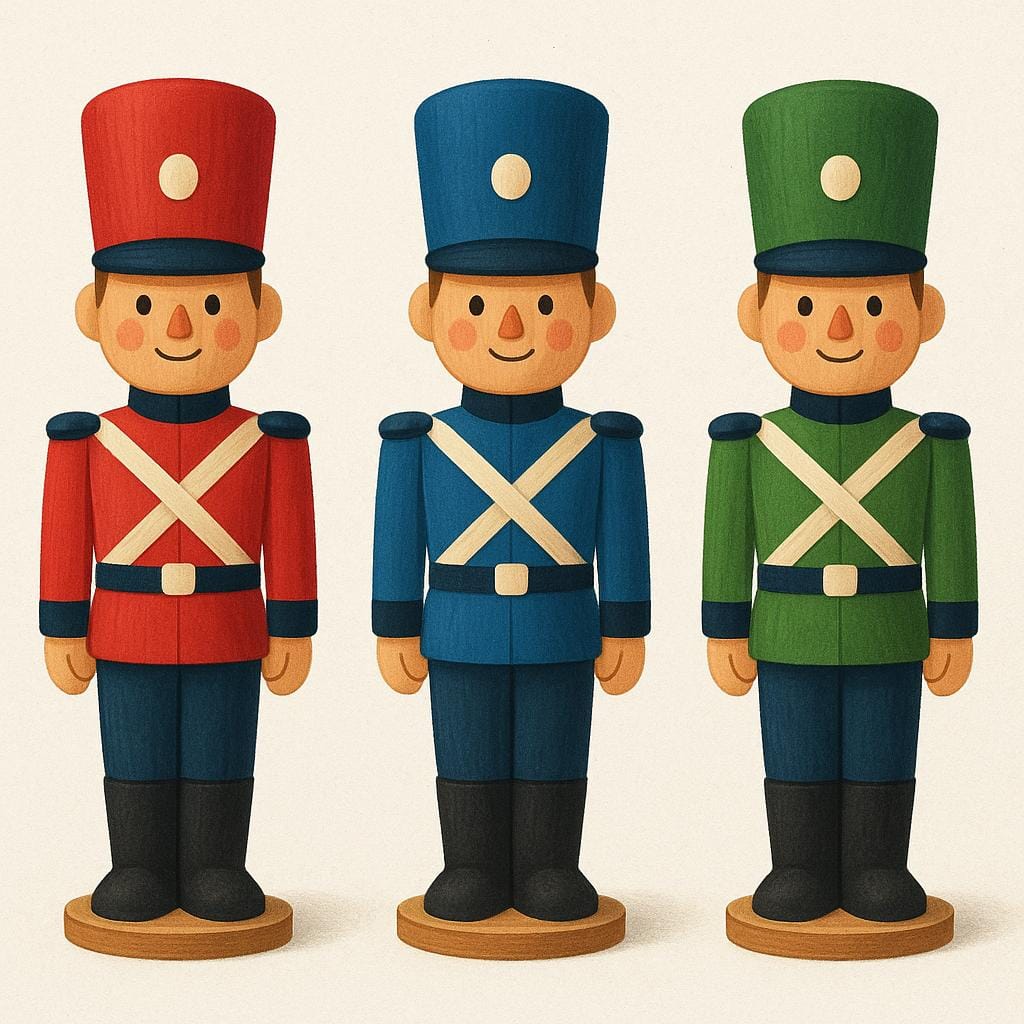
¡Niños, quedaos quietos!
Children, stay still/quiet!
Los leones permanecieron quietos mientras el rebaño pasaba.
The lions remained still while the herd passed by.
Todos los chicos estaban quietos esperando su turno.
All the boys were quiet/still waiting for their turn.
Las aguas del lago estaban quietos esta mañana.
The lake waters were calm this morning.
Adjective Agreement
Since 'quietos' ends in '-os', it describes multiple masculine things (or a mixed group of males and females). Use 'quietas' for multiple females.
Using 'Ser' instead of 'Estar'
Mistake: “Los niños son quietos.”
Correction: Los niños están quietos. Use 'estar' because 'quietos' describes a temporary state (being still right now), not a permanent characteristic.
quedo
KAY-dohˈkeðo

Examples
La noche era quedo y estrellada.
The night was quiet and starry.
La casa estaba en un silencio quedo, solo se oía el viento.
The house was in a quiet stillness; only the wind could be heard.
El niño se mantuvo quedo para no despertar a su madre.
The boy kept still so as not to wake his mother.
Tranquilo vs. Silencioso
Learn Spanish with Inklingo
Interactive stories, personalized learning, and more.