How to Say "reserved" in Spanish
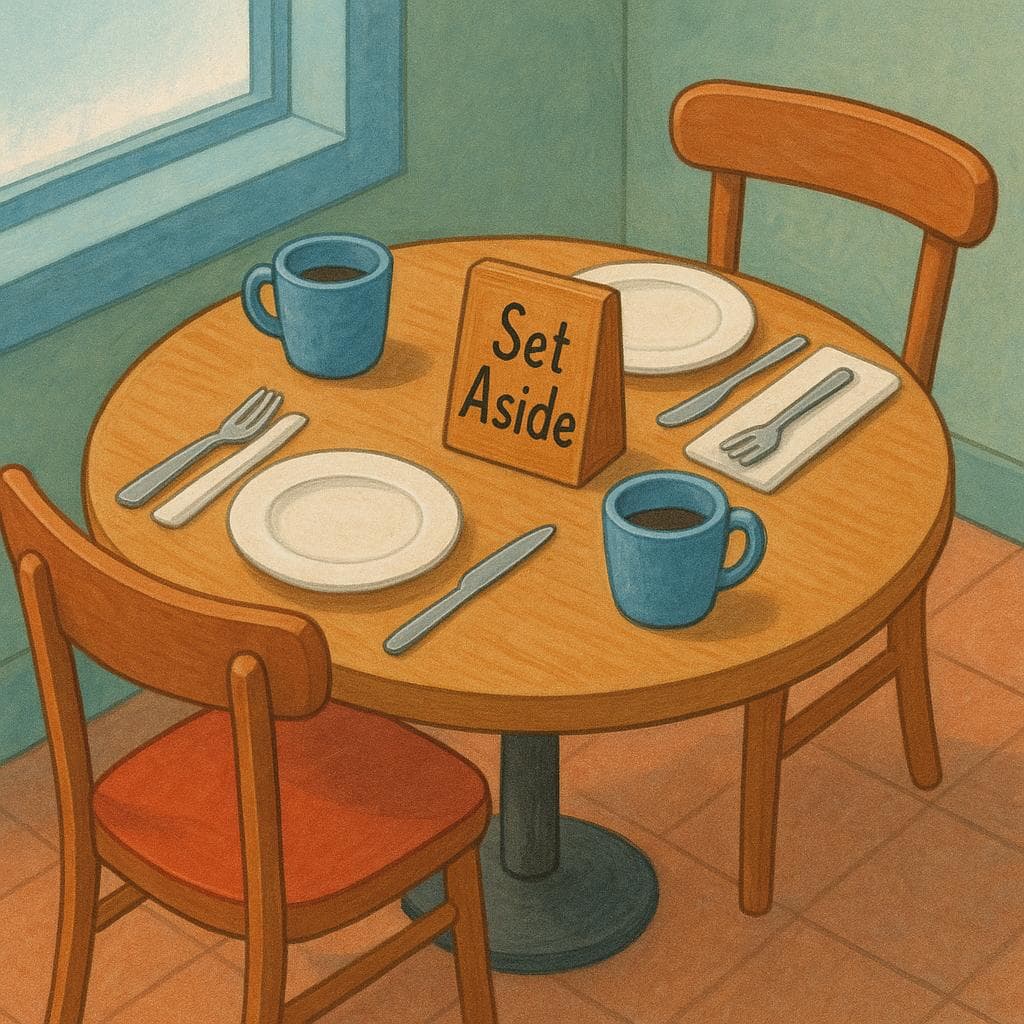
The most common Spanish word for “reserved” is “reservado” — use this when something is set aside for a particular person or purpose, like a table or a seat.




reservado
re-ser-VA-doreseɾˈβaðo
Examples
Esta mesa ya está reservada, ¿tienen otra libre?
This table is already reserved, do you have another one free?
Tenemos un cuarto reservado para usted en el hotel.
We have a room booked for you at the hotel.
El asiento reservado es el número 12B.
The reserved seat is number 12B.
Al principio, el nuevo jefe parecía muy reservado, pero luego se abrió.
At first, the new boss seemed very reserved (private), but then he opened up.
Adjusting the Ending
Since 'reservado' is an adjective, it must match the thing it describes. If you are talking about 'la mesa' (feminine), you must say 'reservada'.
callado
ca-YA-dokaˈʎaðo

Examples
Mi hermana es muy callada en clase, pero habla mucho en casa.
My sister is very quiet/reserved in class, but she talks a lot at home.
El bosque estaba callado, solo se escuchaban los pájaros.
The forest was silent; only the birds could be heard.
Se quedó callado cuando le preguntaron por el dinero.
He remained silent when they asked him about the money.
Agreement is Essential
As an adjective, 'callado' must change its ending to match the person or thing it describes: 'el niño callado' (m), 'la niña callada' (f), 'los niños callados' (plural m).
Callado vs. Silencioso
Mistake: “Using 'silencioso' to describe a person's reserved nature.”
Correction: Use 'callado' for a person who is quiet or reserved ('una persona callada'). Use 'silencioso' for a room or thing that makes no noise ('una habitación silenciosa').
cerrado
se-RRAH-dohθeˈraðo/ or /seˈraðo

Examples
Es una persona muy cerrada, le cuesta hacer nuevos amigos.
He is a very reserved person; it is hard for him to make new friends.
No la juzgues, solo es un poco cerrada al principio.
Don't judge her, she's just a little withdrawn at first.
Using 'Ser'
When describing personality, you use the verb 'ser' (to be) because being reserved is usually a permanent, defining trait of that person.
encerrado
en-se-RRAH-dohen.seˈra.ðo

Examples
Mi hermano es un poco encerrado; prefiere leer a salir de fiesta.
My brother is a bit withdrawn; he prefers reading to going out partying.
Su naturaleza encerrada hacía difícil conocerla bien.
Her reserved nature made it difficult to get to know her well.
Permanent Traits
When describing a permanent personality trait, you use the verb 'ser' (to be) instead of 'estar': 'Ella es encerrada' (She is a reserved person).
dedicado
deh-dee-KAH-dohde.ðiˈka.ðo

Examples
Necesitamos una línea dedicada para el servicio al cliente.
We need a dedicated line for customer service.
El equipo trabaja en un laboratorio dedicado solo a la investigación.
The team works in a laboratory dedicated only to research.
Function as Past Participle
Even though it acts as an adjective here, 'dedicado' is the past participle of dedicar. This means it can also be used with 'ser' or 'estar' to describe the state of being assigned: 'El carril está dedicado a los autobuses'.
reservado
re-ser-VA-doreseɾˈβaðo
Examples
Al principio, el nuevo jefe parecía muy reservado, pero luego se abrió.
At first, the new boss seemed very reserved (private), but then he opened up.
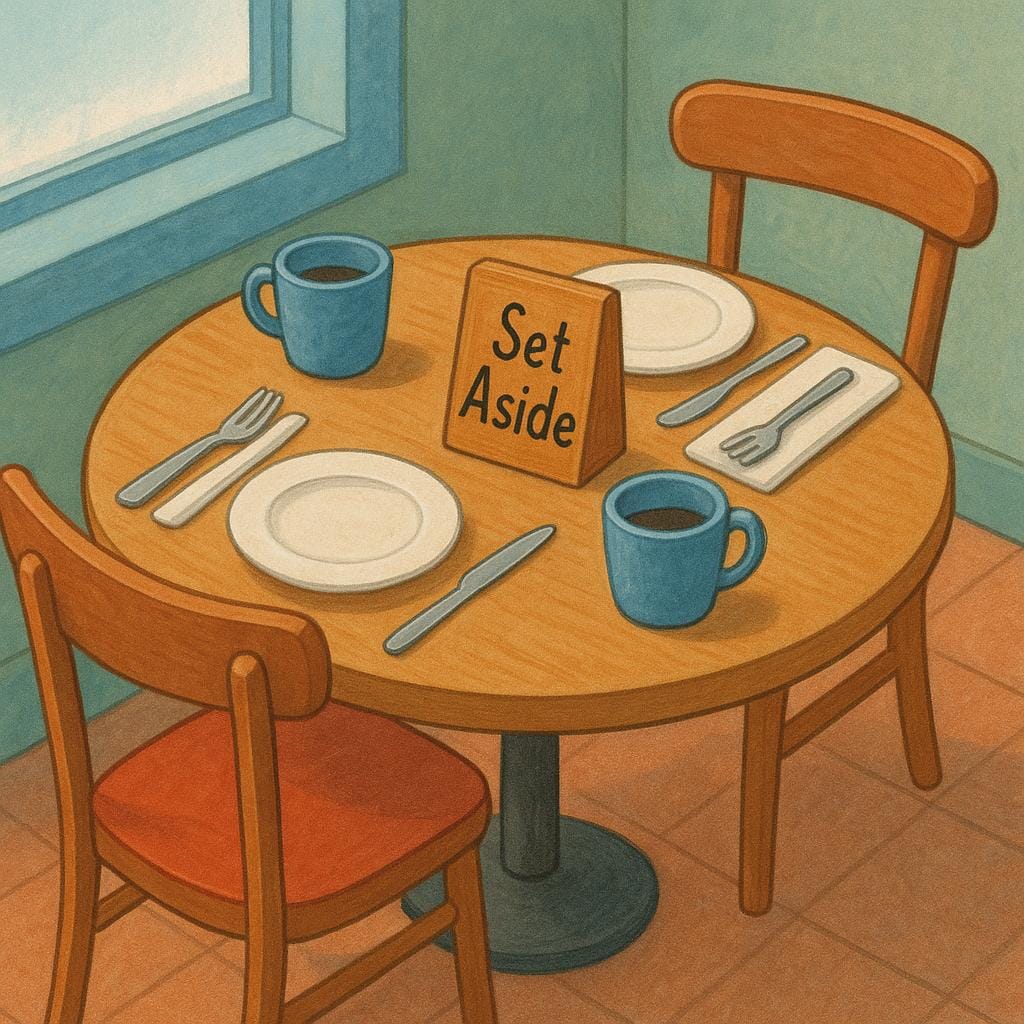
Esta mesa ya está reservada, ¿tienen otra libre?
This table is already reserved, do you have another one free?
Tenemos un cuarto reservado para usted en el hotel.
We have a room booked for you at the hotel.
El asiento reservado es el número 12B.
The reserved seat is number 12B.
Adjusting the Ending
Since 'reservado' is an adjective, it must match the thing it describes. If you are talking about 'la mesa' (feminine), you must say 'reservada'.
Personality vs. Reserved Items
Related Translations
Learn Spanish with Inklingo
Interactive stories, personalized learning, and more.