How to Say "occupied" in Spanish
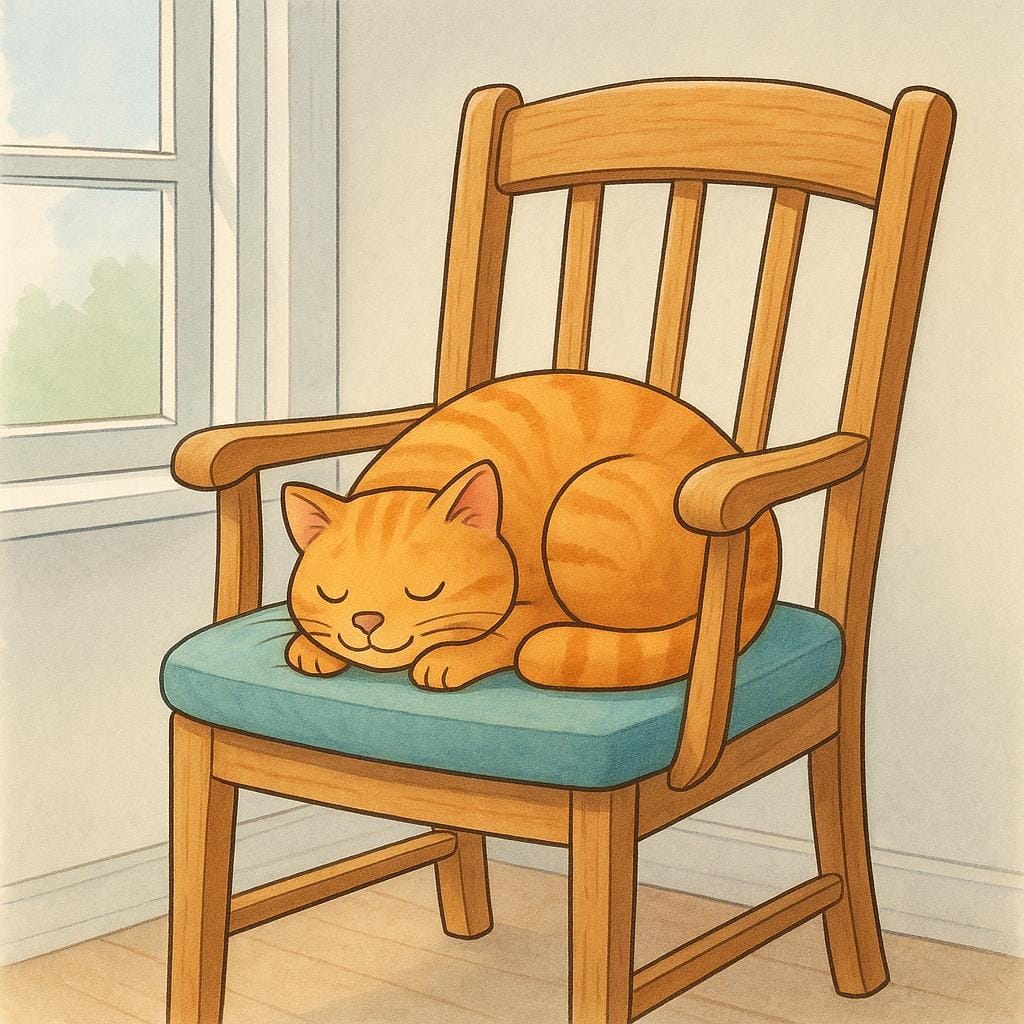
The most common Spanish word for “occupied” is “ocupado” — use this for a physical space like a bathroom, a room, or a territory that is currently in use and cannot be entered or accessed.
ocupado
oh-koo-PAH-dohokuˈpaðo
Examples
El baño está ocupado, espera un momento.
The bathroom is occupied, wait a moment.
Quise entrar al baño, pero la puerta decía 'ocupado'.
I wanted to go into the bathroom, but the door said 'occupied'.
Este asiento está ocupado, lo siento.
This seat is taken, sorry.
Intenté llamar a mi mamá, pero el teléfono estaba ocupado.
I tried to call my mom, but the phone was busy/engaged.
Still Uses 'Estar'
Just like when a person is busy, a place being 'taken' is a temporary state. So you continue to use 'estar'. For example, 'El baño está ocupado' (The bathroom is occupied).
Matching the Thing
The word ending must change to match the thing it describes. For example, 'el asiento está ocupado' (masculine), but 'la mesa está ocupada' (feminine).
Using 'Ocupado' for a Full Container
Mistake: “La botella está ocupada con agua.”
Correction: La botella está llena de agua. Use 'ocupado' for a space that is in use by someone or something, and 'lleno' for a container that is full.
tomado
toh-MAH-dohtoˈmaðo
Examples
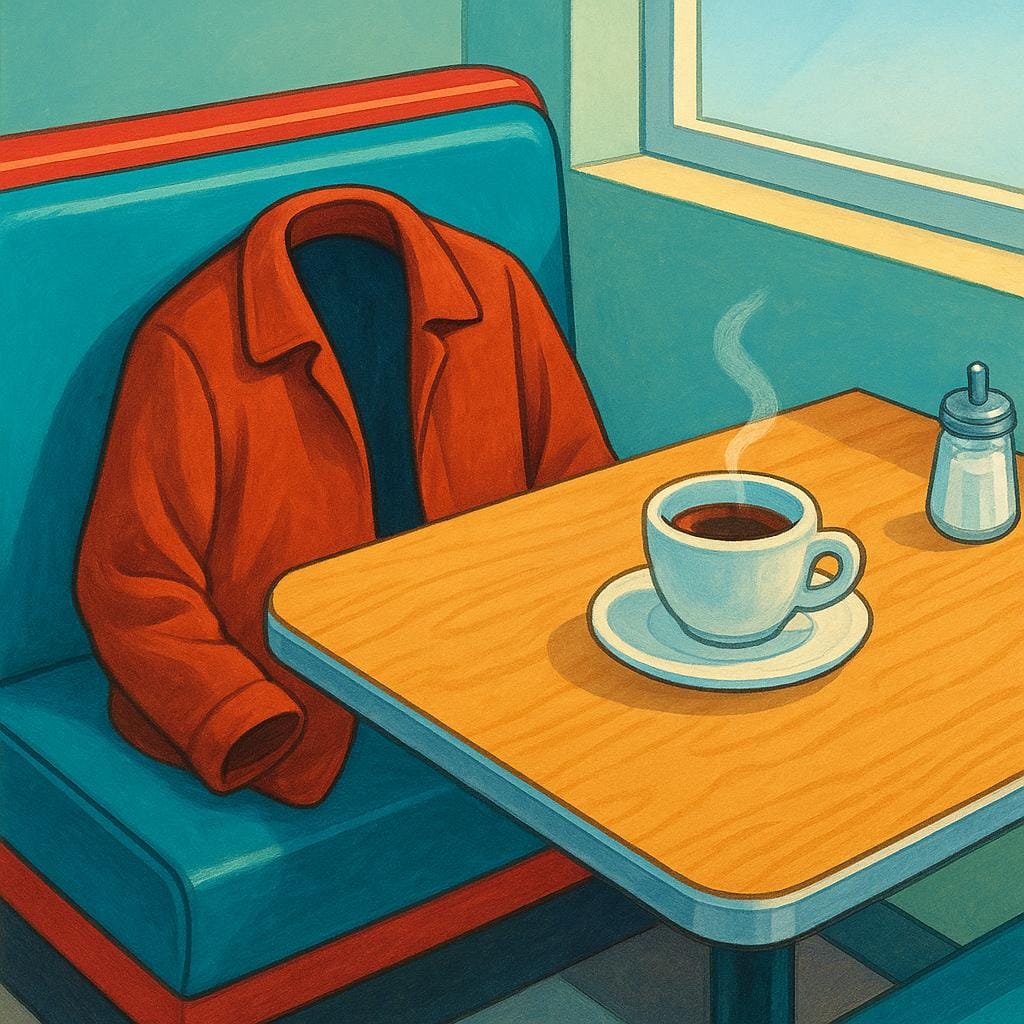
Lo siento, esta mesa ya está tomada.
Sorry, this table is already taken/occupied.
¿Esa silla está tomada?
Is that chair taken/occupied?
La fortaleza fue tomada después de tres días de asedio.
The fortress was captured after three days of siege.
Tengo la nariz tomada por la alergia.
My nose is blocked/congested because of the allergy.
Agreement is Key
When used as an adjective, 'tomado' MUST match the thing it describes in both gender and number: 'la mesa tomada' (f. singular) or 'los asientos tomados' (m. plural).
Used with 'Estar'
This adjective usually pairs with the verb 'estar' (to be) to describe the current state of something: 'El ascensor está tomado' (The elevator is busy/occupied).
Forgetting Feminine Form
Mistake: “La mesa está *tomado*.”
Correction: La mesa está *tomada*. (The noun 'mesa' is feminine, so the adjective must end in 'a'.)
llenos
YEH-nohs (or LLEH-nohs)ˈʎe.nos
Examples
Las gradas estaban llenas de aficionados.
The stands were full of fans.
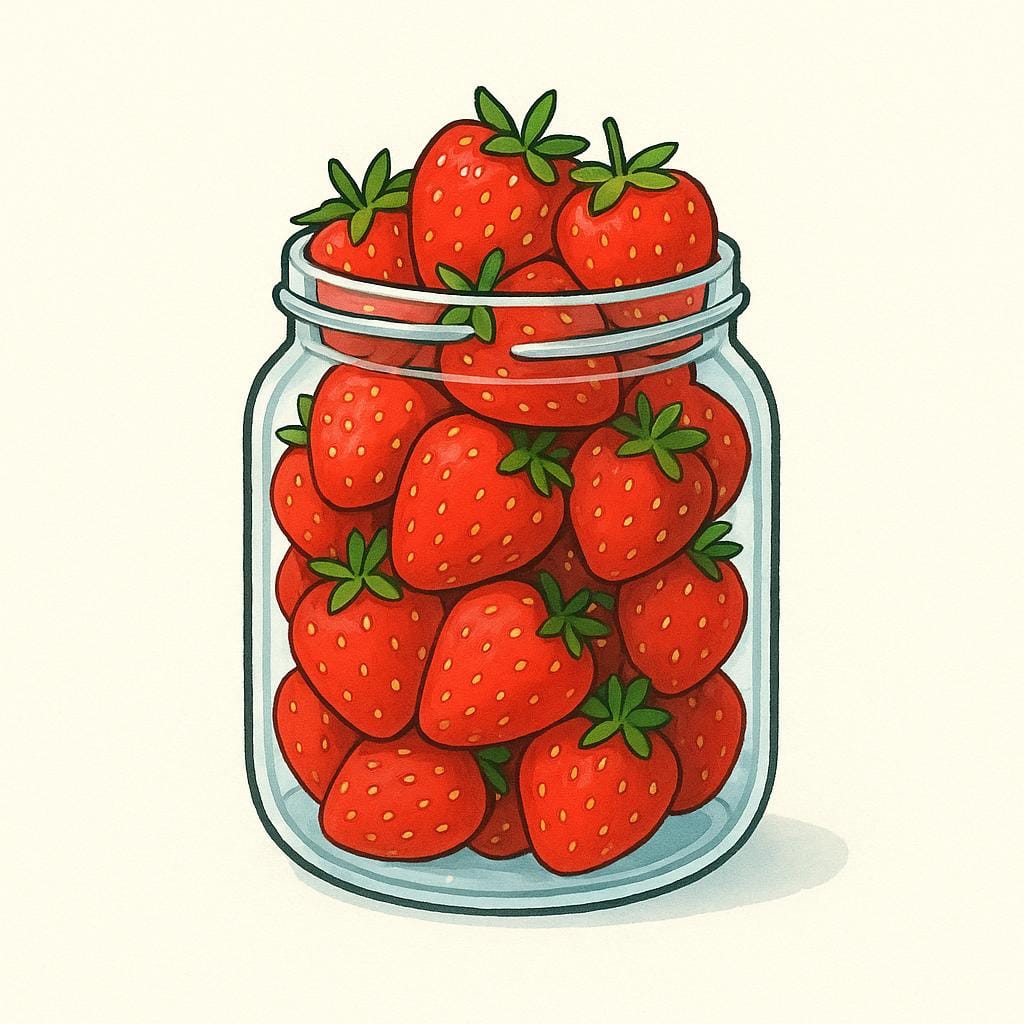
Los estantes estaban llenos de libros viejos.
The shelves were full of old books.
Todos los autobuses están llenos a esta hora de la mañana.
All the buses are crowded at this time of the morning.
Nuestros días han estado llenos de reuniones importantes.
Our days have been full of important meetings.
Adjective Agreement
Since 'llenos' ends in -os, it describes multiple masculine things. Remember to use 'llenas' for multiple feminine things (e.g., 'las cajas llenas').
Using 'Estar'
We usually use the verb 'estar' (to be) with 'llenos' because it describes a temporary state or condition: 'Los vasos están llenos' (The glasses are full).
Using 'Ser' instead of 'Estar'
Mistake: “Los vasos son llenos.”
Correction: Los vasos están llenos. Being full is a state that can change, so we use 'estar', not 'ser'.
entretenido
en-tre-te-NEE-doentɾeteˈniðo
Examples
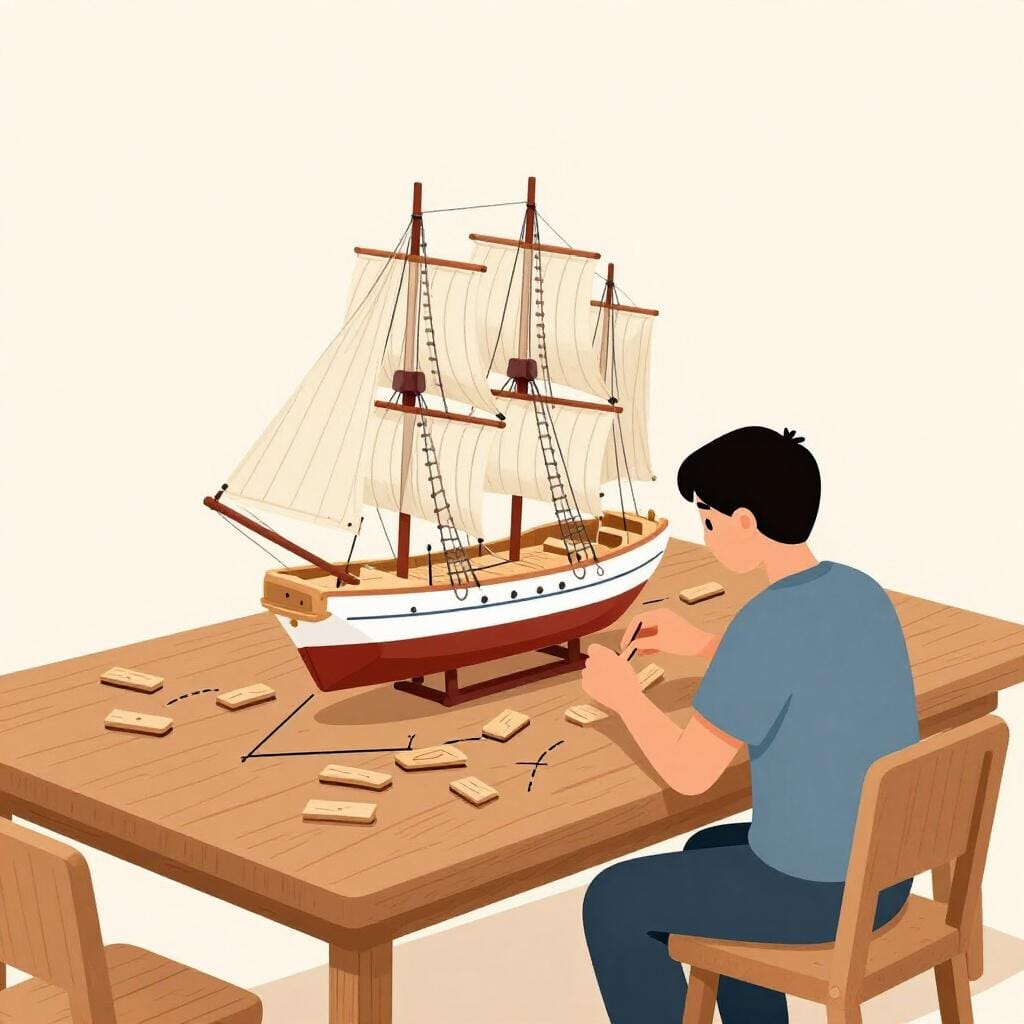
El niño estaba entretenido jugando con sus juguetes.
The child was occupied playing with his toys.
Pintar estas miniaturas es un trabajo muy entretenido.
Painting these miniatures is a very time-consuming job.
Perdona, estaba entretenido con el correo y no te oí.
Sorry, I was busy with the mail and didn't hear you.
Esta receta es entretenida de hacer, pero está deliciosa.
This recipe takes a lot of work to make, but it's delicious.
The 'Taking Time' Meaning
When 'entretenido' describes a task (like cooking or cleaning), it doesn't always mean it's 'fun'; it often means it requires patience and takes time.
Don't assume it's always positive
Mistake: “Asking '¿Es entretenido?' about a boring but long chore.”
Correction: Only use it for chores if you want to emphasize that they require attention or keep you busy.
Distinguishing Physical Space vs. Being Busy
Related Translations
Learn Spanish with Inklingo
Interactive stories, personalized learning, and more.