How to Say "parade" in Spanish
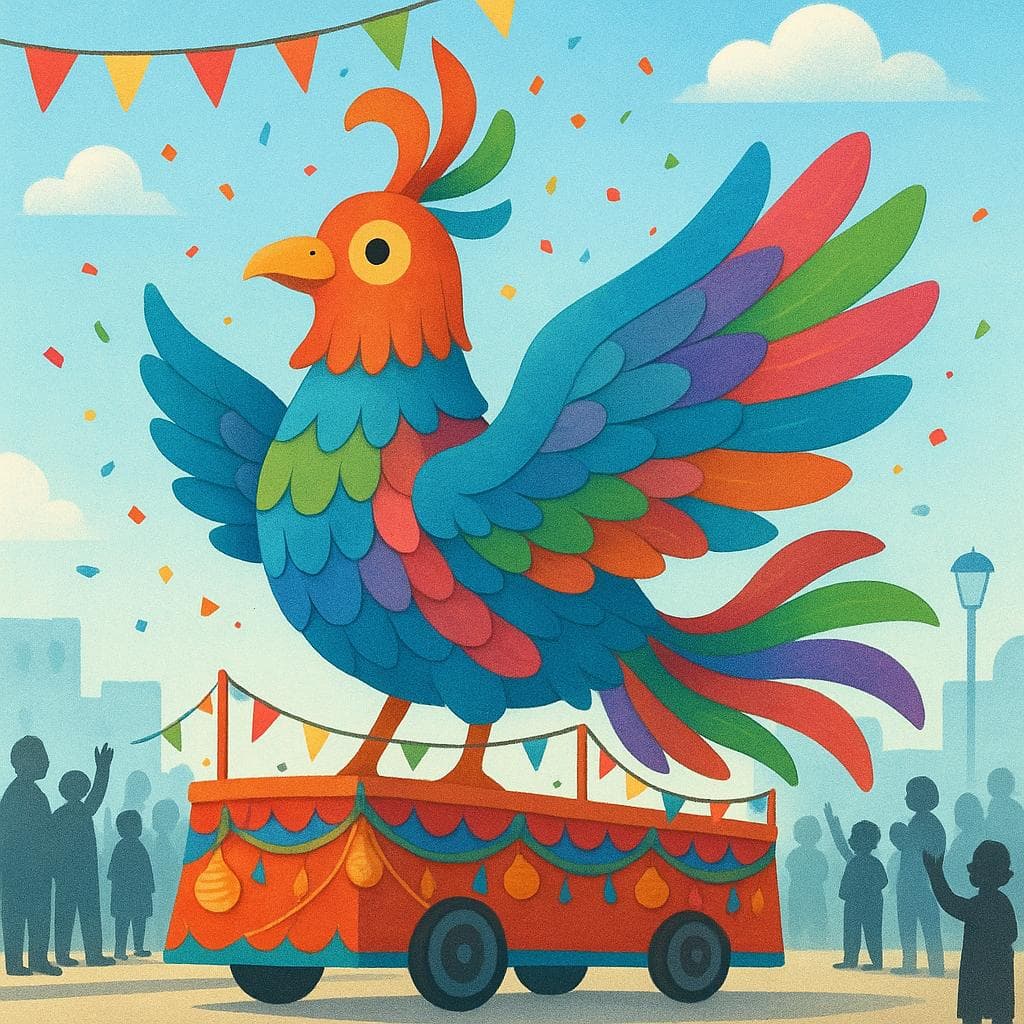
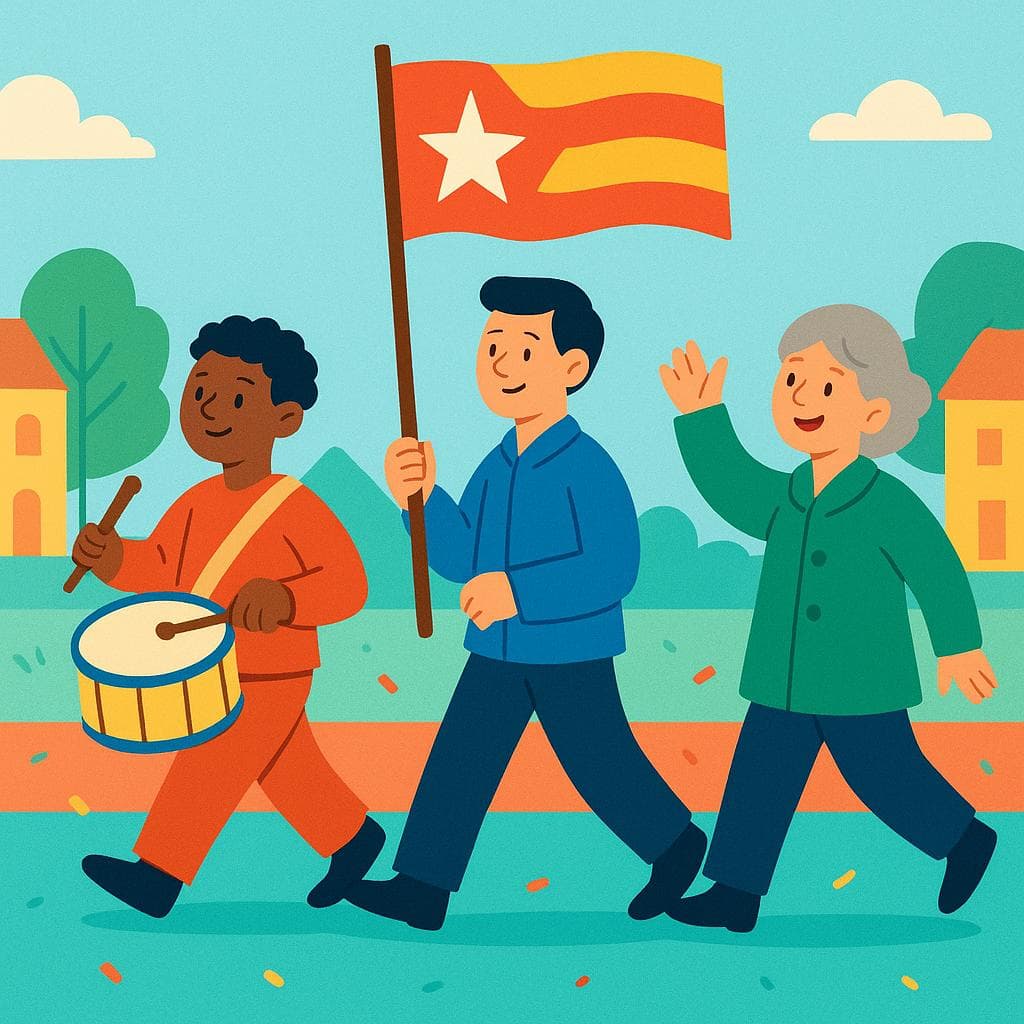
The most common Spanish word for “parade” is “desfile” — use 'desfile' for a public celebration or march, often featuring floats, costumes, or organized groups, like a carnival or holiday parade.

desfile
des-FEE-lehdesˈfile
Examples
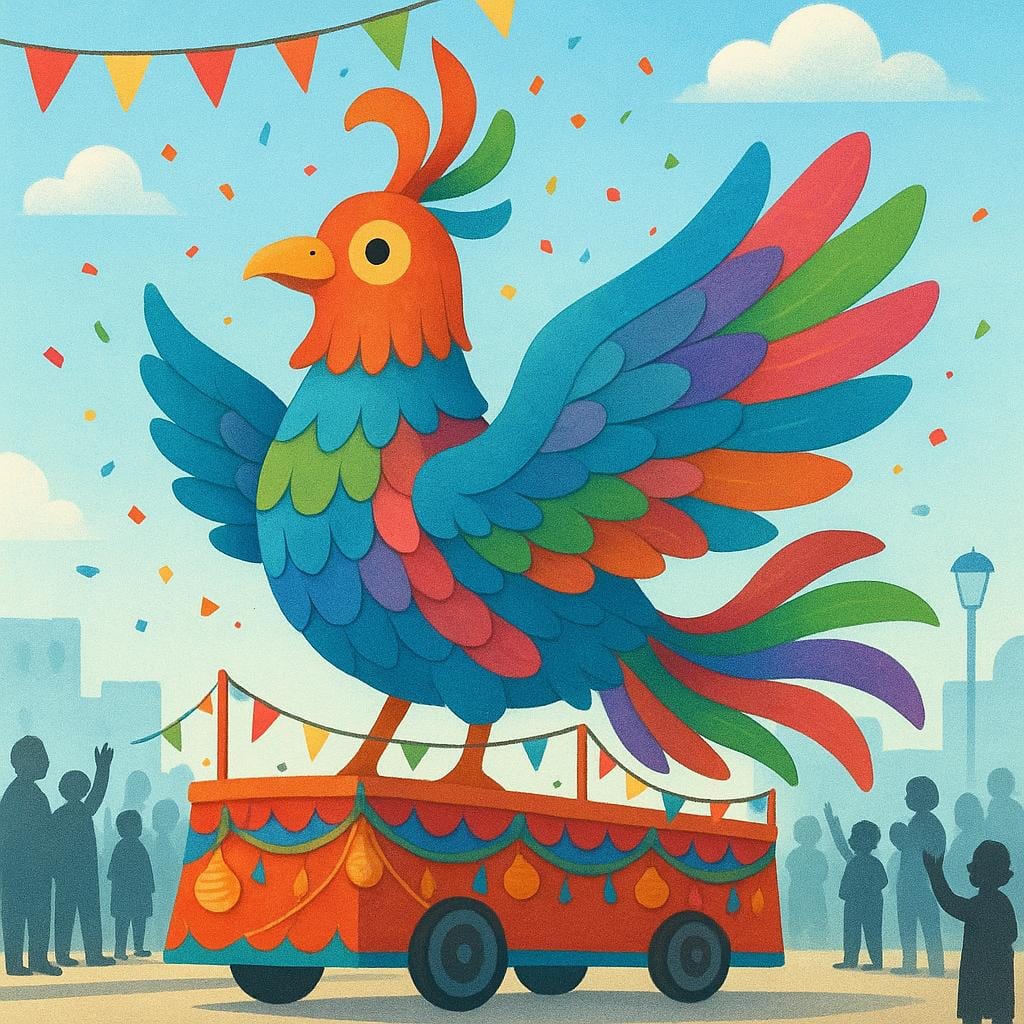
El desfile de carrozas de carnaval fue espectacular.
The carnival float parade was spectacular.
Todos salieron a ver el desfile militar por el Día de la Independencia.
Everyone went out to see the military parade for Independence Day.
La banda de música encabezó el desfile.
The marching band led the procession.
Masculine Noun Rule
Even though 'desfile' ends in '-e', it is a masculine noun, so always use 'el desfile' (the parade) or 'un desfile' (a parade).
Using the wrong verb
Mistake: “Hacer un desfile.”
Correction: Organizar/Celebrar un desfile. (We usually say 'organize' or 'hold' a parade, not 'make' one.)
procesión
Examples
La procesión de Semana Santa pasa por la calle principal.
The Holy Week procession passes through the main street.
marchar
mar-CHARmaɾˈtʃaɾ

Examples
Los soldados marcharon durante horas bajo la lluvia.
The soldiers marched for hours under the rain.
La manifestación marchó por el centro de la ciudad.
The demonstration walked (marched) through the center of the city.
Regular -AR Verb
Marchar follows the standard pattern for all verbs ending in -ar. Once you know the pattern for one, you know it for all!
parada
pah-RAH-dahpaˈɾaða
Examples
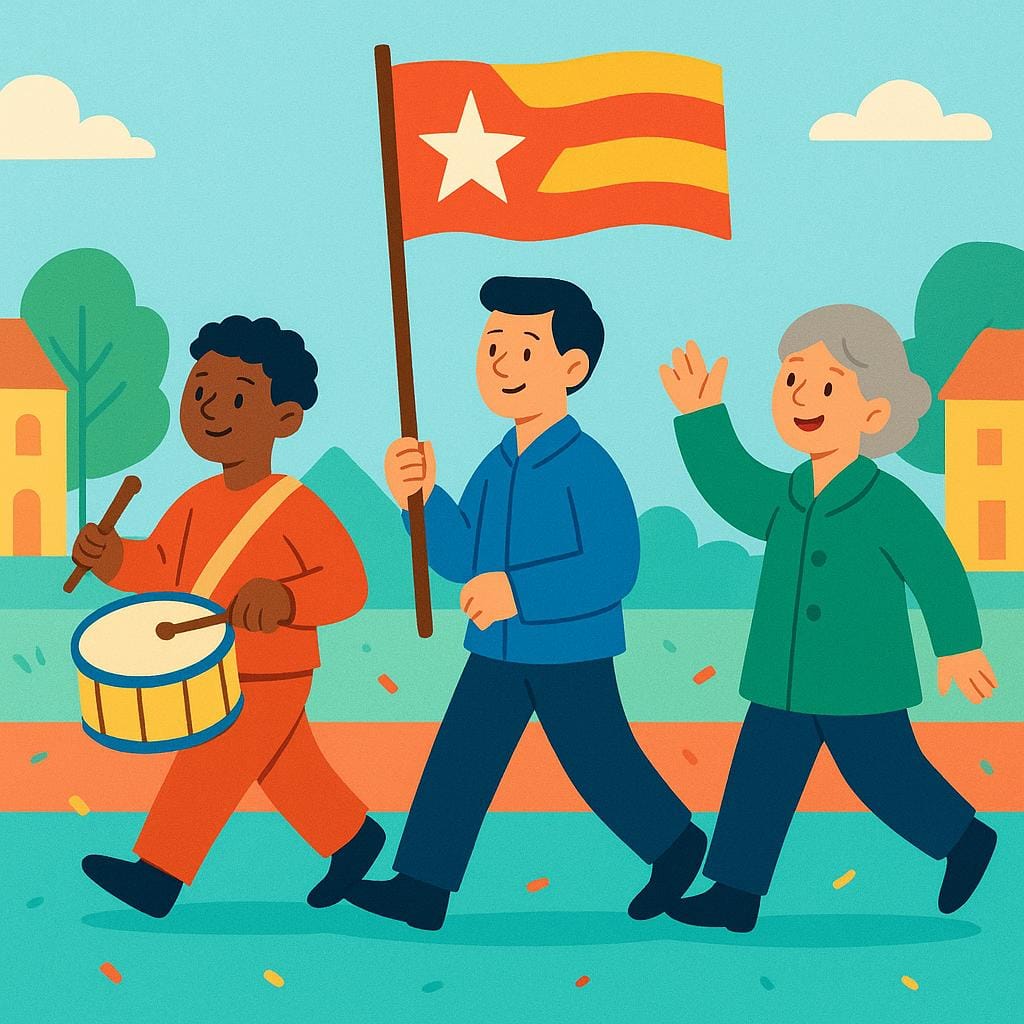
Cada año hay una gran parada militar para celebrar el Día Nacional.
Every year there is a large military parade to celebrate National Day.
La parada de la banda fue muy impresionante.
The band's parade was very impressive.
Using 'Parada' for all Parades
Mistake: “Using 'parada' for a general, festive parade (like a Carnival parade).”
Correction: While 'parada' is technically correct, 'desfile' is much more common for non-military, festive processions (e.g., 'desfile de carnaval').
Desfile vs. Procesión
Related Translations
Learn Spanish with Inklingo
Interactive stories, personalized learning, and more.