How to Say "pieces" in Spanish
The most common Spanish word for “pieces” is “piezas” — use 'piezas' for general fragments or parts that make up a whole object, especially when assembling something or referring to components.



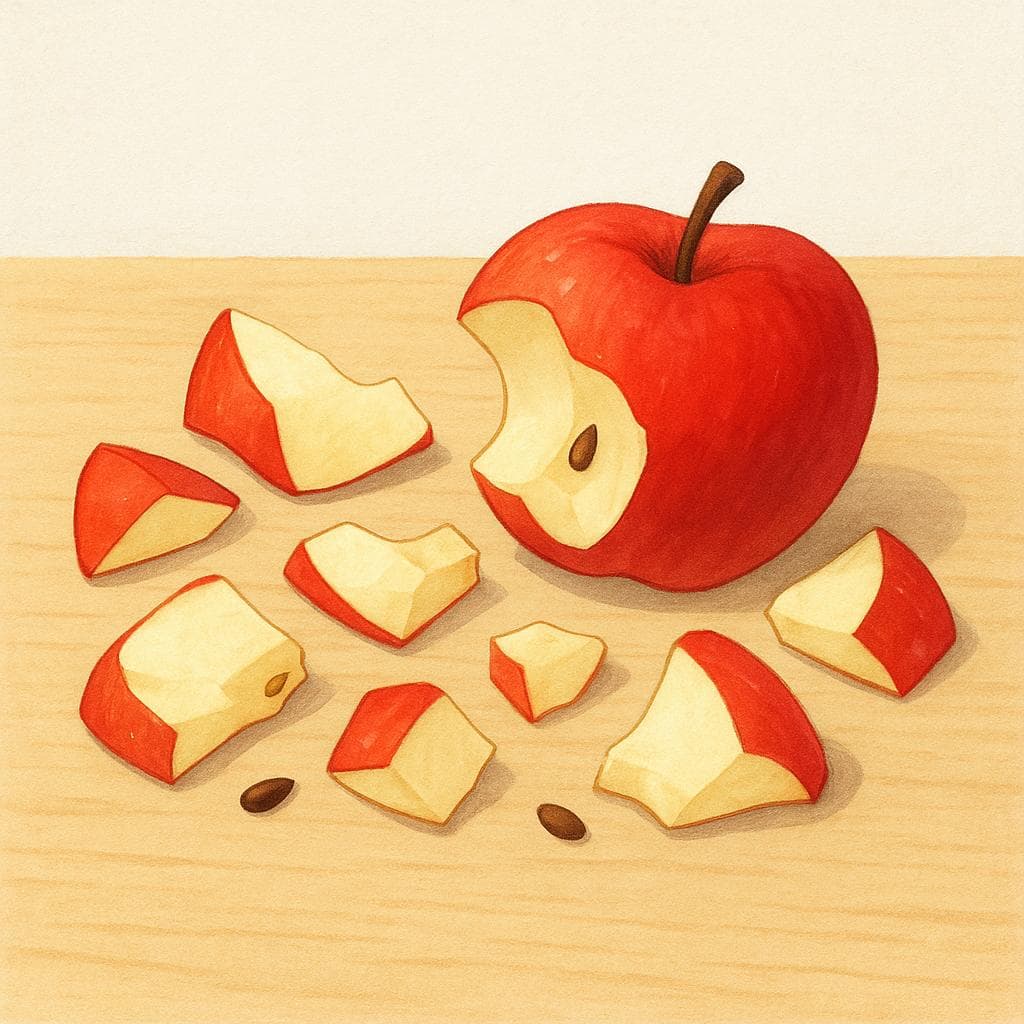



piezas
pyeh-sasˈpje.sas

Examples
Faltan dos piezas para terminar el mueble.
Two pieces are missing to finish the furniture.
Compré piezas de repuesto para el coche.
I bought replacement parts for the car.
Feminine Plural Noun
'Piezas' is the plural form of the feminine noun 'pieza', so it always needs feminine plural articles and adjectives (e.g., 'las piezas', 'piezas pequeñas').
Confusing 'piezas' and 'pedazos'
Mistake: “Using 'pedazos' (meaning 'shards' or 'shattered bits') when you mean 'piezas' (meaning 'functional components').”
Correction: Use 'piezas' when referring to functional parts of a whole (like a machine or a kit), and 'pedazos' when referring to something broken or torn.
partes
PAR-tessˈpaɾ.tes

Examples
El coche necesita partes nuevas.
The car needs new parts.
Me gustan todas las partes de la película.
I like all the parts of the movie.
Ambas partes están de acuerdo con los términos.
Both sides agree with the terms.
Always Feminine
'Partes' comes from the word 'la parte', which is a feminine noun. So, even though it ends in '-es', you should use feminine words like 'las' or 'unas' with it: 'las partes', not 'los partes'.
Party vs. Parts
Mistake: “Voy a dos partes este fin de semana.”
Correction: Voy a dos fiestas este fin de semana. 'Partes' means pieces or sides. For a celebration, always use 'fiesta'.
pedazos
peh-DAH-sospeˈða.θos

Examples
El plato se cayó al suelo y se rompió en mil pedazos.
The plate fell to the floor and broke into a thousand pieces.
Quiero dos pedazos de pizza, por favor.
I want two pieces of pizza, please.
Recogimos los pedazos de papel mojado.
We picked up the bits of wet paper.
Plural Form
"Pedazos" is the plural form of "pedazo" (piece). You must use it when referring to more than one part.
Confusing Singular/Plural
Mistake: “Dame un pedazos de pan.”
Correction: Dame un pedazo de pan. (Use the singular form 'pedazo' when you mean 'one piece'.)
trozos
TROH-sohsˈtɾoθos
Examples
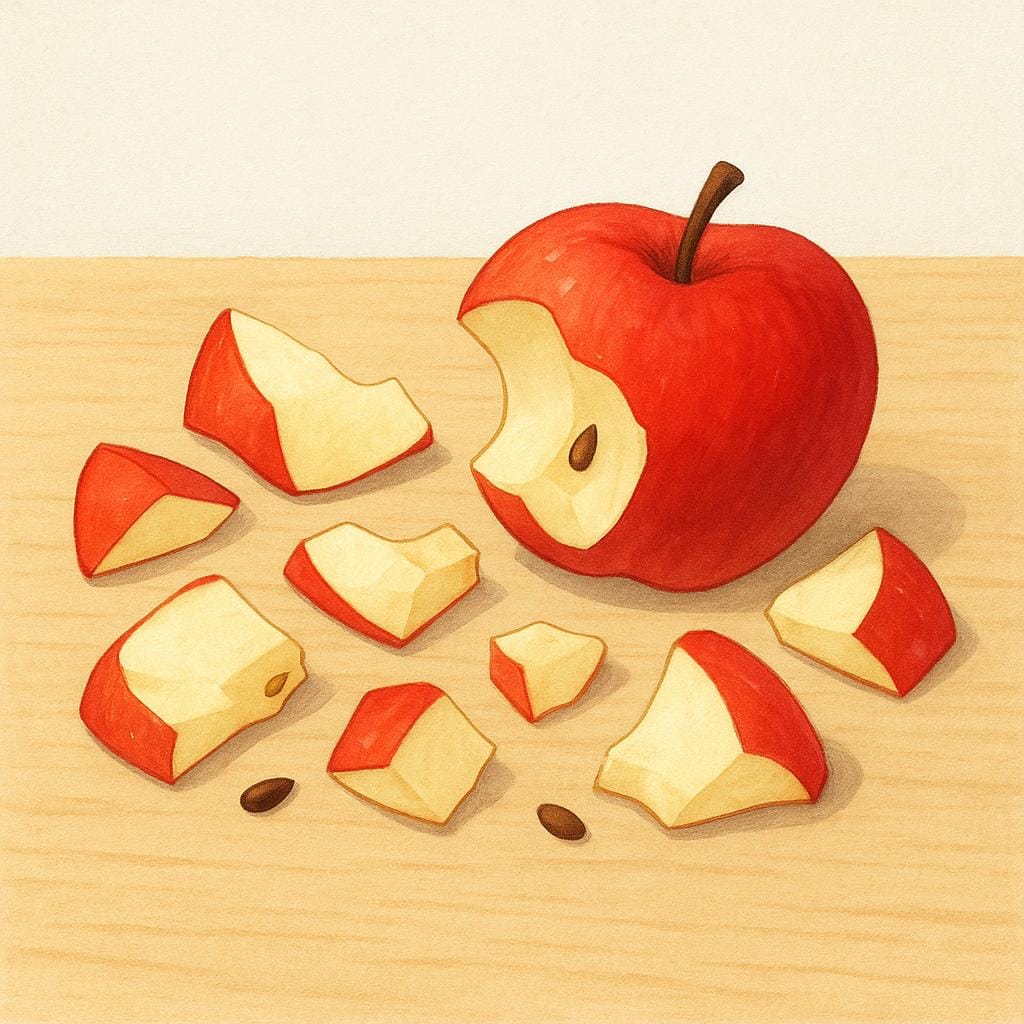
Corta la carne en trozos pequeños.
Cut the meat into small pieces.
Había trozos de vidrio por todo el suelo.
There were bits of glass all over the floor.
He leído solo algunos trozos de su libro.
I have read only some parts of his book.
Plural Form
This is the plural form of 'trozo'. Because the singular ends in a vowel, you simply add an 's'.
Matching Gender
Since this word is masculine, any words describing it (like 'pequeños') must also end in 'os'.
Trozos vs. Pedazos
Mistake: “Using 'pedazos' exclusively.”
Correction: While very similar, 'trozos' is often used for things intentionally cut (like cake or meat), whereas 'pedazos' is more common for things that broke accidentally (like a dropped plate).
unidades
oo-nee-DAH-desuniˈðaðes

Examples
Necesitamos comprar diez unidades de este producto.
We need to buy ten units (items) of this product.
El informe está en unidades de medida internacionales.
The report is in international units of measurement.
Hay tres unidades defectuosas en el cargamento.
There are three defective units (items) in the shipment.
Feminine Plural
Since the singular form 'unidad' ends in '-d', its plural form 'unidades' is feminine and always uses feminine articles like 'las' or 'unas'.
Gender Confusion
Mistake: “Los unidades”
Correction: Las unidades. Remember that words ending in -dad, -tad, -ción, and -sión are almost always feminine in Spanish.
fragmentos
frahg-MEN-tohsfɾaɣˈmentos

Examples
Había fragmentos de vidrio por todo el suelo.
There were fragments of glass all over the floor.
Los arqueólogos encontraron fragmentos de cerámica antigua.
The archaeologists found fragments of ancient pottery.
Plural Naming Words
This is the plural form of 'fragmento'. Because it ends in 'os', it tells us there is more than one and that the word is masculine.
Gender Agreement
Mistake: “las fragmentos”
Correction: los fragmentos
obras
OH-brasˈoβɾas

Examples
Las obras completas del poeta se publicaron el año pasado.
The complete works of the poet were published last year.
El museo exhibe obras de arte moderno.
The museum exhibits modern art pieces.
Artistic Plural
When talking about a collection of artistic creations (like books or paintings), 'obras' is the standard way to say 'works' or 'pieces.'
General vs. Specific Fragments
Learn Spanish with Inklingo
Interactive stories, personalized learning, and more.