How to Say "posture" in Spanish
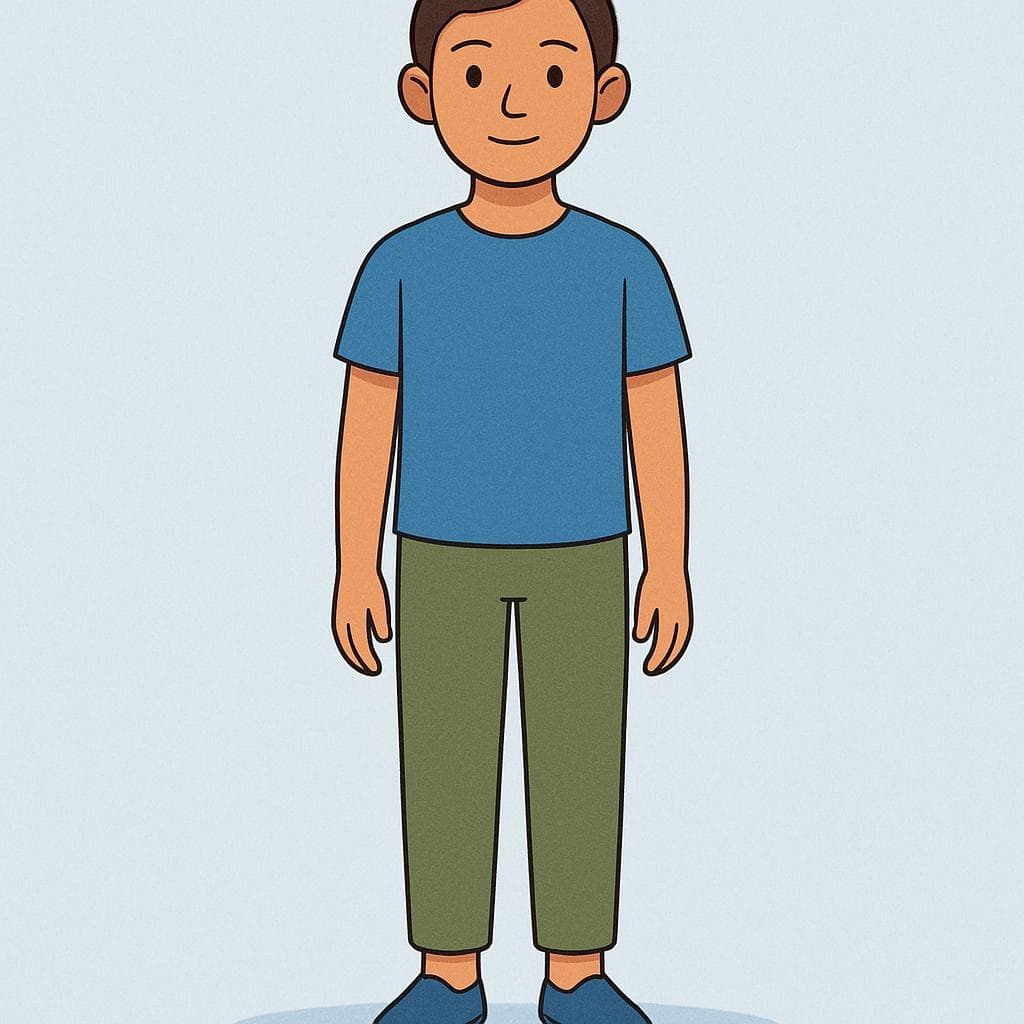
The most common Spanish word for “posture” is “posición” — use 'posición' when referring to the basic physical way a person is holding their body, often in a neutral or static sense, especially when being photographed or observed.


posición
Examples
Por favor, mantén la misma posición para la foto.
Please, keep the same position for the photo.
postura
pos-TOO-rahposˈtuɾa

Examples
Tienes que mantener una buena postura al sentarte.
You have to maintain good posture when sitting down.
El yoga tiene muchas posturas diferentes para estirar los músculos.
Yoga has many different positions to stretch the muscles.
La fotógrafa le pidió que cambiara de postura para la siguiente foto.
The photographer asked them to change their pose for the next photo.
It's a feminine word
Since it ends in 'a', it uses feminine markers like 'la', 'una', or 'nuestra'. Always say 'la postura', never 'el postura'.
Describing posture
When you want to say someone is in a certain position, you usually use the verb 'tener' (to have) or 'mantener' (to maintain) followed by 'una postura'.
Confusing with 'posición'
Mistake: “Using 'posición' to describe a slouching back.”
Correction: Use 'postura' for the way a body is held; use 'posición' for the location of something in space.
pose
POH-sehˈpose

Examples
Mantén esa pose para la foto, ¡te ves genial!
Keep that pose for the photo, you look great!
El modelo cambió de pose después de unos minutos.
The model changed his pose after a few minutes.
Ella siempre sale bien porque conoce sus mejores poses.
She always looks good because she knows her best poses.
Gender Alert
Even though it ends in 'e', this word is feminine. Always use 'la' or 'una' with it, like 'la pose'.
Countable Poses
You can count poses just like in English. Use 'una pose' for one and 'las poses' for many.
The 'El' Trap
Mistake: “El pose es muy elegante.”
Correction: La pose es muy elegante. Even though it doesn't end in 'a', it is a feminine word.
actitud
ak-tee-TOODak.tiˈtuð
Examples
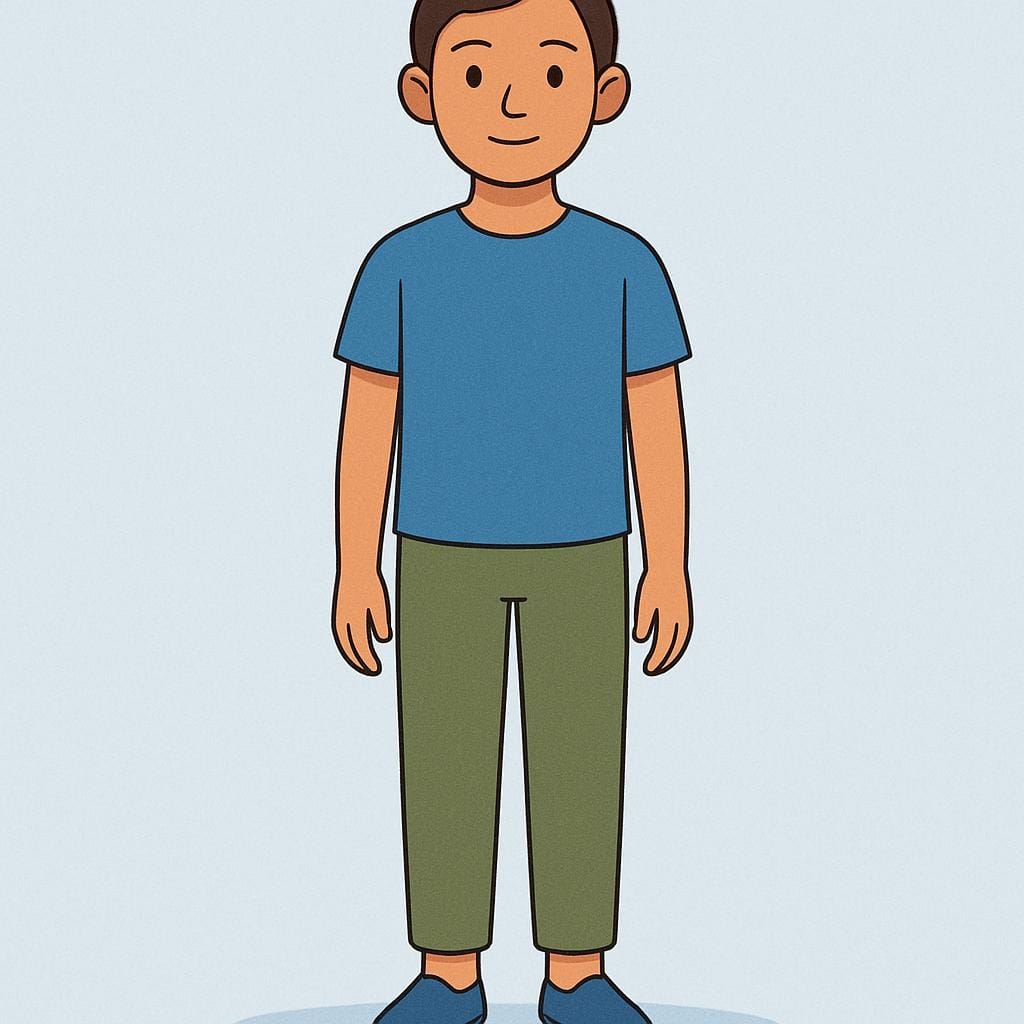
El escultor capturó la actitud de un guerrero en la estatua.
The sculptor captured the posture/stance of a warrior in the statue.
Mantuvo una actitud firme, con los hombros hacia atrás y la cabeza alta.
He maintained a firm stance, with his shoulders back and head held high.
Physical vs. Mental
While 'actitud' is primarily mental, it can describe how someone holds their body. When referring strictly to physical alignment (like sitting up straight), 'postura' is usually the better choice.
Posición vs. Postura
Related Translations
Learn Spanish with Inklingo
Interactive stories, personalized learning, and more.