postura
“postura” means “posture” in Spanish. It has 3 different meanings depending on context:


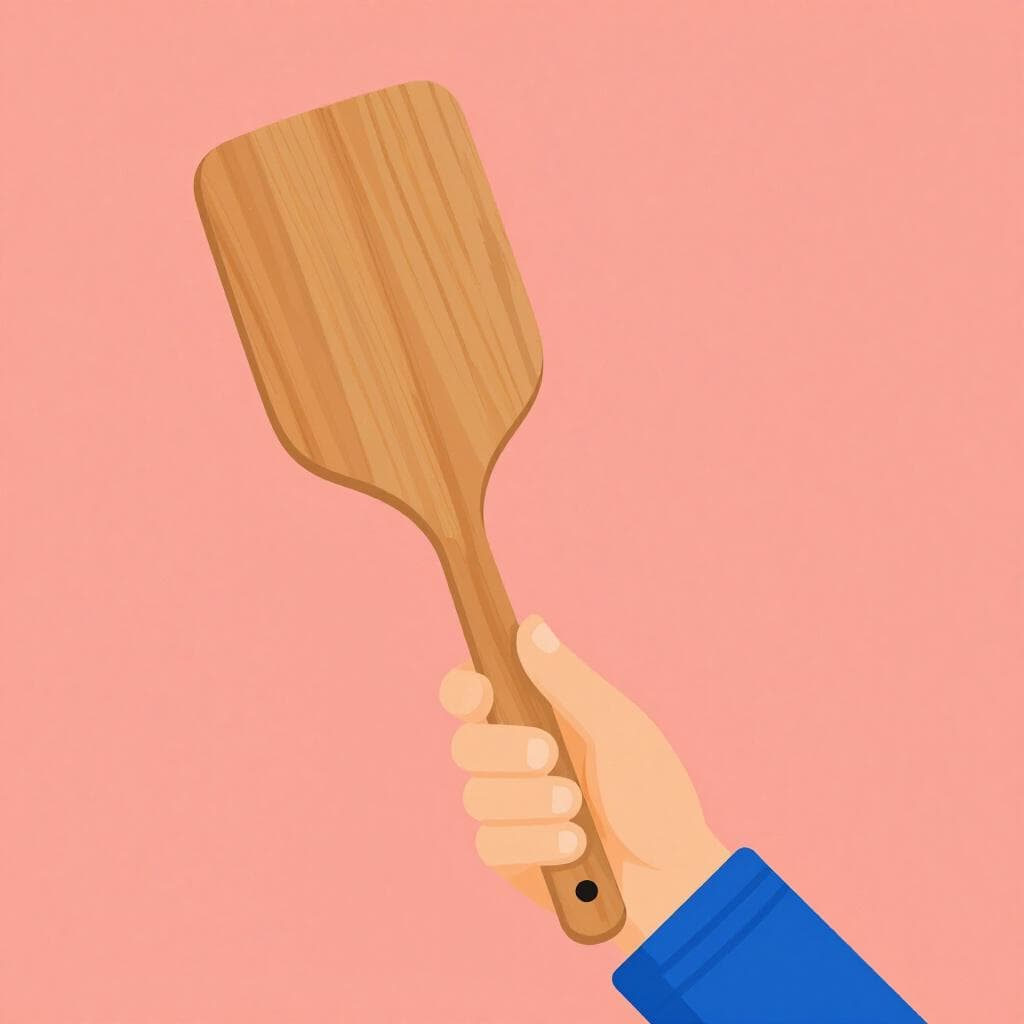
posture, position
Also: pose
📝 In Action
Tienes que mantener una buena postura al sentarte.
A2You have to maintain good posture when sitting down.
El yoga tiene muchas posturas diferentes para estirar los músculos.
B1Yoga has many different positions to stretch the muscles.
La fotógrafa le pidió que cambiara de postura para la siguiente foto.
B2The photographer asked them to change their pose for the next photo.
stance, position
Also: attitude
📝 In Action
El gobierno mantiene una postura firme contra la inflación.
B2The government maintains a firm stance against inflation.
No entiendo tu postura en este asunto.
B2I don't understand your position on this matter.
Cambiaron su postura después de escuchar los argumentos.
C1They changed their attitude after hearing the arguments.
bid
Also: wager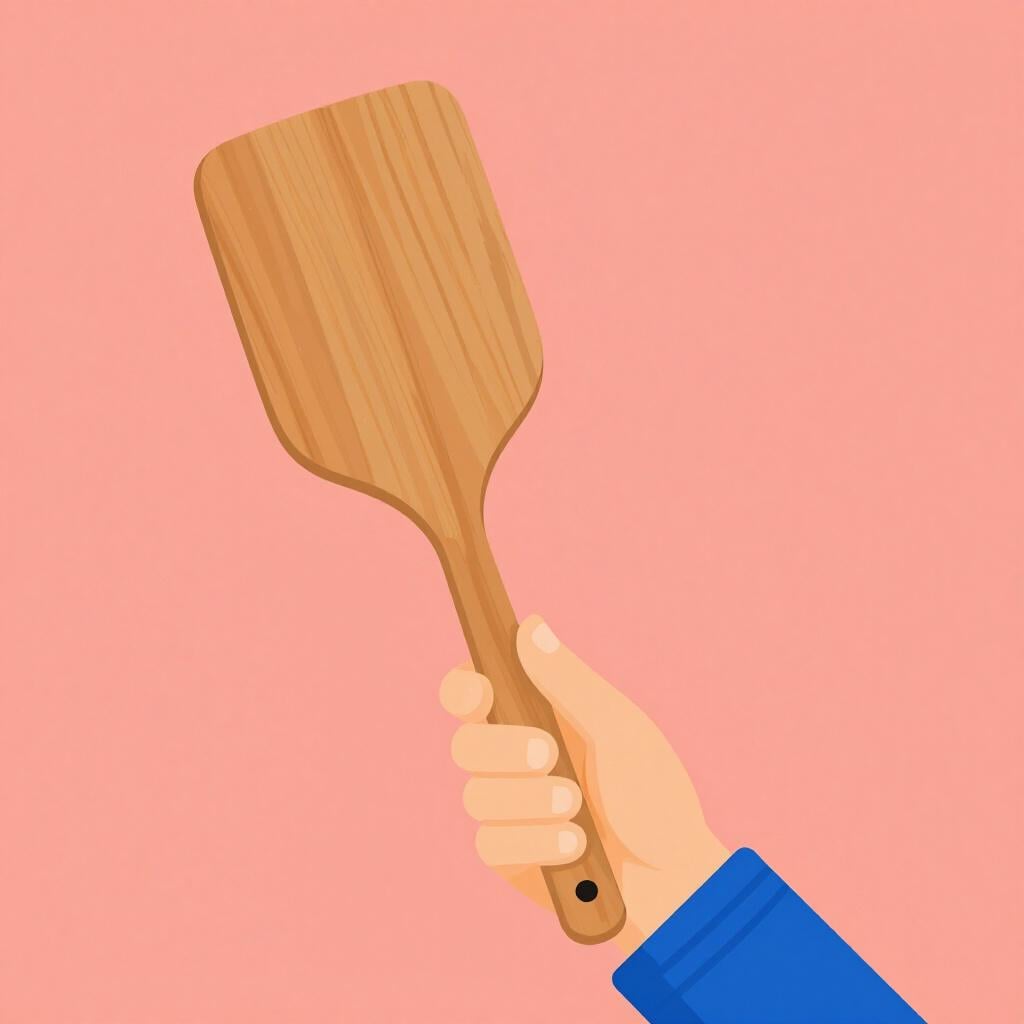
📝 In Action
El coleccionista hizo la postura más alta en la subasta.
C1The collector made the highest bid at the auction.
La empresa presentó su postura para el proyecto de construcción.
C2The company submitted its bid for the construction project.
Translate to Spanish
✏️ Quick Practice
Quick Quiz: postura
Question 1 of 3
Which sentence refers to a physical body position?
📚 More Resources
👥 Word Family▼
📚 Etymology▼
From the Latin 'positura', which comes from 'positus' (placed) and the verb 'ponere' (to put or place). It literally means 'the act of placing' or 'how something is placed'.
First recorded: 13th century
Cognates (Related words)
💡 Master Spanish
Take your Spanish to the next level. Read 200+ illustrated and narrated Spanish stories tailored to your level with the Inklingo app!
Frequently Asked Questions
What is the difference between 'postura' and 'posición'?
'Postura' usually refers to the internal arrangement of your body parts (like sitting straight). 'Posición' is more about where you are in space (like being in the first position in a race) or the physical location of an object.
Can 'postura' be masculine?
No, 'postura' is always feminine. You should always use 'la' or 'una'.
Is 'postura' common in Latin America and Spain?
Yes, it is used universally across the Spanish-speaking world with the same meanings.