How to Say "printing" in Spanish
The most common Spanish word for “printing” is “impresión” — use 'impresión' when referring to the general process or the result of making copies, such as on paper or fabric.
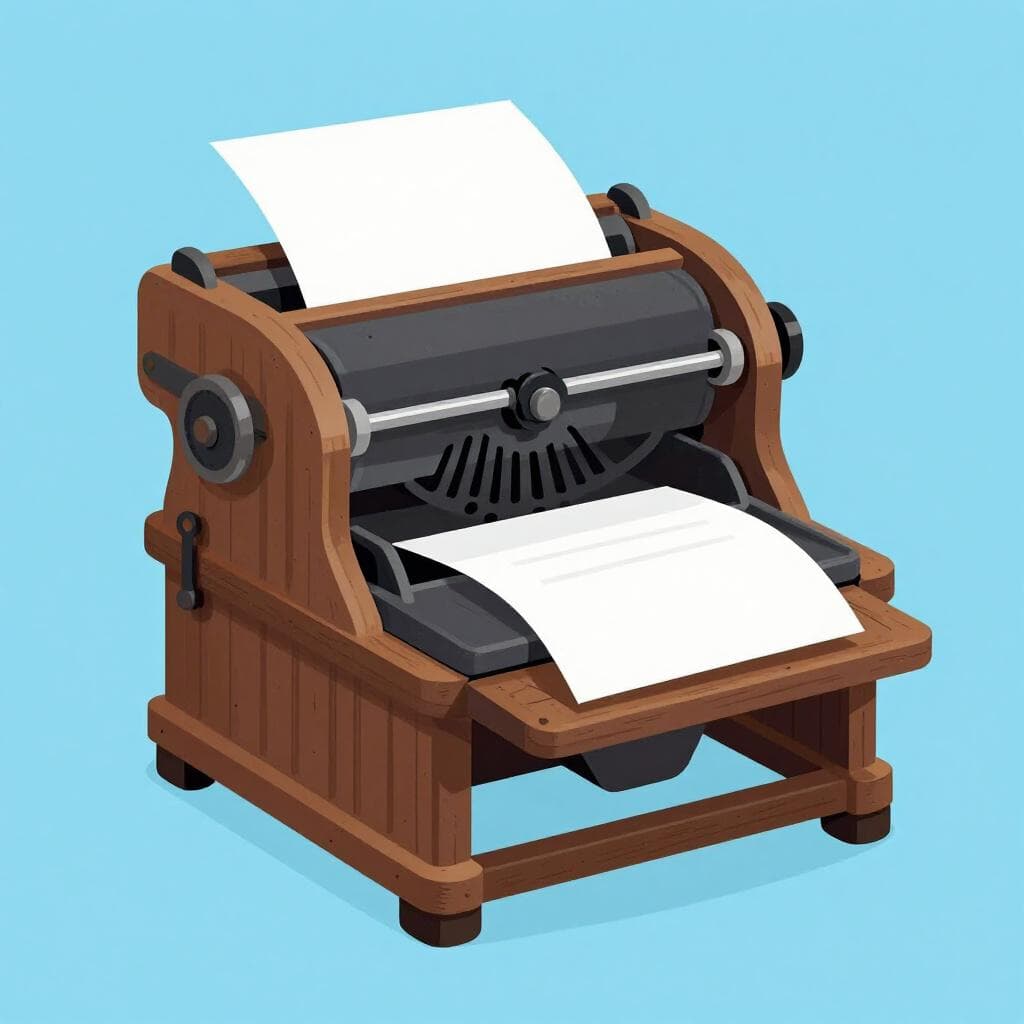
impresión
Examples
La impresión de estos folletos es de alta calidad.
The printing of these brochures is high quality.
edición
Examples
La primera edición de ese libro se agotó en un día.
The first edition of that book sold out in one day.
imprenta
im-PREN-tahimˈpɾenta
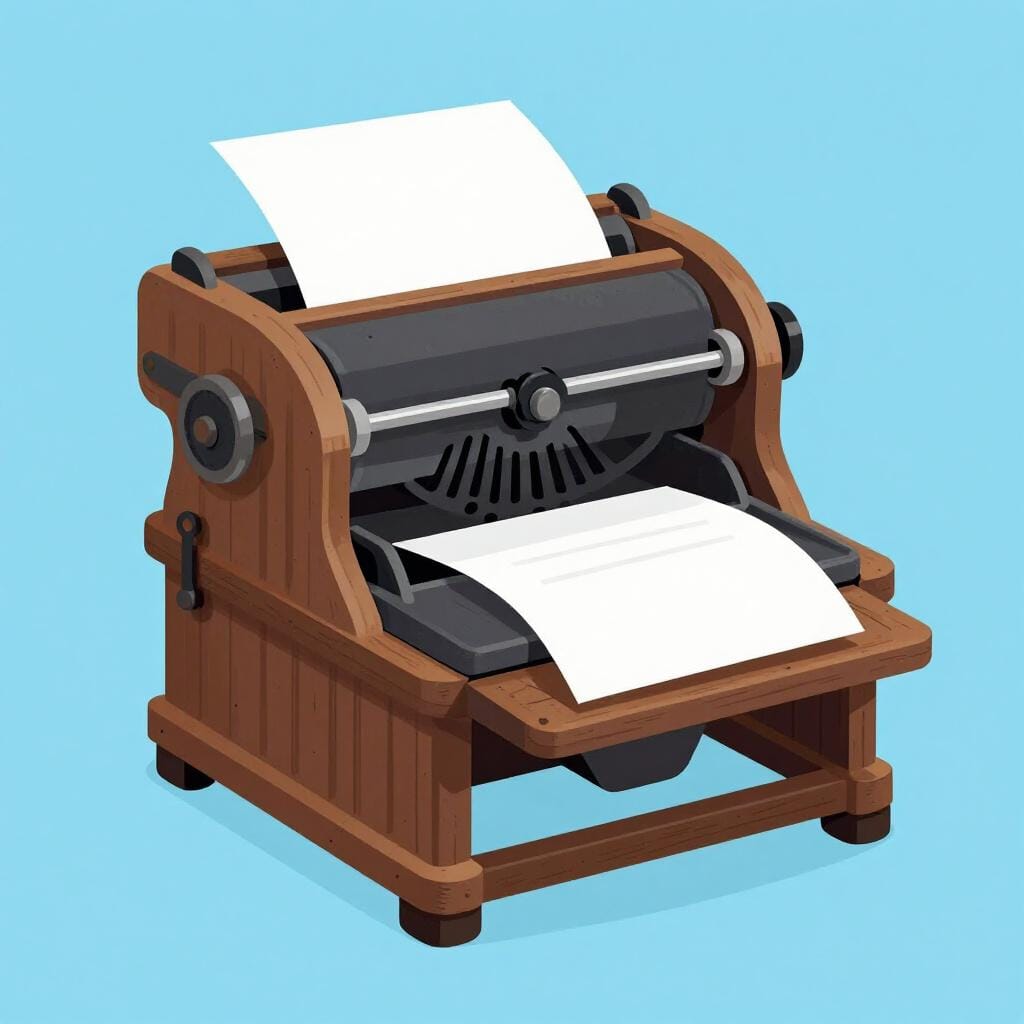
Examples
La invención de la imprenta cambió el mundo para siempre.
The invention of the printing press changed the world forever.
Tengo que ir a la imprenta para pedir mis tarjetas de visita.
I have to go to the print shop to order my business cards.
Este libro tiene una imprenta muy clara y elegante.
This book has very clear and elegant printing.
Gender and Articles
Since it ends in 'a', it uses 'la' (la imprenta). To say 'to the print shop', remember to use 'a la imprenta'.
Imprenta vs. Impresora
Use 'imprenta' for the big machines or the business. Use 'impresora' for the small machine sitting on your desk at home.
The 'Prensa' Confusion
Mistake: “Using 'la prensa' to mean the print shop building.”
Correction: Use 'la imprenta' for the place where printing is done. 'La prensa' usually refers to 'the press' in terms of news and journalists.
Distinguishing 'impresión' from 'edición'
Related Translations
Learn Spanish with Inklingo
Interactive stories, personalized learning, and more.