How to Say "secluded" in Spanish
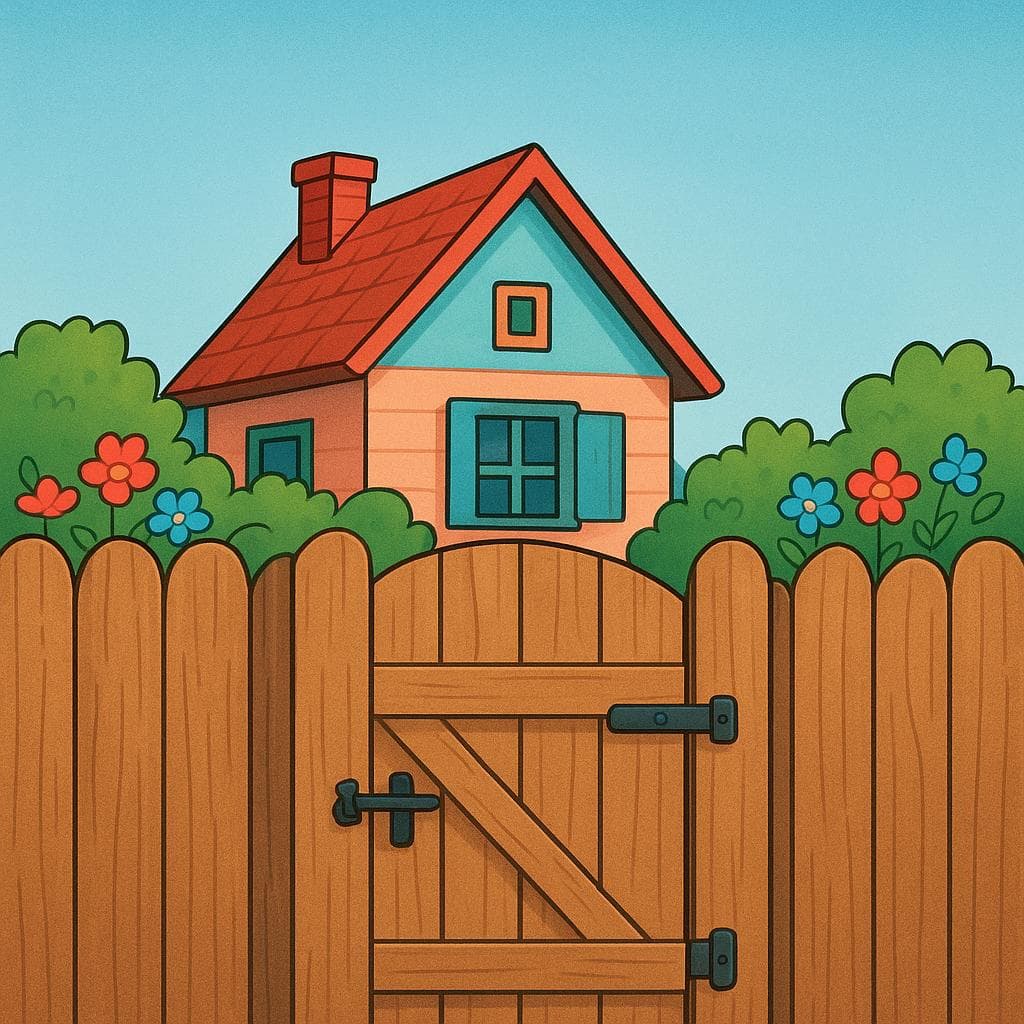
The most common Spanish word for “secluded” is “privado” — use 'privado' when referring to a space or area that is not public, emphasizing its privacy or exclusivity.


privado
pree-V AH -dohpɾiˈβaðo
Examples
Necesito hablar contigo en un lugar privado.
I need to talk to you in a private place.
Esta es información estrictamente privada.
This is strictly private information.
El club tiene una playa privada para sus miembros.
The club has a private beach for its members.
Matching the Ending
Like many Spanish descriptions, 'privado' must match the thing it describes. Use 'privado' for masculine singular things (el coche privado), 'privada' for feminine singular things (la vida privada), 'privados' for masculine plural things, and 'privadas' for feminine plural things.
Ignoring Gender
Mistake: “Hablamos de la tema privado.”
Correction: Hablamos del tema privado. (Tema is masculine, so 'privado' is correct.)
solitario
so-li-TA-riosoliˈtaɾjo

Examples
Mi gato es muy solitario y no le gustan otros animales.
My cat is very solitary and doesn't like other animals.
Después de que se fueron todos, se sintió muy solitario.
After everyone left, he felt very lonely.
Viven en una casa solitaria en la cima de la montaña.
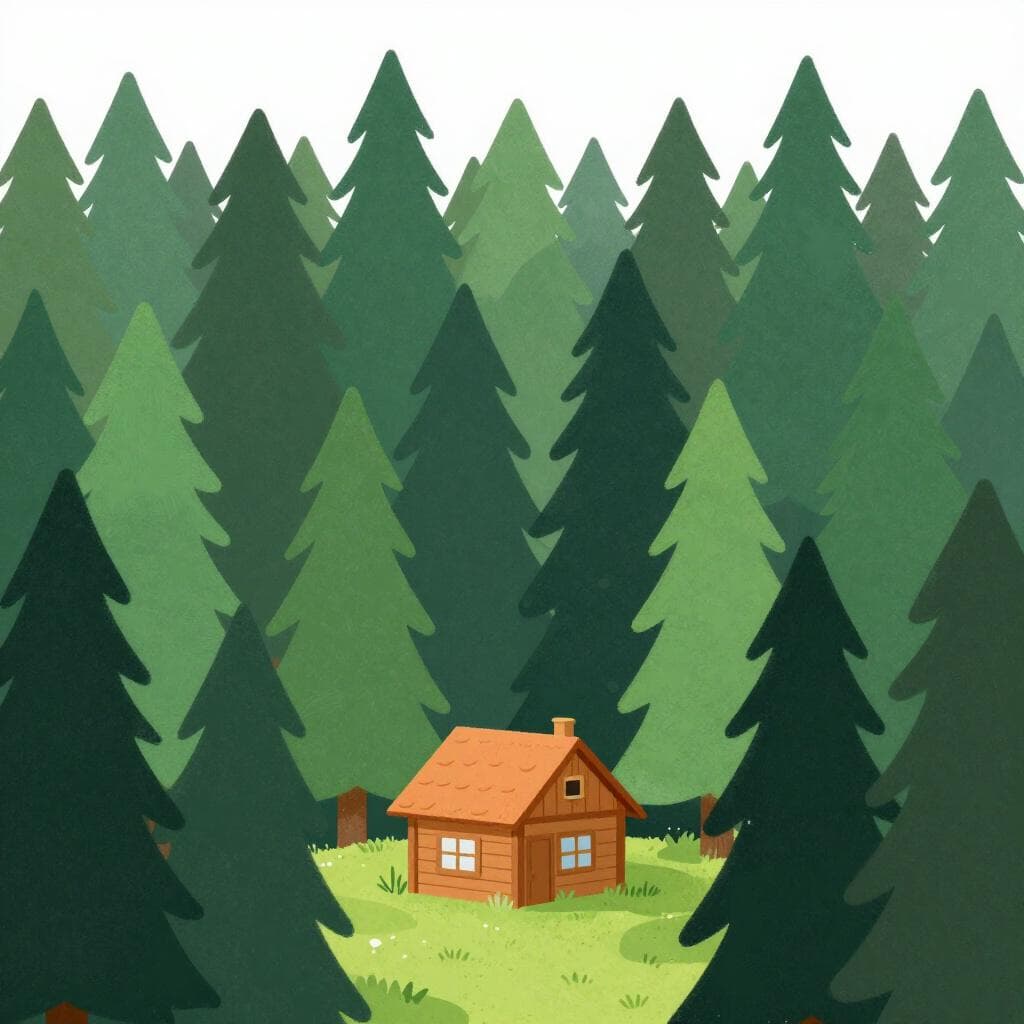
They live in a secluded house on the top of the mountain.
Adjective Agreement
Like many Spanish descriptions, 'solitario' must change its ending to match the thing it describes. Use 'solitaria' for feminine things (like 'la casa solitaria') and 'solitarios' or 'solitarias' for plurals.
retirado
reh-tee-RAH-dohretiˈraðo

Examples
Compraron una casa en un lugar muy retirado de la ciudad.
They bought a house in a very remote place far from the city.
El monasterio estaba retirado en las montañas y era difícil llegar.
The monastery was secluded in the mountains and difficult to reach.
Describing Distance
This meaning emphasizes physical distance or separation. It means the place has been 'pulled back' or 'withdrawn' from others.
recogida
rre-ko-HEE-dahrekoˈxiða
Examples
Después de limpiar, la cocina quedó muy recogida.
After cleaning, the kitchen looked very tidy.
Lleva una vida recogida y tranquila en el campo.
She leads a secluded and quiet life in the countryside.
Hoy lleva la melena recogida en un moño.
Today she is wearing her hair gathered in a bun.
Feminine Agreement
Since this is the word 'recogida', it must describe a feminine thing (like 'la casa' or 'la vida'). If you were describing a masculine thing, you would change it to 'recogido'.
Don't confuse with 'collected'
Mistake: “Ella es una persona recogida.”
Correction: Ella es una persona calmada/serena.
recluso
ray-KLOO-soreˈkluso
Examples
Se mantiene recluso en su habitación para estudiar.
He stays secluded in his room to study.
El escritor vivió sus últimos años recluso en su mansión.
The writer lived his final years reclusive in his mansion.
Estaba recluso por su propia voluntad.
He was shut away by his own choice.
Describing People
When used with the verb 'estar' (to be), it describes a temporary state of being shut away. With 'vivir' (to live), it describes a lifestyle.
Recluso vs Recluido
Mistake: “Confusing 'recluso' with 'recluido'.”
Correction: While both mean 'shut away', 'recluido' is the standard past participle (e.g., 'ha recluido'). 'Recluso' is used more like a standalone adjective.
Choosing Between Private and Remote
Related Translations
Learn Spanish with Inklingo
Interactive stories, personalized learning, and more.