How to Say "sleeve" in Spanish
The most common Spanish word for “sleeve” is “manga” — use 'manga' when referring to the part of a shirt, jacket, or other garment that covers the arm.
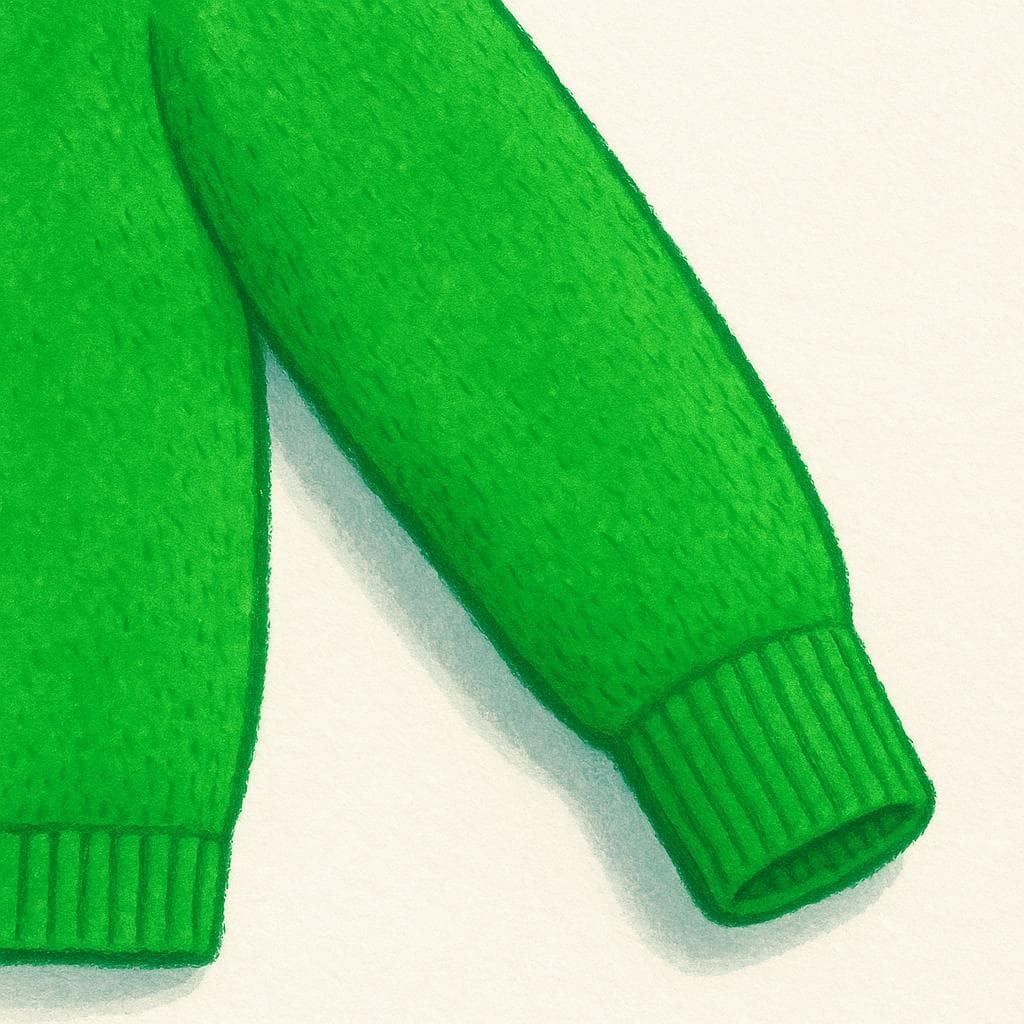
manga
MAHN-gahˈmaŋɡa
Examples
Prefiero las camisas de manga corta en verano.
I prefer short-sleeved shirts in the summer.
Tienes una mancha en la manga de la chaqueta.
You have a stain on your jacket sleeve.
Gender of Clothing Parts
When talking about clothes, 'manga' is feminine. You should always use 'la' or 'una' with it.
Mixing up Gender
Mistake: “El manga de mi camisa.”
Correction: La manga de mi camisa.
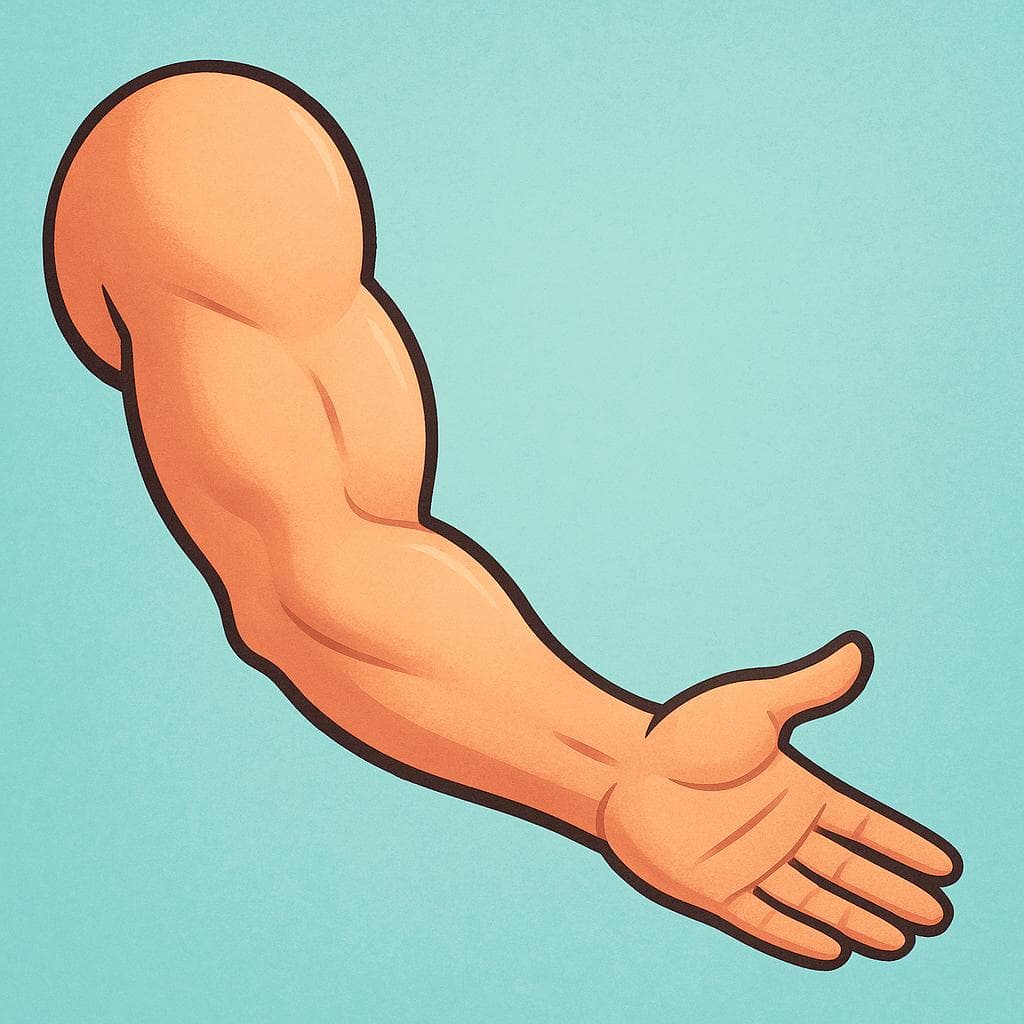
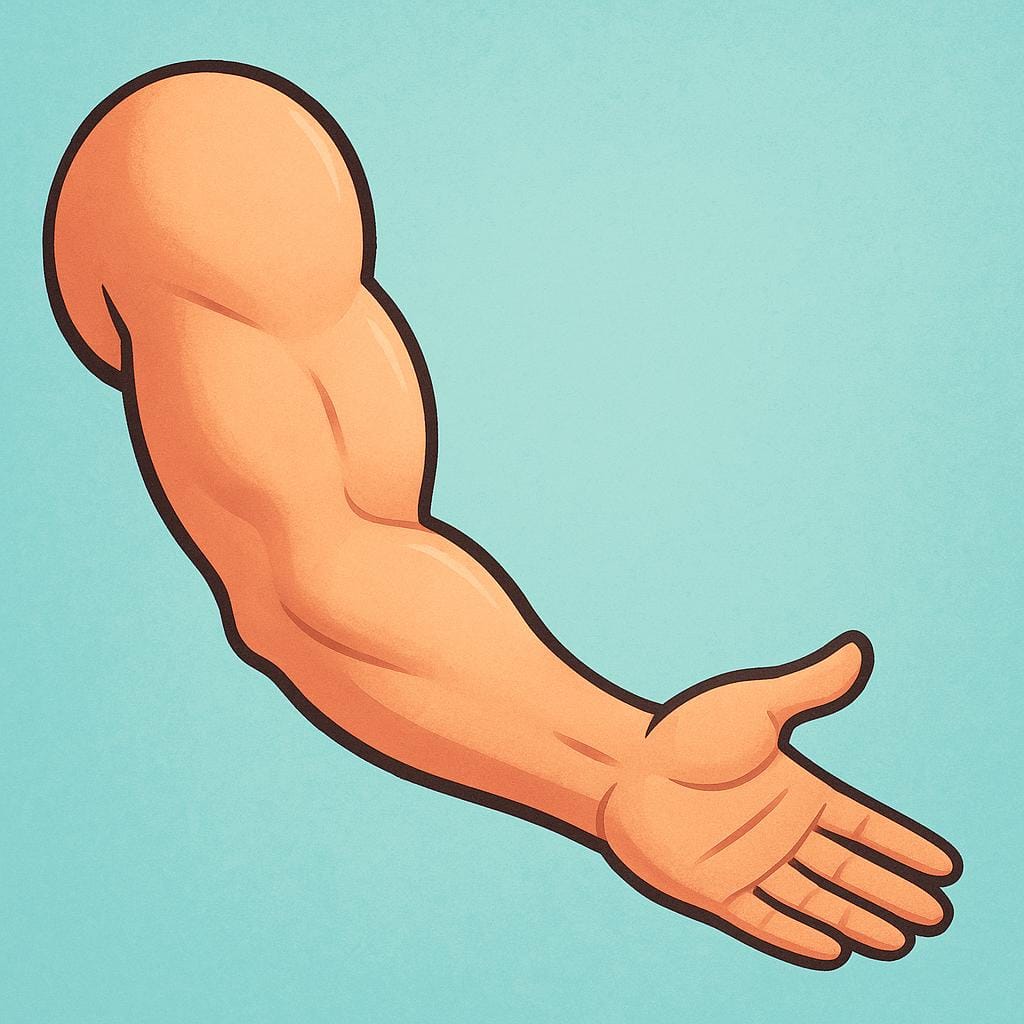
brazo
BRAH-sohˈbɾaθo
Examples
Me duele el brazo después de cargar las cajas.
My arm hurts after carrying the boxes.
Ella cruzó los brazos cuando se enojó.
She crossed her arms when she got angry.
Mi bebé solo quiere estar en mis brazos.
My baby only wants to be in my arms.
Use with Articles
When talking about your own body parts, Spanish usually uses 'el/la/los/las' instead of 'mi/tu' (my/your). Example: 'Me duele el brazo' (My arm hurts).
Confusing Brazo and Mano
Mistake: “Using 'brazo' when referring specifically to the hand.”
Correction: 'Brazo' is the entire limb from shoulder to wrist; 'mano' is the hand.
camisa
ka-MEE-sakaˈmisa

Examples
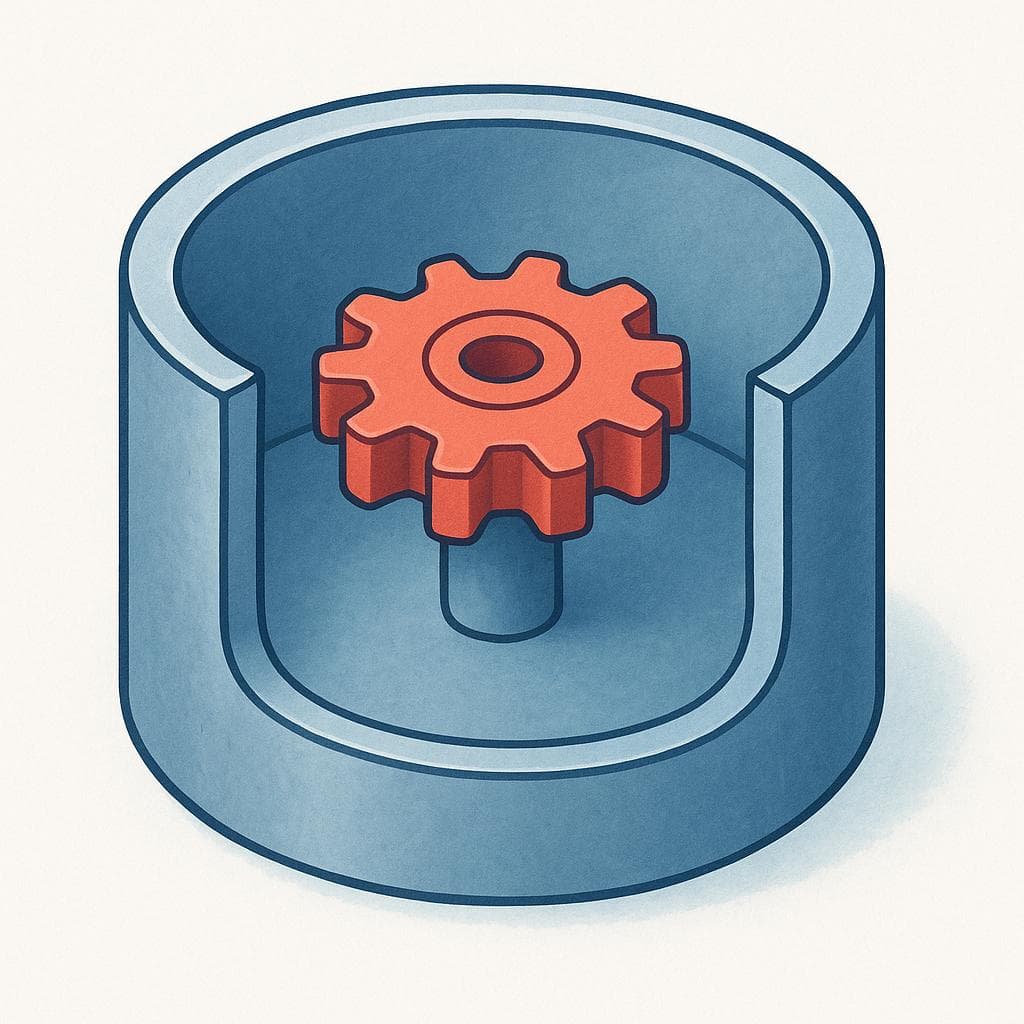
Tuvimos que reemplazar la camisa del cilindro debido al desgaste.
We had to replace the cylinder liner due to wear.
La camisa de la tubería protege contra la corrosión.
The casing of the pipe protects against corrosion.
Technical Usage
This meaning is figurative, extending the idea of a 'shirt' as a covering or protective layer. It is mostly found in professional fields like mechanics or construction.
Confusing 'manga' and 'brazo' for sleeves
Related Translations
Learn Spanish with Inklingo
Interactive stories, personalized learning, and more.