How to Say "stable" in Spanish
The most common Spanish word for “stable” is “estable” — use this word when referring to something physically firm, steady, or not likely to move or fall, or for a situation that is secure and lasting.





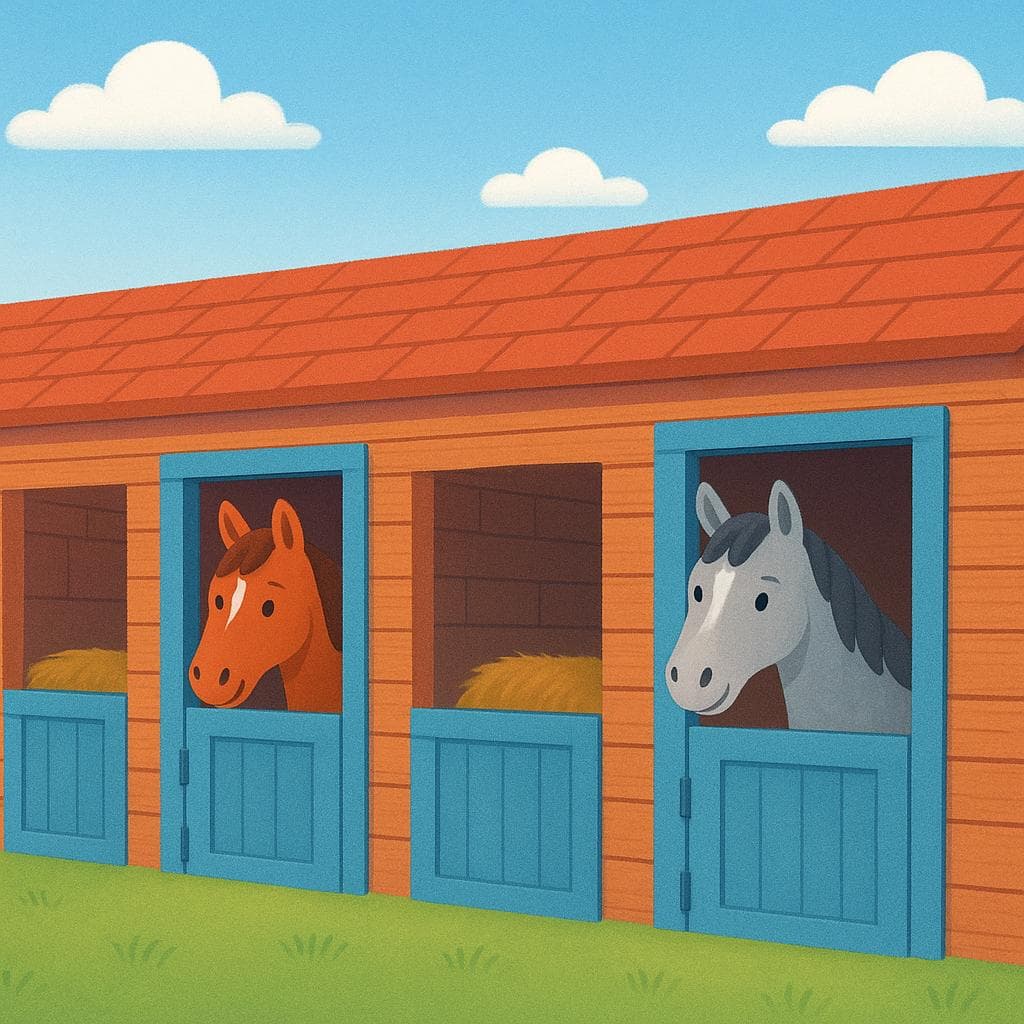
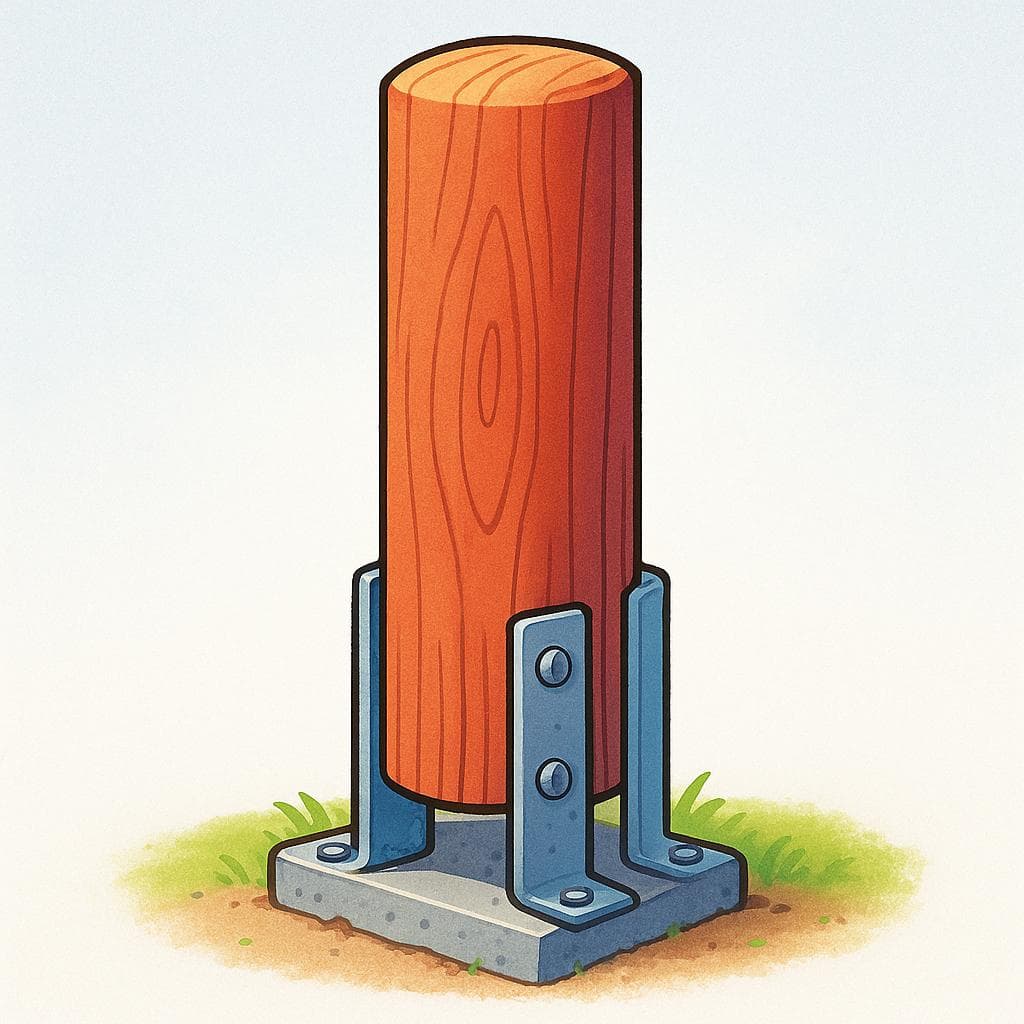
estable
es-TAH-blehesˈtaβle

Examples
Necesito un trabajo estable con buen salario.
I need a stable job with a good salary.
Asegúrate de que la escalera esté estable antes de subir.
Make sure the ladder is stable before climbing.
El trípode mantuvo la cámara perfectamente estable.
The tripod kept the camera perfectly steady.
Su estado de ánimo se mantuvo estable a pesar de los problemas.
Her mood remained stable despite the problems.
Adjective Placement
Like most descriptive adjectives, 'estable' usually goes after the noun it describes: 'una base estable' (a stable base).
The Meaning of 'Ser'
When describing something that is stable by nature or design (like a personality trait or a long-term job), always use the verb SER: 'Su carácter es estable' (His character is stable).
Using 'Ser' vs. 'Estar'
Mistake: “La mesa es estable.”
Correction: La mesa está estable. (Use ESTAR when talking about a temporary state or condition, like whether an object is currently steady or wobbly.)
Confusing 'Estable' and 'Fijo'
Mistake: “Tengo un trabajo fijo.”
Correction: Tengo un trabajo estable. ('Fijo' means 'fixed' or 'set' (like a fixed salary), but 'estable' is much better for describing security and permanence in employment.
establo
es-TAH-bloesˈtaβlo

Examples
El granjero lleva las vacas al establo por la noche.
The farmer takes the cows to the stable at night.
Huele a paja fresca en el establo.
It smells like fresh straw in the stable.
Limpiaron el establo antes de que llegaran los caballos nuevos.
They cleaned the barn before the new horses arrived.
Gender and Articles
Establo ends in -o, making it masculine. Always use 'el' (the) or 'un' (a) with it: 'el establo' or 'un establo'.
Don't confuse with 'estable'
Mistake: “Using 'estable' to mean barn.”
Correction: Say 'establo'. 'Estable' is an adjective that means 'steady' or 'stable' (like a stable relationship).
firme
FEER-mehˈfiɾme

Examples
Asegúrate de que la mesa esté firme antes de poner el jarrón.
Make sure the table is firm before you put the vase on it.
Caminamos por tierra firme después de salir del barco.
We walked on firm ground after getting off the boat.
Adjective Agreement
Like most Spanish adjectives, 'firme' changes its ending to match the thing it describes. However, 'firme' is one of those adjectives that works for both masculine and feminine things (el piso firme, la base firme).
seguro
seh-GOO-rohseˈɣu.ɾo

Examples
Este barrio es muy seguro por la noche.
This neighborhood is very safe at night.
Guarda tus documentos en un lugar seguro.
Keep your documents in a secure place.
Necesitamos una escalera más segura que esta.
We need a more stable ladder than this one.
Use 'Ser' for Inherent Safety
To describe something that has the quality of being safe (like a city or a car), use the verb 'ser'. For example, 'El coche es seguro' (The car is safe).
equilibrado
eh-kee-lee-BRAH-dohekiliˈβɾaðo

Examples
Para estar sano, es necesario seguir una dieta equilibrada.
To be healthy, it is necessary to follow a balanced diet.
Es un hombre muy equilibrado que nunca pierde la calma.
He is a very well-adjusted man who never loses his cool.
El presupuesto de la empresa está finalmente equilibrado.
The company budget is finally balanced.
Gender Matching
Since this is an adjective ending in -o, you must change it to 'equilibrada' if the thing you are describing is feminine, like 'una comida equilibrada' (a balanced meal).
Ser vs. Estar
Use 'ser' when describing a person's permanent character (He is a balanced person) and 'estar' when describing the current state of something (The budget is balanced now).
Overusing 'Balanceado'
Mistake: “Mi dieta es balanceada.”
Correction: Mi dieta es equilibrada. While 'balanceado' is used in Latin America, 'equilibrado' is the more standard and widely accepted word for a healthy diet in Spanish.
cuadra
KWAA-drahˈkwaðɾa
Examples
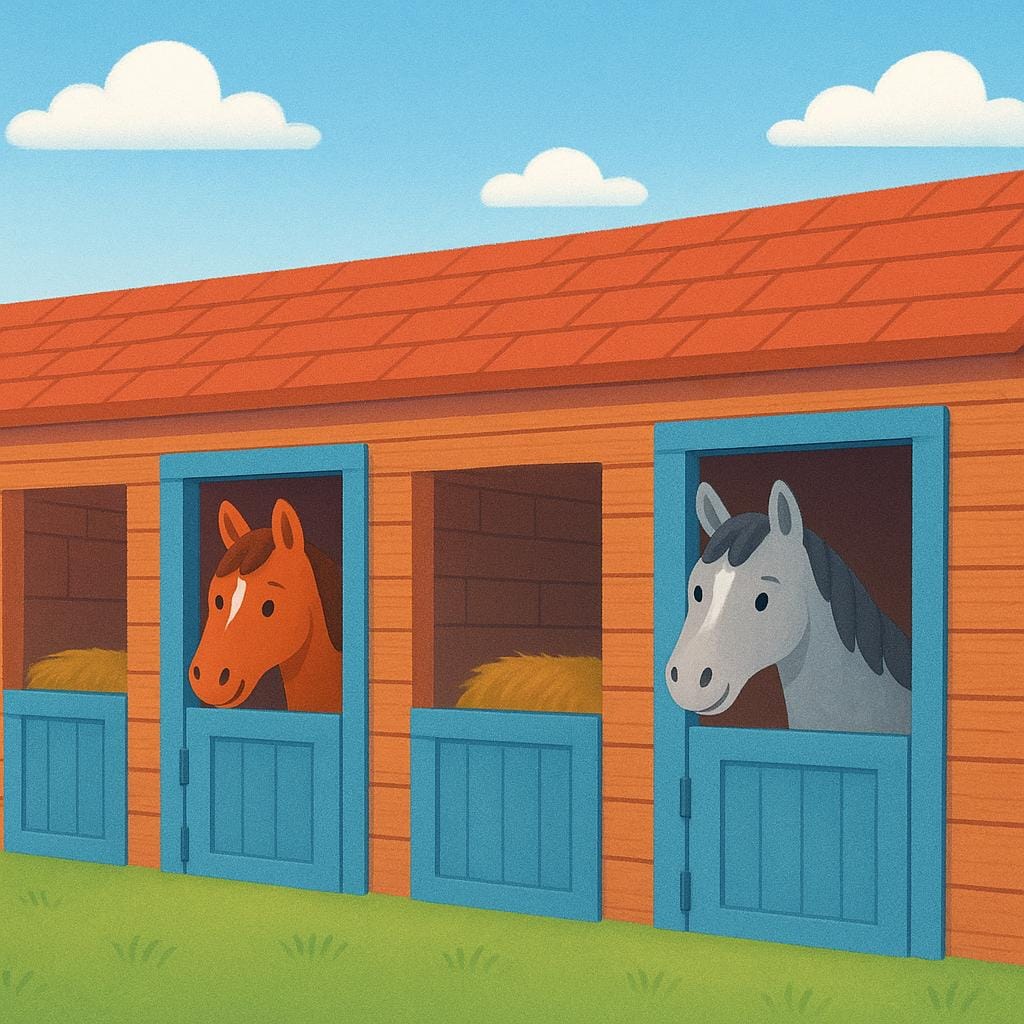
El jinete limpió la cuadra después de alimentar a los caballos.
The rider cleaned the stable after feeding the horses.
Hay diez caballos en la cuadra principal de la hacienda.
There are ten horses in the main stable of the ranch.
fijo
fee-hohˈfixo
Examples
Necesito un trabajo fijo con beneficios.
I need a permanent job with benefits.
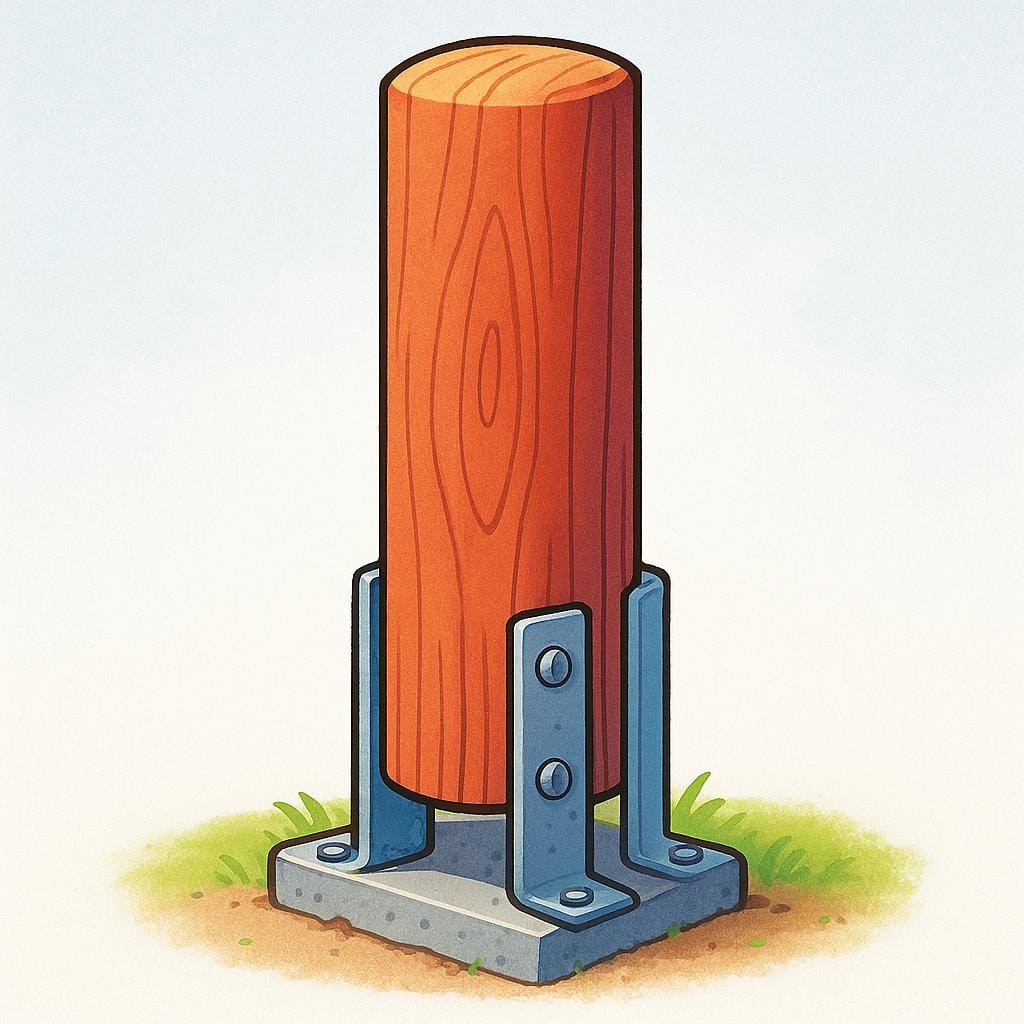
El sillón está fijo a la pared y no se puede mover.
The armchair is fixed to the wall and cannot be moved.
Tenemos una tarifa fija por la electricidad cada mes.
We have a fixed rate for electricity every month.
Agreement Rule
As an adjective, 'fijo' must match the gender (masculine/feminine) and number (singular/plural) of the noun it describes: 'fijo' (m. singular), 'fija' (f. singular), 'fijos' (m. plural), 'fijas' (f. plural).
Confusing 'fijo' and 'estable'
Mistake: “Using 'estable' when referring to a job contract ('trabajo estable').”
Correction: While 'estable' is understandable, the most natural way to say 'permanent job' in Spanish is 'trabajo fijo' or 'empleo fijo'.
Physical Stability vs. Job Security
Learn Spanish with Inklingo
Interactive stories, personalized learning, and more.