How to Say "terrifying" in Spanish
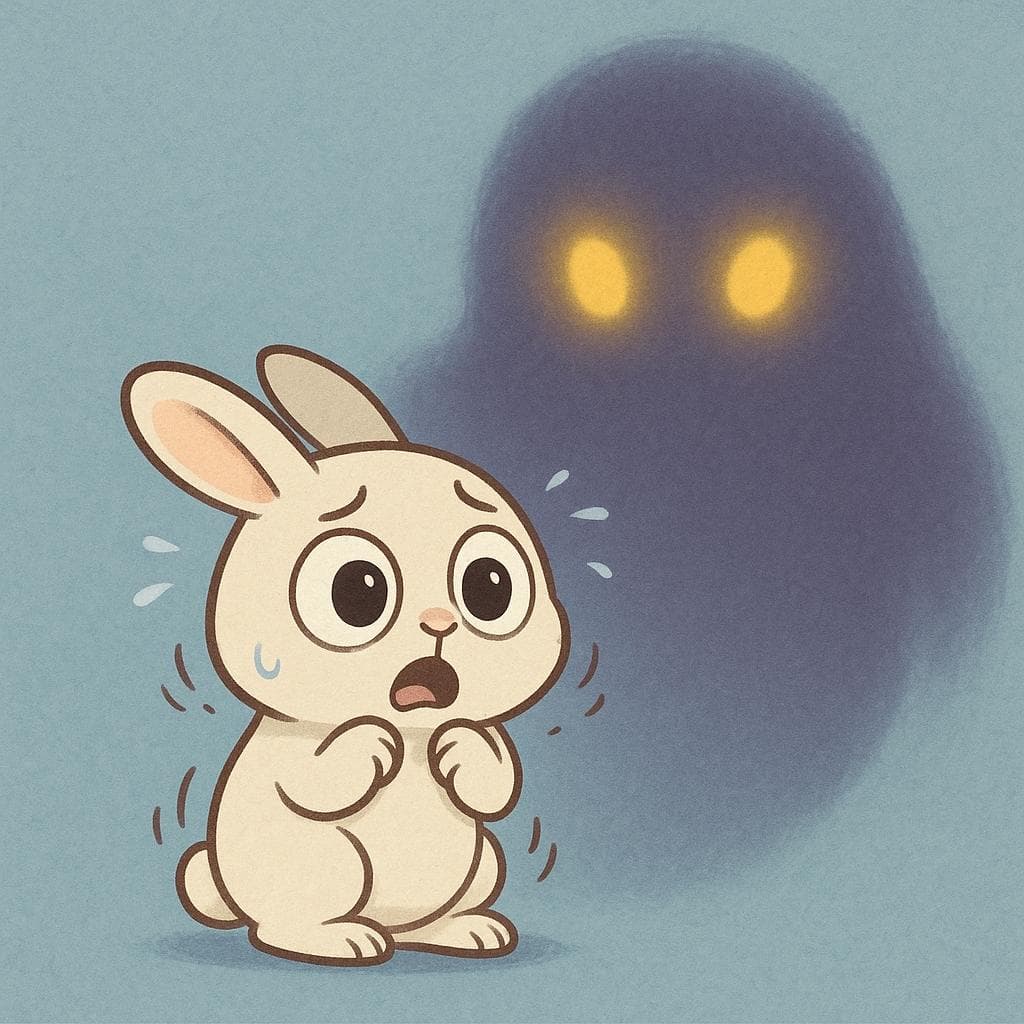
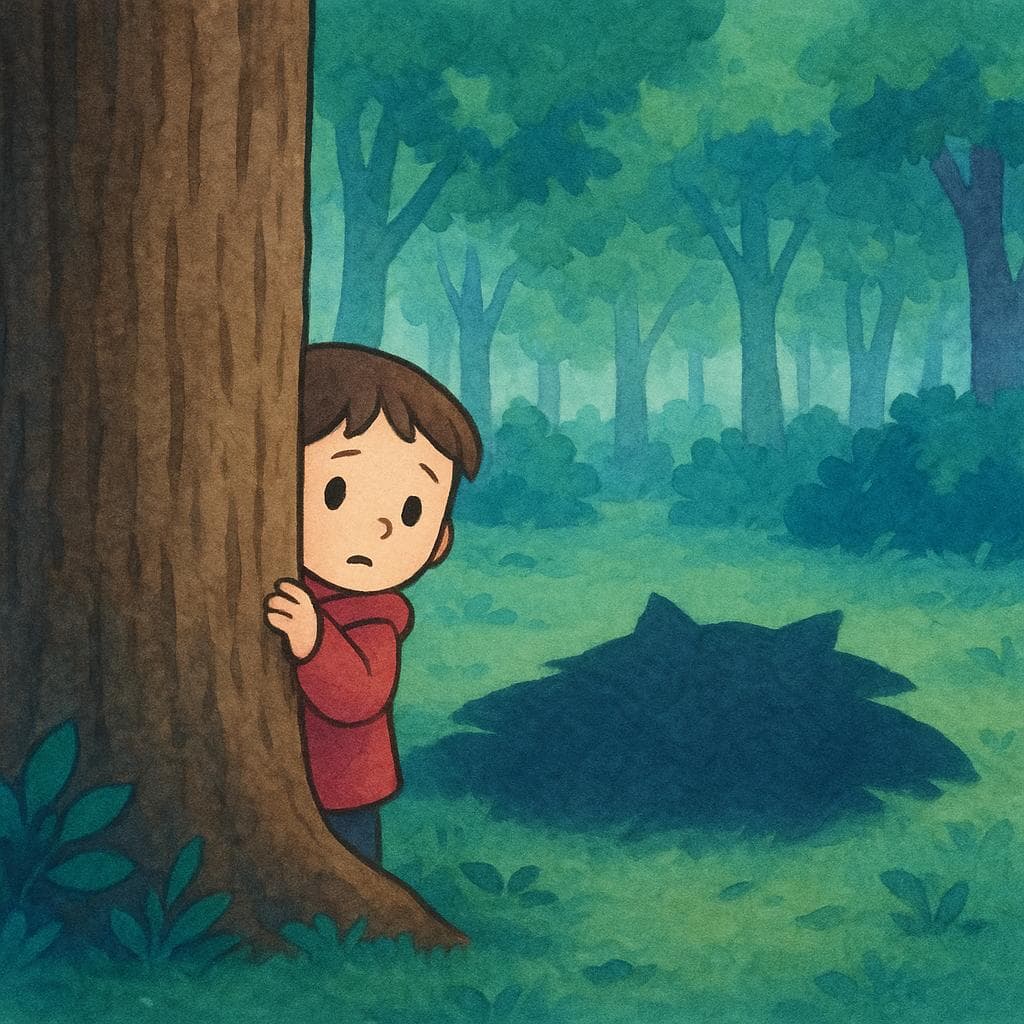
The most common Spanish word for “terrifying” is “aterrador” — use 'aterrador' when the fear caused is intense and overwhelming, often describing something truly horrific or monstrous.

aterrador
ah-teh-rrah-DORateɾaˈðoɾ
Examples
Vimos una película tan aterradora que no pude dormir.
We saw such a terrifying movie that I couldn't sleep.
La noticia del desastre fue aterradora para todos.
The news of the disaster was frightening for everyone.
Los ruidos aterradores venían del sótano abandonado.
The terrifying noises were coming from the abandoned basement.
Adjective Agreement
This word must match the noun it describes. Use 'aterrador' for masculine nouns (el monstruo aterrador) and 'aterradora' for feminine nouns (la situación aterradora).
Placement
Like most descriptive adjectives, 'aterrador' usually goes after the noun it modifies: 'un fantasma aterrador' (a terrifying ghost).
Confusing the Verb
Mistake: “Using 'aterrar' when you mean 'to land' (a plane).”
Correction: While related, 'aterrar' usually means 'to terrify.' For a plane landing, use 'aterrizar.'
espantoso
ess-pahn-TOH-sohes.panˈto.so
Examples
Vimos una criatura espantosa en el bosque.
We saw a frightening creature in the forest.
La caída desde esa altura debe haber sido una experiencia espantosa.
The fall from that height must have been a terrifying experience.
terrible
teh-REE-blehsteˈriβles

Examples
Las heridas de los soldados eran terribles.
The soldiers' wounds were dreadful.
Tuvieron que enfrentar peligros terribles en la montaña.
They had to face terrifying dangers on the mountain.
Aterrador vs. Espantoso vs. Terrible
Related Translations
Learn Spanish with Inklingo
Interactive stories, personalized learning, and more.