How to Say "to contract" in Spanish
The most common Spanish word for “to contract” is “contraer” — use 'contraer' when referring to muscles tightening or materials shrinking due to physical conditions like cold or tension.


contraer
kon-tra-EHRkon.tɾaˈeɾ

Examples
El músculo se contrae con el esfuerzo.
The muscle contracts with effort.
El frío hace que los metales se contraigan.
Cold makes metals contract.
Debes contraer los abdominales durante el ejercicio.
You should contract your abs during the exercise.
En español, 'a' y 'el' se deben contraer en 'al'.
In Spanish, 'a' and 'el' must be shortened into 'al'.
The 'Yo' Surprise
Just like the word 'traer' (to bring), this word adds a 'g' in the 'I' form of the present tense: 'yo contraigo'.
The 'J' in the Past
When talking about the past (the finished kind), the 'er' changes to a 'j' sound: 'yo contraje' instead of 'contraí'.
Don't say 'Contraí'
Mistake: “Yo contraí una deuda.”
Correction: Yo contraje una deuda. (This verb uses a special 'j' stem in the past tense.)
The Gerund 'Y'
Mistake: “está contraiendo”
Correction: está contrayendo. (When 'i' is between two vowels, it changes to 'y' in Spanish.)
contratar
cohn-trah-TARkontɾaˈtaɾ

Examples
Vamos a contratar un abogado.
We are going to hire a lawyer.
Contratamos el servicio de internet más rápido que tenían.
We contracted the fastest internet service they had.
¿Ya contrataste un seguro para tu coche nuevo?
Did you already take out insurance for your new car?
Antes de viajar, debemos contratar asistencia médica.
Before traveling, we must contract medical assistance.
Difference from 'Comprar'
You use 'contratar' for ongoing services (like electricity or a subscription) that require a long-term agreement, whereas 'comprar' is for physical items you buy outright.
encoger
en-ko-HERenkoˈxer

Examples
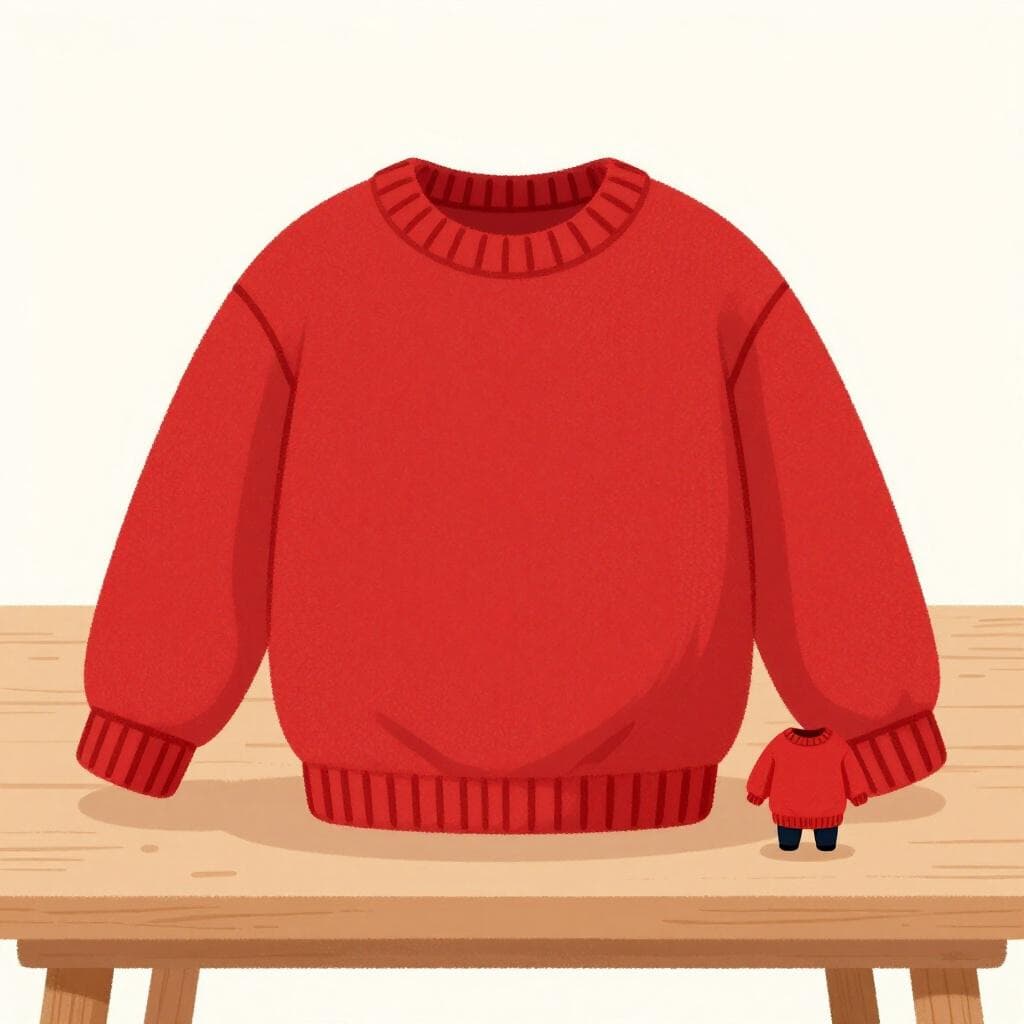
La ropa se encogió en la secadora.
The clothes shrank in the dryer.
No laves ese suéter con agua caliente o se va a encoger.
Don't wash that sweater with hot water or it will shrink.
El algodón tiende a encoger un poco en la primera lavada.
Cotton tends to shrink a bit during the first wash.
He encogido mi camiseta favorita por error.
I have shrunk my favorite t-shirt by mistake.
The 'G' to 'J' Spelling Swap
When you use the 'I' (yo) form in the present, the 'g' changes to a 'j' (encojo) to keep the pronunciation sounding like a harsh 'h'. This also happens in the special forms used for commands and wishes.
Using 'Se' for Automatic Action
When a shirt shrinks 'by itself' (because of the heat), we often add 'se' to the verb: 'La ropa se encogió' (The clothes shrank).
Spelling Error with 'G'
Mistake: “Yo encogo la ropa.”
Correction: Yo encojo la ropa. (Use 'j' before 'o' to keep the correct sound).
Agreement vs. Physical Change
Related Translations
Learn Spanish with Inklingo
Interactive stories, personalized learning, and more.