How to Say "to overthrow" in Spanish
The most common Spanish word for “to overthrow” is “derrocar” — use this word when referring to the act of removing a government or leader from power, often through popular action or force.

Use this word when referring to the act of removing a government or leader from power, often through popular action or force.
Learn more →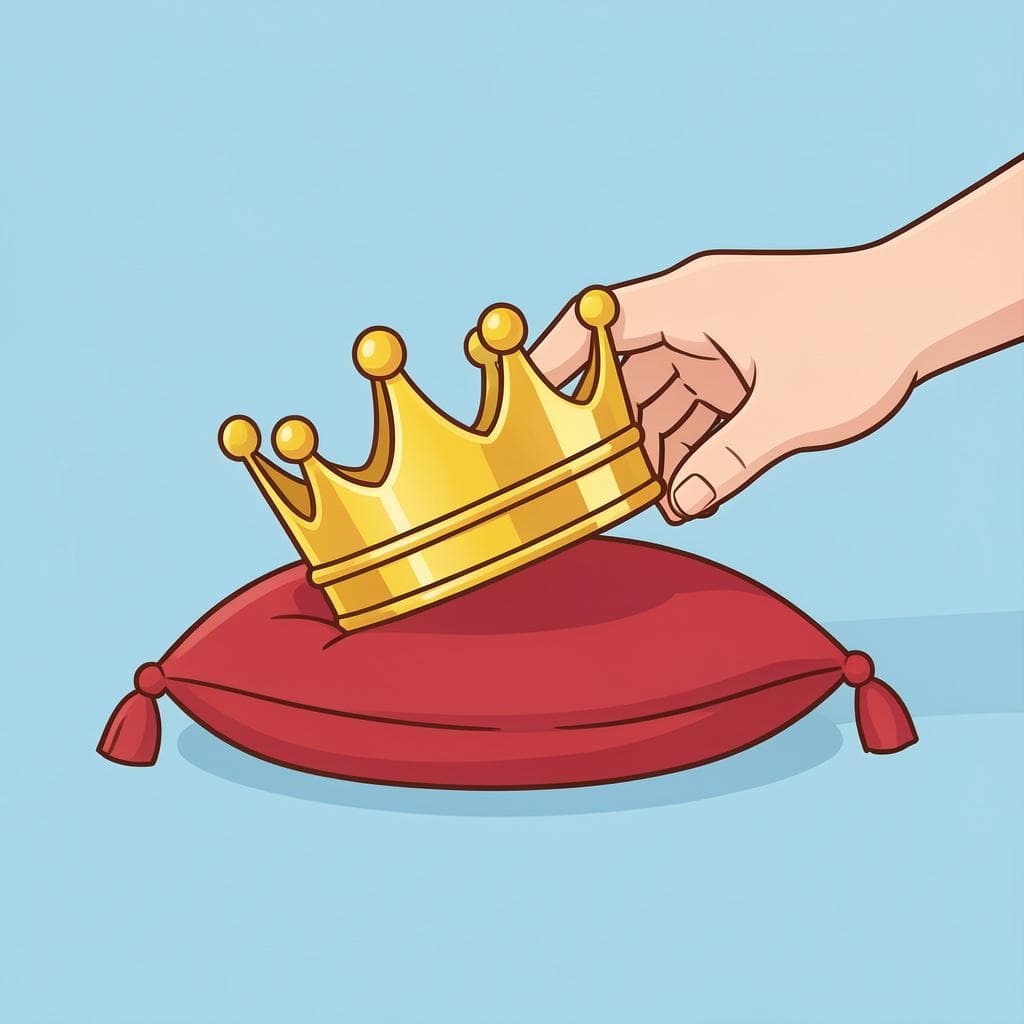
This term is used for overthrowing governments or leaders, but it also carries a stronger sense of physically bringing something down or demolishing it.
Learn more →deh-rroh-KAHRderroˈkar

Examples
El pueblo se unió para derrocar al dictador.
The people united to overthrow the dictator.
Fue un plan arriesgado para derrocar el gobierno actual.
It was a risky plan to overthrow the current government.
Lograron derrocar al régimen tras meses de protestas.
They managed to oust the regime after months of protests.
The 'QU' Spelling Rule
To keep the 'K' sound, the 'c' changes to 'qu' whenever the ending starts with an 'e'. This happens in the 'I' form of the past (derroqué) and in all forms of the 'wishes and commands' verb list (derroque).
Using the 'Personal A'
When you are overthrowing a specific person, you must use 'a' after the verb. For example: 'Derrocar a un rey' (To overthrow a king).
Derrocar vs. Derrotar
Mistake: “Usar 'derrocar' para hablar de un partido de fútbol.”
Correction: Use 'derrotar' to mean 'to defeat' in a game. 'Derrocar' is specifically for removing someone from power or a high position.
deh-rree-barderiˈβaɾ
Examples
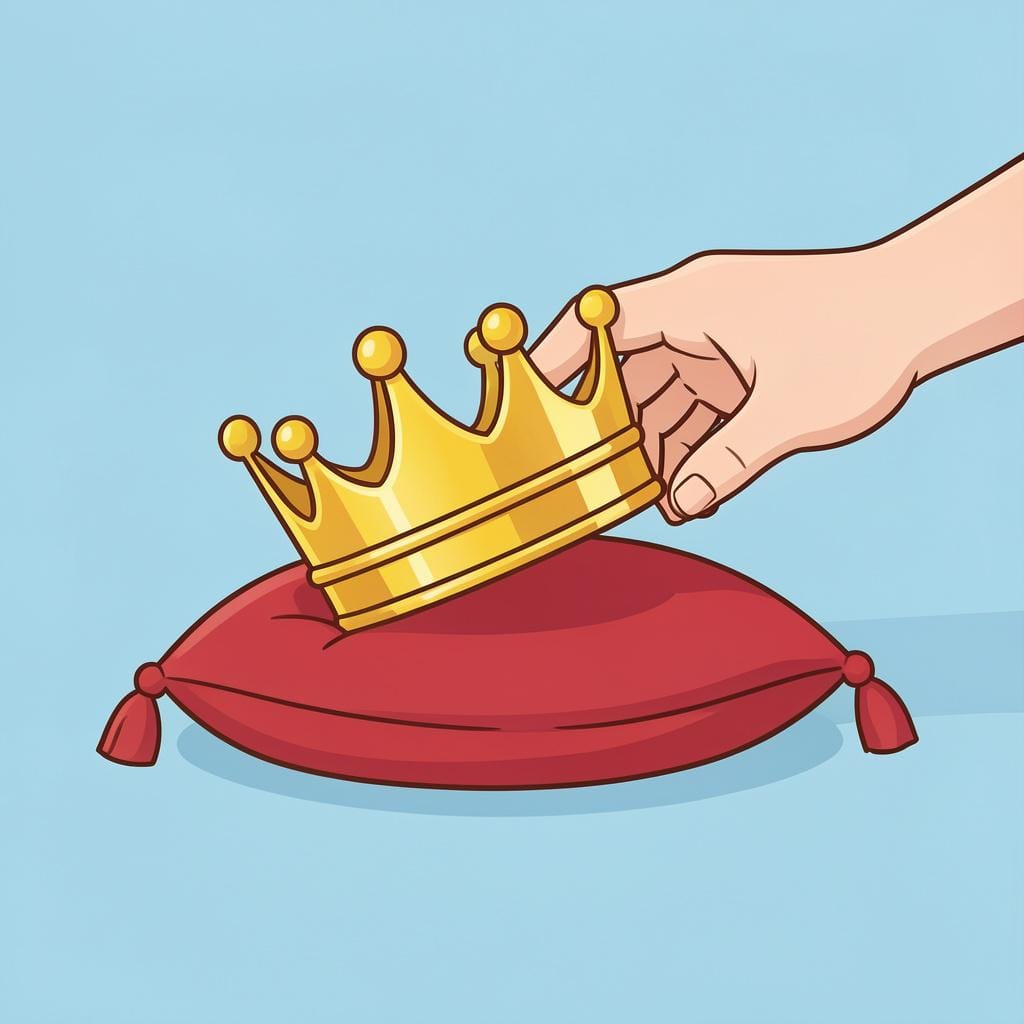
El movimiento social logró derribar al dictador.
The social movement managed to overthrow the dictator.
Sus pruebas derribaron el mito de que la tierra era plana.
His evidence debunked the myth that the earth was flat.
Las defensas lograron derribar el dron enemigo.
The defenses managed to shoot down the enemy drone.
Figurative use
Think of this like 'bringing something down' that isn't physical, like a person's power or a fake idea.
Derrocar vs. Derribar Nuances
Learners often confuse 'derrocar' and 'derribar'. While 'derrocar' is specifically for removing leaders or governments, 'derribar' can also mean to physically knock something down. For political overthrow, 'derrocar' is generally the more precise and common choice.
Related Translations
Learn Spanish with Inklingo
Interactive stories, personalized learning, and more.