How to Say "to wander" in Spanish
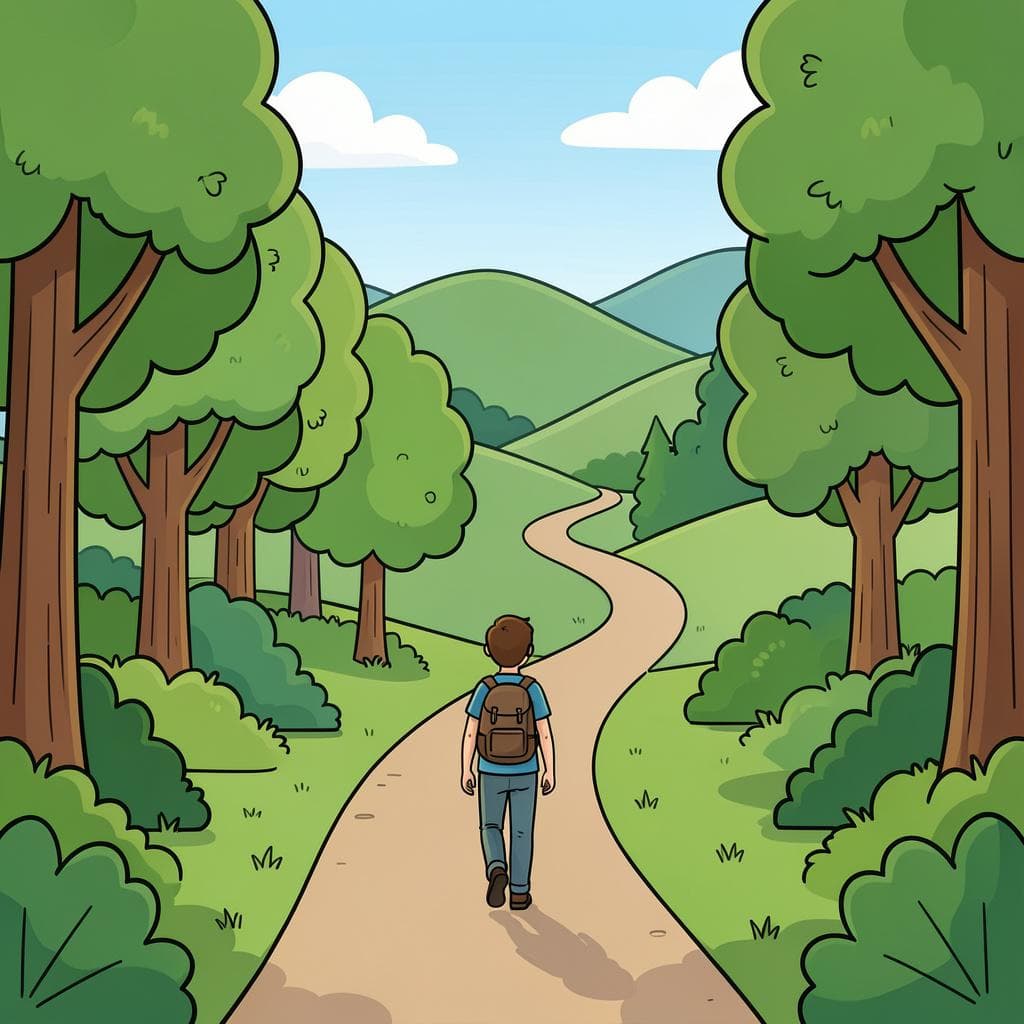
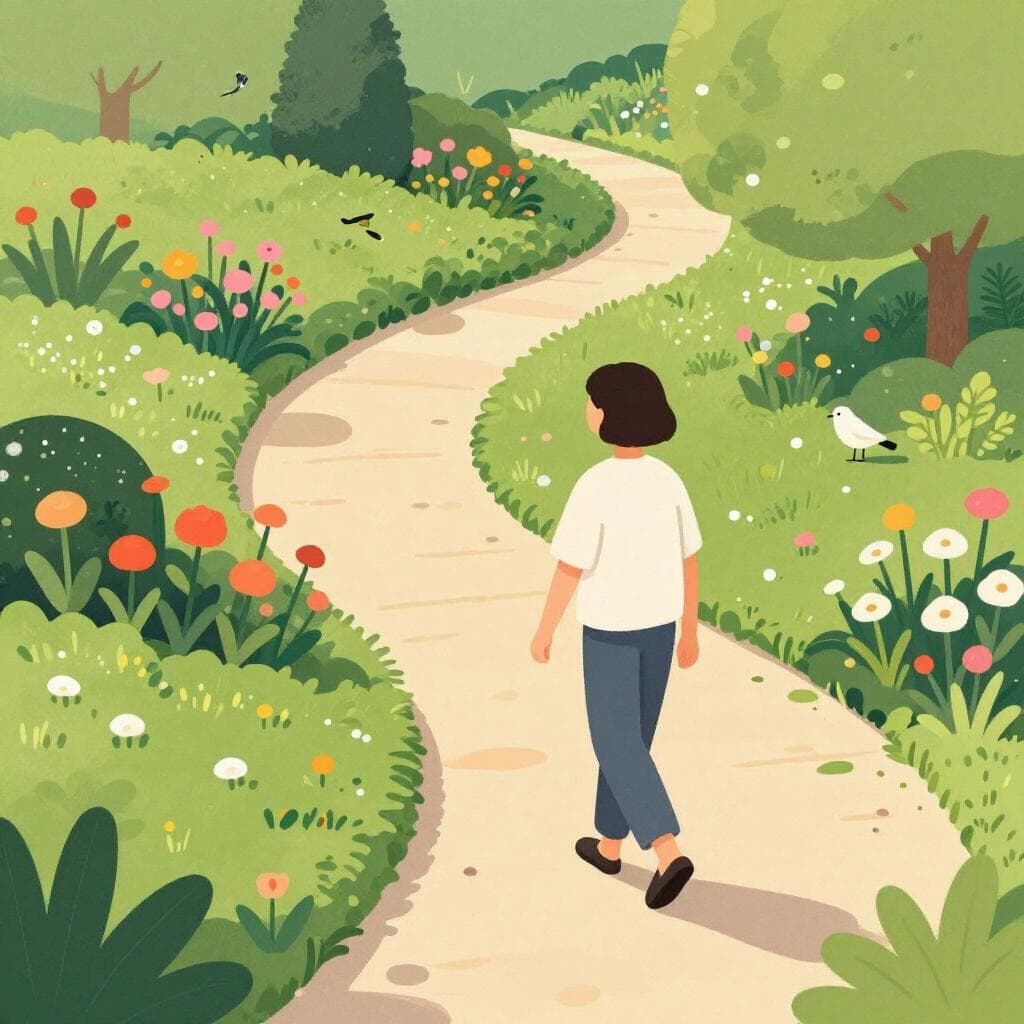
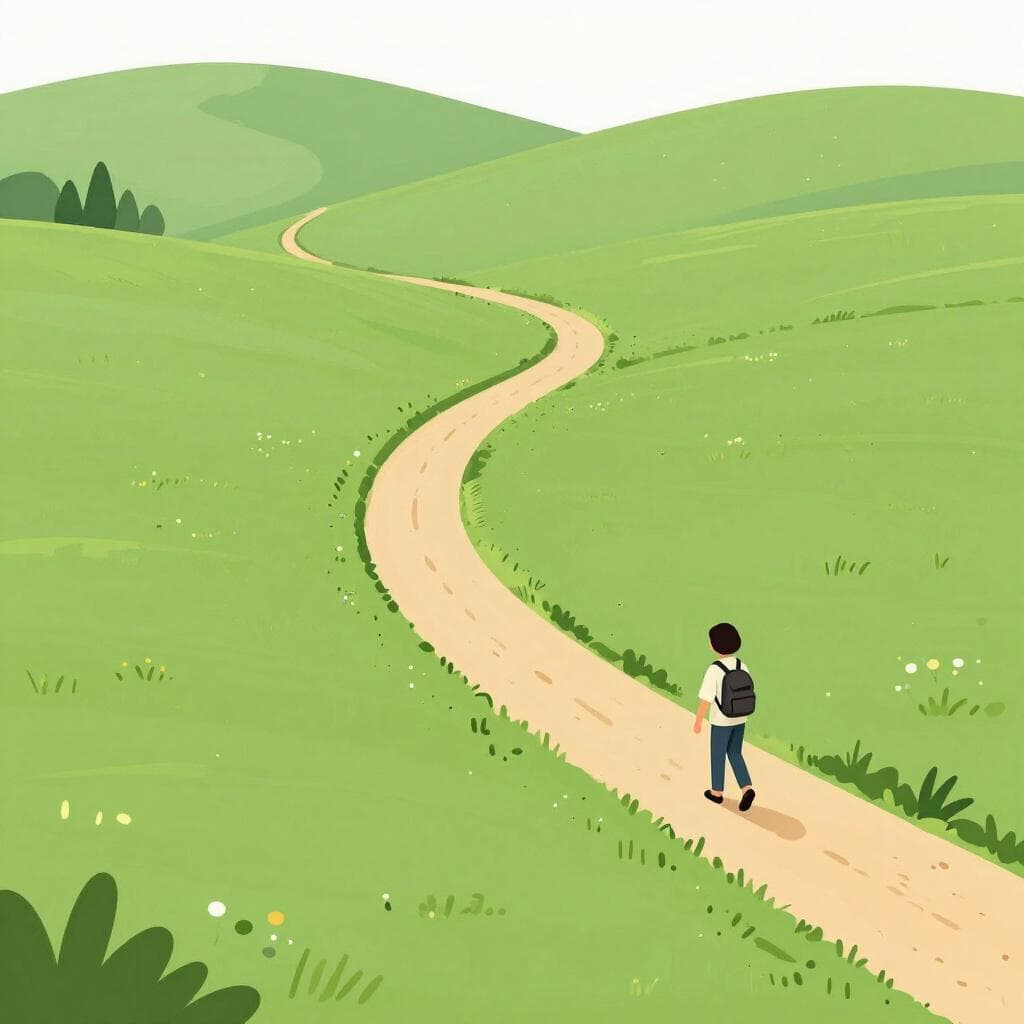
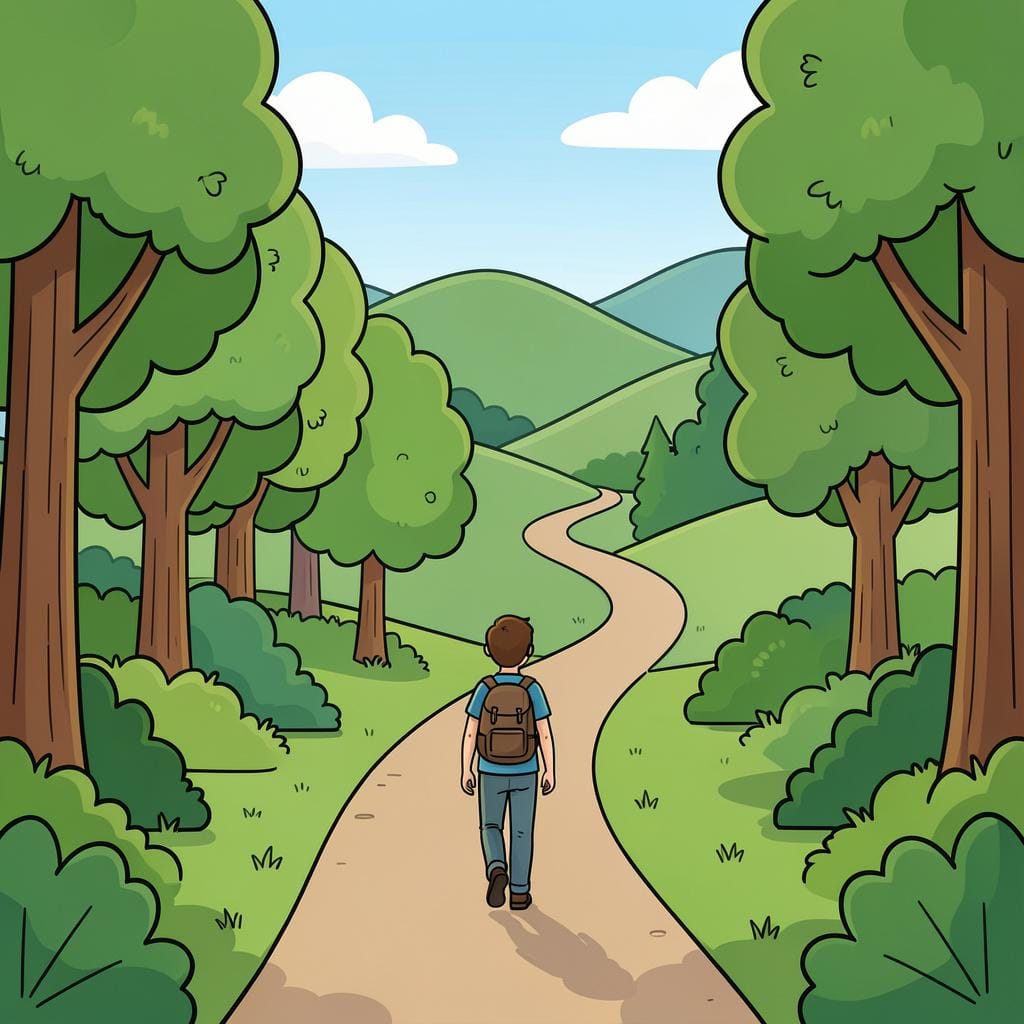
The most common Spanish word for “to wander” is “recorrer” — use 'recorrer' when you are exploring a place or area, often with a general intention to see or experience it, but without a rigid itinerary.

recorrer
reh-koh-REHRrekoˈrer
Examples
Queremos recorrer toda Europa este verano.
We want to travel through all of Europe this summer.
Recorrieron la ciudad a pie buscando el museo.
They went all over the city on foot looking for the museum.
El sendero recorre la orilla del río.
The path goes along the river bank.
Using it without 'por'
Unlike 'caminar' (to walk) which often uses 'por' to say where you walk, 'recorrer' usually takes the place directly as its object. You 'recorrer la ciudad', not 'recorrer por la ciudad'.
Recorrer vs. Recordar
Mistake: “Using 'recorrer' when you mean 'to remember'.”
Correction: Use 'recordar' for memories. 'Recorrer' is about movement and distance.
deambular
day-ahm-boo-LARdeambuˈlaɾ
Examples
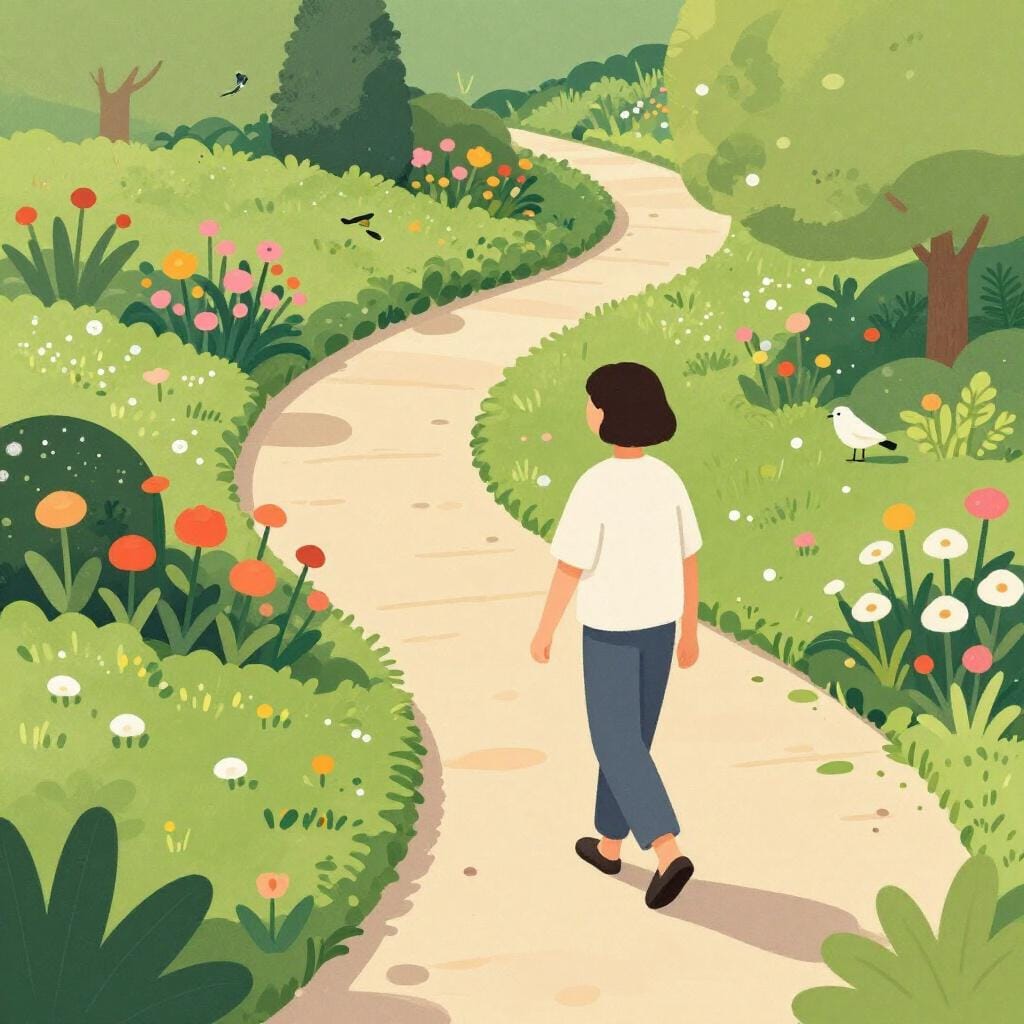
El turista deambulaba por las calles estrechas sin un mapa.
The tourist was wandering through the narrow streets without a map.
Me gusta deambular por el parque cuando necesito pensar en mis cosas.
I like to stroll through the park when I need to think about my things.
Vimos a un gato deambulando por el jardín durante toda la noche.
We saw a cat roaming around the garden all night long.
A Verb for Solitary Action
Deambular is a verb that stands alone. You don't 'deambular' an object; it is just the action of you walking without a specific goal.
Using 'Por' for Path
When you want to say WHERE you are wandering, always use the word 'por' before the place, like 'por el pasillo' (through the hallway).
Purposeful Walking
Mistake: “Using 'deambular' to say you are walking to work.”
Correction: Use 'caminar' or 'ir a pie' instead. 'Deambular' specifically means you don't have a destination in mind.
vagar
bah-GAHRbaˈɣaɾ
Examples
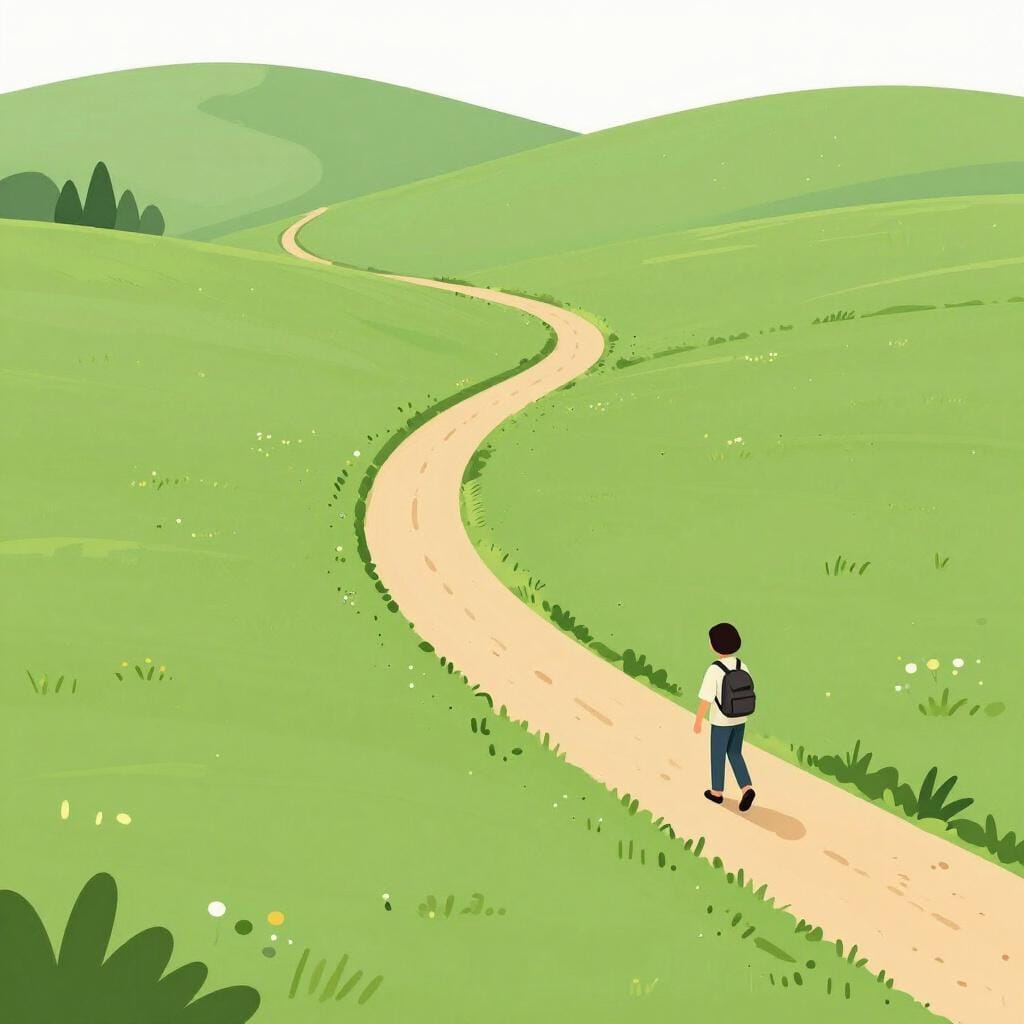
Me gusta vagar por el parque los domingos por la mañana.
I like to wander through the park on Sunday mornings.
Después de perderse, el perro vagó por las calles durante días.
After getting lost, the dog wandered through the streets for days.
Muchos poetas prefieren vagar sin rumbo para encontrar inspiración.
Many poets prefer to roam aimlessly to find inspiration.
The 'G' to 'GU' Spelling Swap
When the 'g' in 'vagar' meets an 'e', it changes to 'gu' (vagué) to keep that hard 'g' sound like in 'game'. Without the 'u', it would sound like a raspy 'h'.
Using 'por' for Path
When you wander 'through' or 'around' a place, always use the word 'por' after 'vagar' (vagar por el bosque).
Incorrect Past Tense Spelling
Mistake: “Yo vagé por el campo.”
Correction: Yo vagué por el campo. (You need the 'u' to keep the 'g' sounding hard before an 'e').
errar
eh-RAReˈrar
Examples
El caballero andante erraba por los bosques.
The knight-errant wandered through the forests.
Pasó años errando de ciudad en ciudad.
He spent years roaming from city to city.
Meaning through context
When 'errar' is used with locations (like 'por el mundo'), it almost always means 'wandering' rather than 'making a mistake'.
danzar
dahn-SAHRdanˈsaɾ

Examples
Lleva toda la mañana danzando por la oficina.
She's been on the go all morning throughout the office.
No pares de danzar, ¡siéntate y descansa!
Stop moving around, sit down and rest!
Figurative Motion
When used informally, this word describes someone who can't sit still or is constantly moving between tasks.
Aimless Walking vs. Exploring
Related Translations
Learn Spanish with Inklingo
Interactive stories, personalized learning, and more.