How to Say "to woo" in Spanish
The most common Spanish word for “to woo” is “conquistar” — use 'conquistar' when the effort to win someone's affection is significant and implies a desire to 'conquer' their heart, often through grand gestures or a determined pursuit.
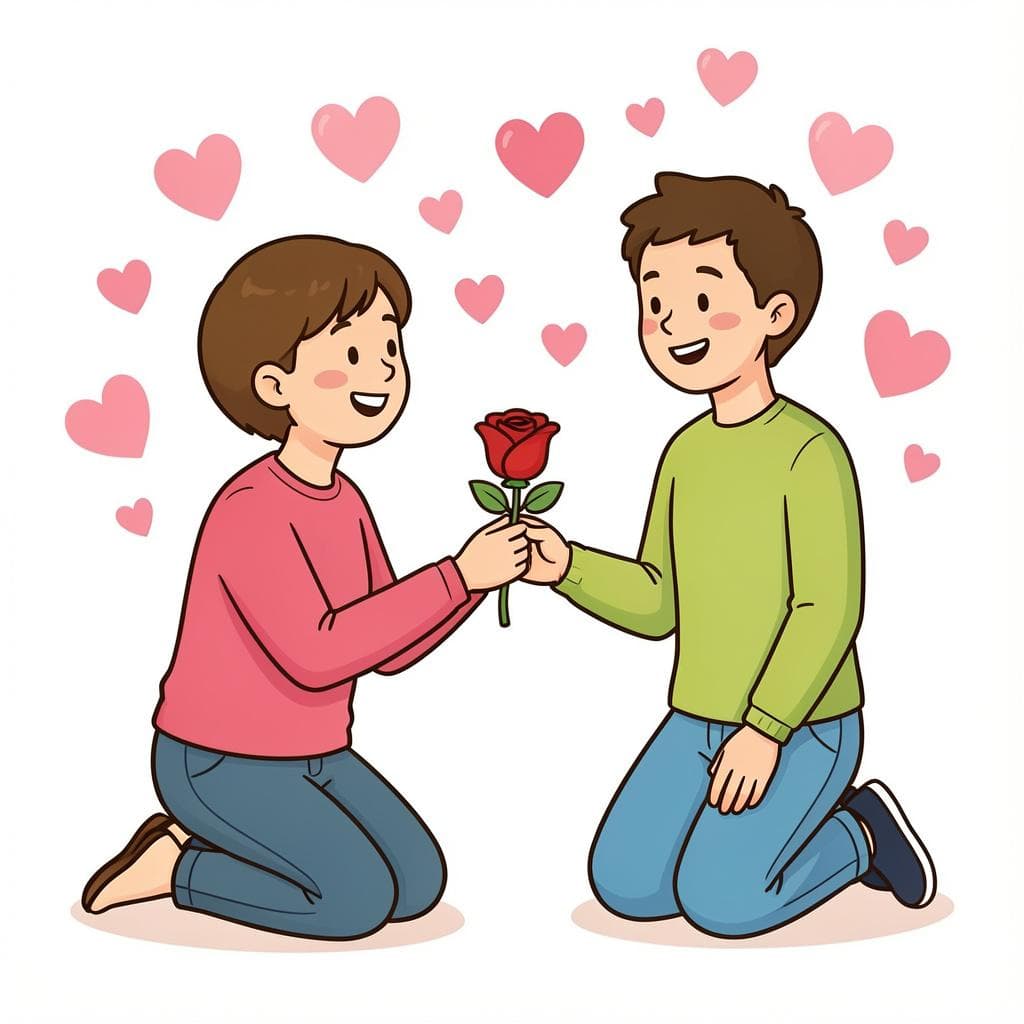
Use 'conquistar' when the effort to win someone's affection is significant and implies a desire to 'conquer' their heart, often through grand gestures or a determined pursuit.
Learn more →
Choose 'cortejar' to describe the act of formally courting someone, involving polite attention, chivalrous behavior, and a clear intention of pursuing a romantic relationship.
Learn more →
Use 'enamorar' when the focus is specifically on the act of trying to make someone fall in love with you, often through charm, affection, or persuasive efforts.
Learn more →kohn-kees-TAHRkoŋkisˈtaɾ
Examples
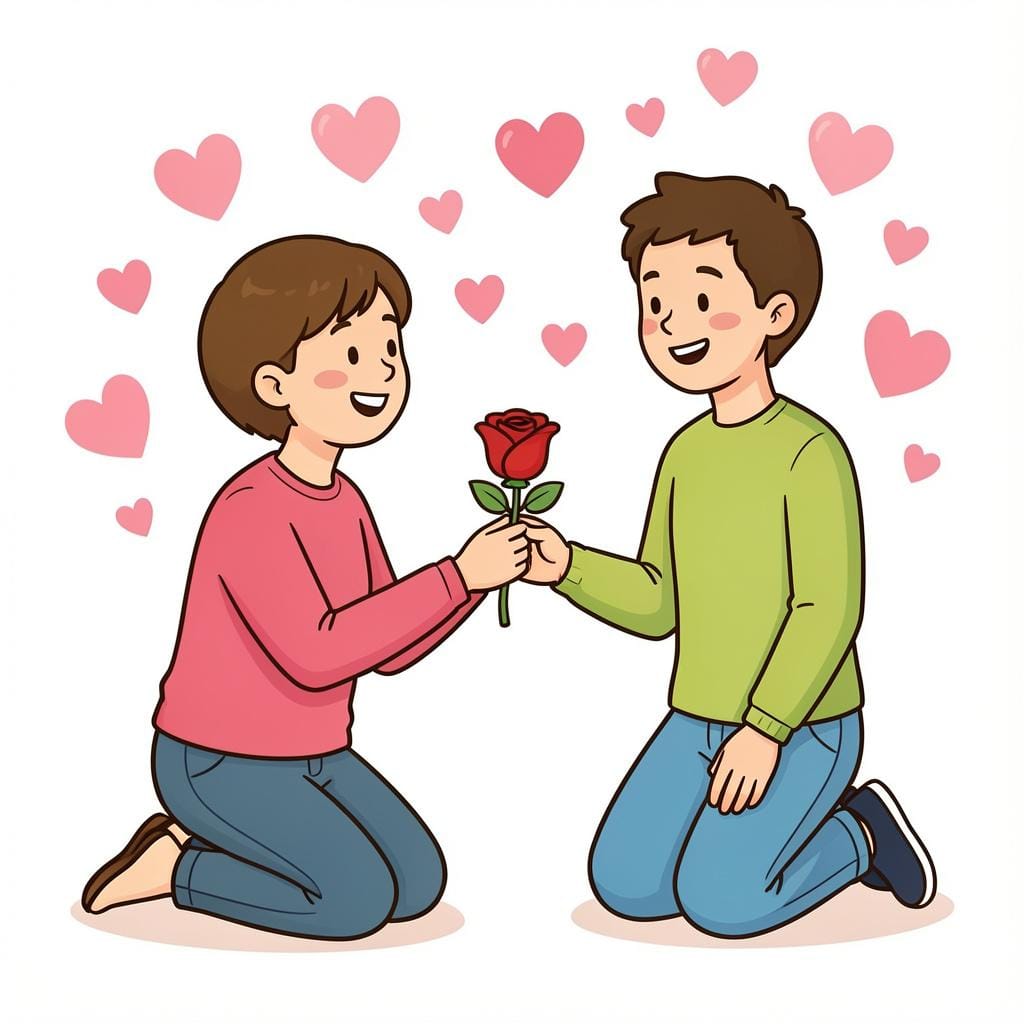
Intentó conquistar a su amada con serenatas y regalos costosos.
He tried to woo his beloved with serenades and expensive gifts.
La conquistó con poemas y flores.
He won her over with poems and flowers.
Quiero conquistar su corazón.
I want to win her heart.
Transitive Action
This verb needs an object (the person whose heart you are winning). In Spanish, we use the 'personal a' when the object is a specific person: 'Conquistó a María'.
kor-te-HARkoɾteˈxaɾ

Examples
El joven cortejó a la señorita durante meses antes de pedirle matrimonio.
The young man courted the lady for months before proposing.
El caballero intentó cortejar a la dama con flores y poemas.
The gentleman tried to court the lady with flowers and poems.
Lleva meses cortejándola, pero ella aún no se decide.
He has been wooing her for months, but she still hasn't decided.
En el siglo XIX, los hombres tenían que cortejar formalmente a sus futuras esposas.
In the 19th century, men had to formally court their future wives.
The Personal 'A'
Since you are courting a person, you must use the word 'a' before the person's name or the pronoun. For example: 'Cortejar a María'.
Missing the Personal 'A'
Mistake: “Cortejo María.”
Correction: Cortejo a María. (In Spanish, we need 'a' when the action of the verb happens directly to a specific person).
eh-nah-moh-rahrenamoˈɾaɾ

Examples
Le compuso una canción para enamorarla y mostrarle sus sentimientos.
He composed a song for her to woo her and show her his feelings.
Él quiere enamorar a Sofía con flores.
He wants to win Sofia's heart with flowers.
No es fácil enamorar a alguien que no cree en el amor.
It's not easy to make someone fall in love if they don't believe in love.
Intentó enamorarla durante meses antes de invitarla a salir.
He tried to woo her for months before asking her out.
Who is doing the loving?
Use 'enamorar' when you are the active one trying to win someone else's heart. If you are the one feeling the love, you need the reflexive 'se' at the end: 'enamorarse'.
The Personal 'a'
Since this word usually involves a person receiving your charm, you must use the 'personal a'. For example: 'Enamorar A mi novia'.
Confusing 'Enamorar' with 'Being in Love'
Mistake: “Yo enamoro de ella.”
Correction: Estoy enamorado de ella (I am in love) or Me enamoro de ella (I fall in love). Use 'enamorar' without 'me/te/se' only when you are the one doing the charming.
Conquistar vs. Cortejar vs. Enamorar
Learners often confuse these terms because they all relate to romantic pursuit. While 'conquistar' can imply a more intense effort, 'cortejar' suggests a more traditional, formal courtship. 'Enamorar' focuses directly on the goal of making someone fall in love.
Related Translations
Learn Spanish with Inklingo
Interactive stories, personalized learning, and more.