How to Say "tough" in Spanish
The most common Spanish word for “tough” is “difícil” — use 'difícil' when referring to something that requires significant effort or is hard to do, like a challenging task or learning a new skill.
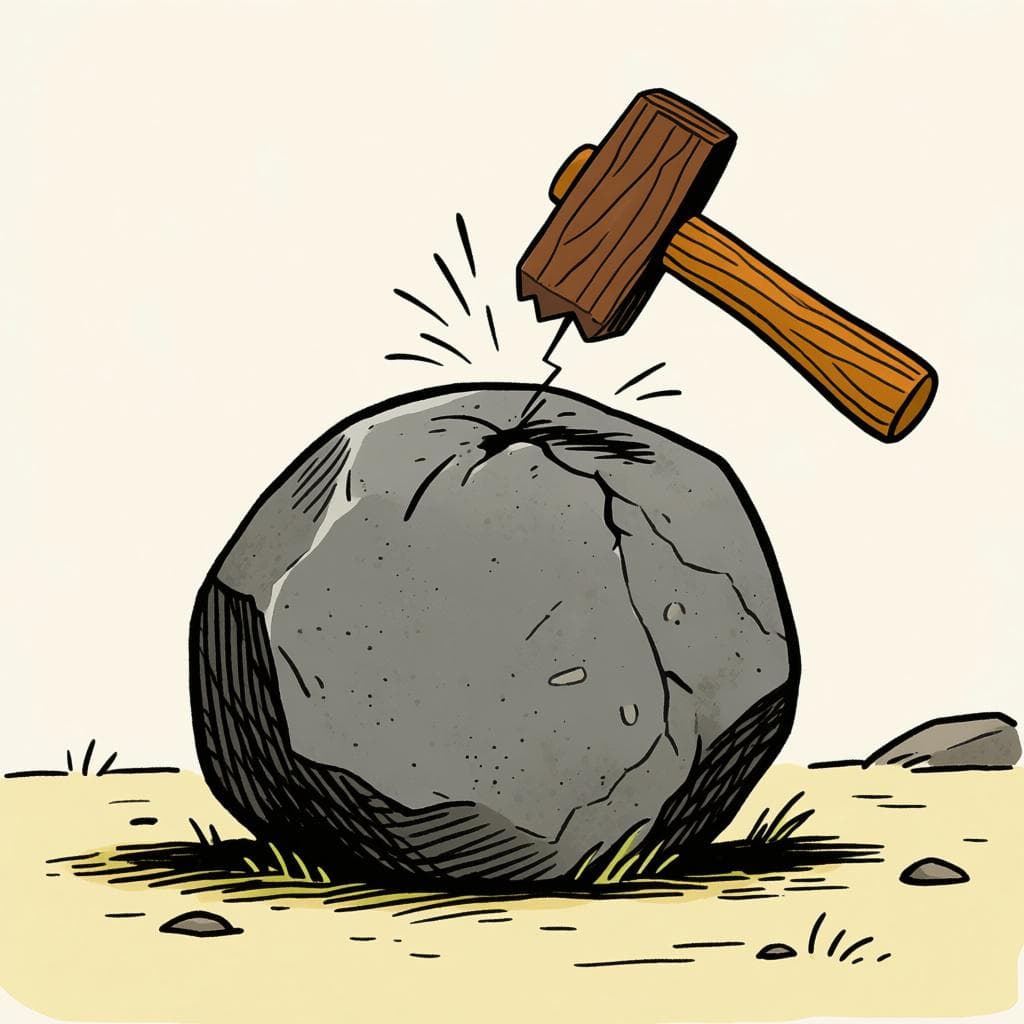




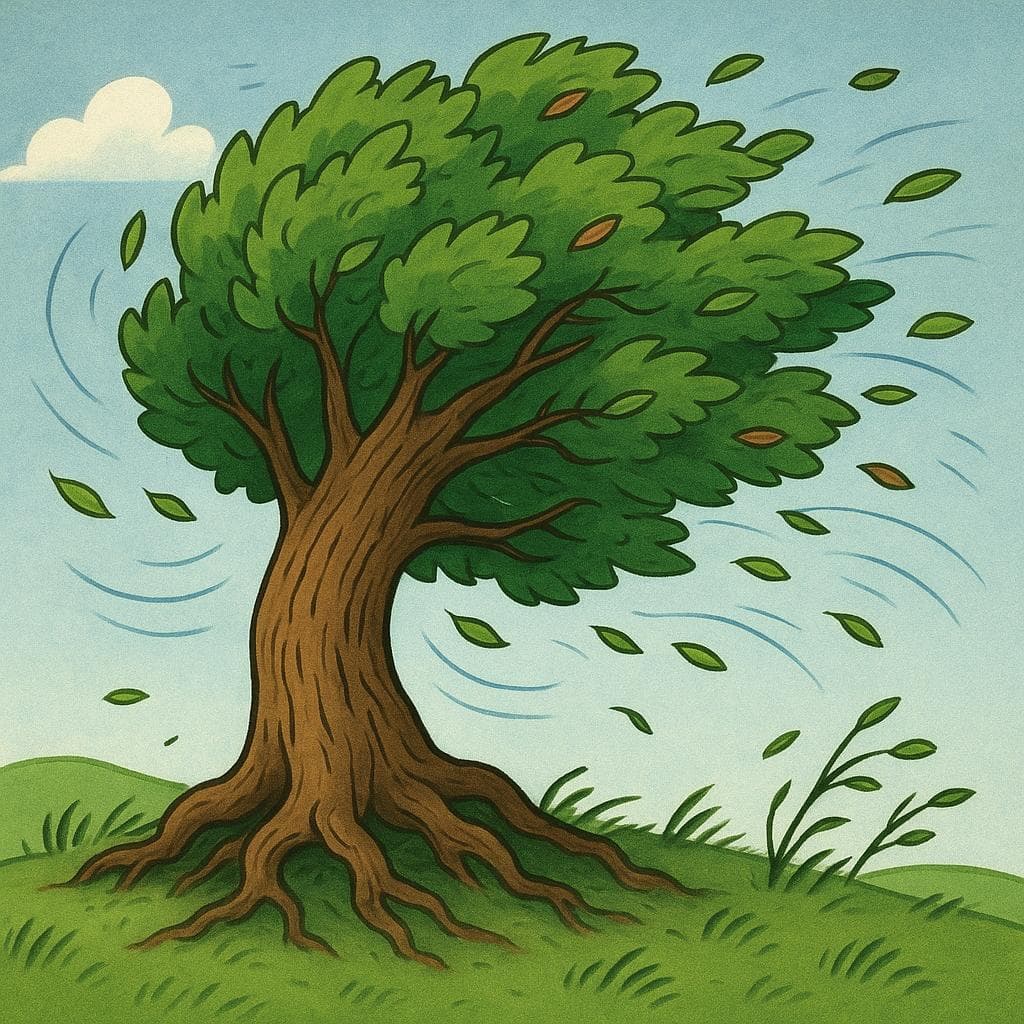




Examples
Aprender español no es difícil, pero requiere práctica.
Learning Spanish is not difficult, but it requires practice.
duro
DOO-rohˈdu.ɾo
Examples
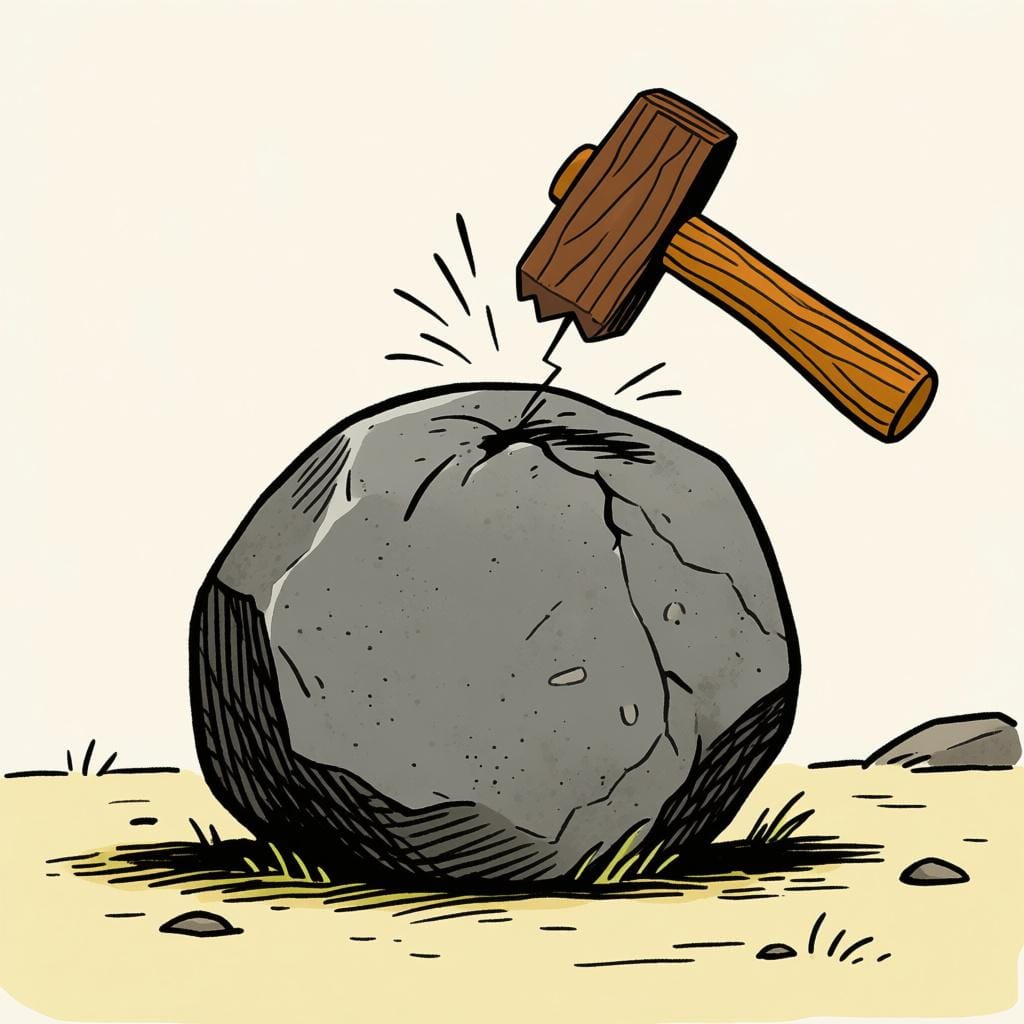
Esta piedra es muy dura.
This stone is very hard.
El pan de ayer está duro.
Yesterday's bread is stale.
Ha sido un año muy duro para nosotros.
It has been a very difficult year for us.
Matching the Noun
As an adjective, 'duro' changes to match the thing it describes. Use 'dura' for feminine things ('la cama dura'), 'duros' for plural masculine ('los panes duros'), and 'duras' for plural feminine ('las pruebas duras').
Confusing with 'Difícil'
Mistake: “'Duro' can mean 'difficult', but 'difícil' is often a better choice for abstract challenges like exams or problems.”
Correction: Use 'un examen difícil' (a difficult exam) instead of 'un examen duro'. 'Duro' implies more of a struggle or hardship.
fuerte
FWEHR-tessˈfweɾtes

Examples
Mis piernas están muy fuertes después de correr la maratón.
My legs are very strong after running the marathon.
Necesitamos cables más fuertes para levantar esa carga.
We need stronger cables to lift that load.
Ellos son atletas muy fuertes y dedicados.
They are very strong and dedicated athletes.
Adjective Agreement
Since 'fuertes' is an adjective, it must agree with the noun it describes. Because it ends in '-es', it is always plural. The singular form is 'fuerte'.
resistente
rreh-sees-TEHN-tehresisˈtente

Examples
Este juguete es de plástico muy resistente.
This toy is made of very strong plastic.
Necesito unos pantalones resistentes para trabajar en el jardín.
I need some tough pants for working in the garden.
El cristal de mi móvil es resistente a los golpes.
My phone's glass is shock-resistant.
One Form for Everyone
Unlike many Spanish words, 'resistente' doesn't change based on gender. You use it for both masculine words like 'el muro' (the wall) and feminine words like 'la mesa' (the table).
Positioning
In most cases, place 'resistente' right after the thing you are describing to sound most natural.
The 'A' Mistake
Mistake: “La tela es resistenta.”
Correction: La tela es resistente. Even though 'tela' is feminine, words ending in -e like 'resistente' don't change to an -a.
exigente
ek-see-HEN-teeksiˈxente

Examples
Mi profesor de matemáticas es muy exigente con la tarea.
My math teacher is very demanding with the homework.
Ser un atleta profesional es una carrera muy exigente.
Being a professional athlete is a very demanding career.
No seas tan exigente contigo mismo; lo hiciste bien.
Don't be so tough on yourself; you did well.
One Form for All
This word is 'gender-neutral.' It ends in -e, so it stays exactly the same whether you are describing a man (un hombre exigente) or a woman (una mujer exigente).
Using 'Con'
When you want to say who or what someone is demanding towards, use the word 'con' (with). For example: 'Soy exigente con mi perro' (I am demanding with my dog).
The 'O' Trap
Mistake: “El jefe es exigento.”
Correction: El jefe es exigente. Even though 'jefe' is masculine, the adjective 'exigente' never ends in 'o'.
Confusing with 'Demandante'
Mistake: “Es una persona muy demandante.”
Correction: Es una persona muy exigente. While 'demandante' exists, it usually refers to a 'plaintiff' in a lawsuit. Use 'exigente' for personality.
guapo
gwah-pohˈɡwapo

Examples
Ese torero es muy guapo, no tiene miedo a nada.
That bullfighter is very brave; he isn't afraid of anything.
No te metas con él, es un guapo del barrio.
Don't mess with him, he's a tough guy in the neighborhood.
Context is Key
When 'guapo' is used to describe character (brave/tough), it often appears in contexts related to conflict, challenges, or physical danger. Listen closely to the situation.
macho
MAH-chohˈmatʃo
Examples
Ese tornillo es más macho, aguantará más peso.
That screw is tougher, it will hold more weight.
Fue muy macho al enfrentarse solo al problema.
He was very brave/tough in facing the problem alone.
conflictivo
con-fleek-TEE-bokoɱfliɣˈtiβo

Examples
No quiero trabajar con él porque es un empleado muy conflictivo.
I don't want to work with him because he is a very troublesome employee.
Ese es un barrio conflictivo por la noche.
That is a tough/problematic neighborhood at night.
La reforma de la ley es un tema conflictivo en el parlamento.
The law reform is a contentious issue in parliament.
Gender and Number Agreement
This word changes its ending to match what you are describing: 'un hombre conflictivo' (one man), 'una mujer conflictiva' (one woman), 'unos niños conflictivos' (boys), 'unas zonas conflictivas' (areas).
Using 'Ser' vs 'Estar'
We almost always use this word with 'ser' (to be) because it describes a person's character or the nature of a place, which are seen as lasting qualities.
Conflicting vs. Conflicted
Mistake: “Estoy muy conflictivo sobre qué decisión tomar.”
Correction: Estoy muy confundido (or 'tengo un dilema'). 'Conflictivo' means YOU are the one causing the trouble, not that you feel unsure.
rudo
ROO-dohˈru.ðo

Examples
El boxeador es conocido por su estilo rudo y agresivo.
The boxer is known for his tough and aggressive style.
Fue un camino rudo, pero finalmente llegamos a la cima.
It was a rugged path, but we finally reached the top.
Mi abuelo era un hombre rudo de campo, acostumbrado al trabajo pesado.
My grandfather was a tough country man, accustomed to heavy labor.
Describing Difficulty
When describing a task or situation, 'rudo' means that it is very difficult or physically demanding, similar to 'duro'.
jodido
ho-DEE-dohxoˈðiðo

Examples
El examen de matemáticas estuvo muy jodido.
The math exam was really tough.
Es una situación jodida, no sé qué decirte.
It's a tricky situation, I don't know what to tell you.
Ese cliente es muy jodido de convencer.
That client is very difficult to convince.
Using with 'Ser'
When you use this word with 'ser,' you are describing an inherent quality, like a person who is always difficult to deal with or a task that is naturally hard.
Confusing Ser and Estar
Mistake: “Saying 'El examen está jodido'.”
Correction: Say 'El examen fue/es jodido' because the difficulty is a characteristic of the test itself.
cabrón
ka-BRONkaˈβɾon

Examples
El examen de física estuvo muy cabrón.
The physics exam was really tough.
Ese guitarrista es muy cabrón.
That guitarist is a total badass.
La situación en la frontera está cabrona.
The situation at the border is really difficult.
Ser vs. Estar with Cabrón
Use 'ser' to describe a person's character or talent. Use 'estar' to describe how difficult a specific situation or task is right now.
Positive vs. Negative
Mistake: “Thinking it's always an insult.”
Correction: In Mexico, calling someone 'un cabrón' for their skills is a high compliment, though still very informal.
Distinguishing 'Difícil' vs. 'Duro'
Related Translations
Learn Spanish with Inklingo
Interactive stories, personalized learning, and more.