How to Say "trigger" in Spanish
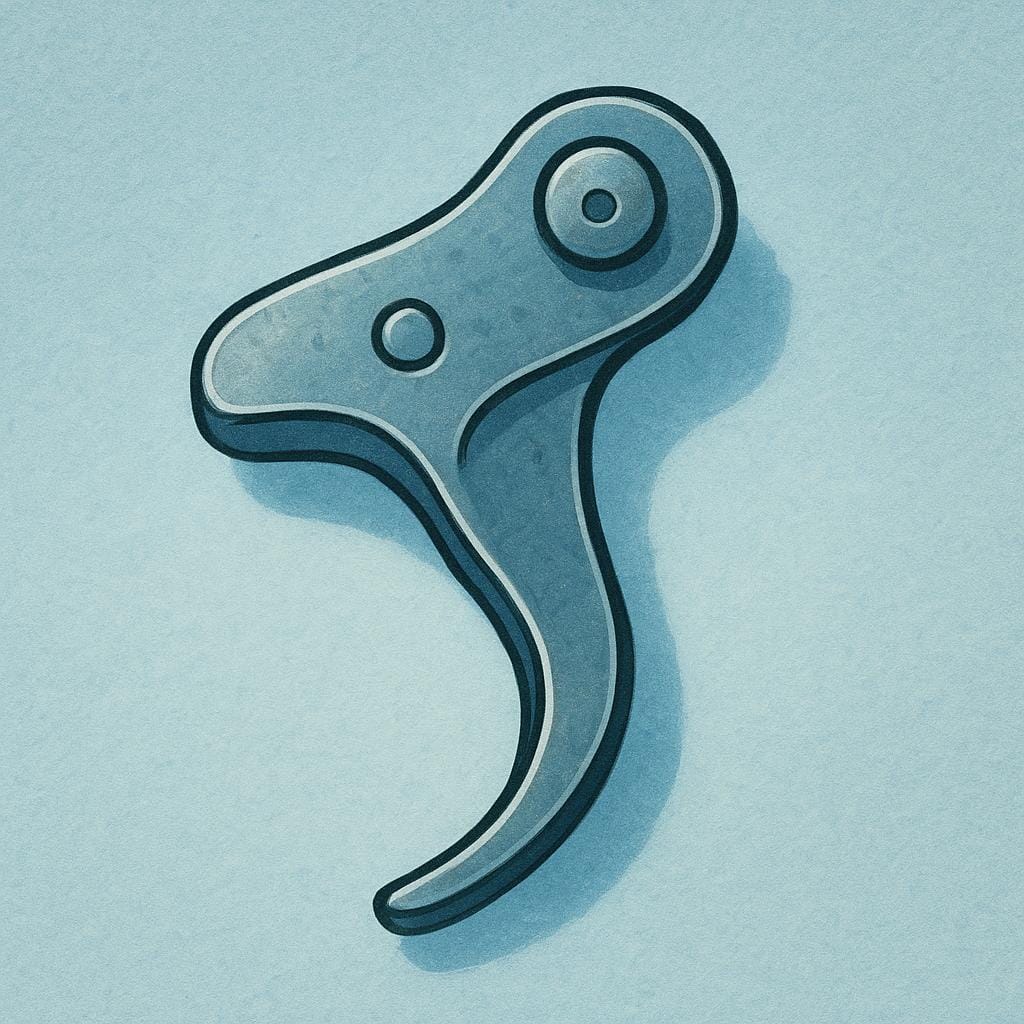
The most common Spanish word for “trigger” is “gatillo” — use 'gatillo' when referring to the physical part of a gun or a similar mechanical device that you pull to activate it.
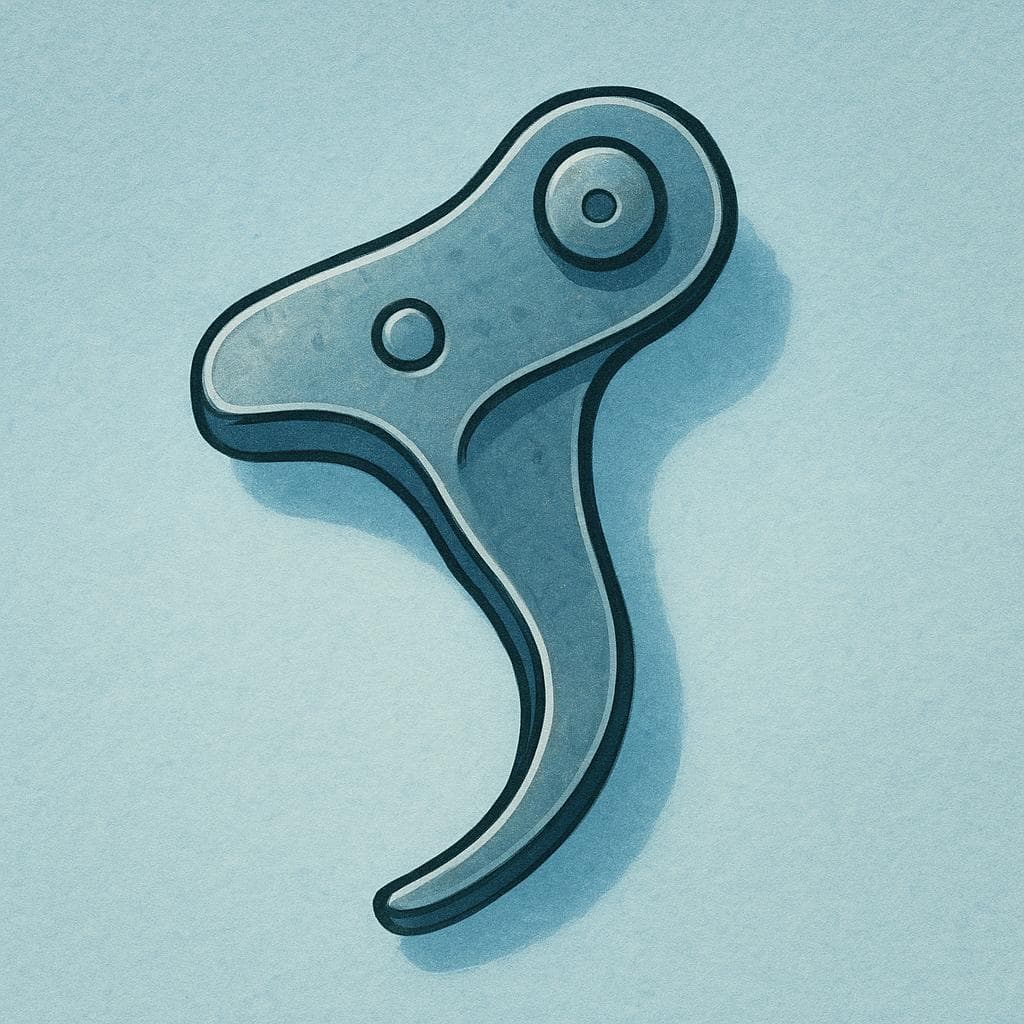

gatillo
gah-TEE-yoɡaˈtiʝo
Examples
No pongas el dedo en el gatillo a menos que vayas a disparar.
Don't put your finger on the trigger unless you are going to shoot.
El gatillo de esta pistola de agua está roto.
The trigger on this water gun is broken.
Hay que apretar el gatillo de la bomba para que salga el jabón.
You have to squeeze the pump's lever for the soap to come out.
Gender Rule
Even though 'gatillo' ends in '-o', remember it is a masculine noun ('el gatillo').
dispare
dees-PAH-rehdisˈpa.ɾe

Examples
El sensor requiere que alguien dispare la alarma manualmente.
The sensor requires someone to trigger the alarm manually.
Espero que este comentario no dispare una pelea.
I hope this comment doesn't set off a fight.
Subjunctive for Intent
This meaning often appears after verbs expressing necessity or intent, requiring the 'dispare' form: 'Necesitamos que el cambio dispare la economía' (We need the change to trigger the economy).
detonador
deh-toh-nah-DOHRdetonaˈðoɾ
Examples
Ese pequeño incidente fue el detonador de la huelga general.
That small incident was the trigger for the general strike.
Sus palabras actuaron como un detonador para la discusión familiar.
His words acted as a spark for the family argument.
La crisis económica fue el principal detonador de las protestas.
The economic crisis was the main catalyst for the protests.
Abstract Nouns
Even when used metaphorically for ideas or events, the word remains masculine: 'el detonador'.
Confusing with 'Causa'
Mistake: “Thinking 'detonador' and 'causa' are exactly the same.”
Correction: While 'causa' is the general reason, 'detonador' is the specific event that makes the explosion happen right now (the 'last straw').
Physical vs. Event Triggers
Related Translations
Learn Spanish with Inklingo
Interactive stories, personalized learning, and more.